Category: AI in Biotechnology

  • This simple change stops robot swarms from getting stuck

    This simple change stops robot swarms from getting stuck

    Imagine a swarm of robots rushing to complete an urgent job, such as cleaning up an oil spill or assembling complex machinery. At first, adding more robots speeds things up. But after a certain point, the space becomes crowded, robots start interfering with one another, and overall progress slows.

    This raises a simple but important question: in a limited area, how many robots can you deploy before efficiency starts to drop? Researchers at Harvard believe they have found a clear answer.

    A Simple Idea That Boosts Efficiency

    A new study from the lab of L. Mahadevan, the Lola England de Valpine Professor of Applied Mathematics, Organismic and Evolutionary Biology, and Physics, shows that adding a controlled amount of randomness to how robots move can reduce congestion and improve performance in crowded environments.

    The work combines mathematical modeling, computer simulations, and real-world experiments. It demonstrates how basic local movement rules can lead to organized, efficient outcomes on a larger scale. The findings could influence how robotic fleets are designed and may even apply to human crowd management and traffic flow. The research was published in Proceedings of the National Academy of Sciences and led by applied mathematics Ph.D. student Lucy Liu, with guidance from SEAS Senior Research Fellow Justin Werfel.

    Why Randomness Helps Predict Complex Behavior

    Studying dense crowds is difficult because individuals can take countless possible paths and interact in unpredictable ways, Liu explained. To simplify the problem, the researchers treated each robot as a basic unit with a small, adjustable amount of variation in its movement.

    “This might be counterintuitive, because how could randomness make things easier to work with?” said Liu. “But in this case, when you have a lot of randomness, it becomes possible to take averages — average distances, average times, average behaviors. This makes it a lot easier to make predictions.”

    Simulating Robot Swarms in Motion

    To explore this idea, the team created computer simulations of robot groups, referred to as agents. Each agent started at a random location and was assigned a random destination. Once it reached its target, it immediately received a new one, mimicking continuous task assignment in real-world systems.

    Each agent moved toward its goal with a tunable amount of variation, described as “noise.” With no noise, agents moved in straight lines. With high noise, their paths became erratic and inefficient. However, this wandering also helped them navigate around one another.

    Finding the “Goldilocks Zone” of Noise

    The simulations revealed a clear pattern. When agents moved in perfectly straight paths, they quickly formed dense clusters and traffic jams that halted progress. When movement became too random, congestion disappeared but efficiency dropped due to excessive wandering.

    Between these extremes, the researchers identified a sweet spot. In this range, agents occasionally bumped into one another and formed short-lived clusters, but still managed to slip past and keep moving. This balance allowed the system to maintain a steady flow.

    From Simulations to Mathematical Models

    Using these insights, the team developed formulas to estimate “goal attainment rate,” or how many destinations are reached over time. These equations made it possible to determine the ideal combination of crowd density and movement randomness to maximize performance.

    Testing the Theory With Real Robots

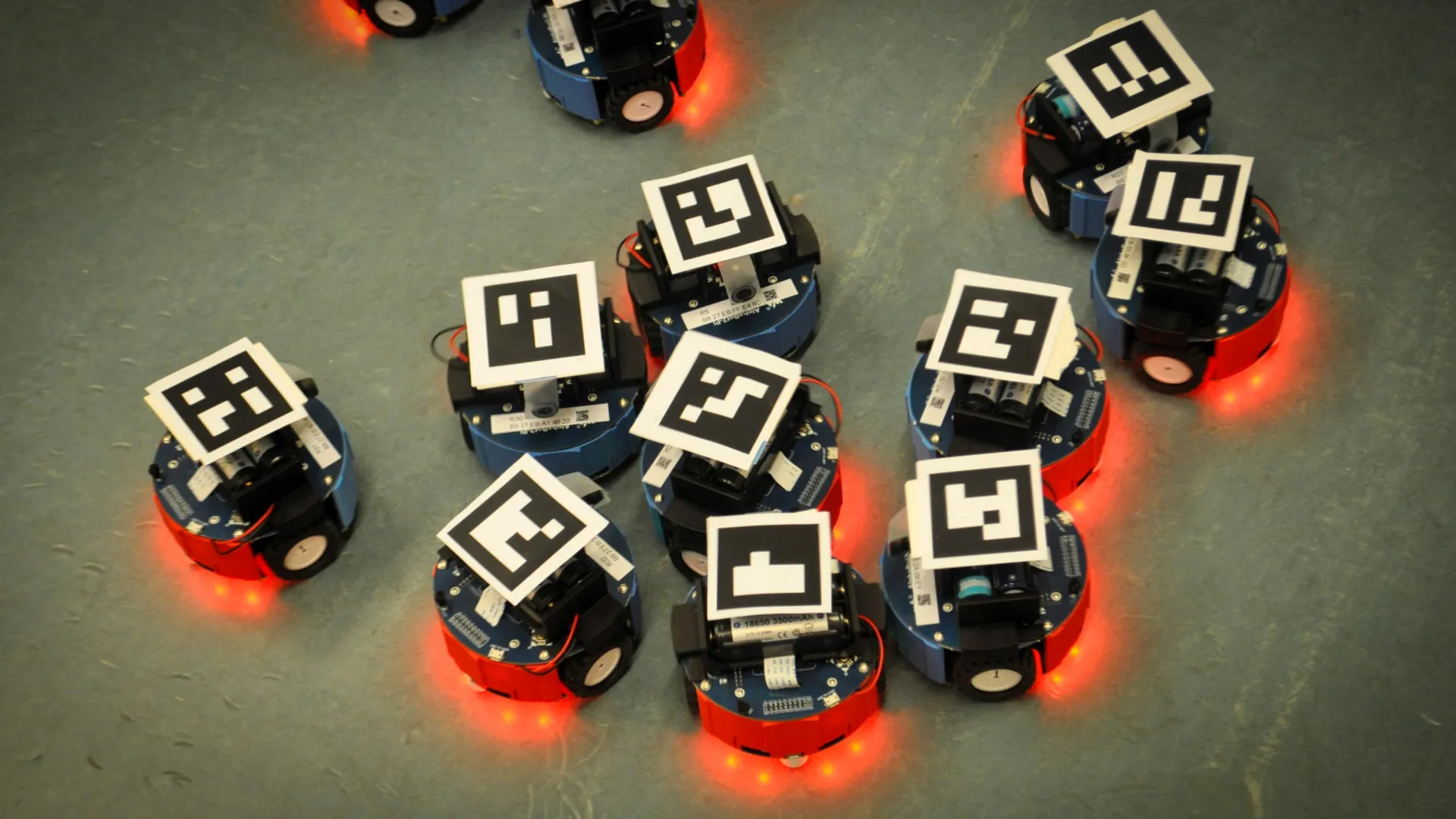
    To confirm their findings, Liu collaborated with physicist Federico Toschi at Eindhoven University of Technology in the Netherlands. Together, they set up experiments with small wheeled robots in a lab equipped with an overhead camera.

    Each robot carried a QR code so its position could be tracked and updated with new destinations. Although the physical robots moved more slowly and less precisely than the simulated agents, they displayed the same overall patterns.

    Simple Rules, Complex Results

    The experiments supported a key idea: highly complex coordination does not require advanced intelligence or centralized control. Instead, simple local rules can produce effective group behavior, at least within certain density limits.

    “Understanding how active matter, whether it is a swarm of ants, a herd of animals, or a group of robots, become functional and execute tasks in crowded environments using the principles of self-organization, is relevant to many questions in behavioral ecology,” Mahadevan said. “Our study suggests strategies that might well be much broader than the instantiation we have focused on.”

    Implications Beyond Robotics

    Liu noted that she has long been interested in designing safer and more efficient crowded spaces. This research points toward a future where the movement of large groups, whether robots, vehicles, or people, could be predicted and optimized using mathematical tools.

    The results suggest that introducing controlled variability into movement patterns may improve flow in many real-world systems, from factory floors to city streets.

    Key Takeaways

    • Harvard SEAS researchers found that when large numbers of robots operate in the same space, introducing a controlled amount of randomness in their movement can significantly improve efficiency.
    • The study highlights how simple, local movement rules can produce surprisingly complex and well-coordinated group behavior without the need for central control.
    • The mathematical models developed in this work could help optimize the design of robot swarms and even improve how we manage crowded environments like cities, traffic systems, and public spaces.

    Funding for the research came from the National Science Foundation Graduate Research Fellowship Program under Grant No. DGE 2140743, along with grants from the Simons Foundation and the Henri Seydoux Fund.


  • “Giant superatoms” could finally solve quantum computing’s biggest problem

    “Giant superatoms” could finally solve quantum computing’s biggest problem

    Researchers at Chalmers University of Technology in Sweden have introduced a new theoretical design for quantum systems based on what they call “giant superatoms.” This concept offers a fresh way to protect, control, and share quantum information, potentially bringing scientists closer to building large-scale quantum computers.

    Quantum computers are expected to transform fields like drug discovery and encryption by solving problems that are far beyond the reach of conventional machines. However, progress has been limited by a major challenge known as decoherence. This occurs when quantum bits, or qubits, lose their information due to interactions with their surroundings. Even small amounts of electromagnetic noise can disrupt the fragile quantum states needed for computation.

    “Quantum systems are extraordinarily powerful but also extremely fragile. The key to making them useful is learning how to control their interaction with the surrounding environment,” says Lei Du, postdoctoral researcher in applied quantum technology at Chalmers.

    Lei Du is the lead author of a study that outlines this new type of quantum system. The design is built around giant superatoms, which combine several important features. These systems reduce decoherence, remain stable, and consist of multiple interconnected “atoms” that function together as a single unit.

    What Are Giant Superatoms

    Giant superatoms bring together two previously separate ideas in quantum physics: giant atoms and superatoms. While each has been studied on its own, this is the first time they have been merged into a single system. These structures behave like atoms but are not found in nature. Instead, they are engineered by scientists (see fact box below).

    Giant Atoms and Their “Quantum Echo”

    The idea of giant atoms was first introduced by researchers at Chalmers over a decade ago and is now widely used in the field. A giant atom is typically designed as a qubit (which is the smallest unit of quantum information). Unlike ordinary atoms, it connects to light or sound waves at multiple, physically separated points. This allows it to interact with its environment in several places at once, helping it preserve quantum information.

    “Waves that leave one connection point can travel through the environment and return to affect the atom at another point — similar to hearing an echo of your own voice before you’ve finished speaking. This self-interaction leads to highly beneficial quantum effects, reduces decoherence and gives the system a form of memory of past interactions,” explains Anton Frisk Kockum, Associate Professor of Applied Quantum Physics at Chalmers and co-author of the study.

    Extending Entanglement Across Distances

    Although giant atoms have improved understanding of quantum behavior, they have had limitations when it comes to entanglement. Entanglement allows multiple qubits to share a single quantum state and act as one coordinated system, which is essential for powerful quantum computers.

    To overcome this limitation, the research team combined giant atoms with the concept of superatoms. A superatom consists of several natural atoms that share the same quantum state and behave collectively as one larger atom.

    This combination is expected to make it easier to create complex quantum states needed for quantum communication, networks, and highly sensitive measurement systems.

    “A giant superatom may be envisaged as multiple giant atoms working together as a single entity, exhibiting a non-local interaction between light and matter. This enables quantum information from multiple qubits to be stored and controlled within one unit, without the need for increasingly complex surrounding circuitry,” explains Lei Du.

    “Giant superatoms open the door to entirely new capabilities, giving us a powerful new toolbox. They allow us to control quantum information and create entanglement in ways that were previously extremely difficult, or even impossible,” says Janine Splettstoesser, Professor of Applied Quantum Physics at Chalmers and co-author of the study.

    Toward Scalable and Practical Quantum Systems

    This work creates new possibilities for building quantum systems that are both scalable and reliable. The researchers plan to move from theory toward actually constructing these systems. Their design could also be integrated with other quantum technologies, serving as a building block for connecting different types of quantum platforms.

    “There is currently strong interest in hybrid approaches, in which different quantum systems work together, because each has its own strengths,” says Anton Frisk Kockum. “Our research shows that smart design can reduce the need for increasingly complex hardware and giant superatoms are bringing us one step closer to practically applicable quantum technology.”

    Controlling Quantum Information Flow

    More on: Methods for protecting, controlling and distributing quantum information

    The study shows that the way giant superatoms interact with light depends on their internal quantum states. This discovery gives researchers greater control over how quantum information moves through a system. They describe two different ways of connecting these structures to achieve useful outcomes.

    In one setup, several giant superatoms are closely linked in a specific arrangement. This allows them to pass quantum states between each other without decoherence, meaning no information is lost.

    In another setup, the atoms are spaced farther apart but connected in a carefully tuned way so that waves remain synchronized. This makes it possible to direct quantum signals and distribute entanglement over long distances.

    Understanding Giant Atoms and Superatoms

    Superatoms and giant atoms are engineered systems that behave like atoms rather than naturally occurring ones.

    A superatom is a quantum system made up of multiple natural atoms that share a single quantum state and respond to light as one entity.

    A giant atom, on the other hand, connects to light or sound waves at several separate points in space. It is called “giant” because it is larger than the wavelength of the light it interacts with.

    Giant atoms have defined energy levels and follow the rules of quantum mechanics, yet they can reach sizes of up to millimeters, making them visible to the naked eye. Through electromagnetic or acoustic waves, they can interact with their surroundings at multiple locations at the same time. One way to picture this is as a single atom linked to a wave at several distant points. This unusual setup allows the atom to be influenced by the waves it produces.

  • This new chip could slash data center energy waste

    This new chip could slash data center energy waste

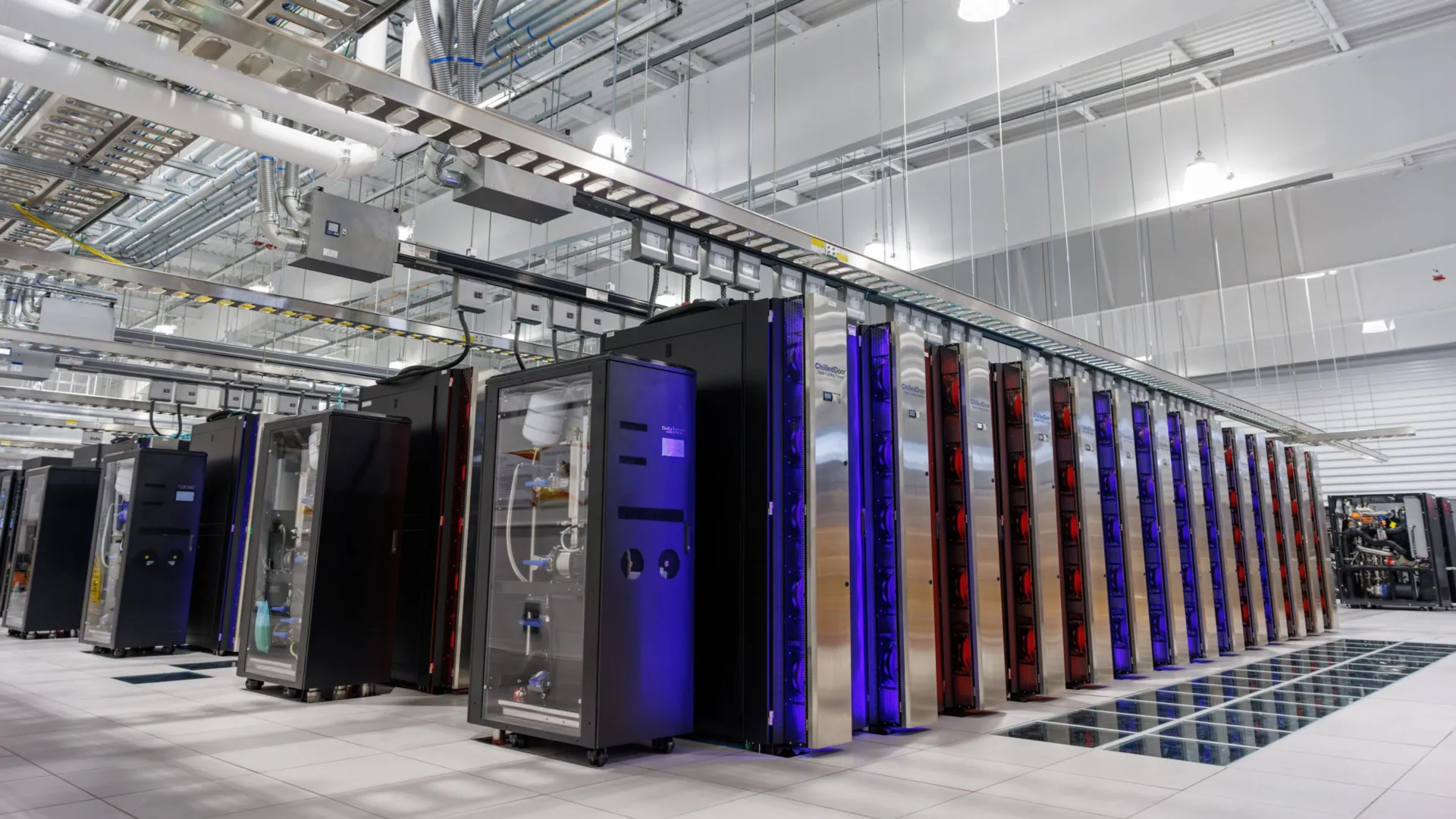
    As data centers consume more energy to support growing digital demands, engineers at the University of California San Diego have introduced a new chip design that could make powering graphics processing units (GPUs) more efficient. The innovation focuses on a key function in electronics: converting high voltages into the lower levels required by computing hardware. In laboratory testing, a prototype chip successfully performed this type of voltage conversion with high efficiency under conditions similar to those found in modern data centers.

    The findings, published in Nature Communications, suggest the potential for smaller and more energy-efficient systems in advanced computing environments.

    Rethinking DC-DC Converters for Modern Electronics

    At the center of the new design is an improved version of a widely used component known as a DC-DC step-down converter. These converters are found in nearly all electronic devices and serve as a critical link between power sources and sensitive circuits. Their job is to take a high incoming voltage and reduce it to the exact level needed for safe operation.

    In data centers, electricity is often distributed at 48 volts, while GPU processors typically require much lower voltages, usually between 1 and 5 volts. Efficiently managing this large voltage drop has become increasingly challenging as computing systems grow more powerful and compact.

    Limits of Traditional Power Conversion Technology

    Conventional step-down converters often struggle when dealing with large differences between input and output voltage. As that gap increases, efficiency drops and it becomes harder to supply enough current. Most existing designs rely on magnetic components such as inductors. While these components have been refined over many years, they are approaching their practical limits and are becoming harder to improve further.

    “We’ve gotten so good at designing inductive converters that there’s not really much room left to improve them to meet future needs,” said study senior author Patrick Mercier, professor in the Department of Electrical and Computer Engineering at the UC San Diego Jacobs School of Engineering.

    Exploring Piezoelectric Resonators as an Alternative

    To move beyond these limitations, Mercier and his team, including first author Jae-Young Ko, an electrical and computer engineering Ph.D. student at UC San Diego, investigated a different approach using piezoelectric resonators. These small devices store and transfer energy through mechanical vibrations rather than magnetic fields.

    Converters based on piezoelectric components could offer several advantages. They have the potential to be smaller, more energy dense, more efficient, and easier to manufacture at scale. “They have a lot of room to grow and have the potential to deliver better performance than anything that’s come before them,” Mercier said.

    However, earlier versions of piezoelectric converters have had difficulty maintaining efficiency and delivering sufficient power when handling large voltage differences.

    Hybrid Design Achieves High Efficiency and Power Output

    To overcome these issues, the researchers created a hybrid converter that combines a piezoelectric resonator with small, commercially available capacitors arranged in a carefully designed configuration. This setup enables the system to handle larger voltage conversions more effectively.

    The team incorporated this design into a prototype chip and tested its performance. The device successfully converted 48 volts down to 4.8 volts — a level commonly required in data centers — with a peak efficiency of 96.2 percent. It also delivered roughly four times more output current than previous piezoelectric-based designs.

    This hybrid approach offers several benefits. It creates multiple pathways for energy to move through the system, reduces wasted power, and lessens the strain on the resonator. Together, these improvements enhance both efficiency and power delivery while only slightly increasing the chip’s size.

    Challenges and Next Steps for Real-World Use

    Although the technology shows strong promise, it is still in the early stages of development. The researchers view it as an important step toward overcoming the constraints of current power conversion systems. Future efforts will focus on refining materials, improving circuit designs, and developing better packaging methods.

    One challenge is that piezoelectric resonators physically vibrate, which means they cannot be attached to circuit boards using standard soldering techniques. New integration strategies will be needed to incorporate them into electronic systems, Mercier explained.

    “Piezoelectric-based converters aren’t quite ready to replace existing power converter technologies yet,” Mercier added. “But they offer a trajectory for improvement. We need to continue to improve on multiple areas — materials, circuits and packaging — to make this technology ready for data center applications.”

    This project was supported in part by the Power Management Integration Center (PMIC), an Industry-University Cooperative Research Center (IUCRC) funded by the National Science Foundation (award number 2052809).

  • This new chip survives 1300°F (700°C) and could change AI forever

    This new chip survives 1300°F (700°C) and could change AI forever

    Modern electronics power everything from smartphones to satellites, but they all share a major limitation. Heat. Once temperatures climb above roughly 200 degrees Celsius, most devices begin to break down. For decades, this thermal barrier has been one of the toughest challenges in engineering.

    Researchers at the University of Southern California now believe they have found a way past that limit.

    In a study published on March 26, 2026 in Science, a team led by Joshua Yang, Arthur B. Freeman Chair Professor at the Ming Hsieh Department of Electrical and Computer Engineering at the USC Viterbi School of Engineering and the USC School of Advanced Computing, unveiled a new type of memory device that continues to operate at 700 degrees Celsius (~1300 degrees Fahrenheit). That temperature exceeds molten lava and goes far beyond anything previously achieved for this class of technology. The device showed no sign of failure. In fact, 700 degrees was simply the maximum their equipment could test.

    “You may call it a revolution,” Yang said. “It is the best high-temperature memory ever demonstrated.”

    A Memristor Built for Extreme Heat

    The new device is known as a memristor, a nanoscale component that can both store data and perform computations. It is constructed like a microscopic layered structure, with two electrodes on either side and a thin ceramic layer in between.

    Jian Zhao, the study’s first author, built the device using tungsten for the top electrode, hafnium oxide ceramic in the middle, and graphene for the bottom layer. Tungsten has the highest melting point of any element, while graphene, a single-atom-thick sheet of carbon, is known for its exceptional strength and heat resistance.

    This combination produced remarkable performance. The device retained data for more than 50 hours at 700 degrees without needing to be refreshed. It also endured over one billion switching cycles at that temperature and operated at just 1.5 volts with speeds measured in tens of nanoseconds.

    An Unexpected Breakthrough

    The discovery was not part of the team’s original plan. They were initially attempting to create a different graphene-based device, which did not work as intended. Along the way, they encountered something surprising.

    “To be honest, it was by accident, as most discoveries are,” Yang said. “If you can predict it, it’s usually not surprising, and probably not significant enough.”

    Further investigation revealed why the device performed so well. In conventional electronics, heat causes metal atoms in the top electrode to slowly migrate through the ceramic layer. Eventually, they reach the bottom electrode, creating a permanent connection that short-circuits the device and leaves it stuck in the on state.

    Graphene prevents this failure. Its interaction with tungsten is, as Yang described it, similar to oil and water. Tungsten atoms that approach the graphene surface cannot attach to it. Without a stable point to settle, they drift away instead of forming a conductive bridge. This prevents short circuits and preserves the device’s function even under extreme heat.

    The researchers confirmed this mechanism using advanced electron microscopy, spectroscopy, and quantum-level simulations. By understanding what happens at the atomic interface, they have turned an unexpected result into a principle that could guide future designs. Other materials with similar surface properties could be identified, which may help scale the technology for industrial production.

    Applications in Extreme Environments

    Electronics capable of operating above 500 degrees Celsius have long been a goal for space exploration. Venus, for example, has a surface temperature around that level, and every lander sent there has failed in part due to extreme heat. Current silicon-based chips cannot survive such conditions.

    “We are now above 700 degrees, and we suspect it will go higher,” Yang said.

    The potential applications go far beyond space missions. Geothermal energy systems require electronics that can function deep underground, where surrounding rock can glow red-hot. Nuclear and fusion systems also expose equipment to intense heat. Even in everyday settings, durability improves significantly. A device rated for 700 degrees would be extremely robust at the roughly 125-degree temperatures often reached inside automotive electronics.

    Why It Matters for Artificial Intelligence

    In addition to storing data, the device offers a major advantage for artificial intelligence. Many AI systems rely heavily on matrix multiplication, a mathematical operation used in tasks like image recognition and language processing. Traditional computers perform these calculations step by step, consuming large amounts of energy.

    Memristors approach the problem differently. By using Ohm’s Law, where voltage times conductance equals current, the device performs calculations directly as electricity flows through it. The result is obtained instantly as the measured current.

    “Over 92 percent of the computing in AI systems like ChatGPT is nothing but matrix multiplication,” Yang said. “This type of device can perform that in the most efficient way, orders of magnitude faster and at lower energy.”

    Yang and three co-authors of the study (Qiangfei Xia, Miao Hu, and Ning Ge) have already co-founded a company called TetraMem to commercialize memristor-based AI chips at room temperature. Their lab is already using working chips from TetraMem for machine learning tasks. The high-temperature version described in this research could extend those capabilities to environments where traditional electronics cannot operate, allowing devices such as spacecraft or industrial sensors to process data directly on site.

    From Lab Prototype to Real-World Technology

    Despite the promising results, Yang emphasizes that practical applications are still some distance away. Memory is only one part of a complete computing system. High-temperature logic circuits will also need to be developed and integrated. In addition, the current devices were built manually at very small scales in a laboratory setting, so manufacturing at scale will take time.

    “This is the first step,” Yang said. “It’s still a long way to go. But logically, you can see: now it makes it possible. The missing component has been made.”

    From a manufacturing perspective, two of the materials used in the device, tungsten and hafnium oxide, are already widely used in semiconductor production. Graphene is newer but is actively being developed by major companies such as TSMC and Samsung, and it has already been produced at wafer scale in research environments.

    A Step Toward a New Frontier

    The work was conducted through the CONCRETE Center, short for Center of Neuromorphic Computing under Extreme Environments, a multi-university Center of Excellence led by USC and supported by the Air Force Office of Scientific Research and the Air Force Research Laboratory. Key experimental work was carried out in collaboration with Dr. Sabyasachi Ganguli’s team at the AFRL Materials Lab in Dayton, Ohio, while theoretical analysis involved USC researchers and collaborators at Kumamoto University in Japan.

    For Yang, publication in Science reflects more than a single achievement.

    “Space exploration has never been so real, so close, and at such a large scale,” he said. “This paper represents a critical leap into a much larger, more exciting frontier.”

  • AI breakthrough cuts energy use by 100x while boosting accuracy

    AI breakthrough cuts energy use by 100x while boosting accuracy

    Artificial intelligence is consuming enormous amounts of electricity in the United States. According to the International Energy Agency, AI systems and data centers used about 415 terawatt hours of power in 2024. That accounts for more than 10% of the country’s total electricity production, and demand is projected to double by 2030.

    This rapid growth has raised concerns about sustainability. In response, researchers at a School of Engineering have created a proof-of-concept AI system designed to be far more efficient. Their approach could reduce energy use by up to 100 times while also improving performance on tasks.

    A Hybrid Approach Called Neuro-Symbolic AI

    The research comes from the laboratory of Matthias Scheutz, Karol Family Applied Technology Professor. His team is developing neuro-symbolic AI, which combines traditional neural networks with symbolic reasoning. This method mirrors how people approach problems by breaking them into steps and categories.

    The work will be presented at the International Conference of Robotics and Automation in Vienna in May and will appear in the conference proceedings.

    Teaching Robots to See, Understand, and Act

    Unlike familiar large language models (LLMs) such as ChatGPT and Gemini, the team focuses on AI systems used in robotics. These systems are known as visual-language-action (VLA) models. They extend LLM capabilities by incorporating vision and physical movement.

    VLA models take in visual data from cameras and instructions from language, then translate that information into real-world actions. For example, they can control a robot’s wheels, arms, or fingers to complete a task.

    Why Traditional AI Struggles With Simple Tasks

    Conventional VLA systems rely heavily on data and trial-and-error learning. If a robot is asked to stack blocks into a tower, it must first analyze the scene, identify each block, and determine how to place them correctly.

    This process often leads to mistakes. Shadows may confuse the system about a block’s shape, or the robot may place pieces incorrectly, causing the structure to collapse.

    These errors are similar to the problems seen in LLMs. Just as robots can misplace blocks, chatbots can generate false or misleading outputs. Examples include fabricating legal cases or producing images with unrealistic details such as extra fingers.

    How Symbolic Reasoning Improves Accuracy and Efficiency

    Symbolic reasoning offers a different strategy. Instead of relying only on patterns from data, it uses rules and abstract concepts such as shape and balance. This allows the system to plan more effectively and avoid unnecessary trial and error.

    “Like an LLM, VLA models act on statistical results from large training sets of similar scenarios, but that can lead to errors,” said Scheutz. “A neuro-symbolic VLA can apply rules that limit the amount of trial and error during learning and get to a solution much faster. Not only does it complete the task much faster, but the time spent on training the system is significantly reduced.”

    Strong Results in Puzzle Tests

    The researchers tested their system using the Tower of Hanoi puzzle, a classic problem that requires careful planning.

    The neuro-symbolic VLA achieved a 95% success rate, compared with just 34% for standard systems. When given a more complex version of the puzzle that it had not encountered before, the hybrid system still succeeded 78% of the time. Traditional models failed every attempt.

    Training time also dropped sharply. The new system learned the task in only 34 minutes, while conventional models required more than a day and a half.

    Massive Energy Savings in Training and Use

    Energy consumption was reduced dramatically as well. Training the neuro-symbolic model required only 1% of the energy used by a standard VLA system. During operation, it used just 5% of the energy needed by conventional approaches.

    Scheutz compared this inefficiency to everyday AI tools. “These systems are just trying to predict the next word or action in a sequence, but that can be imperfect, and they can come up with inaccurate results or hallucinations. Their energy expense is often disproportionate to the task. For example, when you search on Google, the AI summary at the top of the page consumes up to 100 times more energy than the generation of the website listings.”

    The Growing Strain of AI on Power Infrastructure

    As AI adoption accelerates across industries, demand for computing power continues to climb. Companies are building increasingly large data centers, some of which require hundreds of megawatts of electricity. That level of consumption can exceed the needs of entire small cities.

    This trend has sparked a race to expand infrastructure, raising concerns about long-term energy limits.

    A More Sustainable Path for AI

    The researchers suggest that current approaches based on LLMs and VLAs may not be sustainable in the long run. While these systems are powerful, they consume large amounts of energy and can still produce unreliable results.

    In contrast, neuro-symbolic AI offers a different direction. By combining learning with structured reasoning, it may provide a more efficient and dependable foundation for future AI systems.

  • DNA robots could deliver drugs and hunt viruses inside your body

    DNA robots could deliver drugs and hunt viruses inside your body

    Imagine tiny robots made from DNA moving through the bloodstream, delivering drugs exactly where they are needed and targeting threats such as cancer cells or viruses. These microscopic machines could also assemble ultra-precise data storage systems and computing devices at the nanometer scale. Although the possibilities are remarkable, most DNA robots today remain in early experimental stages and are better understood as proof of concept rather than practical tools.

    Researchers are exploring how DNA can be engineered into working machines using creative design approaches. These include building rigid DNA joints, incorporating flexible components, and using folding techniques inspired by origami. By applying principles from larger-scale robotics such as rigid, compliant and origami robots, scientists are adapting familiar mechanical concepts to the nanoscale. This allows DNA-based systems to carry out controlled and repeatable tasks despite their extremely small size.

    Controlling Movement in DNA Nanorobots

    Guiding the motion of DNA robots in a constantly shifting molecular environment is a major challenge. To address this, scientists have developed control systems that help these machines behave in predictable ways. One important method involves DNA strand displacement, a biochemical process that enables precise programming of movement using specific DNA sequences labeled as “fuel” and “structure.”

    In addition to biochemical control, external physical signals such as electric fields, magnetic fields, and light can direct how these robots move. Together, these approaches provide a toolkit for fine-tuning the behavior of DNA machines with a high degree of accuracy.

    DNA Robots in Medicine and Technology

    The potential uses for DNA robots extend well beyond laboratory experiments. In medicine, they could function as “nano-surgeons,” locating diseased cells and delivering targeted treatments with precision. Researchers are also exploring whether these machines could capture viruses like SARS-CoV-2, with future systems potentially operating as fully autonomous drug delivery platforms.

    DNA robots may also play a role in advanced manufacturing. Acting as programmable templates, they could position nanoparticles with sub-nanometer accuracy. This capability could lead to breakthroughs in molecular computing and highly efficient optical devices that outperform current technologies.

    Challenges in Scaling DNA Robotics

    Despite rapid progress, several obstacles remain. Moving from large-scale systems to molecular machines introduces challenges such as Brownian motion, which makes precise control more difficult. Many current DNA robot designs are still relatively simple and operate in isolation, limiting their usefulness in complex real-world environments.

    There are also gaps in foundational knowledge. Researchers still lack detailed databases describing the mechanical properties of DNA structures, and simulation tools for predicting behavior at this scale are not yet fully developed.

    What Needs To Happen Next

    To overcome these barriers, scientists emphasize the need for collaboration across disciplines. Proposed solutions include creating standardized DNA “parts libraries,” using artificial intelligence to improve design and simulation, and advancing bio-manufacturing methods. Progress in these areas will be essential for scaling DNA robots and integrating them into practical applications in healthcare, manufacturing, and beyond.

    “The robots of tomorrow won’t just be made of metal and plastic,” says the research team. “They will be biological, programmable, and intelligent. They will be the tools that allow us to finally master the molecular world.”

  • AI-powered robot learns how to harvest tomatoes more efficiently

    AI-powered robot learns how to harvest tomatoes more efficiently

    Farm labor shortages are pushing agriculture toward greater automation, especially when it comes to harvesting. But not all crops are easy for machines to handle. Tomatoes, for example, grow in clusters, which means a robot must carefully select ripe fruit while leaving unripe ones untouched. This requires precise control and smart decision-making.

    To tackle this challenge, Assistant Professor Takuya Fujinaga of Osaka Metropolitan University’s Graduate School of Engineering developed a system that trains robots to assess how easy each tomato is to harvest before attempting to pick it.

    His approach combines image recognition with statistical analysis to determine the best angle for picking each fruit. The robot analyzes visual details such as the tomato itself, its stems, and whether it is hidden behind leaves or other parts of the plant. These inputs guide the robot in choosing the most effective way to approach and pick the fruit.

    From Detection to “Harvest-Ease” Decision-Making

    This method shifts away from traditional systems that focus only on detecting and identifying fruit. Instead, Fujinaga introduces what he calls “harvest-ease estimation.” “This moves beyond simply asking ‘can a robot pick a tomato?’ to thinking about ‘how likely is a successful pick?’, which is more meaningful for real-world farming,” he explained.

    In testing, the system achieved an 81% success rate, exceeding expectations. About one-quarter of the successful picks came from tomatoes that were harvested from the side after an initial front-facing attempt failed. This indicates the robot can adjust its approach when the first attempt is not successful.

    The research underscores how many variables affect robotic harvesting, including how tomatoes cluster, the shape and position of stems, surrounding leaves, and visual obstruction. “This research establishes ‘ease of harvesting’ as a quantitatively evaluable metric, bringing us one step closer to the realization of agricultural robots that can make informed decisions and act intelligently,” Fujinaga said.

    Future of Human-Robot Collaboration in Farming

    Looking ahead, Fujinaga envisions robots that can independently judge when crops are ready to be picked. “This is expected to usher in a new form of agriculture where robots and humans collaborate,” he explained. “Robots will automatically harvest tomatoes that are easy to pick, while humans will handle the more challenging fruits.”

    The findings were published in Smart Agricultural Technology.

  • Scientists discover AI can make humans more creative

    Scientists discover AI can make humans more creative

    Artificial intelligence (AI) is commonly viewed as a technology designed to automate work and potentially replace human labor. However, new research from Swansea University offers a different perspective. The findings suggest that AI can also function as a creative collaborator that encourages exploration, engagement, and inspiration.

    Researchers from the University’s Computer Science Department carried out one of the largest studies so far examining how people work alongside AI during creative design tasks. More than 800 participants joined an online experiment where they used an AI-supported system to design virtual cars.

    How AI Generated Diverse Design Ideas

    Rather than quietly optimizing designs behind the scenes, the system used a method called MAP-Elites to produce visual galleries filled with many different design possibilities. These galleries showed a wide spectrum of car concepts, including highly effective designs, unusual ideas, and even some intentionally flawed options.

    Turing Fellow Dr. Sean Walton, Associate Professor of Computer Science and the study’s lead author, explained: “People often think of AI as something that speeds up tasks or improves efficiency, but our findings suggest something far more interesting. When people were shown AI-generated design suggestions, they spent more time on the task, produced better designs and felt more involved. It was not just about efficiency. It was about creativity and collaboration.”

    Why Traditional AI Evaluation May Be Too Limited

    The study, published in the ACM journal Transactions on Interactive Intelligent Systems, also highlights a problem with how AI design tools are typically assessed. Standard metrics often focus on simple behaviors, such as how frequently users click on or copy AI suggestions. According to the researchers, these measures overlook important aspects of the experience, including how the technology influences people’s thoughts, emotions, and willingness to explore new ideas.

    The Swansea researchers argue that AI systems should be evaluated using broader methods that capture these deeper effects. Understanding how AI shapes human thinking and engagement could provide a more complete picture of its impact.

    Why Imperfect Ideas Can Boost Creativity

    Dr. Walton emphasized that variety in AI-generated output played a crucial role in the experiment. “Our study highlights the importance of diversity in AI output. Participants responded most positively to galleries that included a wide variety of ideas, including bad ones! These helped them move beyond their initial assumptions and explore a broader design space. This structured diversity prevented early fixation and encouraged creative risk-taking.

    “As AI becomes increasingly embedded in creative fields, from engineering and architecture to music and game design, understanding how humans and intelligent systems work together is essential. As the technology evolves, the question is not only what AI can do but how it can help us think, create and collaborate more effectively.”

  • Scientists built the hardest AI test ever and the results are surprising

    Scientists built the hardest AI test ever and the results are surprising

    As artificial intelligence systems began scoring extremely high on long used academic benchmarks, researchers noticed a growing issue. The tests that once challenged machines were no longer difficult enough. Well known evaluations such as the Massive Multitask Language Understanding (MMLU) exam, which had previously been seen as demanding, now fail to properly measure the capabilities of today’s advanced AI models.

    To solve this problem, a worldwide group of nearly 1,000 researchers, including a professor from Texas A&M University, developed a new type of test. Their goal was to build an exam that is broad, difficult, and grounded in expert human knowledge in ways that current AI systems still struggle to handle.

    The result is “Humanity’s Last Exam” (HLE), a 2,500 question assessment covering mathematics, humanities, natural sciences, ancient languages, and a wide range of highly specialized academic fields. Details of the project appear in a paper published in Nature, and additional information about the exam is available at lastexam.ai.

    Among the many contributors is Dr. Tung Nguyen, instructional associate professor in the Department of Computer Science and Engineering at Texas A&M. Nguyen helped write and refine many of the exam questions.

    “When AI systems start performing extremely well on human benchmarks, it’s tempting to think they’re approaching human-level understanding,” Nguyen said. “But HLE reminds us that intelligence isn’t just about pattern recognition — it’s about depth, context and specialized expertise.”

    The purpose of the exam was not to trick or defeat human test takers. Instead, the goal was to carefully identify areas where AI systems still fall short.

    A Global Effort to Measure AI’s Limits

    Specialists from around the world wrote and reviewed the questions included in Humanity’s Last Exam. Each problem was carefully designed so it has one clear, verifiable answer. The questions were also crafted to prevent quick solutions through simple internet searches.

    The topics come from advanced academic challenges. Some tasks involve translating ancient Palmyrene inscriptions, while others require identifying tiny anatomical structures in birds or analyzing detailed features of Biblical Hebrew pronunciation.

    Researchers tested every question against leading AI systems. If any model was able to answer a question correctly, that question was removed from the final exam. This process ensured the test remained just beyond what current AI systems can reliably solve.

    Early testing confirmed that the strategy worked. Even powerful AI models struggled with the exam. GPT-4o achieved a score of 2.7 percent, while Claude 3.5 Sonnet reached 4.1 percent. OpenAI’s o1 model performed somewhat better with 8 percent. The most capable systems so far, including Gemini 3.1 Pro and Claude Opus 4.6, have reached accuracy levels between about 40 percent and 50 percent.

    Why New AI Benchmarks Are Needed

    Nguyen explained that the issue of AI surpassing older tests is more than a technical concern. He contributed 73 of the 2,500 publicly available questions in HLE, the second highest number among contributors, and wrote the most questions related to mathematics and computer science.

    “Without accurate assessment tools, policymakers, developers and users risk misinterpreting what AI systems can actually do,” he said. “Benchmarks provide the foundation for measuring progress and identifying risks.”

    According to the research team, high scores on tests originally designed for humans do not necessarily indicate genuine intelligence. Those benchmarks mainly measure how well AI can complete specific tasks created for human learners, rather than capturing deeper understanding.

    Not a Threat, but a Tool

    Despite the dramatic name, Humanity’s Last Exam is not meant to suggest that humans are becoming obsolete. Instead, it highlights the large amount of knowledge and expertise that still remains uniquely human.

    “This isn’t a race against AI,” Nguyen said. “It’s a method for understanding where these systems are strong and where they struggle. That understanding helps us build safer, more reliable technologies. And, importantly, it reminds us why human expertise still matters.”

    Building a Long Term AI Benchmark

    Humanity’s Last Exam is designed to serve as a durable and transparent benchmark for future AI systems. To support that goal, the researchers have released some questions publicly while keeping the majority hidden so that AI models cannot simply memorize the answers.

    “For now, Humanity’s Last Exam stands as one of the clearest assessments of the gap between AI and human intelligence,” Nguyen said, “and despite rapid technological advances, it remains wide.”

    A Massive International Research Effort

    Nguyen emphasized that the scale of the project demonstrates the value of collaboration across disciplines and countries.

    “What made this project extraordinary was the scale,” he said. “Experts from nearly every discipline contributed. It wasn’t just computer scientists; it was historians, physicists, linguists, medical researchers. That diversity is exactly what exposes the gaps in today’s AI systems — perhaps ironically, it’s humans working together.”

  • ChatGPT as a therapist? New study reveals serious ethical risks

    ChatGPT as a therapist? New study reveals serious ethical risks

    As more people seek mental health advice from ChatGPT and other large language models (LLMs), new research suggests these AI chatbots may not be ready for that role. The study found that even when instructed to use established psychotherapy approaches, the systems consistently fail to meet professional ethics standards set by organizations such as the American Psychological Association.

    Researchers from Brown University, working closely with mental health professionals, identified repeated patterns of problematic behavior. In testing, chatbots mishandled crisis situations, gave responses that reinforced harmful beliefs about users or others, and used language that created the appearance of empathy without genuine understanding.

    “In this work, we present a practitioner-informed framework of 15 ethical risks to demonstrate how LLM counselors violate ethical standards in mental health practice by mapping the model’s behavior to specific ethical violations,” the researchers wrote in their study. “We call on future work to create ethical, educational and legal standards for LLM counselors — standards that are reflective of the quality and rigor of care required for human-facilitated psychotherapy.”

    The findings were presented at the AAAI/ACM Conference on Artificial Intelligence, Ethics and Society. The research team is affiliated with Brown’s Center for Technological Responsibility, Reimagination and Redesign.

    How Prompts Shape AI Therapy Responses

    Zainab Iftikhar, a Ph.D. candidate in computer science at Brown who led the study, set out to examine whether carefully worded prompts could guide AI systems to behave more ethically in mental health settings. Prompts are written instructions designed to steer a model’s output without retraining it or adding new data.

    “Prompts are instructions that are given to the model to guide its behavior for achieving a specific task,” Iftikhar said. “You don’t change the underlying model or provide new data, but the prompt helps guide the model’s output based on its pre-existing knowledge and learned patterns.

    “For example, a user might prompt the model with: ‘Act as a cognitive behavioral therapist to help me reframe my thoughts,’ or ‘Use principles of dialectical behavior therapy to assist me in understanding and managing my emotions.’ While these models do not actually perform these therapeutic techniques like a human would, they rather use their learned patterns to generate responses that align with the concepts of CBT or DBT based on the input prompt provided.”

    People regularly share these prompt strategies on platforms like TikTok, Instagram, and Reddit. Beyond individual experimentation, many consumer facing mental health chatbots are built by applying therapy related prompts to general purpose LLMs. That makes it especially important to understand whether prompting alone can make AI counseling safer.

    Testing AI Chatbots in Simulated Counseling

    To evaluate the systems, the researchers observed seven trained peer counselors who had experience with cognitive behavioral therapy. These counselors conducted self counseling sessions with AI models prompted to act as CBT therapists. The models tested included versions of OpenAI’s GPT Series, Anthropic’s Claude, and Meta’s Llama.

    The team then selected simulated chats based on real human counseling conversations. Three licensed clinical psychologists reviewed those transcripts to flag possible ethical violations.

    The analysis uncovered 15 distinct risks grouped into five broad categories:

    • Lack of contextual adaptation: Overlooking a person’s unique background and offering generic advice.
    • Poor therapeutic collaboration: Steering the conversation too forcefully and at times reinforcing incorrect or harmful beliefs.
    • Deceptive empathy: Using phrases such as “I see you” or “I understand” to suggest emotional connection without true comprehension.
    • Unfair discrimination: Displaying bias related to gender, culture, or religion.
    • Lack of safety and crisis management: Refusing to address sensitive issues, failing to direct users to appropriate help, or responding inadequately to crises, including suicidal thoughts.

    The Accountability Gap in AI Mental Health

    Iftikhar noted that human therapists can also make mistakes. The key difference is oversight.

    “For human therapists, there are governing boards and mechanisms for providers to be held professionally liable for mistreatment and malpractice,” Iftikhar said. “But when LLM counselors make these violations, there are no established regulatory frameworks.”

    The researchers emphasize that their findings do not suggest AI has no place in mental health care. Tools powered by artificial intelligence could help expand access, particularly for people who face high costs or limited availability of licensed professionals. However, the study highlights the need for clear safeguards, responsible deployment, and stronger regulatory structures before relying on these systems in high stakes situations.

    For now, Iftikhar hopes the work encourages caution.

    “If you’re talking to a chatbot about mental health, these are some things that people should be looking out for,” she said.

    Why Rigorous Evaluation Matters

    Ellie Pavlick, a Brown computer science professor who was not involved in the research, said the study underscores the importance of carefully examining AI systems used in sensitive areas like mental health. Pavlick leads ARIA, a National Science Foundation AI research institute at Brown focused on building trustworthy AI assistants.

    “The reality of AI today is that it’s far easier to build and deploy systems than to evaluate and understand them,” Pavlick said. “This paper required a team of clinical experts and a study that lasted for more than a year in order to demonstrate these risks. Most work in AI today is evaluated using automatic metrics which, by design, are static and lack a human in the loop.”

    She added that the study could serve as a model for future research aimed at improving safety in AI mental health tools.

    “There is a real opportunity for AI to play a role in combating the mental health crisis that our society is facing, but it’s of the utmost importance that we take the time to really critique and evaluate our systems every step of the way to avoid doing more harm than good,” Pavlick said. “This work offers a good example of what that can look like.”