Category: AI in Biotechnology

  • Researchers tested AI against 100,000 humans on creativity

    Researchers tested AI against 100,000 humans on creativity

    Can generative artificial intelligence systems like ChatGPT genuinely create original ideas? A new study led by Professor Karim Jerbi from the Department of Psychology at the Université de Montréal, with participation from renowned AI researcher Yoshua Bengio, takes on that question at an unprecedented scale. The research is the largest direct comparison ever conducted between human creativity and the creativity of large language models.

    The study, published in Scientific Reports (Nature Portfolio), points to a significant shift. Generative AI systems have now reached a level where they can outperform the average human on certain creativity measures. At the same time, the most creative people still show a clear and consistent advantage over even the strongest AI models.

    AI Reaches Average Human Creativity Levels

    Researchers evaluated several leading large language models, including ChatGPT, Claude, Gemini, and others, and compared their performance with results from more than 100,000 human participants. The findings highlight a clear turning point. Some AI systems, including GPT-4, exceeded average human scores on tasks designed to measure divergent linguistic creativity.

    “Our study shows that some AI systems based on large language models can now outperform average human creativity on well-defined tasks,” explains Professor Karim Jerbi. “This result may be surprising — even unsettling — but our study also highlights an equally important observation: even the best AI systems still fall short of the levels reached by the most creative humans.”

    Further analysis by the study’s co-first authors, postdoctoral researcher Antoine Bellemare-Pépin (Université de Montréal) and PhD candidate François Lespinasse (Université Concordia), revealed a striking pattern. While some AI models now outperform the average person, peak creativity remains firmly human.

    In fact, when researchers examined the most creative half of participants, their average scores surpassed those of every AI model tested. The gap grew even larger among the top 10 percent of the most creative individuals.

    “We developed a rigorous framework that allows us to compare human and AI creativity using the same tools, based on data from more than 100,000 participants, in collaboration with Jay Olson from the University of Toronto,” says Professor Karim Jerbi, who is also an associate professor at Mila.

    How Scientists Measure Creativity in Humans and AI

    To evaluate creativity fairly across humans and machines, the research team used multiple methods. The primary tool was the Divergent Association Task (DAT), a widely used psychological test that measures divergent creativity, or the ability to generate diverse and original ideas from a single prompt.

    Created by study co-author Jay Olson, the DAT asks participants, whether human or AI, to list ten words that are as unrelated in meaning as possible. An example of a highly creative response includes words like “galaxy, fork, freedom, algae, harmonica, quantum, nostalgia, velvet, hurricane, photosynthesis.”

    Performance on this task is strongly linked to results on other established creativity tests used in writing, idea generation, and creative problem solving. Although the task is language-based, it goes well beyond vocabulary. It engages broader cognitive processes involved in creative thinking across many domains. The DAT also has practical advantages, as it takes only two to four minutes to complete and can be accessed online by the general public.

    From Word Lists to Real Creative Writing

    The researchers then explored whether AI success on this simple word association task could extend to more complex and realistic creative activities. To test this, they compared AI systems and human participants on creative writing challenges such as composing haiku (a short three-line poetic form), writing movie plot summaries, and producing short stories.

    The results followed a familiar pattern. While AI systems sometimes exceeded the performance of average humans, the most skilled human creators consistently delivered stronger and more original work.

    Can AI Creativity Be Adjusted?

    These findings raised another important question. Is AI creativity fixed, or can it be shaped? The study shows that creativity in AI can be adjusted by changing technical settings, particularly the model’s temperature. This parameter controls how predictable or adventurous the generated responses are.

    At lower temperature settings, AI produces safer and more conventional outputs. At higher temperatures, responses become more varied, less predictable, and more exploratory, allowing the system to move beyond familiar ideas.

    The researchers also found that creativity is strongly influenced by how instructions are written. For example, prompts that encourage models to think about word origins and structure using etymology lead to more unexpected associations and higher creativity scores. These results emphasize that AI creativity depends heavily on human guidance, making interaction and prompting a central part of the creative process.

    Will AI Replace Human Creators?

    The study offers a balanced perspective on fears that artificial intelligence could replace creative professionals. While AI systems can now match or exceed average human creativity on certain tasks, they still have clear limitations and rely on human direction.

    “Even though AI can now reach human-level creativity on certain tests, we need to move beyond this misleading sense of competition,” says Professor Karim Jerbi. “Generative AI has above all become an extremely powerful tool in the service of human creativity: it will not replace creators, but profoundly transform how they imagine, explore, and create — for those who choose to use it.”

    Rather than signaling the end of creative careers, the findings suggest a future where AI serves as a creative assistant. By expanding ideas and opening new paths for exploration, AI may help amplify human imagination rather than replace it.

    “By directly confronting human and machine capabilities, studies like ours push us to rethink what we mean by creativity,” concludes Professor Karim Jerbi.

    About the Study

    The paper titled “Divergent creativity in humans and large language models” was published in Scientific Reports on January 21, 2026. The research brought together scientists from Université de Montréal, Université Concordia, University of Toronto Mississauga, Mila (Quebec AI Institute), and Google DeepMind.

    Professor Karim Jerbi led the study, with Antoine Bellemare-Pépin (Université de Montréal) and François Lespinasse (Université Concordia) serving as co-first authors. The research team also included Yoshua Bengio, founder of Mila and LoiZéro, and a pioneer of deep learning, the technology behind modern AI systems such as ChatGPT.

  • The human brain may work more like AI than anyone expected

    The human brain may work more like AI than anyone expected

    A new study suggests that the human brain understands spoken language through a stepwise process that closely resembles how advanced AI language models operate. By recording brain activity from people listening to a spoken story, researchers found that later stages of brain responses match deeper layers of AI systems, especially in well known language regions like Broca’s area. The results call into question long standing rule-based ideas of language comprehension and are supported by a newly released public dataset that offers a powerful new way to study how meaning is formed in the brain.

    The research, published in Nature Communications, was led by Dr. Ariel Goldstein of the Hebrew University with collaborators Dr. Mariano Schain of Google Research and Prof Uri Hasson and Eric Ham from Princeton University. Together, the team uncovered an unexpected similarity between how humans make sense of speech and how modern AI models process text.

    Using electrocorticography recordings from participants who listened to a thirty-minute podcast, the scientists tracked the timing and location of brain activity as language was processed. They found that the brain follows a structured sequence that closely matches the layered design of large language models such as GPT-2 and Llama 2.

    How the Brain Builds Meaning Over Time

    As we listen to someone speak, the brain does not grasp meaning all at once. Instead, each word passes through a series of neural steps. Goldstein and his colleagues showed that these steps unfold over time in a way that mirrors how AI models handle language. Early layers in AI focus on basic word features, while deeper layers combine context, tone, and broader meaning.

    Human brain activity followed the same pattern. Early neural signals matched the early stages of AI processing, while later brain responses lined up with the deeper layers of the models. This timing match was especially strong in higher level language areas such as Broca’s area, where responses peaked later when linked to deeper AI layers.

    According to Dr. Goldstein, “What surprised us most was how closely the brain’s temporal unfolding of meaning matches the sequence of transformations inside large language models. Even though these systems are built very differently, both seem to converge on a similar step-by-step buildup toward understanding”

    Why These Findings Matter

    The study suggests that artificial intelligence can do more than generate text. It may also help scientists better understand how the human brain creates meaning. For many years, language was thought to rely mainly on fixed symbols and rigid hierarchies. These results challenge that view and instead point to a more flexible and statistical process in which meaning gradually emerges through context.

    The researchers also tested traditional linguistic elements such as phonemes and morphemes. These classic features did not explain real time brain activity as well as the contextual representations produced by AI models. This supports the idea that the brain relies more on flowing context than on strict linguistic building blocks.

    A New Resource for Language Neuroscience

    To help move the field forward, the team has made the complete set of neural recordings and language features publicly available. This open dataset allows researchers around the world to compare theories of language understanding and to develop computational models that more closely reflect how the human mind works.

  • Unbreakable? Researchers warn quantum computers have serious security flaws

    Unbreakable? Researchers warn quantum computers have serious security flaws

    Quantum computers are expected to deliver extraordinary speed and computing power, with the potential to transform scientific research and business operations. That same power also makes them especially appealing targets for cyberattacks, said Swaroop Ghosh, a professor of computer science and electrical engineering at the Penn State School of Electrical Engineering and Computer Science.

    Ghosh and Suryansh Upadhyay, who recently earned his doctorate in electrical engineering from Penn State, coauthored a research paper that outlines several serious security weaknesses affecting today’s quantum computing systems. Published online in the Proceedings of the Institute of Electrical and Electronics Engineers (IEEE), the study argues that protecting quantum computers requires more than securing software alone. The physical hardware that runs these systems must also be part of any serious defense strategy.

    In a Question and Answer discussion, Ghosh and Upadhyay explained how quantum computers work, why they face unique security challenges, and what steps developers can take to prepare these machines for wider use.

    Q: What makes a quantum computer different from a traditional computer?

    Ghosh: Traditional computing works using units of information called bits, which you can picture as a light switch in the “on” or “off” position. These positions are assigned values of one or zero, with one representing on and zero representing off. We program computers by using algorithms or educated guesses to develop the best possible solution for a problem, compiling this solution to generate machine-level instructions — directions specifying which bits need to equal one and which bits need to equal zero — that the computer follows to execute a task.

    Quantum computers are built on quantum bits, or qubits. These qubits are much more versatile than standard bits, capable of effectively representing one, zero or both at the same time, otherwise known as a superposition. These qubits can also be linked to one another, known as entanglement. By incorporating superpositions and entanglement into decision making, quantum computers can process exponentially more data than bit-powered computing systems, while using an equivalent number of qubits.

    This is useful for improving workflows in many industries, since quantum computers can process information much faster than traditional computers. One example is the pharmaceutical industry, where quantum computing can quickly process data and predict the efficacy of potential new drugs, significantly streamlining the research and development process. This can save companies billions of dollars and decades spent researching, testing and fabricating innovative drugs.

    Q: What are some of the main security vulnerabilities facing quantum computers right now?

    Upadhyay: Currently, there is no efficient way to verify the integrity of programs and compilers — many of which are developed by third parties — used by quantum computers at scale, which can leave users’ sensitive corporate and personal information open to theft, tampering and reverse engineering.

    Many quantum computing algorithms have businesses’ intellectual property integrated directly in their circuits, which are used to process highly specific problems involving client data and other sensitive information. If these circuits are exposed, attackers can extract company-created algorithms, financial positions or critical infrastructure details. Additionally, the interconnectedness that allows qubits to operate so efficiently inadvertently creates a security vulnerability — unwanted entanglement, known as crosstalk, can leak information or disrupt computing functions when multiple people use the same quantum processor.

    Q: What are current commercial quantum providers doing to address the security concerns? Can they use the same security methods implemented in traditional computers?

    Upadhyay: Classical security methods cannot be used because quantum systems behave fundamentally differently from traditional computers, so we believe companies are largely unprepared to address these security faults. Currently, commercial quantum providers are focused on ensuring their systems work reliably and effectively. While optimization can indirectly address some security vulnerabilities, the assets unique to quantum computing, such as circuit topology, encoded data or hardware coded intellectual property systems generally lack end-to-end protection. Since quantum computers are still a relatively new technology, there is not much incentive for attackers to target them, but as the computers are integrated into industry and our day-to-day life, they will become a prime target.

    Q: How can developers improve security in quantum computers?

    Ghosh: Quantum computers need to be safeguarded from ground up. At the device level, developers should focus on mitigating crosstalk and other sources of noise — external interference — that may leak information or impede effective information transfer. At the circuit level, techniques like scrambling and information encoding must be used to protect the data built into the system. At the system level, hardware needs to be compartmentalized by dividing business data into different groups, granting users specific access based on their roles and adding a layer of protection to the information. New software techniques and extensions need to be developed to detect and fortify quantum programs against security threats.

    Our hope is that this paper will introduce researchers with expertise in mathematics, computer science, engineering and physics to the topic of quantum security so they can effectively contribute to this growing field.

    Other co-authors include Abdullah Ash Saki, who recently received his doctorate in electrical engineering from Penn State. This work was supported by the U.S. National Science Foundation and Intel.

  • The breakthrough that makes robot faces feel less creepy

    The breakthrough that makes robot faces feel less creepy

    When people talk face to face, nearly half of their attention is drawn to the movement of the lips. Despite this, robots still have great difficulty moving their mouths in a convincing way. Even the most advanced humanoid machines often rely on stiff, exaggerated mouth motions that resemble a puppet, assuming they have a face at all.

    Humans place enormous importance on facial expression, especially subtle movements of the lips. While awkward walking or clumsy hand gestures can be forgiven, even small mistakes in facial motion tend to stand out immediately. This sensitivity contributes to what scientists call the “Uncanny Valley,” a phenomenon where robots appear unsettling rather than lifelike. Poor lip movement is a major reason robots can seem eerie or emotionally flat, but researchers say that may soon change.

    A Robot That Learns to Move Its Lips

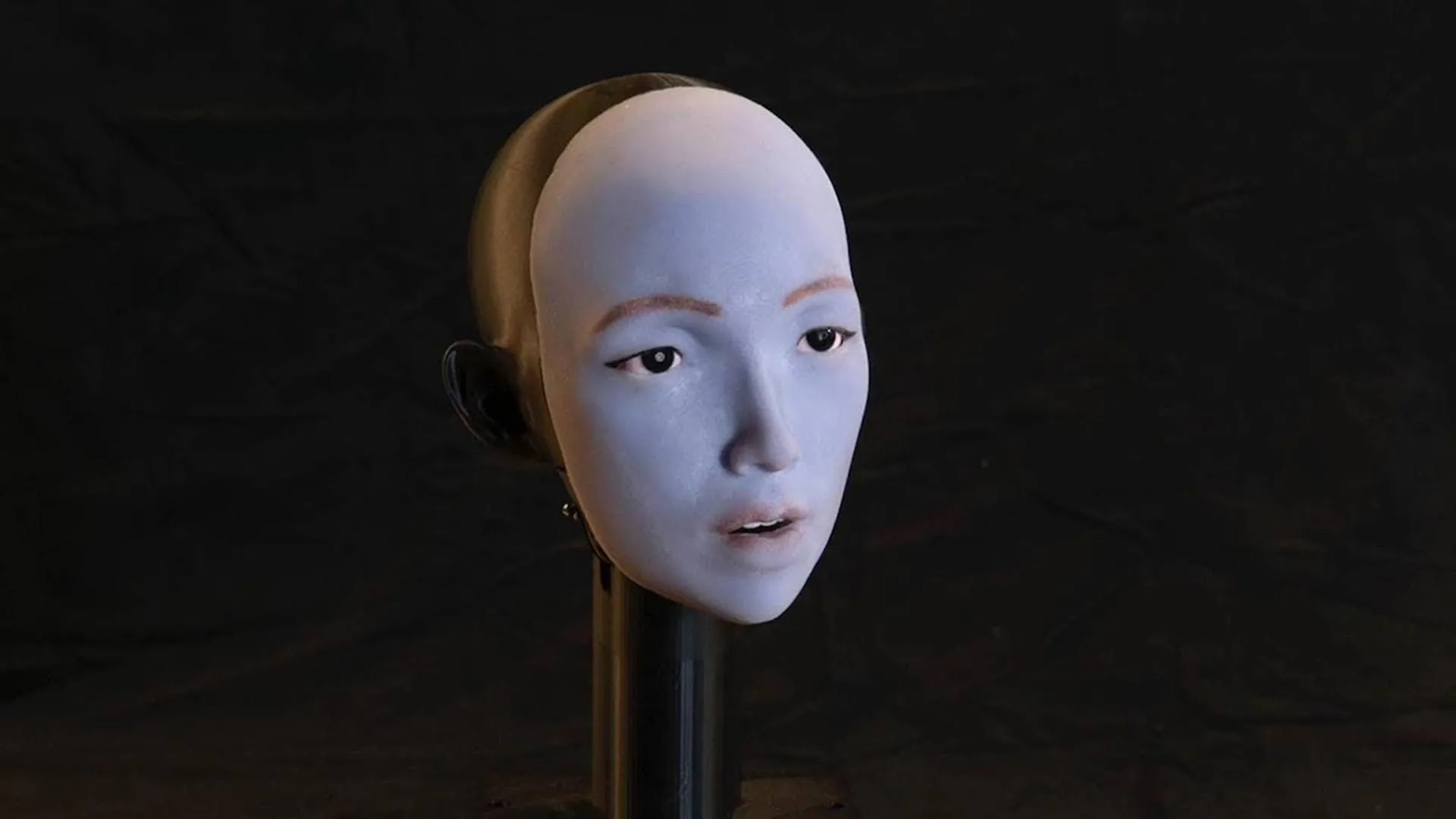
    On January 15, a team from Columbia Engineering announced a major advance in humanoid robotics. For the first time, researchers have built a robot that can learn facial lip movements for speaking and singing. Their findings, published in Science Robotics, show the robot forming words in multiple languages and even performing a song from its AI-generated debut album “hello world_.”

    Rather than relying on preset rules, the robot learned through observation. It began by discovering how to control its own face using 26 separate facial motors. To do this, it watched its reflection in a mirror, then later studied hours of human speech and singing videos on YouTube to understand how people move their lips.

    “The more it interacts with humans, the better it will get,” said Hod Lipson, James and Sally Scapa Professor of Innovation in the Department of Mechanical Engineering and director of Columbia’s Creative Machines Lab, where the research took place.

    See link to “Lip Syncing Robot” video below.

    Robot Watches Itself Talking

    Creating natural-looking lip motion in robots is especially difficult for two main reasons. First, it requires advanced hardware, including flexible facial material and many small motors that must operate quietly and in perfect coordination. Second, lip movement is closely tied to speech sounds, which change rapidly and depend on complex sequences of phonemes.

    Human faces are controlled by dozens of muscles located beneath soft skin, allowing movements to flow naturally with speech. Most humanoid robots, however, have rigid faces with limited motion. Their lip movements are typically dictated by fixed rules, which leads to mechanical, unnatural expressions that feel unsettling.

    To address these challenges, the Columbia team designed a flexible robotic face with a high number of motors and allowed the robot to learn facial control on its own. The robot was placed in front of a mirror and began experimenting with thousands of random facial expressions. Much like a child exploring their reflection, it gradually learned which motor movements produced specific facial shapes. This process relied on what researchers call a “vision-to-action” language model (VLA).

    Learning From Human Speech and Song

    After understanding how its own face worked, the robot was shown videos of people talking and singing. The AI system observed how mouth shapes changed with different sounds, allowing it to associate audio input directly with motor movement. With this combination of self-learning and human observation, the robot could convert sound into synchronized lip motion.

    The research team tested the system across multiple languages, speech styles, and musical examples. Even without understanding the meaning of the audio, the robot was able to move its lips in time with the sounds it heard.

    The researchers acknowledge that the results are not flawless. “We had particular difficulties with hard sounds like ‘B’ and with sounds involving lip puckering, such as ‘W’. But these abilities will likely improve with time and practice,” Lipson said.

    Beyond Lip Sync to Real Communication

    The researchers stress that lip synchronization is only one part of a broader goal. Their aim is to give robots richer, more natural ways to communicate with people.

    “When the lip sync ability is combined with conversational AI such as ChatGPT or Gemini, the effect adds a whole new depth to the connection the robot forms with the human,” said Yuhang Hu, who led the study as part of his PhD work. “The more the robot watches humans conversing, the better it will get at imitating the nuanced facial gestures we can emotionally connect with.”

    “The longer the context window of the conversation, the more context-sensitive these gestures will become,” Hu added.

    Facial Expression as the Missing Link

    The research team believes that emotional expression through the face represents a major gap in current robotics.

    “Much of humanoid robotics today is focused on leg and hand motion, for activities like walking and grasping,” Lipson said. “But facial affection is equally important for any robotic application involving human interaction.”

    Lipson and Hu expect realistic facial expressions to become increasingly important as humanoid robots are introduced into entertainment, education, healthcare, and elder care. Some economists estimate that more than one billion humanoid robots could be produced over the next decade.

    “There is no future where all these humanoid robots don’t have a face. And when they finally have a face, they will need to move their eyes and lips properly, or they will forever remain uncanny,” Lipson said.

    “We humans are just wired that way, and we can’t help it. We are close to crossing the uncanny valley,” Hu added.

    Risks and Responsible Progress

    This work builds on Lipson’s long-running effort to help robots form more natural connections with people by learning facial behaviors such as smiling, eye contact, and speech. He argues that these skills must be learned through observation rather than programmed through rigid instructions.

    “Something magical happens when a robot learns to smile or speak just by watching and listening to humans,” he said. “I’m a jaded roboticist, but I can’t help but smile back at a robot that spontaneously smiles at me.”

    Hu emphasized that the human face remains one of the most powerful tools for communication, and scientists are only beginning to understand how it works.

    “Robots with this ability will clearly have a much better ability to connect with humans because such a significant portion of our communication involves facial body language, and that entire channel is still untapped,” Hu said.

    The researchers also acknowledge the ethical concerns that come with creating machines that can emotionally engage with humans.

    “This will be a powerful technology. We have to go slowly and carefully, so we can reap the benefits while minimizing the risks,” Lipson said.

  • The 98% mystery: Scientists just cracked the code on “junk DNA” linked to Alzheimer’s

    The 98% mystery: Scientists just cracked the code on “junk DNA” linked to Alzheimer’s

    When people picture DNA, they often imagine a set of genes that shape our physical traits, influence behavior, and help keep our cells and organs functioning.

    But genes make up only a small slice of our genetic code. Just around 2% of DNA contains our 20,000-odd genes. The other 98% has long been labelled the non-coding genome, or so-called ‘junk’ DNA. This larger portion includes many of the control switches that determine when genes turn on and how strongly they act.

    Astrocytes and hidden DNA switches in the brain

    Researchers from UNSW Sydney have now pinpointed DNA switches that help regulate astrocytes. Astrocytes are brain cells that support neurons, and they are known to be involved in Alzheimer’s disease.

    In research published on December 18 in Nature Neuroscience, a team from UNSW’s School of Biotechnology & Biomolecular Sciences reported that they tested nearly 1000 possible switches in lab-grown human astrocytes. These switches are strings of DNA called enhancers. Enhancers can sit far from the genes they influence, sometimes separated by hundreds of thousands of DNA letters, which makes them difficult to investigate.

    Testing nearly 1000 enhancers at once

    To tackle that problem, the researchers combined CRISPRi with single-cell RNA sequencing. CRISPRi is a method that can switch off small stretches of DNA without cutting it. Single-cell RNA sequencing measures gene activity in individual cells. Together, the tools let the team examine the effects of nearly 1000 enhancers in a single large-scale test.

    “We used CRISPRi to turn off potential enhancers in the astrocytes to see whether it changed gene expression,” says lead author Dr. Nicole Green.

    “And if it did, then we knew we’d found a functional enhancer and could then figure out which gene — or genes — it controls. That’s what happened for about 150 of the potential enhancers we tested. And strikingly, a large fraction of these functional enhancers controlled genes implicated in Alzheimer’s disease.”

    Cutting the list from 1000 candidates to about 150 confirmed switches greatly reduces the search area in the non-coding genome for genetic clues linked to Alzheimer’s disease.

    “These findings suggest that similar studies in other brain cell types are needed to highlight the functional enhancers in the vast space of non-coding DNA”

    Why “in-between” DNA matters for many diseases

    Professor Irina Voineagu, who oversaw the study, says the results also provide a useful reference for interpreting other genetic research. The team’s findings create a catalogue of DNA regions that can help explain results from studies looking for disease-related genetic changes.

    “When researchers look for genetic changes that explain diseases like hypertension, diabetes and also psychiatric and neurodegenerative disorders like Alzheimer’s disease — we often end up with changes not within genes so much, but in-between,” she says.

    Her team directly tested those “in-between” stretches in human astrocytes and showed which enhancers truly control key brain genes.

    “We’re not talking about therapies yet. But you can’t develop them unless you first understand the wiring diagram. That’s what this gives us — a deeper view into the circuitry of gene control in astrocytes.”

    From gene switches to AI prediction models

    Running nearly a thousand enhancer tests in the lab took painstaking effort. The researchers say this is the first time a CRISPRi enhancer screen of this size has been carried out in brain cells. Now that the groundwork has been done, the dataset can also be used to train computer models to predict which suspected enhancers are real gene switches, potentially saving years of lab work.

    “This dataset can help computational biologists test how good their prediction models are at predicting enhancer function,” says Prof. Voineagu.

    She adds that Google’s DeepMind team is already using the dataset to benchmark their recent deep learning model called AlphaGenome.

    Potential tools for gene therapy and precision medicine

    Because many enhancers are active only in specific cell types, targeting them could offer a way to fine-tune gene expression in astrocytes without changing neurons or other brain cells.

    “While this is not close to being used in the clinic yet — and much work remains before these findings could lead to treatments — there is a clear precedent,” Prof. Voineagu says.

    “The first gene editing drug approved for a blood disease — sickle cell anemia — targets a cell-type specific enhancer.”

    Dr. Green says enhancer research could become an important part of precision medicine.

    “This is something we want to look at more deeply: finding out which enhancers we can use to turn genes on or off in a single brain cell type, and in a very controlled way,” she says.

  • AI learns to decode the diseases written in your DNA

    AI learns to decode the diseases written in your DNA

    Scientists at the Icahn School of Medicine at Mount Sinai have created a new artificial intelligence system that can do more than flag harmful genetic mutations. The tool can also forecast the types of diseases those mutations are most likely to cause.

    The approach, known as V2P (Variant to Phenotype), is intended to speed up genetic testing and support the development of new therapies for rare and complex illnesses. The research was published in the December 15 online issue of Nature Communications.

    Predicting disease from genetic variation

    Most existing genetic analysis tools are able to estimate whether a mutation is potentially damaging, but they typically stop there. They do not explain what kind of disease may result. V2P is designed to overcome this limitation by using advanced machine learning to connect genetic variants with their expected phenotypic outcomes — meaning the diseases or traits a mutation may produce. In this way, the system helps predict how a person’s DNA could affect their health.

    “Our approach allows us to pinpoint the genetic changes that are most relevant to a patient’s condition, rather than sifting through thousands of possible variants,” says first author David Stein, PhD, who recently completed his doctoral training in the labs of Yuval Itan, PhD, and Avner Schlessinger, PhD. “By determining not only whether a variant is pathogenic but also the type of disease it is likely to cause, we can improve both the speed and accuracy of genetic interpretation and diagnostics.”

    Training the AI to find the right mutation

    To build the model, the researchers trained V2P on a large dataset containing both harmful and harmless genetic variants, along with detailed disease information. This training allowed the system to learn patterns linking specific variants to health outcomes. When tested using real, de-identified patient data, V2P frequently ranked the true disease-causing mutation within the top 10 candidates, demonstrating its potential to simplify and accelerate genetic diagnosis.

    “Beyond diagnostics, V2P could help researchers and drug developers identify the genes and pathways most closely linked to specific diseases,” says Dr. Schlessinger, co-senior and co-corresponding author, Professor of Pharmacological Sciences, and Director of the AI Small Molecule Drug Discovery Center at the Icahn School of Medicine at Mount Sinai. “This can guide the development of therapies that are genetically tailored to the mechanisms of disease, particularly in rare and complex conditions.”

    Expanding precision medicine and drug discovery

    At present, V2P sorts mutations into broad disease categories, such as nervous system disorders or cancers. The research team plans to enhance the system so it can make more detailed predictions and combine its results with additional data sources to further assist drug discovery.

    The researchers say this advance marks meaningful progress toward precision medicine, where treatments are selected based on an individual’s genetic profile. By linking genetic variants to their likely disease effects, V2P could help clinicians reach diagnoses faster and help scientists uncover new targets for therapy.

    “V2P gives us a clearer window into how genetic changes translate into disease, which has important implications for both research and patient care,” says Dr. Itan, co-senior and co-corresponding author, Associate Professor of Artificial Intelligence and Human Health, and Genetics and Genomic Sciences, a core member of The Charles Bronfman Institute for Personalized Medicine, and a member of The Mindich Child Health and Development Institute at the Icahn School of Medicine at Mount Sinai. “By connecting specific variants to the types of diseases they are most likely to cause, we can better prioritize which genes and pathways warrant deeper investigation. This helps us move more efficiently from understanding the biology to identifying potential therapeutic approaches and, ultimately, tailoring interventions to an individual’s specific genomic profile.”

    The paper is titled “Expanding the utility of variant effect predictions with phenotype-specific models.”

    The study’s authors, as listed in the journal, are David Stein, Meltem Ece Kars, Baptiste Milisavljevic, Matthew Mort, Peter D. Stenson, Jean-Laurent Casanova, David N. Cooper, Bertrand Boisson, Peng Zhang, Avner Schlessinger, and Yuval Itan.

    This research was supported by National Institutes of Health (NIH) grants R24AI167802 and P01AI186771, funding from the Fondation Leducq, and the Leona M. and Harry B. Helmsley Charitable Trust grant 2209-05535. Additional support came from NIH grants R01CA277794, R01HD107528, and R01NS145483. The work also received partial support through Clinical and Translational Science Awards (CTSA) grant UL1TR004419 from the National Center for Advancing Translational Sciences, as well as support from the Office of Research Infrastructure of the NIH under award numbers S10OD026880 and S10OD030463.

  • A revolutionary DNA search engine is speeding up genetic discovery

    A revolutionary DNA search engine is speeding up genetic discovery

    Rare genetic diseases can now be detected in patients, and tumor-specific mutations identified — a milestone made possible by DNA sequencing, which transformed biomedical research decades ago. In recent years, the introduction of new sequencing technologies (next-generation sequencing) has driven a wave of breakthroughs. During 2020 and 2021, for instance, these methods enabled the rapid decoding and worldwide monitoring of the SARS-CoV-2 genome.

    At the same time, an increasing number of researchers are making their sequencing results publicly accessible. This has led to an explosion of data, stored in major databases such as the American SRA (Sequence Read Archive) and the European ENA (European Nucleotide Archive). Together, these archives now hold about 100 petabytes of information — roughly equivalent to the total amount of text found across the entire internet, with a single petabyte equaling one million gigabytes.

    Until now, biomedical scientists needed enormous computing resources to search through these vast genetic repositories and compare them with their own data, making comprehensive searches nearly impossible. Researchers at ETH Zurich have now developed a way to overcome that limitation.

    Full-text search instead of downloading entire data sets

    The team created a tool called MetaGraph, which dramatically streamlines and accelerates the process. Instead of downloading entire datasets, MetaGraph enables direct searches within the raw DNA or RNA data — much like using an internet search engine. Scientists simply enter a genetic sequence of interest into a search field and, within seconds or minutes depending on the query, can see where that sequence appears in global databases.

    “It’s a kind of Google for DNA,” explains Professor Gunnar Rätsch, a data scientist in ETH Zurich’s Department of Computer Science. Previously, researchers could only search for descriptive metadata and then had to download the full datasets to access raw sequences. That approach was slow, incomplete, and expensive.

    According to the study authors, MetaGraph is also remarkably cost-efficient. Representing all publicly available biological sequences would require only a few computer hard drives, and large queries would cost no more than about 0.74 dollars per megabase.

    Because the new DNA search engine is both fast and accurate, it could significantly accelerate research — particularly in identifying emerging pathogens or analyzing genetic factors linked to antibiotic resistance. The system may even help locate beneficial viruses that destroy harmful bacteria (bacteriophages) hidden within these massive databases.

    Compression by a factor of 300

    In their study published on October 8 in Nature, the ETH team demonstrated how MetaGraph works. The tool organizes and compresses genetic data using advanced mathematical graphs that structure information more efficiently, similar to how spreadsheet software arranges values. “Mathematically speaking, it is a huge matrix with millions of columns and trillions of rows,” Rätsch explains.

    Creating indexes to make large datasets searchable is a familiar concept in computer science, but the ETH approach stands out for how it connects raw data with metadata while achieving an extraordinary compression rate of about 300 times. This reduction works much like summarizing a book — it removes redundancies while preserving the essential narrative and relationships, retaining all relevant information in a much smaller form.

    “We are pushing the limits of what is possible in order to keep the data sets as compact as possible without losing necessary information,” says Dr. André Kahles, who, like Rätsch, is a member of the Biomedical Informatics Group at ETH Zurich. By contrast with other DNA search masks currently being researched, the ETH researchers’ approach is scalable. This means that the larger the amount of data queried, the less additional computing power the tool requires.

    Half of the data is already available now

    First introduced in 2020, MetaGraph has been steadily refined. The tool is now publicly accessible for searches (https://metagraph.ethz.ch/search) and already indexes millions of DNA, RNA, and protein sequences from viruses, bacteria, fungi, plants, animals, and humans. Currently, nearly half of all available global sequence datasets are included, with the remainder expected to follow by the end of the year. Since MetaGraph is open source, it could also attract interest from pharmaceutical companies managing large volumes of internal research data.

    Kahles even believes it is possible that the DNA search engine will one day be used by private individuals: “In the early days, even Google didn’t know exactly what a search engine was good for. If the rapid development in DNA sequencing continues, it may become commonplace to identify your balcony plants more precisely.”

  • New “evolution engine” creates super-proteins 100,000x faster

    New “evolution engine” creates super-proteins 100,000x faster

    In medicine and biotechnology, the ability to evolve proteins with new or improved functions is crucial, but current methods are often slow and laborious. Now, Scripps Research scientists have developed a synthetic biology platform that accelerates evolution itself — enabling researchers to evolve proteins with useful, new properties thousands of times faster than nature. The system, named T7-ORACLE, was described in Science on August 7, 2025, and represents a breakthrough in how researchers can engineer therapeutic proteins for cancer, neurodegeneration and essentially any other disease area.

    “This is like giving evolution a fast-forward button,” says co-senior author Pete Schultz, the President and CEO of Scripps Research, where he also holds the L.S. “Sam” Skaggs Presidential Chair. “You can now evolve proteins continuously and precisely inside cells without damaging the cell’s genome or requiring labor-intensive steps.”

    Directed evolution is a laboratory process that involves introducing mutations and selecting variants with improved function over multiple cycles. It’s used to tailor proteins with desired properties, such as highly selective, high-affinity antibodies, enzymes with new specificities or catalytic properties, or to investigate the emergence of resistance mutations in drug targets. However, traditional methods often require repeated rounds of DNA manipulation and testing with each round taking a week or more. Systems for continuous evolution — where proteins evolve inside living cells without manual intervention — aim to streamline this process by enabling simultaneous mutation and selection with each round of cell division (roughly 20 minutes for bacteria). But existing approaches have been limited by technical complexity or modest mutation rates.

    T7-ORACLE circumvents these bottlenecks by engineering E. coli bacteria — a standard model organism in molecular biology — to host a second, artificial DNA replication system derived from bacteriophage T7, a virus that infects bacteria and has been widely studied for its simple, efficient replication system. T7-ORACLE enables continuous hypermutation and accelerated evolution of biomacromolecules, and is designed to be broadly applicable to many protein targets and biological challenges. Conceptually, T7-ORACLE builds on and extends efforts on existing orthogonal replication systems — meaning they operate separately from the cell’s own machinery — such as OrthoRep in Saccharomyces cerevisiae (baker’s yeast) and EcORep in E. coli. In comparison to these systems, T7-ORACLE benefits from the combination of high mutagenesis, fast growth, high transformation efficiency, and the ease with which both the E. coli host and the circular replicon plasmid can be integrated into standard molecular biology workflows.

    The T-7 ORACLE orthogonal system targets only plasmid DNA (small, circular pieces of genetic material), leaving the cell’s host genome untouched. By engineering T7 DNA polymerase (a viral enzyme that replicates DNA) to be error-prone, the researchers introduced mutations into target genes at a rate 100,000 times higher than normal without damaging the host cells.

    “This system represents a major advance in continuous evolution,” says co-senior author Christian Diercks, an assistant professor of chemistry at Scripps Research. “Instead of one round of evolution per week, you get a round each time the cell divides — so it really accelerates the process.”

    To demonstrate the power of T7-ORACLE, the research team inserted a common antibiotic resistance gene, TEM-1 β-lactamase, into the system and exposed the E. coli cells to escalating doses of various antibiotics. In less than a week, the system evolved versions of the enzyme that could resist antibiotic levels up to 5,000 times higher than the original. This proof-of-concept demonstrated not only T7-ORACLE’s speed and precision, but also its real-world relevance by replicating how resistance develops in response to antibiotics.

    “The surprising part was how closely the mutations we saw matched real-world resistance mutations found in clinical settings,” notes Diercks. “In some cases, we saw new combinations that worked even better than those you would see in a clinic.”

    But Diercks emphasizes that the study isn’t focused on antibiotic resistance per se.

    “This isn’t a paper about TEM-1 β-lactamase,” he explains. “That gene was just a well-characterized benchmark to show how the system works. What matters is that we can now evolve virtually any protein, like cancer drug targets and therapeutic enzymes, in days instead of months.”

    The broader potential of T7-ORACLE lies in its adaptability as a platform for protein engineering. Although the system is built into E. coli, the bacterium serves primarily as a vessel for continuous evolution. Scientists can insert genes from humans, viruses or other sources into plasmids, which are then introduced into E. coli cells. T7-ORACLE mutates these genes, generating variant proteins that can be screened or selected for improved function. Because E. coli is easy to grow and widely used in labs, it provides a convenient, scalable system for evolving virtually any protein of interest.

    This could help scientists more rapidly evolve antibodies to target specific cancers, evolve more effective therapeutic enzymes, and design proteases that target proteins involved in cancer and neurodegenerative disease.

    “What’s exciting is that it’s not limited to one disease or one kind of protein,” says Diercks. “Because the system is customizable, you can drop in any gene and evolve it toward whatever function you need.”

    Moreover, T7-ORACLE works with standard E. coli cultures and widely used lab workflows, avoiding the complex protocols required by other continuous evolution systems.

    “The main thing that sets this apart is how easy it is to implement,” adds Diercks. “There’s no specialized equipment or expertise required. If you already work with E. coli, you can probably use this system with minimal adjustments.”

    T7-ORACLE reflects Schultz’s broader goal: to rebuild key biological processes — such as DNA replication, RNA transcription and protein translation — so they function independently of the host cell. This separation allows scientists to reprogram these processes without disrupting normal cellular activity. By decoupling fundamental processes from the genome, tools like T7-ORACLE help advance synthetic biology.

    “In the future, we’re interested in using this system to evolve polymerases that can replicate entirely unnatural nucleic acids: synthetic molecules that resemble DNA and RNA but with novel chemical properties,” says Diercks. “That would open up possibilities in synthetic genomics that we’re just beginning to explore.”

    Currently, the research team is focused on evolving human-derived enzymes for therapeutic use, and on tailoring proteases to recognize specific cancer-related protein sequences.

    “The T7-ORACLE approach merges the best of both worlds,” says Schultz. “We can now combine rational protein design with continuous evolution to discover functional molecules more efficiently than ever.”

    In addition to Diercks and Schultz, authors of the study, “An orthogonal T7 replisome for continuous hypermutation and accelerated evolution in E. coli,” are Philipp Sondermann, Cynthia Rong, Thomas G. Gillis, Yahui Ban, Celine Wang and David A. Dik of Scripps Research.

    This work was supported by funding from the National Institutes of Health (grant RGM145323A).

  • ‘Fast-fail’ AI blood test could steer patients with pancreatic cancer away from ineffective therapies

    ‘Fast-fail’ AI blood test could steer patients with pancreatic cancer away from ineffective therapies

    An artificial intelligence technique for detecting DNA fragments shed by tumors and circulating in a patient’s blood, developed by Johns Hopkins Kimmel Cancer Center investigators, could help clinicians more quickly identify and determine if pancreatic cancer therapies are working.

    After testing the method, called ARTEMIS-DELFI, in blood samples from patients participating in two large clinical trials of pancreatic cancer treatments, researchers found that it could be used to identify therapeutic responses. ARTEMIS-DELFI and another method developed by investigators, called WGMAF, to study mutations were found to be better predictors of outcome than imaging or other existing clinical and molecular markers two months after treatment initiation. However, ARTEMIS-DELFI was determined to be the superior test as it was simpler and potentially more broadly applicable.

    A description of the work was published May 21 in Science Advances. It was partly supported by grants from the National Institutes of Health.

    Time is of the essence when treating patients with pancreatic cancer, explains senior study author Victor E. Velculescu, M.D., Ph.D., co-director of the cancer genetics and epigenetics program at the cancer center. Many patients with pancreatic cancer receive a diagnosis at a late stage, when cancer may progress rapidly.

    “Providing patients with more potential treatment options is especially vital as a growing number of experimental therapies for pancreatic cancer have become available,” Velculescu says. “We want to know as quickly as we can if the therapy is helping the patient or not. If it is not working, we want to be able to switch to another therapy.”

    Currently, clinicians use imaging tools to monitor cancer treatment response and tumor progression. However, these tools produce results that may not be timely and are less accurate for patients receiving immunotherapies, which can make the results more complicated to interpret. In the study, Velculescu and his colleagues tested two alternate approaches to monitoring treatment response in patients participating in the phase 2 CheckPAC trial of immunotherapy for pancreatic cancer.

    One approach, called WGMAF (tumor-informed plasma whole-genome sequencing), analyzed DNA from tumor biopsies as well as cell-free DNA in blood samples to detect a treatment response. The other, called ARTEMIS-DELFI (tumor-independent genome-wide cfDNA fragmentation profiles and repeat landscapes), used machine learning, a form of artificial intelligence, to scan millions of cell-free DNA fragments only in the patient’s blood samples. Both approaches were able to detect which patients were benefiting from the therapies. However, not all patients had tumor samples, and many patients’ tumor samples had only a small fraction of cancer cells compared to the overall tissue, which also contained normal pancreatic and other cells, thereby confounding the WGMAF test.

    The ARTEMIS-DELFI approach worked with more patients and was simpler logistically, Velculescu says. The team then validated that ARTEMIS-DELFI was an effective treatment response monitoring tool in a second clinical trial called the PACTO trial. The study confirmed that ARTEMIS-DELFI could identify which patients were responding as soon as four weeks after therapy started.

    “The ‘fast-fail’ ARTEMIS-DELFI approach may be particularly useful in pancreatic cancer where changing therapies quickly could be helpful in patients who do not respond to the initial therapy,” says lead study author Carolyn Hruban, who was a graduate student at Johns Hopkins during the study and is now a postdoctoral researcher at the Dana-Farber Cancer Institute. “It’s simpler, likely less expensive, and more broadly applicable than using tumor samples.”

    The next step for the team will be prospective studies that test whether the information provided by ARTEMIS-DELFI helps clinicians more efficiently find an effective therapy and improve patient outcomes. A similar approach could also be used to monitor other cancers. Earlier this year, members of the team published a study in Nature Communications showing that a variation of the cell-free fragmentation monitoring approach called DELFI-TF was helpful in assessing colon cancer therapy response.

    “Our cell-free DNA fragmentation analyses provide a real-time assessment of a patient’s therapy response that can be used to personalize care and improve patient outcomes,” Velculescu says.

    Other co-authors include Daniel C. Bruhm, Shashikant Koul, Akshaya V. Annapragada, Nicholas A. Vulpescu, Sarah Short, Kavya Boyapati, Alessandro Leal, Stephen Cristiano, Vilmos Adleff, Robert B. Scharpf, Zachariah H. Foda, and Jillian Phallen of Johns Hopkins; Inna M. Chen, Susann Theile, and Julia S. Johannsen of Copenhagen University Hospital Herlev and Gentofte, and the University of Copenhagen; and Bahar Alipanahi and Zachary L. Skidmore of Delfi Diagnostics.

    The study was supported by the Dr. Miriam and Sheldon G. Adelson Medical Research Foundation, SU2C Lung Cancer Interception Dream Team Grant; Stand Up to Cancer-Dutch Cancer Society International Translational Cancer Research Dream Team Grant, the Gray Foundation, the Honorable Tina Brozman Foundation, the Commonwealth Foundation, the Cole Foundation, a research grant from Delfi Diagnostics and National Institutes of Health grants CA121113,1T32GM136577, CA006973, CA233259, CA062924 and CA271896.

    Annapragada, Scharpf, and Velculescu are inventors on a patent submitted by Johns Hopkins University for genome-wide repeat and cell-free DNA in cancer (US patent application number 63/532,642). Annapragada, Bruhm, Adleff, Foda, Phallen and Scharpf are inventors on patent applications submitted by the university on related technology and licensed to Delfi Diagnostics. Phallen, Adleff, and Scharpf are founders of Delfi Diagnostics. Adleff and Scharpf are consultants for the company and Skidmore and Alipanahi are employees of the company. Velculescu is a founder of Delfi Diagnostics, member of its Board of Directors, and owns stock in the company. Johns Hopkins University owns equity in the company as well. Velculescu is an inventor on patent applications submitted by The Johns Hopkins University related to cancer genomic analyses and cell-free DNA that have been licensed to one or more entities, including Delfi Diagnostics, LabCorp, Qiagen, Sysmex, Agios, Genzyme, Esoterix, Ventana and ManaT Bio that result in royalties to the inventors and the University. These relationships are managed by Johns Hopkins in accordance with its conflict-of-interest policies.

  • AI-designed DNA controls genes in healthy mammalian cells for first time

    AI-designed DNA controls genes in healthy mammalian cells for first time

    A study published today in the journal Cell marks the first reported instance of generative AI designing synthetic molecules that can successfully control gene expression in healthy mammalian cells. Researchers at the Centre for Genomic Regulation (CRG) created an AI tool which dreams up DNA regulatory sequences not seen before in nature. The model can be told to create synthetic fragments of DNA with custom criteria, for example: ‘switch this gene on in stem cells which will turn into red-blood-cells but not platelets.’

    The model then predicts which combination of DNA letters (A, T, C, G) are needed for the gene expression patterns required in specific types of cells. Researchers can then chemically synthesise the roughly 250-letter DNA fragments and add them to a virus for delivery into cells.

    As a proof-of-concept, the authors of the study asked the AI to design synthetic fragments which activate a gene coding for a fluorescent protein in some cells while leaving gene expression patterns unaltered. They created the fragments from scratch and dropped them into mouse blood cells, where the sequence fused with the genome at random locations. The experiments worked exactly as predicted.

    “The potential applications are vast. It’s like writing software but for biology, giving us new ways of giving instructions to a cell and guiding how they develop and behave with unprecedented accuracy,” says Dr. Robert Frömel, first author of the study who carried out the work at the Centre for Genomic Regulation (CRG) in Barcelona.

    The study could lead to new ways for gene-therapy developers to boost or dampen the activity of genes only in the cells or tissues that need adjusting. It also paves the way for new strategies to fine-tune a patient’s genes and make treatments more effective and reduce side effects.

    The work marks an important milestone in in the field of generative biology. To date, advances in the field have largely benefited protein design, helping scientists create entirely new enzymes and antibodies faster than ever before. However, many human diseases stem from faulty gene expression that is cell-type specific, for which there might never be a perfect protein drug candidate.

    Gene expression is controlled by regulatory elements like enhancers, tiny fragments of DNA which switch genes on or off. To fix faulty gene expression, researchers can comb through genomes looking for naturally-existing enhancers that happen to suit their needs, limiting themselves to the sequences evolution has produced.

    AI-generated enhancers can help engineer ultra-selective switches that nature has not yet invented. They can be designed to have exactly the on/off patterns required in specific types of cells, a level of fine-tuning which is crucial for creating therapies that avoid unintended effects in healthy cells.

    However, the development of AI models requires lots of high-quality data, which has been historically lacking for enhancers. “To create a language model for biology, you have to understand the language cells speak. We set out to decipher these grammar rules for enhancers so that we can create entirely new words and sentences,” explains Dr. Lars Velten, corresponding author of the study and researcher at the Centre for Genomic Regulation (CRG).

    The authors of the study created huge volumes of biological data to build their AI model by carrying out thousands of experiments with lab models of blood formation. They studied both enhancers and transcription factors, proteins also involved in controlling gene expression.

    Until now, scientists studying enhancers and transcription factors typically used cancer cell lines because they are easier to work with. The researchers worked with healthy cells instead because it’s more representative of human biology. Their work helped uncover subtle mechanisms that shape our immune system and blood cell production.

    Over five years, the team synthesised more than 64,000 synthetic enhancers, each carefully designed to test different arrangements and strengths of binding sites for 38 different transcription factors. It’s the largest library of synthetic enhancers ever built in blood cells to date.

    Once inserted into the cells, the team tracked exactly how active each synthetic enhancer became across seven stages of blood-cell development. They discovered that while many enhancers activate genes in one type of cell, they repress genes in another.

    Most enhancers worked like a volume dial, turning gene activity up or down. Surprisingly, certain combinations acted like on/off switches. The scientists call this “negative synergy,” meaning two factors that usually turn a gene on individually could effectively shut that gene down when they occur together.

    The data from the experiments was crucial in setting out the design principles of the machine learning model. Once the model had enough measurements of how each synthetic enhancer changed gene activity in real cells, it could predict new designs that yield on/off outcomes, even if these enhancers had never existed in nature.

    The study was designed to determine if a technology can work in practice before committing to larger-scale research. The researchers have only scratched the surface. Both humans and mice have an estimated 1,600 transcription factors regulating their genomes.

    The work was carried out by Lars Velten, Robert Frömel, Julia Rühle, Aina Bernal Martínez, Chelsea Szu-Tu and Felix Pacheco Pastor, all members of Lars Velten’s research group at the Centre for Genomic Regulation. Rosa Martinez Corral from the Barcelona Collaboratorium, a joint initiative between the CRG and EMBL-Barcelona, also took part. The research was funded by an ERC Starting Grant from the European Union and a grant of the Spanish National Agency for Research.