Category: Research and Discovery

  • FDA must ensure American patients can access new and experimental drugs

    FDA must ensure American patients can access new and experimental drugs

    As clinical research increasingly shifts to China, not only does the U.S. stand to lose its lead in biotech, but patients will have fewer options for experimental treatments. To reverse this shift and keep clinical research for innovative medicines in America, the FDA needs to step it up.

    This summer, the regulator acknowledged the problem and launched efforts to accelerate first-in-human trials as part of the Department of Health and Human Services’ broader Operation TrialBlazer Initiative. But there is much more the FDA can do to incentivize drug development on U.S. soil.

    As a physician-scientist who has led clinical trials and moved programs through development, I have seen how added procedural layers can stretch timelines for patients who measure progress in months. Rare disease and cancer programs already face small patient pools, limited natural history data and difficult ethical questions around trial design. Extra delays do more than just slow a filing. They push the first patients into studies overseas, where U.S. clinicians cannot easily enroll and where the protocol is often not under FDA oversight.

    Patients in these situations care first about getting into a trial while the product is still experimental. When Phase 1 and early proof-of-concept work leave the U.S. for China or Australia, American patients lose the slot and the U.S. loses the first approval if the therapies prove successful. Streamlining the U.S. process for first-in-human studies would serve both access and participation.

    U.S. biopharma is already dependent on China and that dependence cannot be unwound on a crisis timetable.

    The current period of leadership transition at the FDA creates an opening for these adjustments. Congress has already shown interest in the larger question of competitiveness, not only in walling off Chinese suppliers. The National Security Commission on Emerging Biotechnology told lawmakers in April 2025 that the United States has a short window to “make America innovate faster, and slow China down.”

    By mid-2026, more than 30 of its recommendations had drawn bipartisan action, including the National Biotechnology Initiative Act, which would create a White House coordination office and simpler pathways to market, and the Senate-passed FDA Modernization Act 3.0, which would lock non-clinical testing reforms into regulation.

    House appropriators, in the same FY2027 FDA report that floated a ban on China-generated data to support an investigational new drug (IND) application, also directed the agency to slim IND requirements and study an Australia-style notification pilot so early trials would not keep leaving the country. Separately, FDA’s proposed PDUFA VIII package would cut the new-drug application fee by half—on the order of $2.3 million at current rates—for products that include a U.S.-anchored Phase 1 trial started after October 1, 2027.

    The FDA’s proposal to offer 50% off application fees for drugs with early-stage trials conducted in the U.S. is unlikely to achieve the intended result. What biotechs really want is speed.

    September 10, 2026

     · 

    5 min read

     · 

    TrialBlazer made the same case from inside the executive branch: cut six to 12 months off the timeline to launching first-in-human studies so American patients and firms, not just Chinese sites, capture early development.

    The agency can answer that call with focused reforms that tackle documented problems such as inspection gaps, opaque foreign trial data and single-source manufacturing. But we must steer clear of broader restrictions that carry their own costs. U.S. biopharma is already dependent on China—and not just for clinical trials—and that dependence cannot be unwound on a crisis timetable.

    Congress recognized this reality by building a multiyear wind-down into the BIOSECURE Act. Nearly 80% of U.S. biopharma companies now contract with China-based or China-owned manufacturers, and WuXi Biologics is involved in nearly half of U.S. clients’ development programs. A sudden cutoff of Chinese supply could therefore leave patients exposed for years.

    That is the patient cost of a sweeping bar. The molecule is not kept out of American pharmacies; it is rerouted, and U.S. patients wait. The business cost sits on top of that delay.

    Moreover, because innovative drugs will inevitably reach the U.S. market, the world’s largest, there’s a massive economic loss that comes along with sweeping bans on Chinese collaboration. Among innovative-drug programs, GlobalData puts China’s share at about 30% in 2025, up from 4% in 2015. Cross-border licensing involving Chinese assets ran to roughly $136 billion in potential value in 2025. AstraZeneca has pledged up to $15 billion in China through 2030.

    If the U.S. government makes those assets off limits, we’re giving Europe a leg up. The product still reaches U.S. patients; the value simply lands in Cambridge, U.K., instead of Cambridge, Massachusetts. That is a competitiveness loss masquerading as a security win.

    As Chinese companies push beyond “me-too” drugs and the country lays out a new five-year plan targeting a $522 billion–strong biotech industry by 2030, experts say more predictable funding and regulation could help the U.S. maintain its edge.

    September 23, 2026

     · 

    8 min read

     · 

    The right way to bring clinical trials home

    China now runs more clinical trials than the United States by several standard counts, and the shift happened quickly. China had under 8% of global registered trials in 2010 but had overtaken the U.S. in annual registrations by 2020.

    The reason for this is clear—conducting clinical trials in China is quicker and more cost effective. Early-stage work is where the speed gap is widest. PhRMA and GlobalData put Phase 1 studies in China at roughly 50% faster and 30 to 40% cheaper than in the United States—on the order of seven months saved on a typical first-in-human study.

    U.S. sponsors are increasingly treating China’s speed as a tradeoff, using its capacity while limiting what crosses the border. The DOJ’s April 2025 bulk-data rule restricts transfers of Americans’ genomic and other sensitive data to China, while the FDA in June 2025 stopped clearing trials that send U.S. patients’ living cells to China for genetic engineering. Companies are also rewriting contracts to ensure Chinese CROs and CDMOs do not control the only copies of cell banks, processes, or trial databases. The goal is straightforward: capture China’s speed without surrendering U.S. genomes, trade secrets, or manufacturing know-how.

    Among changes I’d like to see at the FDA is a continued reduction of the burden of toxicology and manufacturing testing to enter human trials. Sponsors currently face heavy documentation before the first U.S. patient is dosed. These steps add time and cost that often push initial studies overseas.

    A notification-based model for selected first-in-human studies, along the lines Australia already uses, would let programs begin sooner while leaving full safety review in place for later phases. That change would align with what the agency has recently said: that it will scrutinize foreign Phase 1 and early-feasibility data it cannot inspect. If those foreign starts get harder to use in a U.S. filing, sponsors need a lawful, faster door at home. Otherwise, the same work simply moves to Europe.

    The FDA’s new investigational new drug pilot program—one part of HHS’s broader clinical trial modernization initiatives—has lofty goals to expedite first-in-human trials of novel drugs, but experts say it won’t tip the scales much on its own.

    August 3, 2026

     · 

    9 min read

     · 

    Later-stage work should carry similar incentives. Sponsors that conduct their main Phase 2 and Phase 3 studies in the U.S. and plan domestic manufacturing for trials and commercial supply deserve priority in the review queue. That work creates American jobs in clinical operations, data, regulatory affairs, and manufacturing. It also produces evidence in U.S. patients and builds operational experience with cell and gene therapies. Steering review resources toward these programs rewards the domestic investment the country needs.

    Intellectual property protection requires a matching tool at the approval desk. Federal prosecutors have already shown what “misappropriated U.S. intellectual property” looks like in this industry. In one case, GSK scientists took internal anticancer research—including work on a HER3 antibody—to a Nanjing company that tried to sell the package as its own. In another, the International Trade Commission (ITC) found that trade secrets underlying a metabolic candidate from Viking Therapeutics and China-based Ascletis Pharma had been taken and that the respondents planned a U.S. filing.

    Courts and the ITC can punish that conduct, but the FDA still lacks a clean way to refuse or withdraw an application when the product itself rests on that theft. Giving the agency straightforward authority to block or pull approval in those documented cases would target misuse without policing ordinary cross-border licensing or legitimate collaboration.

    America retains strong advantages in basic research, risk capital and the ability to complete the full path from discovery to approval. It can keep that position by reducing the delays that send clinical work offshore and by creating clearer advantages for companies that choose to test and manufacture domestically.

    Patients gain when new treatments reach them on shorter timelines and when more trials are available to give them access to experimental medicines. The broader economy gains when high-value development work stays inside the country. The innovation system gains when sponsors see sustained reasons to build and test in the United States rather than defaulting to faster options abroad.

    Patients are waiting. The science continues to advance. Practical changes to how the FDA manages development can help both keep moving forward.

  • Fresenius Kabi manufacturing plant hit with FDA warning letter after adverse events

    Fresenius Kabi manufacturing plant hit with FDA warning letter after adverse events

    The FDA has accused Fresenius Kabi of failing to sufficiently investigate a critical manufacturing deviation linked to reports of adverse events.

    FDA inspectors spent three weeks at Fresenius Kabi’s manufacturing facility in Melrose Park, Illinois, earlier this year. The investigators found fault with Fresenius Kabi’s response to reports of adverse events in patients injected with famotidine, an H2 blocker used to treat heartburn and stomach ulcers, the FDA explained in a warning letter published Tuesday.

    The reports included apparent pyrogenic reactions, a medical term for fever. Pyrogen contamination to injectable drug products can lead to significant adverse events such as fever, hypotension, inflammatory reactions, anaphylactic shock or death, the FDA told Fresenius Kabi.

    The company’s famotidine injection manufacturing surpassed multiple bioburden action limits, the FDA said. The agency found Fresenius Kabi “failed to sufficiently investigate this critical deviation and permitted batch release following passing finished drug product test results.” Subsequent testing in response to the adverse events revealed an endotoxin failure and triggered a recall of three famotidine batches.

    No patient safety concerns have been identified, a Fresenius Kabi spokesperson told BioSpace via email. The spokesperson said the facility “remains operational, and at this time we do not anticipate significant disruptions to the supply of products currently on the market,” adding that the company “is taking the necessary actions to address [the FDA’s observations] thoroughly and responsibly.”

    The FDA deemed Fresenius Kabi’s initial response inadequate. Replying in March to the FDA’s Form 483, the company acknowledged that bioburden samples showed Gram-negative confluent growth, indicating that a lawn of bacteria covered the surface of the test medium. Fresenius Kabi did not consider the excessive bioburden, meaning the number of bacteria, an elevated endotoxin risk, the FDA said. Endotoxins are parts of bacteria that can activate the immune system, causing adverse events.

    While Fresenius Kabi vowed to enhance endotoxin sampling and testing, the FDA called out the company for failing to commit to a comprehensive review of its complaint system to increase vigilance. The FDA wants Fresenius Kabi to maintain ongoing, robust upstream control, adding that “any batch testing that reveals atypical bioburden levels is a signal that necessitates prompt attention.”

    The FDA also criticized Fresenius Kabi’s handling of media fill failures and the discovery of hair in drug products. Fresenius Kabi determined that operators’ deficient aseptic techniques could have contributed to media fill failures. The company’s investigations “did not consider how the poor aseptic practices went undetected by your firm’s aseptic observer program during commercial operations,” the FDA said.

    FDA inspectors found evidence that the compounding pharmacy was making versions of Eli Lilly’s tirzepatide and Novo’s semaglutide “regularly or in inordinate amounts” at a site with “insanitary conditions.”

    September 24, 2026

     · 

    2 min read

     · 

    Starting in May 2022, Fresenius Kabi documented at least nine cases of extrinsic contamination during its visible particulate inspection. The FDA named hair as an example of an extrinsic contaminant.

    “This contamination was described as free-floating and in direct contact with the drug product,” the FDA said. “Drug products contaminated with hair can have microbial contamination and are generally considered adulterated. You did not initiate timely investigations in response to this contamination.”

    The FDA, which sent the warning letter on Sept. 22, gave Fresenius Kabi 15 business days to respond. Remediations are underway at the site, the spokesperson said.

  • US government launches AI-driven programs to overhaul clinical trials

    US government launches AI-driven programs to overhaul clinical trials

    Agentic twins. Phaseless design engine. Fewer trial participants. All these are part of the U.S. government’s new efforts to secure global leadership in clinical research.

    Unveiled by the Advanced Research Projects Agency for Health (ARPA-H), the initiative is designed to speed up clinical trials and slash patient burden, according to a Wednesday release from the U.S. Department of Health and Human Services (HHS).

    The new program will be known as Simulation-augmented, Real-time Platform Adaptive Seamless Trials, or SURPASS. The initiative will incorporate advanced computational models, real-time analysis and automation “to evaluate drugs and biologics faster, at lower cost, and with fewer participants,” according to the government release. “By enabling more efficient designs, the program will allow more patients to participate in trials that are more likely to benefit them.”

    The effort comes the same week that President Donald Trump signed an executive order to establish an AI-powered chatbot to streamline user experience across government services.

    The new ARPA-H program will focus on three key areas, the first of which is building “a phaseless design engine for faster trials with fewer patients” by integrating digital twins and other predictive models into trial design and simulating outcomes before launch.

    Newly permanent CBER and CDER directors Karim Mikhail and Michael Davis are widely expected to continue the FDA’s efforts toward an adaptive framework for rare disease therapies. If approved by the Senate, will commissioner nominee Heidi Overton stay the course?

    September 21, 2026

     · 

    6 min read

     · 

    SURPASS will also develop “a continuous inference engine for faster decisions . . . reducing the need for large conventional control groups while maintaining rigorous evidence generation.”

    Lastly, SURPASS is to “create an agentic operations layer” that will automate trial startup and operational activities, supporting onboarding for new treatment arms and speeding up data collection and cleaning.

    “Today’s clinical trial system often requires too many stops, too much duplicated infrastructure, and too much time before researchers can understand whether a trial is on the right track,” SURPASS program manager Daria Fedyukina said in a prepared statement. “SURPASS is developing the technology and biostatistical frameworks needed to analyze trial data as it accumulates, allowing teams [to] learn in real time, adapt when needed, and generate stronger evidence faster with less operational burden.”

    Beyond SURPASS, ARPA-H has also announced three other complementary projects aimed at removing barriers to clinical development.

    The FDA has so far secured 600 new hires and is looking for 1,600 more as interim leadership at the agency aims to rebuild the workforce and morale after more than a year of intense attrition.

    June 24, 2026

     · 

    3 min read

     · 

    One project, dubbed STACK, will use AI to “accelerate clinical site activation and convert research-naïve sites into clinical trial sites capable of running studies.” The goal is to improve patient accessibility to these studies.

    Meanwhile, COMMONS will create a national consent architecture to enable data access across the U.S. clinical trial ecosystem.

    Then there’s CINCH, which is focused on “patient empowerment and care navigation” by helping patients contribute their own real-world data.

    “America should lead the world in turning medical breakthroughs into treatments for patients,” said HHS Secretary Robert F. Kennedy Jr. “HHS is taking on the delays, duplication, and unnecessary costs that slow clinical trials down.”

    Launched by the Biden administration in 2022, ARPA-H initially secured $1 billion from Congress to bankroll high-potential, high-impact biomedical research. In February 2025, inaugural ARPA-H leader Renee Wegrzyn was let go by the Trump administration, according to Fierce Biotech. In October, Evernow CEO Alicia Jackson was tapped to lead the unit.

    The latest ARPA-H efforts come as the U.S. “risks losing clinical trial leadership and the economic activity that comes with it,” according to the Wednesday release.

    Industry concerns have grown louder over the past few years about other countries’ increasing prowess in biotech—particularly China. Six years ago, the Asian country surpassed the U.S. in terms of the number of clinical trials, with the U.S. also falling behind in R&D funding and translational science since then.

    “China’s approach has been to steal, scale and strangle American competitors in this space,” Caitlin Frazer, executive director of the National Security Commission on Emerging Biotechnology (NSCEB), told BioSpace in August. “We have to start thinking about what it means if we so erode our innovation base here in the U.S. that we are dependent on a potential adversary for life-sustaining medications.”

    As Chinese companies push beyond “me-too” drugs and the country lays out a new five-year plan targeting a $522 billion–strong biotech industry by 2030, experts say more predictable funding and regulation could help the U.S. maintain its edge.

    September 23, 2026

     · 

    8 min read

     · 

    The new ARPA-H rollout follows the HHS-wide Operation TrialBlazer Initiative, which included an FDA pilot program intended to reduce the time and burden to move assets into first-in-human studies. That program opened for applications last month and will remain open until Oct. 30.

    These initiatives come after the FDA downsized by more than 3,000 staffers last year, many of which were layoffs or incentivized early retirements. This year, the agency has said it wants to hire some 2,200 staffers, including some of the recently departed employees.

    The federal agency has undergone massive changes under Trump’s second administration, ranging from leadership shake-ups to widespread cuts. In the summer of last year, the agency rolled out Elsa, an AI tool designed to boost efficiency. At the time, many experts called for the FDA to provide more details about how the model works and what benchmarks, if any, the agency has for evaluating its output.

    The FDA’s clunky launch of Elsa, an AI tool to increase efficiency, has sparked concern from agency employees and outside experts.

    June 30, 2025

     · 

    6 min read

     · 

  • 1 in 13 adults under 30 already had hidden artery plaque

    1 in 13 adults under 30 already had hidden artery plaque

    Atherosclerosis, the gradual buildup of plaque inside arteries that drives most cardiovascular disease, can begin many years before a person notices any symptoms. Now, a large international study suggests that this hidden disease is already present in some young adults who otherwise appear healthy, and that it is considerably more widespread than previously recognized.

    The research was led by Professor Henning Bundgaard, Professor of Cardiology at Rigshospitalet in Copenhagen, Denmark, and Dr. Borja Ibáñez, Scientific Director of the Centro Nacional de Investigaciones Cardiovasculares Carlos III, CNIC, cardiologist at Hospital Universitario Fundación Jiménez Díaz and a group leader at CIBERCV.

    Among more than 16,000 participants with no symptoms or previous cardiovascular disease diagnosis, researchers detected atherosclerotic plaques in 57.1%. The findings were presented in a Hot Line session at ESC Congress 2026 and published at the same time in The New England Journal of Medicine.

    Mapping Hidden Atherosclerosis Across Adult Life

    The findings come from the first phase of REACT, one of the largest efforts yet to examine how silent atherosclerosis develops throughout adulthood. The international project is funded by the Novo Nordisk Foundation and carried out through a collaboration involving Rigshospitalet, other Danish hospitals and CNIC in Spain.

    Professor Bundgaard explains that “the vision of REACT is to transform primary cardiovascular prevention through a precision medicine approach based on the early identification of atherosclerosis.”

    The Novo Nordisk Foundation awarded up to EUR 23 million to support the initiative’s first phase.

    Atherosclerosis is the primary underlying cause of cardiovascular disease, which can eventually appear as a heart attack, stroke or sudden death. Having arterial plaque does not mean that a person will inevitably develop symptomatic disease. However, cardiovascular disease kills nearly 20 million people around the world each year, with atherosclerosis responsible for most of those deaths.

    One of the challenges is that the disease can develop quietly for decades. Plaque may continue accumulating inside the arteries without producing any obvious warning signs.

    Looking for Disease Instead of Estimating Risk

    Professor Ibáñez stated that “the REACT study is based on a simple but revolutionary idea: moving from the current model, which estimates the probability of cardiovascular disease on the basis of traditional risk factors such as blood pressure, cholesterol and smoking, towards a new paradigm in which the disease is detected directly through imaging before it causes symptoms. In this model, preventive interventions and the treatment of risk factors could be guided by the actual presence of silent atherosclerosis rather than relying solely on an indirect estimate of risk. The first step in this ambitious endeavour was to determine the actual prevalence of silent atherosclerosis in all three major vascular territories and across the entire adult lifespan, something that we are reporting now.”

    In other words, rather than relying only on factors such as cholesterol, smoking and blood pressure to calculate someone’s future cardiovascular risk, the researchers want to determine whether plaque is already present.

    REACT is expected to span eight years and two phases. Phase 1 (REACT-DETECT) began in 2024 and, if funding is granted, Phase 2 (REACT-PROTECT) is planned to run from 2027 through 2032.

    The current results come from Phase 1, which researchers say provides the most comprehensive picture yet of where silent atherosclerosis appears in the body, how common it is at different ages, and how its prevalence differs between women and men.

    Atherosclerosis Is Already Present in Young Adults

    For the first phase, researchers enrolled 16,808 people ages 18 to 70 in Denmark and Spain. None had a known history of atherosclerotic cardiovascular disease.

    Every participant underwent advanced imaging designed to identify plaque in three major areas: the carotid arteries in the neck, the femoral arteries in the legs and the coronary arteries supplying the heart.

    The researchers also examined cardiovascular risk factors and blood biomarkers, collected samples for omics studies and analyzed retinal images. Together, these measurements created one of the most extensive databases on atherosclerosis assembled to date.

    The scans showed that atherosclerosis can appear surprisingly early in adulthood. About 1 in 13 participants ages 18 to 29 had signs of the disease in at least one artery.

    The prevalence then climbed steadily with age. Among participants ages 60 to 70, about 9 in 10 had atherosclerosis.

    Ultrasound Could Offer a Simpler Way to Screen

    Another important pattern emerged from the imaging. Most participants who had atherosclerosis in their coronary arteries also showed plaque in the carotid or femoral arteries.

    That overlap could have significant implications for future screening. Imaging the carotid and femoral arteries with ultrasound is easier, quicker and noninvasive compared with performing CT scans to examine the coronary arteries.

    “In the paradigm we propose, portable ultrasound devices usable by any healthcare professional will become the standard tool for atherosclerosis screening from the early stages of adult life,” Dr. Ibáñez said.

    Men and Women Show Different Patterns

    The study also identified notable differences in how atherosclerosis appeared across the lifespan in men and women.

    Among men, prevalence began increasing at younger ages. Their overall pattern of atherosclerosis appeared about five to ten years ahead of the pattern seen in women.

    Women showed their sharpest rise between ages 40 and 60, a period that broadly overlaps with the menopausal transition.

    The researchers say these differences underscore the need to investigate cardiovascular prevention strategies that account for both sex and stage of life.

    Traditional Risk Scores Miss Many Existing Cases

    One of the study’s most consequential findings involved conventional cardiovascular risk assessment.

    Current methods, including risk scores such as SCORE2, identified only a small proportion of people who already had silent atherosclerosis. That suggests a person can appear to have relatively low cardiovascular risk according to traditional measures while plaque is already developing inside the arteries.

    According to Dr. Ibáñez, the findings point toward a potentially different approach to preventing cardiovascular disease.

    “For decades, we have estimated cardiovascular risk using factors such as age, blood pressure and cholesterol. This study shows that we can now go one step further and detect the disease directly before it causes a heart attack or stroke.”

    He added: “The future of cardiovascular prevention must be more precise and personalized. If we identify atherosclerosis in its earliest stages, we will be able to intervene sooner, tailor treatment more effectively and reduce the burden of cardiovascular disease.”

    Professor Bundgaard believes the findings could provide an opportunity to rethink how cardiovascular prevention is carried out.

    “Until now, preventive decisions have been based on an estimate of risk, but we did not know whether the disease was already present. REACT shows that atherosclerosis can be detected decades before clinical manifestations appear and provides the most comprehensive atlas of the evolution of the disease across adult life.”

    Testing Whether Earlier Detection Improves Outcomes

    Professor Bundgaard added that the results create the scientific foundation needed to test whether this proposed preventive approach actually improves health outcomes.

    “Identifying and treating silent atherosclerosis as early as possible is essential to reducing the global burden of cardiovascular disease. Our results support prospective studies evaluating whether a preventive strategy guided by imaging, including the use of portable ultrasound, can improve current standards. If confirmed, this would bring precision medicine to the most common cardiovascular disease.”

    If funded, the second phase of REACT, planned for 2027 to 2032, will examine that question directly.

    Researchers intend to launch a large randomized clinical trial testing whether prevention guided by imaging can slow or reduce the systemic progression of atherosclerosis. The longer term goal is to determine whether this strategy can prevent heart attacks, strokes and other cardiovascular events more effectively than current practice.

    Expanding REACT Around the World

    The research team is also extending REACT beyond Europe to determine whether the findings hold across different populations.

    “REACT is expanding its impact around the world. We have established close collaborations with India, Singapore, Tanzania and Mexico to validate these results in populations across the globe,” Dr. Ibáñez said.

    REACT builds on the earlier PESA-CNIC-Santander study led by Dr. Valentin Fuster, Director General of CNIC, who is also directly involved in REACT.

    That work found that atherosclerosis was already present in many middle aged adults and was associated with lifestyle patterns. REACT extends the investigation into much younger age groups in an effort to understand when the disease first begins to emerge.

    “PESA has shown us that atherosclerotic disease is present in many middle-aged people and is associated with lifestyle patterns. In REACT, we wanted to investigate how it emerges at much younger ages. For years, we have proposed that early intervention in atherosclerosis could not only prevent its progression but might even make it possible to cure the disease. REACT will answer this question,” Dr. Fuster said.

  • Atara, Pierre Fabre resubmit twice-rebuffed cell therapy after FDA flips again

    Atara, Pierre Fabre resubmit twice-rebuffed cell therapy after FDA flips again

    Pierre Fabre Pharmaceuticals and Atara Biotherapeutics are taking another shot at getting their twice-rejected cell therapy Ebvallo across the regulatory finish line, announcing a new FDA submission for the candidate to treat a complication of organ transplants.

    The resubmission for Ebvallo, also called tabelecleucel, is a “positive step” in terms of alignment with the FDA on a path forward for the cell therapy, Mizhuo analysts said in a note to investors Tuesday morning. “Given the additional data included in the resubmission, we believe it will most likely be a Class 2 BLA resubmission,” the firm added, meaning the asset could receive a target FDA action date of March 29, 2027.

    First rejected as a treatment for patients 2 years and older with Epstein-Barr virus-positive posttransplant lymphoproliferative disease (EBV+ PTLD)—a rare, potentially life-threatening condition that can occur after solid organ transplant—Ebvallo was hit with a second complete response letter (CRL) in January this year.

    While the first rejection was “solely related to inspection findings at third-party manufacturer,” according to Atara’s January 2025 announcement, the FDA in its second CRL a year later told the partners that the single-arm, pivotal Phase 3 ALLELE study was insufficient to support the biologics license application (BLA)—despite previously saying that it was, according to Atara at the time. The FDA said that the trial’s interpretability was confounded due to trial study design, conduct and analysis, Atara said. The regulator further confirmed that the GMP compliance issues had been satisfactorily resolved, and no safety issues were raised.

    “The FDA’s new position is contrary to the FDA’s prior guidance to Atara, the FDA’s alignment with Atara on the clinical trial data set, and the acceptance of the trial design as a single arm study as relevant for this patient population at BLA submission,” the company said in a Jan. 12 press release, adding that this prior alignment had been reached through “multiple, documented meetings held over the past five plus years.”

    Claims such as these were echoed by several biotechs—particularly those focused on rare disease—during Marty Makary’s tenure as FDA commissioner. Disgruntled companies included uniQure, REGENXBIO, Biohaven and Capricor Therapeutics. Shortly after the departures of Makary and former Center for Biologics Evaluation and Research (CBER) Director Vinay Prasad this spring, however, some of these biotechs were told that their current data were sufficient after all. UniQure, for example, filed regulatory applications with both the FDA and the U.K.’s Medicines and Healthcare products Regulatory Agency earlier this month after delaying on the FDA’s advice late last year.

    Since July, several biotechs have been forced to pivot as previous agreements with the FDA around evidence required for approval were reversed, a phenomenon that, according to experts, could portend a more restrictive regulator.

    November 24, 2025

     · 

    7 min read

     · 

    Similarly, the FDA appeared to reverse course on Ebvallo again in May, agreeing that a single-arm study “using an appropriate historical control applicable to the trial population” may serve as an “adequate and well controlled study” to support Atara and Pierre Fabre’s application.

    Despite the FDA’s apparent change of mind, Atara and Pierre Fabre are buttressing their application with an updated data package including additional patients and longer follow up from ALLELE. The resubmission also includes “additional supplemental data from the expanded access programs, a separate clinical study, and commercial experience in Europe,” Atara said on Wednesday.

    The partners will now await acceptance of their application and a new FDA action date.

    “We are grateful to the Agency for their continued guidance and engagement with our partner, PFP, and us,” Atara CEO Cokey Nguyen said in a prepared statement on Wednesday. “We will continue to support PFP as it prepares for the review process and anticipate providing a revised anticipated PDUFA date as it becomes available.”

    Under their commercialization agreement, struck in November 2023, Atara is eligible to collect a $31 million milestone payment upon Ebvallo’s FDA approval.

    The FDA turned away Ebvallo in January, taking issue with the design of the registrational trial. In a recent meeting, however, the agency agreed that the study could in fact support the cell therapy’s approval. The news comes a week after the departure of controversial biologics Director Vinay Prasad.

    May 7, 2026

     · 

    3 min read

     · 

  • AstraZeneca buys into Summit, UniQure drops on 4-year data, FDA on a roll

    AstraZeneca buys into Summit, UniQure drops on 4-year data, FDA on a roll

    > Listen on Spotify

    > Listen on Apple Products

    > Listen on Amazon Music

    > Listen on iHeart

    > Watch on YouTube

    Summit Therapeutics snagged a $2 billion all-stock investment from AstraZeneca—likely enough to see the biotech through Phase 3 trials for the Akeso-partnered PD-1/VEGF bispecific ivonescimab. Summit shares popped more than 16% to $17.96 as the markets opened on Thursday. The deal comes as Summit awaits an FDA on the asset’s use in EGFR-mutated lung cancer, expected on or before Nov. 14.

    Also on Tuesday, another popular biotech, uniQure, crashed nearly 40% after four-year data from the Phase 1/2 trial of its gene therapy for Huntington’s disease underwhelmed investors. The new data, which showed a 44% slowing of disease progression in 12 patients given the highest dose of the therapy, was a notable drop from the 75% slowing of progression seen at three years. However, company executives, as well as analysts, emphasized the importance of the three-year data—on which uniQure’s regulatory applications are based.

    Speaking of the FDA, the agency has been on a roll with approvals recently, as AbbVie, Eli Lilly, Merck and Mirum Pharmaceuticals have all notched nods in the past week.

    Meanwhile, CAR T therapies, whose use in autoimmune diseases has taken a hit recently, got some positive news last week as Kyverna Therapeutics’ mivocabtagene autoleucel (miv-cel) showed strong durability in patients with stiff person syndrome. The results could bolster Kyverna’s chances of scoring the first CAR T approval for an autoimmune indication. A rolling FDA submission on track for completion before the end of this year.

    Finally, BioSpace’s Women in Leadership series continues as Senior Editor Gabrielle Masson spoke with Bicara cofounder and CEO Claire Mazumdar about how she built a culture around “no Sunday scaries” and how she knew it was time to hand the reigns to the company’s chief operating officer. You can check out that interview in BioPharma Executive this week.

  • FDA nod for Mirum’s Atebrioz makes 3 options for ultra-rare bone disease

    FDA nod for Mirum’s Atebrioz makes 3 options for ultra-rare bone disease

    Mirum Pharmaceuticals notched an FDA approval Friday for zilurgisertib—to be marketed as Atebrioz—for the treatment of an ultra-rare bone-forming disease that for decades had no treatments. Mirum joins Regeneron and Ipsen in the tiny space as it brings a third option to the market in as many years.

    Fibrodysplasia ossificans progressiva (FOP) causes bone formation within connective tissue, including tendons, ligaments and muscles—known as heterotopic ossification (HO)—leading to pain, stiffness and immobility over time.

    “To put it simply, it’s a terrible disease,” Mirum CEO Chris Peetz told BioSpace ahead of the company’s new approval. “Even bumping into something and bruising can result in signaling that turns soft tissue into bone and accumulates over time. Into young adulthood, it can become life-threatening, and before these treatments, there was nothing that could stop progression.” The genetic disorder is estimated to affect one in a million people globally.

    FOP specialist Angela Cheung, director of the osteoporosis program at University Health Network in Toronto, described the patient experience. “People get trapped in their own skeleton, like tin soldiers, and they progressively get worse over time with an average life expectancy of 56 years, many even younger.”

    Cheung called the 20-year-old discovery of the ACVR1 gene, which causes this abnormal signaling, “groundbreaking,” adding that the knowledge enabled clinicians and researchers to develop therapies for patients with the disease. Ipsen’s Sohonos was the first to market, approved by the FDA in August 2023, then Regeneron’s Pasatru followed just last month.

    Mirum’s approval has thus now tripled the available options for patients with FOP in just five weeks’ time. Cheung told BioSpace that in a disease like FOP, patients need options, and that the three drugs available, each of which works in a different way and is “not for everyone,” offer just that.

    Atebrioz, approved by the FDA for patients 12 years and older, is a once-daily pill that inhibits the activin receptor-like kinase 2 (ALK2) protein, which has been found to cause abnormal bone growth in FOP. Originally discovered by Novartis and later licensed by Incyte for clinical development, rare disease–focused Mirum gained full ownership of Atebrioz in April.

    Friday’s approval was based on data from Cohort 1 of the Phase 2 PROGRESS study, in which treatment with Atebrioz elicited an 81% reduction in new lesion volume and a 99% reduction in total volume compared with placebo at 24 weeks, meeting a key secondary endpoint. These treatment effects were maintained through week 48 of an open-label-extension study, according to a press release issued by Mirum and Incyte on Friday.

    The drug was generally well tolerated, the companies said, with only mild or moderate side effects, including headache, joint pain, respiratory infection, nosebleed and nausea. There were no adverse events that led to treatment discontinuation or dose reduction.

    Regeneron’s Pasatru is the second fibrodysplasia ossificans progressiva drug approved in the U.S., following the 2023 approval of Ipsen’s Sohonos.

    August 20, 2026

     · 

    2 min read

     · 

    Paving the waye

    Peetz credits a small but vocal patient advocacy group, the International Fibrodysplasia Ossificans Progressiva Association (IFOPA) for putting FOP on the clinical map and guiding drugmakers’ efforts from a patient perspective. Mirum, which has three other rare disease drugs on the market, has learned how to bring these therapies to even the smallest populations.

    “I’m really proud of what we’ve created as a platform to find these great medicines that fall through the cracks,” Peetz said. “Things that look like maybe they’re too small but have tremendous patient impact.”

    In blazing the trail for FOP therapies, Ipsen met with a difficult path marked by missed clinical endpoints and an initial FDA rejection before ultimately squeaking Sohonos over the regulatory finish line.

    Sohonos, a daily pill that suppresses cartilage and bone development, reduced the volume of new bone growth by 54% in the Phase III MOVE trial. Despite being the first and only treatment for the disease, Sohonos came with risks that included early growth plate closure in children due to changes in bone formation. An advisory committee in June 2023 voted in support of the benefit-risk profile, leading to the drug’s approval in girls 8 years and older and boys 10 years and older.

    Sales of Sohonos, which was first approved in Canada in early 2022, dwindled even before competition entered the scene, however, with an almost 50% decline reported year-over-year in the first quarter of 2025. In the first half of 2026, the drug was lumped into Ipsen’s $13.4 million rare disease portfolio.

    The FDA approval of Regeneron’s infused antibody Pasatru for adults with FOP marked the second treatment for FOP. In the Phase 3 OPTIMA trial, Pasatru significantly reduced the number of lesions in patients compared to placebo.

    Aris Economides, Regeneron’s vice president of research, points to early mouse models developed by his team that made clinical progress in FOP possible, providing insights into the specific ligands that caused an abundance of bone formation.

    “With this antibody, you completely block this heterotropic bone from forming in the mouse model, which told us that this was ligand-dependent, and not based on the receptor,” Economides said of Pasatru. This mechanism is more discerning than Sohonos’, he added, with Ipsen’s drug operating more broadly on bone formation.

    Pasatru’s FDA nod covers adults with the disease, but because FOP is a progressive genetic condition that begins from birth, Regeneron is exploring pediatric use in a Phase 3 study called OPTIMA 2 set to begin later this year, according to a spokesperson. Mirum is also conducting clinical trials in children as young as 2 years.

    Finding patients

    Peetz credits Atebrioz’s strong clinical data for helping to forge a clear regulatory path for the drug, particularly at an FDA that has recently pushed for rare disease reform.

    “If the data is clear in a rare disease, there are pathways to get medicine to patients in a reasonable amount of time, and to not put more draconian, larger indication standards on it,” Peetz said. Atebrioz previously received the FDA’s Fast Track and Orphan Drug designations.

    But with the approval now in hand, Mirum now embarks on a journey to bring the drug to patients. Even with “striking data,” that’s no easy task in such a small population, Peetz acknowledged.

    “Our biggest focus has been how quickly we can handle this transfer from Incyte to Mirum to get the drug out to patients, so expect that to happen in October,” he said.

    Another important part of access is price. Rare disease drugs often come with a hefty price tag, and treatments for FOP are no different. Sohonos kicked off at launch with a $624,000 annual list price, and Regeneron’s will start with its own list price of $1.4 million annually varying by dose, a company spokesperson said. Both drugmakers acknowledge the significant cost based on years of R&D and offer patient support programs.

    Mirum, which predicted peak sales of more than $200 million earlier this year for Atebrioz, has not yet revealed a list price and will announce the cost when it becomes available in October, Peetz said. The therapy is expected to be available through the company’s Mirum Access Plus (MAP) patient support program, according to Friday’s release, with eligible patients paying as little as $0 per month.

    “Access is a big thing,” Cheung said. “The companies have to get back their investment in research and development, but when you make it too high, it’s never going to work.”

    Correction (Sept. 29) An earlier version of this article stated that Atebrioz met the Phase 2 PROGRESS study’s primary endpoint. It did not. Instead, it met the key secondary endpoint based on total new HO lesion volume. BioSpace regrets the error.

  • AbbVie wins FDA approval for Parkinson’s drug from $8.7B Cerevel takeover

    AbbVie wins FDA approval for Parkinson’s drug from $8.7B Cerevel takeover

    AbbVie may have struck out with the high-profile schizophrenia asset it got from its $8.7 billion acquisition of Cerevel Therapeutics, but a Parkinson’s candidate that came with the deal has now made it to market.

    The drug tavapadon was approved by the FDA on Friday for adults with Parkinson’s disease and will carry the brand name Juvmo, according to the agency’s website.

    Juvmo is “the first selective D1/D5 receptor agonist available in the U.S.,” BMO Capital Markets wrote in a note on Monday. “The broad label supports use with or without levodopa, positioning JUVMO across early and later disease.”

    AbbVie will list Juvmo for $4,900 per 30-day supply, or $58,800 per year, according to William Blair.

    AbbVie announced its acquisition of Cerevel in December 2023 and closed the deal in August 2024. The star of that deal was the next-generation antipsychotic therapy emraclidine, which failed a mid-stage schizophrenia study in November 2024, dragging the pharma’s shares down 12% at the time.

    The shocking failure of AbbVie’s emraclidine has investors questioning the Big Pharma’s long-term neuroscience strategy, which put the drug at the center of expectations.

    November 11, 2024

     · 

    4 min read

     · 

    Juvmo’s approval was backed by data from the Phase 3 pivotal TEMPO program. Just weeks after emraclidine’s failure, the late-stage TEMPO-2 trial showed that patients on Juvmo saw significant improvements in motor and daily living complications as compared to placebo—the trial’s primary endpoint.

    Juvmo had also previously cleared two other studies under the TEMPO program. In April 2024, before the Cerevel acquisition closed, TEMPO-3 data pointed to a significantly better total “on” time in patients treated with Juvmo, the study’s primary endpoint. In Parkinson’s disease, “on” time refers to periods of good symptom control and patient function.

    TEMPO-1 read out in September 2024 and likewise showed that Juvmo hit its primary endpoint of improving motor function versus placebo. After the trio of trial successes, AbbVie filed for approval in September 2025.

    While some drugmakers continue to walk the alpha-synuclein antibody path, others like AC Immune opt for new approaches that could bring the first-ever disease-modifying therapy for Parkinson’s disease.

    September 8, 2026

     · 

    6 min read

     · 

    With Juvmo’s approval, AbbVie could now gain access to a $5 billion market opportunity, Chief Commercial Officer Jeffrey Stewart said during the company’s Q2 earnings call in July. “There’s nothing else like it in the marketplace,” he said of the drug. Unlike other medicines for Parkinson’s disease—including the gold-standard dopamine replacement therapy levodopa—Juvmo is less likely to cause sedation, or what Stewart calls “sleep attacks.” AbbVie expects to make JUVMO available in the U.S. next month, according to BMO.

    “[T]he approval converts another late-stage pipeline asset into a commercial growth opportunity and further diversifies AbbVie’s revenue base as neuroscience becomes a more important contributor to growth,” BMO said.

    It’s also a glimmer of hope for the Parkinson’s community. “Parkinson’s has been a very difficult field for pharma as a whole to approach,” Jefferies equity analyst Alyna Shamsi told BioSpace earlier this month, pointing to challenges such as late diagnosis, slow progression and a different biological presentation across patients.

    Recently, this difficulty has manifested as a string of pipeline setbacks, including BioVie’s murky mid-stage readout last month. The biotech touted significant motor and non-motor improvements but these were based on an alternative endpoint, and BioVie’s stock crashed 50% at the time. And back in May, Biogen and Denali Therapeutics discontinued the investigational Parkinson’s therapy BIIB112 after it failed to slow disease progression in a Phase 2b study.

    Editor’s note (Sept. 28): This story was updated to include analyst commentary.

  • Scientists thought they knew how this 70-year-old leukemia drug worked

    Scientists thought they knew how this 70-year-old leukemia drug worked

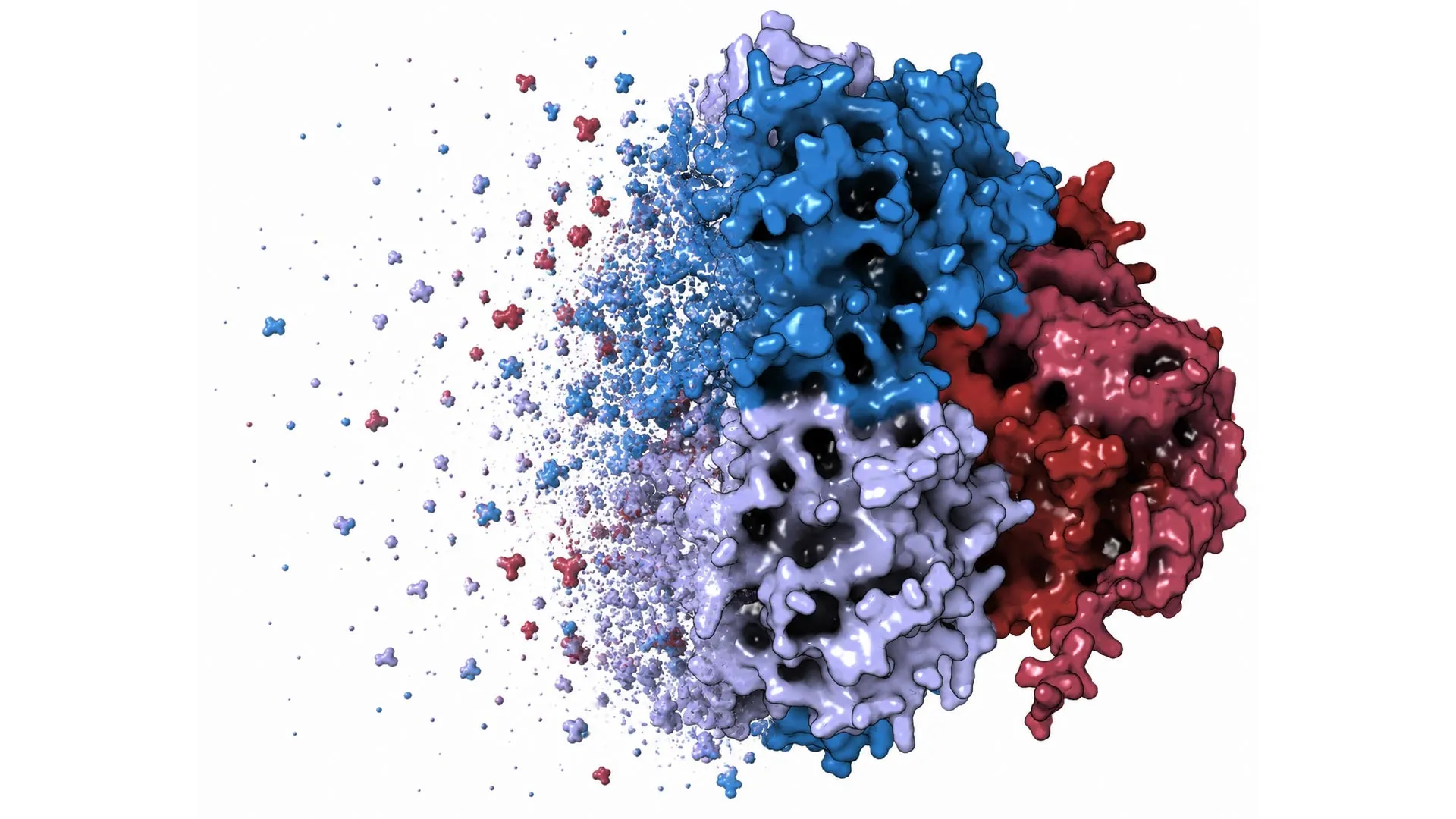
    For more than seven decades, doctors have used the drug 6-thioguanine (6-TG) to treat leukemia. Its effects in patients are well documented, but researchers are still working to understand the molecular details that determine why some cells are killed by the drug while others manage to withstand it.

    A team at the CeMM Research Center for Molecular Medicine of the Austrian Academy of Sciences, working with scientists at the University of Oxford, the Weizmann Institute of Science and the University of Dundee, has now identified an unexpected factor in that response: a protein called NUDT5.

    The finding follows a recent discovery from the Kubicek and Huber laboratories (Science, 2025). That earlier work showed that NUDT5 has an important role inside cells that does not depend on its usual enzymatic activity. Rather than functioning only as a catalyst that drives chemical reactions, NUDT5 can also act as a molecular scaffold that helps organize cellular metabolism.

    That unusual function appears to matter for how cells respond to 6-TG.

    “We initially expected that NUDT5 would influence 6-TG through its enzymatic activity,” says co-first author Tuan-Anh Nguyen from CeMM. “Instead, we found that inhibiting the enzyme had little effect. What mattered was whether the protein itself was present.”

    Removing NUDT5 Changes the Drug Response

    Many drugs that target enzymes are designed to block the chemical reactions those enzymes perform. The researchers wanted to know whether suppressing NUDT5 in this way would also change the effects of 6-TG.

    To test that idea, they used an emerging strategy known as targeted protein degradation. Instead of merely blocking a protein’s activity, this method causes the cell to eliminate the protein altogether.

    “We developed a cell-based platform to accelerate the discovery of NUDT5 degraders. This platform helped guide the medicinal chemistry efforts that ultimately produced dNUDT5, our most active degrader,” said Anne-Sophie Marques, a first author of the paper whose work at Oxford contributed to the findings.

    A medicinal chemistry program led by the Huber laboratory at the University of Oxford produced a collection of highly selective NUDT5 degraders. The researchers also created matched control compounds that could bind to NUDT5 without causing the protein to be destroyed.

    They then compared the effects of these molecules with conventional NUDT5 inhibitors.

    The difference was clear. Blocking NUDT5’s enzymatic activity did not meaningfully change how cells responded to 6-TG. Removing NUDT5 from the cells, however, protected them from the toxic effects of the drug. Genetic experiments led to the same conclusion.

    “Chemical degraders give us a way to separate what a protein does as an enzyme from what it does as a physical presence in the cell,” says Professor Kilian Huber, Centre for Medicines Discovery at the University of Oxford and co-corresponding author of the study. “In this case, that distinction was decisive: removing NUDT5 revealed biology that conventional inhibitors missed.”

    A Hidden Function Beyond Enzyme Activity

    The results indicate that NUDT5 affects sensitivity to thiopurine drugs through a mechanism that does not depend on its catalytic activity. In other words, studying what the enzyme chemically does is not enough to explain its influence on 6-TG.

    “As the results came in, it became immediately clear that the dNUDT5 was protecting cells from 6-thioguanine toxicity in a dose-dependent manner. That was an incredibly exciting moment,” said Ludwig Bauer, a first author of the paper.

    The researchers also discovered an intriguing connection between NUDT5 and another protein called NUDT15, which is already known to affect how patients respond to thiopurine drugs.

    The two proteins appear to have opposing effects.

    Loss of NUDT15 makes cells more sensitive to 6-TG. Reducing NUDT5, by contrast, makes cells more resistant to the treatment. The findings suggest that the proteins influence thiopurine response through different mechanisms that can push cells in opposite directions.

    “Our results show that proteins can have important biological functions that are completely independent of their enzymatic activity,” says corresponding author Stefan Kubicek, Principal Investigator at CeMM. “By removing NUDT5 rather than simply inhibiting it, we were able to uncover a hidden layer of biology that helps determine how cells respond to a clinically important drug.”

    A New Window Into Leukemia Drug Response

    The findings do not immediately lead to a new treatment, but they reveal an unexpected mechanism that helps control the effects of a long-used leukemia drug.

    By showing that NUDT5 influences 6-TG through a non-catalytic function, the research could help scientists better understand why responses to thiopurine treatment can differ. It also demonstrates how targeted protein degradation can expose biological functions that may remain invisible when researchers rely only on traditional enzyme inhibitors.

    This work was supported by the European Research Council (ERC) under the European Union’s Horizon 2020 research and innovation program, the Austrian Science Fund (FWF), the Vienna Science and Technology Fund (WWTF), the Marie Skłodowska-Curie Actions Postdoctoral Fellowships program, the Innovative Medicines Initiative 2 Joint Undertaking (IMI2 JU), the Wellcome Trust, Merck Sharp & Dohme Corp. and Janssen Pharmaceutica NV.

  • Stopping Ozempic may raise heart attack and stroke risk

    Stopping Ozempic may raise heart attack and stroke risk

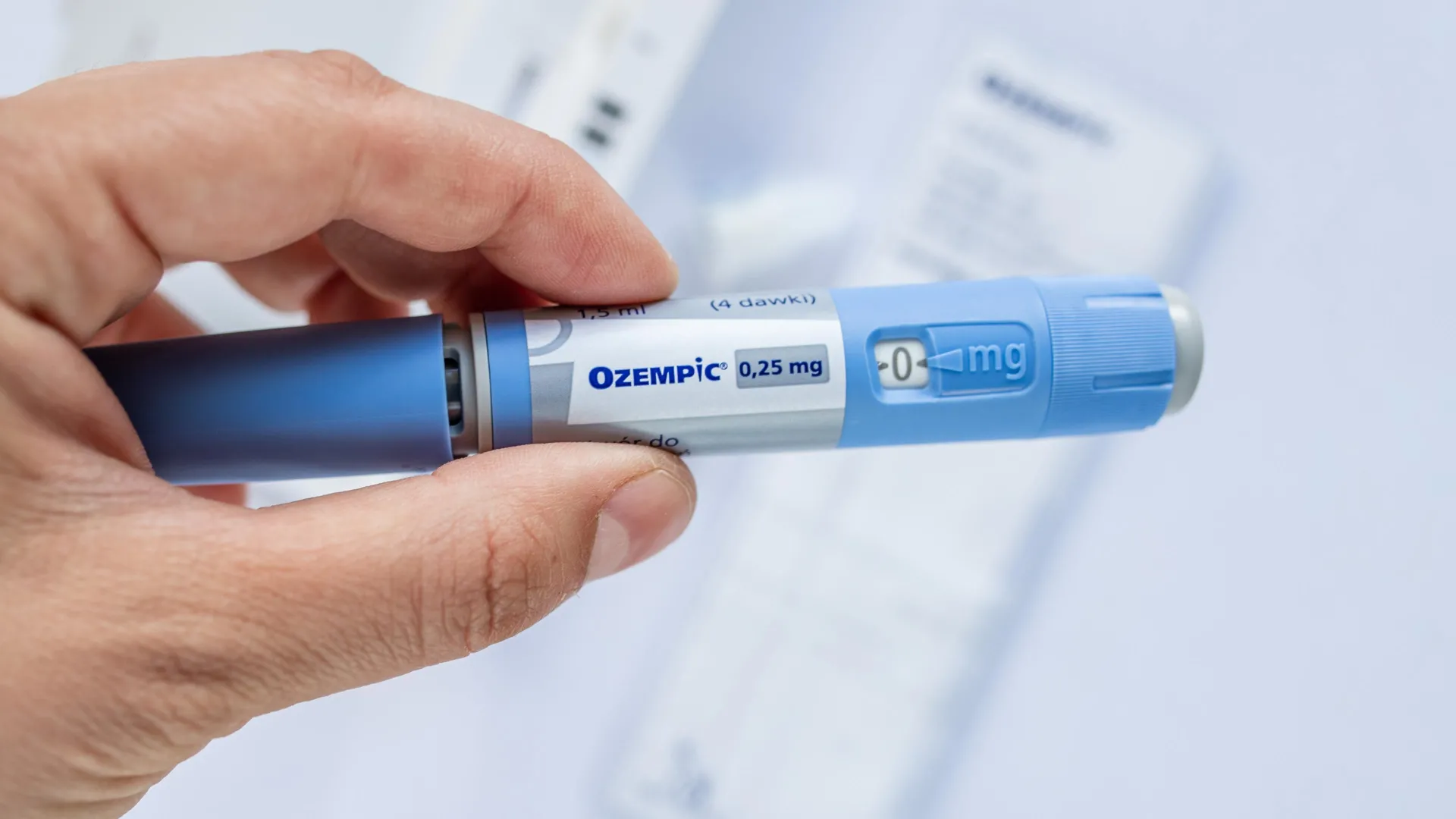
    GLP-1 drugs such as semaglutide (Ozempic and Wegovy) and tirzepatide (Mounjaro and Zepbound) have surged in popularity for treating diabetes and helping people lose weight. About one in eight U.S. adults now use these medications, which are also known to provide cardiovascular benefits. But new research suggests that those heart benefits may fade quickly when treatment is stopped.

    Researchers at Washington University School of Medicine in St. Louis tracked more than 333,000 U.S. veterans with type 2 diabetes for three years. They found that interrupting or stopping GLP-1 treatment for as little as six months was associated with a meaningful increase in the risk of major cardiovascular events compared with remaining on the medication.

    The longer patients stayed off treatment, the greater the increase in risk. After two years without GLP-1 therapy, the risk of heart attack, stroke and death was up to 22% higher than among people who continued treatment, largely wiping out the cardiovascular protection gained while taking the drugs.

    The findings, published in BMJ Medicine, suggest that stopping GLP-1 medications may have consequences that extend well beyond weight regain. They also point to the importance of uninterrupted treatment for maintaining heart protection.

    “There is enormous exuberance about starting GLP-1 drugs, but not nearly enough attention to what happens when people stop,” said senior author Ziyad Al-Aly, MD, a WashU Medicine clinical epidemiologist and chief of the Research and Development Service at the VA Saint Louis Health Care System. “Many quit after a few months because of cost, side effects or shortages. When they stop, it’s not just weight that comes back; they experience a resurgence in inflammation, blood pressure, and cholesterol. Weight regain is visible; the metabolic reversal is not.”

    “Our data suggest this metabolic whiplash is detrimental to heart health,” Al-Aly added. “Restarting the medication helped restore some protection, but only partially, showing that discontinuation leaves a lasting scar.”

    Heart protection depends on continued GLP-1 use

    GLP-1 medications include the semaglutide drugs Ozempic and Wegovy and the tirzepatide drugs Mounjaro and Zepbound. After observing that about half of users stop taking GLP-1 drugs not long after beginning treatment, Al-Aly set out to examine what happens to cardiovascular health after therapy is discontinued.

    The study focused on major adverse cardiovascular events, including heart attack, stroke and death. Researchers analyzed data from 333,687 veterans with type 2 diabetes. Of those, 132,551 had been prescribed GLP-1 drugs, while 201,136 had been prescribed sulfonylureas, another class of diabetes medications.

    Sulfonylureas include glipizide (Glucotrol), glimepiride (Amaryl), and glyburide (Diabeta and others). Participants were followed for up to three years.

    Researchers reassessed GLP-1 treatment status every six months. During the study, 26% of GLP-1 users stopped taking the medication altogether. Another roughly 23% experienced a treatment gap lasting at least six months before eventually restarting therapy.

    Continuous treatment produced the greatest benefit

    The clearest cardiovascular benefit appeared among people who remained on GLP-1 medications throughout the full three-year study period.

    Compared with participants taking sulfonylureas, those who consistently stayed on GLP-1 therapy had an 18% lower risk of major cardiovascular events. That translated to about four fewer major cardiovascular events for every 100 people over three years.

    Participants who stayed on GLP-1 treatment for two years or two-and-a-half years before stopping for the rest of the study also saw meaningful reductions in risk, at 7% and 15%, respectively.

    By contrast, people who discontinued GLP-1 therapy before reaching 18 months showed no significant reduction in cardiovascular risk compared with those taking sulfonylureas by the end of the study.

    Treatment gaps weakened heart protection

    Interrupting treatment and then restarting it also appeared to reduce the cardiovascular benefit.

    People who remained on GLP-1 drugs continuously for three years had an 18% reduction in risk, while those who stopped temporarily and later resumed treatment saw an average reduction of 12%.

    Even a six-month interruption before restarting therapy was enough to weaken the benefit. Compared with continuous use, those treatment gaps were associated with a 4% to 8% increase in cardiovascular risk.

    Longer periods off the drugs were linked to even greater losses of protection. People who stopped GLP-1 treatment for one year without restarting had a 14% higher risk of cardiovascular events compared with continuous users. After two years off treatment, that increase reached 22%.

    The pattern suggests that cardiovascular benefits accumulated during GLP-1 treatment can be lost relatively quickly once the medication is discontinued.

    Restarting may not fully restore lost benefits

    The findings reinforce the importance of continuous treatment if patients and clinicians want to preserve the cardiovascular effects of GLP-1 therapy. They also suggest that reducing treatment interruptions could help maximize the drugs’ protective effects on the heart.

    “Clinicians should treat adherence to GLP-1 treatment as an important outcome in its own right — not an afterthought,” Al-Aly said. “Health systems need plans in place to help people continue their medication indefinitely, recognizing that GLP-1s treat chronic conditions. That includes proactive management of side effects, candid conversations about the long-term nature of treatment, infrastructure to identify and support patients at risk of stopping and addressing the cost barriers that make GLP-1 therapy unsustainable for many.”

    Al-Aly noted that this is especially important because cardiovascular protection from GLP-1 treatment appears to accumulate gradually but disappear much more quickly.

    For study participants, spending only one year off the medication was enough to lose benefits that had taken years of continuous treatment to build. Restarting the drug restored some of that protection, but not all of it.

    The research was funded by the United States Department of Veterans Affairs. The funders had no role in considering the study design or in the collection, analysis, interpretation of data, writing of the report, or decision to submit the article for publication. The contents do not represent the views of the US Department of Veterans Affairs or the US Government.