Category: Research and Discovery

  • Newron reveals 5 deaths in late-stage schizophrenia program as FDA maintains hold

    Newron reveals 5 deaths in late-stage schizophrenia program as FDA maintains hold

    Four deaths have occurred among patients receiving Newron Pharmaceuticals’ investigational schizophrenia drug, the biotech has revealed, three of which are considered unrelated to the asset.

    In April, the FDA placed a hold on Newron’s Phase 3 ENIGMA-TRS 2 trial evaluating glutamate modulator evenamide as an adjunctive therapy for schizophrenia, barring further patient enrollment in the U.S. as the agency evaluated one patient death. The death occurred at a trial site abroad and was deemed unrelated to evenamide, Newron said at the time, though the hold remains in place.

    The FDA cited concern about evenamide’s mode of action as a selective voltage-gated sodium channel blocker, according to a Thursday release from Newron. Certain sodium channel blockers may cause irregular heartbeats that can lead to serious cardiovascular events or seizures, the company noted.

    Now, Newron has shared that four total deaths have occurred in patients receiving evenamide across all clinical studies to date, or an incidence of 0.56%—compared to one death among patients on placebo, or a 0.27% incidence.

    Study investigators consider three of the four deaths in the investigational cohort unrelated to treatment, while one may be “possibly related” because a definitive cause of death was not determined after two autopsies.

    Newron is reviewing the FDA’s feedback and all safety data across the development program, which includes more than 10,000 ECGs from about 700 patients receiving evenamide.

    The patient death occurred outside the U.S. and was deemed unrelated to Newron Pharmaceuticals’ investigational schizophrenia drug.

    April 30, 2026

     · 

    2 min read

     · 

    The Italian drugmaker said it hasn’t observed a pattern of cardiac abnormalities or arrhythmias in the preclinical and clinical safety data generated so far, which includes more than 5,000 ECGs from over 700 patients, according to the biopharma.

    Newron is also assessing the addition of further cardiac screening and monitoring measures for the program, which includes the late-stage ENIGMA-TRS 1 and ENIGMA-TRS 2 trials. The former is an international, 52-week Phase 3 trial expected to enroll at least 600 patients across 20 countries by mid-October, while ENIGMA-TRS 2 is designed to be a 12-week study taking place in the U.S. and other select countries.

    Given the FDA hold, no U.S. patients in ENIGMA-TRS 2 have received evenamide. Recruitment for the study continues outside the U.S.

    “We remain confident in the ENIGMA-TRS studies and encouraged by the program’s progress,” Newron Chief Medical Officer Ravi Anand said in a prepared statement. “Our belief in the potential of evenamide and its novel mechanism for patients with treatment-resistant schizophrenia remains strong.” Patient safety is Newron’s “utmost priority,” Anand added.

    The company’s stock was down slightly in pre-market trading. Newron’s leadership team is expected to provide a brief update about the program on Thursday at 9:30 a.m. ET.

  • Despite Zealand asset’s ‘intriguing’ weight loss, analysts underwhelmed by blood sugar numbers

    Despite Zealand asset’s ‘intriguing’ weight loss, analysts underwhelmed by blood sugar numbers

    Zealand Pharma’s Roche-partnered obesity asset cut weight to a degree William Blair analysts dubbed “intriguing,” but the asset “underwhelmed” on blood sugar reduction for diabetes. The mid-stage readout was the second from Zealand’s pipeline of next-gen weight loss assets to disappoint investors in a week.

    In the Phase 2 ZUPREME-2 trial, petrelintide, a long-acting human amylin analog, achieved up to 9.2% mean weight loss at week 28 depending on the dose, compared to just 2% for placebo comparators, according to Zealand’s Thursday press release. The study, which featured 220 patients with obesity or overweight who also had type 2 diabetes (T2D), therefore hit its primary endpoint of statistically significant and clinically meaningful reductions in body weight at that time point, compared to placebo.

    The results—which were based on efficacy estimand, or the estimated treatment effect assuming patients remained on treatment for the duration of the study—are in line with Eli Lilly’s rival amylin receptor agonist eloralintide and the approved GLP-1 Zepbound, William Blair analysts said in a Wednesday afternoon note. Both of those drugs achieved about 7% placebo-adjusted weight loss at the same time point, according to the firm. Meanwhile, Zealand’s asset outperformed Novo’s Wegovy, which notched 4–5% weight loss in that time frame.

    Nevertheless, William Blair analysts said they were “disappointed” the asset did not yield greater weight loss.

    Moreover, petrelintide only reduced A1C, a measure of average blood sugar levels that is used as key marker of disease control in T2D, at a rate of up to 0.65% compared to an increase of 0.23% for placebo participants, according to Zealand’s release. The aforementioned rival therapies achieved A1C reductions within a range of 1.3%–2.1%, William Blair said. The firm was also concerned by the increase seen in the placebo arm, which is “unusual in the context of obesity and/or T2D studies.”

    On a more positive note, safety results were as expected, leaving William Blair with continued conviction in the asset’s differentiated tolerability profile. Gastrointestinal-related adverse events did crop up, but most were mild and occurred during the escalation period, and resulted in a discontinuation rate due of just 1.9% of participants in the treatment arm, versus 1.7% of those taking placebo. The therapy seems to provide “an improved treatment experience” over approved weight loss drugs like Wegovy and Zepbound, the analysts said.

    “Overall, based on the collective Phase II ZUPREME-1 and ZUPREME-2 trial results, we believe petrelintide demonstrated highly encouraging tolerability, though the magnitude of weight loss (along with HbA1c reduction in ZUPREME-2) disappointed,” William Blair wrote. “Our current view is that petrelintide will likely be used primarily in the maintenance setting, which demands a therapeutic intervention that exhibits placebo-like tolerability for chronic use.” Petrelintide could also find a foothold in the overweight segment of the market, helping these patients lose weight without safety concerns and improve cardiovascular risk, the firm added.

    The ZUPREME-2 reveal comes a week after Zealand and partner Boehringer Ingelheim reported disappointing Phase 3 weight loss results for the glucagon/GLP-1 receptor dual agonist survodutide.

    Similar to the new petrelintide readout, survodutide underperformed expectations. The company reported weight loss of up to 13.1% at 76 weeks, but an adjacent publication in The New England Journal of Medicine put the value at 9.8% for patients who received the highest dose.

    Shares of Zealand dropped more than 8% to $248.50 on the Danish market following last week’s results, and trended further down today, resting at around $240 as of publication.

    Despite meeting the primary endpoints in a Phase 3 trial, shares of Zealand Pharma dropped in premarket trading Thursday as the up to 9.8% weight loss reflected inferior loss to that generated by competitors.

    October 1, 2026

     · 

    2 min read

     · 

    The mixed results won’t hold back petrelintide, however. Zealand and Roche recently kicked off a Phase 3a program for the asset. ZUPREME-3, ZUPREME-4 and ZUPREME-5 will include 7,000 patients with obesity or overweight without T2D, with T2D and with cardiovascular disease, respectively.

    But after a busy few weeks of readouts, investors will have to wait a while for the next big catalyst for Zealand, William Blair pointed out. The company does have a strong cash position, share buyback program and a deep pipeline.

    “While we believe these factors should support long‑term value creation and eventual share price appreciation, the lack of meaningful catalysts within the next year that could alter investor sentiment on petrelintide limits near-term upside and supports a more balanced risk/reward profile,” the firm wrote.

    Roche licensed petrelintide in March 2025 to pair with its own dual GLP-1/GIP receptor agonist CT-388. The deal offered Zealand $1.65 billion upfront, while the total deal value, including milestones and other payments, could reach $5.3 billion.

  • Beyond equity: Why venture debt is reshaping European biotech

    Beyond equity: Why venture debt is reshaping European biotech

    October 8, 2026 | 

    1 min read | 

    In this episode of Denatured, you’ll hear from Jennifer McMahon, partner at Seroba and Joey Mason, venture partner at Claret Capital. We dig into how venture debt buys time when equity can’t and how Europe’s funding gaps, tranching habits and slower urgency shape who uses it well.

    > Listen on Spotify
    > Listen on Apple Podcasts
    > Listen on Amazon Music
    > Listen on iHeart Radio
    > Watch on YouTube

    In this episode of Denatured, you’ll listen to Jennifer McMahon, partner at Seroba and Joey Mason, venture partner at Claret Capital. We look at why venture debt now sits at the center of late‑stage biotech financing and how Europe’s capital constraints force companies to treat time as their most expensive asset.

    Host

    ⁠Jennifer C. Smith-Parker, Director of Insights, BioSpace

    Guests

    Jennifer McMahon, Partner, Seroba

    Joey Mason, Venture Partner, Claret Capital

    Disclaimer: The views expressed in this discussion by guests are their own and do not represent those of their organizations.

    Jennifer C. Smith-Parker is Director of Insights at BioSpace. She has been been immersed for 20 years in healthcare, first as a journalist and editor before pivoting to corporate, brand, and product communications. A skilled storyteller, she is adept at creating diverse content across platforms and crafting narratives that drive engagement, strengthen reputation, and deliver measurable growth. You can reach her at Jennifer.Smith-Parker@BioSpace.com.

    The BioSpace Insights teams performs research and analysis on industry trends for BioSpace and clients, producing industry reports, podcasts, events and articles.

  • Cerevance Parkinson’s drug shortens ‘off time’ in Ph. 3, paving path to FDA

    Cerevance Parkinson’s drug shortens ‘off time’ in Ph. 3, paving path to FDA

    Takeda neuroscience spinout Cerevance will head to the FDA to discuss an approval path for the Parkinson’s disease therapy solengepras after the drug reduced the period of time in which standard drugs wear off and symptoms return during a late-stage clinical trial.

    A high 150-mg dose of solengepras improved average daily “off time” by 0.61 hours as compared to placebo at week 12, meeting the main goal of the Phase 3 ARISE trial. This benefit showed up as early as the second week. Conversely, the therapy also increased “on time” without difficult symptoms like dyskinesia—the hallmark involuntary, erratic movements associated with Parkinson’s. This was a key secondary endpoint of the trial.

    Cerevance also noted improvements in daytime sleepiness and quality of life, which “point to broad motor and non-motor benefit,” according to a Wednesday press release. The data were presented at the 2026 International Congress of Parkinson’s Disease and Movement Disorders in Seoul, Korea.

    The ARISE study examined two solengepras doses as an adjunct treatment in 341 patients with Parkinson’s who experience motor fluctuations with standard-of-care levodopa and other medications. At baseline, patients on average experienced 5.65 hours of off time daily. That number dropped by 1.56 hours in patients receiving the 150-mg dose, versus a 0.95-hour drop in the placebo group. Participants in the higher-dose group also showed statistically significant motor improvements, additional secondary endpoints of the trial. Cerevance did not report efficacy data for the lower 75-mg dose.

    The privately held company will now head to the FDA to discuss a regulatory path for solengepras.

    While some drugmakers continue to walk the alpha-synuclein antibody path, others like AC Immune opt for new approaches that could bring the first-ever disease-modifying therapy for Parkinson’s disease.

    September 8, 2026

     · 

    6 min read

     · 

    As for safety, Cerevance said that solengepras was generally well tolerated. No serious adverse events were reported in the solengepras 150-mg dose group, compared with a rate of 1.8% for the 75-mg arm and 0.9% for placebo, and overall discontinuation rate due to adverse events across all arms of the trial, including placebo, was 3.5%. The most commonly reported safety events were headache and urinary tract infection.

    Solengepras targets the GPR6 receptor to improve motor and non-motor function without altering dopamine levels or signaling as do standard Parkinson’s therapies, which do not address the underlying cause of the disease and often wear off as the brain’s ability to store dopamine continues to fade. Levodopa specifically can cause dyskinesia over time, leading to increases in off time. Cerevance reported dyskinesia in 4.4% of patients receiving the high dose of solengepras compared to 1.8% for placebo.

    Cerevance is one of a few companies working to improve treatment options for patients with Parkinson’s. Late last month, AbbVie received approval for tavapadon, which is to be marketed as Juvmo. The drug, which is the first selective D1/D5 receptor agonist to become available in the U.S., came from the $8.7 billion takeout of Cerevel in December 2023.

    But drug development in the space has been tough, with many failed attempts such as Biogen and Denali’s BIIB122. The therapy failed to slow disease progression during a Phase 2b trial and was discontinued earlier this year.

    Other biotechs in the game include Ionis Pharmaceuticals, Eli Lilly’s Ventyx Therapeutics and Insilico Medicine.

  • ArriVent sheds nearly half of value on late-stage lung cancer miss

    ArriVent sheds nearly half of value on late-stage lung cancer miss

    ArriVent BioPharma’s investigational tyrosine kinase inhibitor failed to significantly improve progression free survival rates in a Phase 3 lung cancer trial, sending the biotech’s stock spiraling.

    ArriVent’s Phase 3 study, called FURVENT, enrolled nearly 400 patients with advanced non-squamous non-small cell lung cancer (NSCLC) with EGFR exon 20 insertion mutations (Ex20ins). The open-label study assessed ArriVent’s most advanced asset firmonertinib, an EGFR TKI designed to penetrate the brain.

    Firmonertinib, which ArriVent shares with Shanghai-based Allist Pharmaceuticals, failed to meet FURVENT’s main goal, recording a median progression free survival (PFS) of 11 months compared to 9.5 months for patients on chemotherapy, as measured by blinded independent central review (BICR). The finding was not statistically significant, according to ArriVent’s Tuesday release.

    Truist analysts view the miss as largely fueled by a stronger-than-expected PFS seen in the control group receiving chemotherapy. The cohort’s median 9.5-month survival rate was up from an expectation of seven months, according to the firm.

    “With these results, we see the path forward in Ex20ins as uncertain as mgmt reviews the full dataset and potential development options,” Truist wrote in a Tuesday note to investors. The analysts therefore removed Ex20ins NSCLC from its valuation of ArriVent, lowering its expected price target from $45 per share to $18.

    Analyst sentiment aligned with the market’s response to the data, with ArriVent’s share price plummeting nearly 50%, from $28.46 to $12.09 at market close Tuesday.

    Delivering therapeutics directly to tumors, as in the case of Replimune’s recently approved Tudriqev and Amgen’s Imlygic, holds advantages, especially when cancer is caught early, but challenges remain before the method becomes a mainstay in treatment.

    September 21, 2026

     · 

    4 min read

     · 

    ArriVent pointed to clinical benefit as measured by secondary endpoints, like the investigator-assessed 11.1 month PFS for firmonertinib compared to 7.1 months for chemotherapy.

    The difference in investigator-assessed findings compared to BICR underscored “a meaningful discordance in control-arm assessment,” Truist wrote.

    No new safety signals were identified in the trial, with findings consistent with previous firmonertinib studies.

    Truist is now turning its attention to ALPACCA, an ongoing Phase 3 study of firmonertinib for patients with EGFR PACC mutant NSCLC. The firm sees limited readthrough from FURVENT to ALPACCA, believing that this week’s findings still support the therapy’s potential to produce a competitive efficacy profile against the Tagrisso/Gilotrif control.

    ArriVent launched in June 2021 with $90 million and ex-China rights to furmonertinib from Allist. The drug had received conditional approval from China regulators earlier that year for patients with advanced NSCLC and a confirmed EGFR T790M mutation that had progressed during or after EGFR TKI therapy.

    With an eye toward advancing a novel antibody-drug conjugate for gastrointestinal cancers, ArriVent is the latest biopharma player to ink a deal with a Chinese biotech.

    January 22, 2025

     · 

    2 min read

     · 

    Truist believes the FURVENT outcome “resets the story with a cleaner setup” for ArriVent’s antibody-drug conjugate ARR-217, which is slated as a late-breaker at this year’s European Society for Medical Oncology in Spain toward the end of October. The asset is being developed in partnership with China’s Lepu Biopharma for colorectal cancer and gastrointestinal cancers. The Phase 1 data in colorectal cancer could help build the case for ARR-217 to rebuild pipeline value.

    “With FURVENT now behind us, we see ARR-217’s late-breaking Ph.1 data at ESMO as a cleaner opportunity to reshape conversation around AVBP’s ADC pipeline,” Truist wrote on Tuesday.

  • Taking antibiotics? Sugar may be making the damage worse

    Taking antibiotics? Sugar may be making the damage worse

    Eating more sugar while taking antibiotics may intensify the disruption those drugs cause to beneficial gut bacteria, according to new research.

    The study focused on the intestinal microbiome, the vast community of bacteria that has evolved alongside humans and helps with digestion, immune function, and other essential processes. Antibiotics are among the most commonly prescribed medicines worldwide, but they can kill beneficial bacteria as well as harmful ones. In some cases, that disruption allows potentially dangerous species to gain an advantage.

    A diverse microbiome is generally better able to resist the expansion of harmful pathogens. Antibiotic treatment can reduce that diversity, leaving the gut ecosystem more vulnerable to disease, according to the researchers.

    Sugar Linked to Greater Microbiome Damage

    Researchers from NYU Langone Health, City of Hope, and Memorial Sloan Kettering closely monitored 9,419 meals consumed by 173 hospitalized cancer patients and tracked changes in their gut microbiomes.

    For every additional 100 grams of sugar eaten during the 48 hours before treatment, the researchers observed an additional 21% decline in alpha diversity, a measure of the variety of beneficial bacterial species found in the gut.

    The findings, published online Sept. 30 in the journal Nature, also showed that sugary diets combined with antibiotic treatment were associated with increases in Enterococcus faecium among patients. This bacterial species has been linked to infections that can be difficult to treat.

    Mouse experiments produced a similar result. Animals exposed to the antibiotic biapenem while consuming dietary sucrose experienced a 16.3-fold increase in the gut Enterococcus population by day 3 of the study. By day 6, the bacterial burden was 33.4-fold higher.

    “As we are learning how collateral damage of antibiotics to the microbiome are linked with long-term health problems, it’s important to identify factors that limit these unintended health risks,” said the study’s co-senior author Jonas Schluter, PhD, assistant professor in the Department of Microbiology at NYU Langone. “Our study, which used more than 9,000 recorded meals, suggests that modifying diet during and after antibiotics, specifically by reducing sweets intake, could help with that.”

    Why Researchers Studied Blood Cancer Patients

    The team focused on people with blood cancers because these patients frequently receive antibiotics and their food intake can be monitored closely during hospitalization. Researchers recorded what patients ate at every meal and collected microbiome samples each day.

    That combination of detailed diet records and daily biological sampling made the project one of the largest and most detailed studies of its kind to date.

    “The microbiome is emerging as an important factor in cancer care,” said co-senior study author Marcel van den Brink, MD, PhD, chief physician executive at City of Hope. “For patients undergoing intensive treatments such as bone marrow transplantation, the healthy diversity of the gut microbiome can have important implications for outcomes. Studies like this help us better understand how everyday factors, including diet, may affect a delicate balance that influences how patients respond to treatment, recover, and experience side effects.”

    Patients with blood cancers who receive stem cell transplants are often hospitalized for several weeks while undergoing chemotherapy and antibiotic treatment. During that period, both their diets and their gut microbiomes can change dramatically.

    In these patients, potentially harmful species such as Enterococcus faecium can flourish after much of the surrounding microbial ecosystem has been “destroyed.”

    Gut Microbiome Damage and Cancer Outcomes

    “Especially in blood cancer patients, microbiome injury is associated with worse outcomes, including higher overall mortality and infections,” said Jonathan Peled, co-senior author on the study and associate director of the Center for Hematological Malignancies at Memorial Sloan Kettering Cancer Center. “An important next step will be to design clinical trials to test whether short-term dietary changes can improve clinical outcomes in patients.”

    The researchers say dietary sugar may magnify the microbiome disruption caused by antibiotics because potentially harmful bacteria that survive treatment may be able to use those sugars to expand.

    “The new work identifies dietary sugars as an amplifier of antibiotic-induced microbiome disruption, probably because the potentially harmful bacteria that survive the antibiotics are benefiting from the dietary sugars that they can use to expand,” said study second author William Jogia, a PhD student in Dr. Schluter’s lab in the Institute for Systems Genetics. “While the findings suggest that reducing simple sugars may limit microbiome injury, whether sugar directly supports Enterococcus, weakens competing bacteria, or acts through another mechanism in patients remains to be seen.”

    The findings therefore suggest that cutting back on simple sugars during and after antibiotic treatment could potentially reduce microbiome damage. However, the researchers emphasize that more work is needed to determine exactly how sugar produces the effect and whether dietary changes will improve outcomes in patients.

    Study Authors and Collaborators

    Along with Drs. Schluter and Jogia, study authors from the Schluter lab at the Department of Microbiology and Institute for Systems Genetics at NYU Langone Health were Caichen Duan, Chenzhen Zhang, Fanny Matheis, and Alexis Sullivan.

    Authors from the Adult Bone Marrow Transplantation Service in the Department of Medicine at Memorial Sloan Kettering Cancer Center were co-senior author Jonathan Peled, co-first authors Anqi Dai and Annamaria Ballweg, along with Madhumitha Rangesa, Peter Adintori, Mirae Baichoo, Nicholas Waters, Abrielle Swartz, Sukanya Sahu, Brianna Gipson, Sandeep Raj, Zoe Pierce, Kenton Wu, Justin Neuberger, Adam Warren, Marissa Lubin Buchan, Ana Gradissimo, Luigi Amoretti, Annelie Clurman, Daniel Brereton, Paul Giardina, Miguel-Angel Perales, and Sergio Giralt. Also authors from Memorial Sloan Kettering Cancer Center were Teng Fei in the Department of Epidemiology and Biostatistics, Oriana Miltiadous in the Department of Pediatrics, Tatanisha Peets in Food and Nutrition Services, and Marina Burgos da Silva in the Human Oncology & Pathogenesis Program.

    Other authors were Tyler Funnell, Natalie Smith, John Slingerland, Antonio Gomes, and Robert Jenq in the Department of Hematology and Hematopoietic Cell Transplantation at City of Hope National Medical Center in Los Angeles; Eiko Hayase in the Departments of Genomic Medicine and Stem Cell Transplantation Cellular Therapy in the Division of Cancer Medicine at University of Texas MD Anderson Cancer Center; Corrado Zuanelli Brambilla in the Hematology Unit, Department of Cellular Therapy, Hematology and Laboratory Medicine at Azienda Ospedaliera Universitaria Senese in Siena, Italy; Abigail Johnson in the Division of Epidemiology and Community Health in the School of Public Health at the University of Minnesota, Minneapolis; Dan Knights in Department of Computer Science and Engineering at the University of Minnesota; and Kate Markey in the Translational Science and Therapeutics Division at Fred Hutchinson Cancer Center in Seattle.

    Funding and Disclosures

    Funding for the study was by National Institutes of Health grants K08HL143189, P30 CA008748, P01CA023766, R35CA284024, DP2AI164318, R01CA269617, P30CA0160087, R01-CA228358, R01-CA228308, F31-CA261086, P30 CA008748, P01-CA023766; R01-HL123340, R01-HL147584, and P01-AG052359. Other support came from the Gabrielle’s Angel Foundation, a Helen Hay Whitney postdoctoral fellowship, the Starr Cancer Consortium, The Tri-Institutional Stem Cell Initiative, the Lymphoma Foundation, the Susan and Peter Solomon Divisional Genomics Program, Cycle for Survival, the Parker Institute for Cancer Immunotherapy, the American Society of Clinical Oncology Young Investigator Award, a Hyundai Hope on Wheels Young Investigator Award, a Tow Center for Developmental Oncology Career Development Award, and an AIRC fellowship for Abroad.

    Dr. Schluter has filed intellectual property applications related to the microbiome (reference numbers #63/299,607), serves on an advisory board and holds equity in Jona Health, and is cofounder of Postbiotics Plus Research. These relationships are being managed in keeping with the policies of NYU Langone Health.

  • A new way to fight gum disease without wiping out good bacteria

    A new way to fight gum disease without wiping out good bacteria

    Bacteria are remarkably good at adapting. That ability helps them survive changing conditions, but it can also create problems when harmful species become resistant to antibiotics and disinfectants.

    At the same time, bacteria are not simply enemies to eliminate. Many species play important roles in human health, including the hundreds of different microbes that live in the mouth. That raises an intriguing possibility: instead of trying to kill bacteria, could scientists influence how they behave and encourage healthier microbial communities?

    Research published in 2025 in npj Biofilms and Microbiomes suggests that may be possible. Scientists studying dental plaque found that interfering with the chemical signals bacteria use to communicate can change which species thrive, potentially shifting the community toward bacteria associated with better oral health.

    How Bacteria Communicate in the Mouth

    The human mouth is home to roughly 700 species of bacteria. These microbes do not simply grow alongside one another. Many exchange chemical signals through a process called quorum sensing.

    Quorum sensing allows bacteria to detect how many neighboring cells are present and coordinate group behaviors. Some oral bacteria communicate using molecules known as N-acyl homoserine lactones (AHLs).

    Researchers from the College of Biological Sciences and the School of Dentistry examined how these signals shape dental plaque. Their goal was to determine whether bacterial communication could be manipulated to help maintain a healthier oral microbiome.

    The oral microbiome refers to the community of microorganisms living in the mouth. When that community becomes unbalanced, potentially harmful bacteria can become more dominant and contribute to conditions such as periodontal disease.

    Chemical Signals Can Cross the Gumline

    The researchers found that bacteria within dental plaque produced AHL signals in aerobic environments (such as above the gumline), where oxygen is available.

    Those chemical messages could also be detected by bacteria living in anaerobic environments (beneath the gumline), where oxygen levels are much lower.

    This connection was important because conditions below the gumline can favor bacteria associated with periodontal disease.

    The team also used specialized enzymes called lactonases to remove AHL signals. Lactonases break down these communication molecules, effectively interfering with the bacterial conversation.

    When researchers disrupted AHL signaling, the dental plaque community shifted toward species more strongly associated with oral health.

    Their findings suggest that carefully chosen enzymes might someday be used to alter the makeup of dental plaque and help maintain a healthier balance of microorganisms.

    Dental Plaque Behaves Like an Ecosystem

    “Dental plaque develops in a sequence, much like a forest ecosystem,” said Mikael Elias, associate professor in the College of Biological Sciences and senior author of the study. “Pioneer species like Streptococcus and Actinomyces are the initial settlers in simple communities — they’re generally harmless and associated with good oral health. Increasingly diverse late colonizers include the ‘red complex’ bacteria like Porphyromonas gingivalis, which are strongly linked to periodontal disease. By disrupting the chemical signals bacteria use to communicate, one could manipulate the plaque community to remain or return to its health-associated stage.”

    In other words, dental plaque changes over time rather than appearing all at once. Early communities may contain relatively harmless bacteria, while more complex communities can eventually include species strongly associated with gum disease.

    The researchers hope that interfering with bacterial communication could make it possible to guide plaque toward an earlier, healthier state rather than attempting to eliminate the entire microbial population.

    Oxygen Changes How Bacterial Signals Behave

    One of the most important findings was that the effects of bacterial communication depended heavily on oxygen levels.

    “What’s particularly striking is how oxygen availability changes everything,” said lead author Rakesh Sikdar. “When we blocked AHL signaling in aerobic conditions, we saw more health-associated bacteria. But when we added AHLs under anaerobic conditions, we promoted the growth of disease-associated late colonizers. Quorum sensing may play very different roles above and below the gumline, which has major implications for how we approach treatment of periodontal diseases.”

    That difference suggests that the same chemical signals can influence microbial communities in very different ways depending on where they occur in the mouth.

    Above the gumline, where oxygen is more plentiful, disrupting AHL signaling favored bacteria linked with better oral health. Beneath the gumline, adding those signals encouraged later colonizing species associated with disease.

    A Different Strategy for Preventing Gum Disease

    The researchers now want to investigate how bacterial communication varies throughout the mouth and among people at different stages of periodontal disease.

    Rather than broadly attacking oral bacteria with antimicrobial treatments, the long term goal is to find ways to influence the balance of the microbial community itself.

    “Understanding how bacterial communities communicate and organize themselves may ultimately give us new tools to prevent periodontal disease — not by waging war on all oral bacteria, but by strategically maintaining a healthy microbial balance,” said Elias.

    The approach could eventually have implications beyond dentistry. Similar microbial imbalances, often called microbiome dysbiosis, occur elsewhere in the body and have been associated with a range of health problems, including certain types of cancer.

    Researchers hope that learning how to manipulate bacterial communication could eventually provide a foundation for therapies designed to steer microbial communities toward healthier states rather than simply destroying them.

    The research was funded by the National Institutes of Health.

  • FDA extends review of Novo’s hemophilia A drug, citing manufacturing issues

    FDA extends review of Novo’s hemophilia A drug, citing manufacturing issues

    The FDA needs more time to review Novo’s investigational bispecific antibody for hemophilia A before making an approval decision, citing manufacturing issues as the reason behind the delay.

    The agency said “ongoing facility remediation activities” were the reason for the extension, according to a release from Novo. The FDA did not identify any deficiencies related to the efficacy or safety of the drug, known as denecimig, according to the Danish pharma.

    Novo submitted the next-gen factor VIII mimetic for FDA review in September 2025, with a decision slated for the third quarter of this year. Novo announced the agency’s delay on the second day of the fourth quarter.

    The FDA has yet to share a new timeline for the review, according to Novo, which is working to address the agency’s remediation requests related to the unnamed manufacturing site.

    The FDA’s manufacturing flag does not impact other marketed Novo products, the pharma said. Novo is still banking on FDA approval, saying the company is still preparing for a 2027 denecimig launch for hemophilia A in adults and children.

    “Novo is already in the process of addressing the FDA’s requests as efficiently as possible and continuing to work closely with the Agency toward bringing denecimig to patients in the US,” Novo CEO Mike Doustdar said in a prepared statement.

    Among the problems cited were cat hair, bacterial contamination and instrument defects.

    August 22, 2025

     · 

    2 min read

     · 

    The extended FDA review for denecimig “has no impact on Novo’s financial outlook for 2026,” according to the company. Analysts with BMO Capital Markets listed the denecimig decision as one of seven key catalysts for Novo, deeming it of “medium” importance in a Sept. 9 report.

    Novo has been testing denecimig as a prophylactic treatment to prevent bleeding episodes for hemophilia A, a genetic bleeding disorder. The program is also currently being evaluated for potential approval by European regulators.

    Novo has faced other manufacturing challenges of late, stemming from Novo Holdings’ $16.5 billion buy Catalent, a contract development and manufacturing organization (CDMO) in 2024. It then sold three of Catalent’s fill-finish sites to the pharma company then called Novo Nordisk to help meet demand for its GLP-1 injectables Ozempic and Wegovy. Novo also inherited customers that Catalent made products for.

    Earlier this year, quality problems at the ex-Catalent fill-finish facility in Indiana prompted Scholar Rock, an affected client, to drop the plant from its application for approval of apitegromab, a candidate to treat spinal muscular atrophy. The FDA had designated the plant with an Official Action Indicated (OAI) classification, which indicates recommended regulatory or administrative actions in response to an unacceptable state of compliance.

    After dropping the plant from its filing, Scholar Rock secured FDA approval, with apitegromab now to be sold as Isembyld.

    Despite earlier claims of improvement at the fill-finish plant, the FDA has classified the facility as Official Action Indicated based on inspection findings.

    August 11, 2026

     · 

    2 min read

     · 

  • Goodbye joint replacements? Stanford scientists found a way to regrow cartilage and stop arthritis

    Goodbye joint replacements? Stanford scientists found a way to regrow cartilage and stop arthritis

    Scientists have identified a way to restore cartilage in aging knee joints, at least in mice, by blocking a protein whose levels rise with age. The approach not only reversed naturally occurring cartilage loss in older animals, but also protected mice from developing arthritis after knee injuries similar to ACL tears in people.

    The findings also showed promise in human tissue. Cartilage samples collected during knee replacement surgeries responded to the treatment by beginning to produce new, functional cartilage.

    Together, the results suggest that cartilage damaged by aging or arthritis may be more capable of repair than previously thought. If the strategy ultimately works in people, researchers believe it could potentially lead to an oral medicine or injection that regenerates cartilage and reduces the need for knee or hip replacement surgery.

    Targeting the damage behind osteoarthritis

    Osteoarthritis is a degenerative joint disease in which cartilage gradually breaks down, leaving joints painful, swollen and increasingly difficult to move. It affects about one in five adults in the United States and is estimated to account for roughly $65 billion in direct health care costs each year.

    Current treatments mainly focus on controlling pain and other symptoms. Once the disease becomes severe, replacing the damaged joint surgically may be the only remaining option. There is currently no drug that can reliably slow or reverse osteoarthritis itself.

    The Stanford Medicine-led study instead focused on a protein called 15-PGDH. The researchers have described it as a gerozyme, a term for enzymes that become more abundant with age and contribute to the gradual loss of tissue function.

    Previous work by the same group showed that 15-PGDH acts as an important regulator of aging in multiple tissues. Blocking the protein with a small molecule increased muscle mass and endurance in old mice. Doing the opposite, increasing 15-PGDH in young animals, caused their muscles to shrink and weaken. The protein has also been linked to the regeneration of bone, nerve and blood cells.

    In many of those tissues, healing depends on tissue-specific stem cells multiplying and developing into specialized cells. Cartilage turned out to behave differently. Instead of relying on stem cells, existing cartilage cells called chondrocytes changed their patterns of gene activity and shifted toward a more youthful state.

    “This is a new way of regenerating adult tissue, and it has significant clinical promise for treating arthritis due to aging or injury,” said Helen Blau, PhD, professor of microbiology and immunology. “We were looking for stem cells, but they are clearly not involved. It’s very exciting.”

    Blau, who directs the Baxter Laboratory for Stem Cell Biology and is the Donald E. and Delia B. Baxter Foundation Professor, and Nidhi Bhutani, PhD, associate professor of orthopaedic surgery, are the senior authors of the research, which was published in Science. Instructor of orthopedic surgery Mamta Singla, PhD, and former postdoctoral scholar Yu Xin (Will) Wang, PhD, are the lead authors of the study. Wang is now an assistant professor at the Sanford Burnham Institute in San Diego.

    “Dramatic regeneration” of cartilage

    “Millions of people suffer from joint pain and swelling as they age,” Bhutani said. “It is a huge unmet medical need. Until now, there has been no drug that directly treats the cause of cartilage loss. But this gerozyme inhibitor causes a dramatic regeneration of cartilage beyond that reported in response to any other drug or intervention.”

    Cartilage is not all the same. The human body contains three major types, each designed for a different job.

    Elastic cartilage is soft and flexible and helps form structures such as the outer ear. Fibrocartilage is tougher and better suited to absorbing force, including in areas between the vertebrae of the spine. Hyaline cartilage is smooth and slippery, allowing bones to move against one another with very little friction in joints such as the ankles, hips, shoulders and parts of the knee.

    In joints, hyaline cartilage is also known as articular cartilage. It is the type most commonly damaged by osteoarthritis.

    Osteoarthritis can develop as joints experience stress from aging, injury or obesity. Chondrocytes begin producing inflammatory molecules while also breaking down collagen, a structural protein that gives cartilage much of its strength.

    As collagen disappears, cartilage becomes thinner and softer. Inflammation adds swelling and pain, creating the familiar symptoms of osteoarthritis.

    The problem is that articular cartilage normally has very little ability to repair itself. Researchers have identified possible stem or progenitor cells capable of forming cartilage in bone, but efforts to find similar cell populations within articular cartilage itself have not been successful.

    An aging protein becomes a target

    Earlier research from Blau’s laboratory found that a molecule called prostaglandin E2 is important for the function of muscle stem cells. The protein 15-PGDH breaks down prostaglandin E2.

    Blocking 15-PGDH, or otherwise raising levels of prostaglandin E2, has been shown to support regeneration in damaged muscle, nerve, bone, colon, liver and blood cells in young mice.

    That raised an important question for Blau, Bhutani and their colleagues: Could the same biological pathway contribute to the deterioration of cartilage as animals age or recover from injury?

    The researchers compared 15-PGDH levels in knee cartilage from young and old mice. They found that the amount of the gerozyme roughly doubled with age.

    They then gave older animals a small molecule drug designed to inhibit 15-PGDH. In one experiment, the drug was injected into the abdomen so it could have effects throughout the body. In another, it was delivered directly into the knee joint.

    Both approaches produced striking results.

    Cartilage in the knees of older animals had been noticeably thinner and less functional than cartilage in young mice. After treatment, however, it became thicker across the surface of the joint.

    Importantly, the cells were making hyaline cartilage, the smooth articular cartilage needed for healthy joint movement, rather than the less suitable fibrocartilage.

    “Cartilage regeneration to such an extent in aged mice took us by surprise,” Bhutani said. “The effect was remarkable.”

    Protecting knees after ACL injuries

    The researchers also tested whether the treatment could help after traumatic knee injuries.

    ACL tears are particularly common in sports such as soccer, basketball and skiing, where athletes frequently pivot, stop abruptly or jump. Surgery can repair the torn ligament, but fixing the immediate injury does not necessarily prevent long-term joint damage.

    About 50% of people who experience these injuries go on to develop osteoarthritis in the affected joint within approximately 15 years.

    In the mouse experiments, researchers administered the gerozyme inhibitor twice a week for four weeks after injury. The treatment dramatically reduced the likelihood that the animals would develop osteoarthritis.

    Mice that received a control drug had 15-PGDH levels twice those of animals whose knees had not been injured, and they developed osteoarthritis within four weeks.

    The treated mice also moved more normally and placed more weight on the paw attached to the injured leg than untreated animals did.

    “Interestingly, prostaglandin E2 has been implicated in inflammation and pain,” Blau said. “But this research shows that, at normal biological levels, small increases in prostaglandin E2 can promote regeneration.”

    Making old cartilage cells act younger

    To understand what was happening inside the joint, the researchers took a closer look at chondrocytes from young and old mice.

    Older cartilage cells showed more activity in genes associated with inflammation and with the unwanted conversion of hyaline cartilage into bone. At the same time, genes involved in normal cartilage development were less active.

    Treatment shifted that balance.

    One population of old chondrocytes that produced 15-PGDH and expressed genes associated with cartilage degradation dropped from 8% of cells to 3%.

    A second population, which did not produce 15-PGDH but expressed genes linked to fibrocartilage formation, fell from 16% to 8%.

    Meanwhile, a third group moved sharply in the opposite direction. These cells did not produce 15-PGDH and expressed genes involved in forming hyaline cartilage and maintaining the extracellular matrix needed for healthy cartilage function. Their share increased from 22% to 42%.

    The extracellular matrix is the network of proteins and other molecules that surrounds cells and gives tissues their structure. In cartilage, it is especially important because it helps the tissue withstand pressure while maintaining the smooth surface joints need for movement.

    Overall, the treatment appeared to push cartilage toward a younger biological state without recruiting stem or progenitor cells.

    Human cartilage also responded

    The researchers then examined cartilage taken from people with osteoarthritis who were undergoing total knee replacement surgery.

    After one week of treatment with the 15-PGDH inhibitor, the human tissue contained fewer chondrocytes expressing 15-PGDH. Activity in genes associated with cartilage degradation and fibrocartilage also declined compared with untreated tissue.

    Most notably, the samples began regenerating articular cartilage.

    “The mechanism is quite striking and really shifted our perspective about how tissue regeneration can occur,” Bhutani said. “It’s clear that a large pool of already existing cells in cartilage are changing their gene expression patterns. And by targeting these cells for regeneration, we may have an opportunity to have a bigger overall impact clinically.”

    The findings do not yet establish that the treatment can regrow cartilage or prevent osteoarthritis in people. The mouse results and experiments on human tissue represent important early evidence, but clinical trials specifically testing cartilage regeneration will be needed to determine whether the approach is safe and effective for patients.

    An oral 15-PGDH inhibitor has already reached clinical testing for a different age related problem: muscle weakness.

    Blau added, “Phase 1 clinical trials of a 15-PGDH inhibitor for muscle weakness have shown that it is safe and active in healthy volunteers. Our hope is that a similar trial will be launched soon to test its effect in cartilage regeneration. We are very excited about this potential breakthrough. Imagine regrowing existing cartilage and avoiding joint replacement.”

    Researchers from the Sanford Burnham Prebys Medical Discovery Institute contributed to the work.

    The study was funded by the National Institutes of Health (grants R01AR070864, R01AR077530, R01AG069858 and R00NS120278), the Baxter Foundation for Stem Cell Biology, the Li Ka Shing Foundation, the Stanford Cardiovascular Institute, the Milky Way Research Foundation, the Canadian Institutes of Health Research, a Stanford Translational Research and Applied Medicine Pilot grant, a GlaxoSmithKline Sir James Black Postdoctoral Fellowship, and a Stanford Dean’s Postdoctoral Fellowship.

    Blau, Bhutani and other coauthors are inventors on patent applications held by Stanford University involving 15-PGDH inhibition for cartilage and tissue rejuvenation. Those applications are licensed to Epirium Bio. Blau is a cofounder of Myoforte/Epirium and holds equity and stock options in the company.

  • Cancer-fighting t cells burn out. Scientists may have found a fix

    Cancer-fighting t cells burn out. Scientists may have found a fix

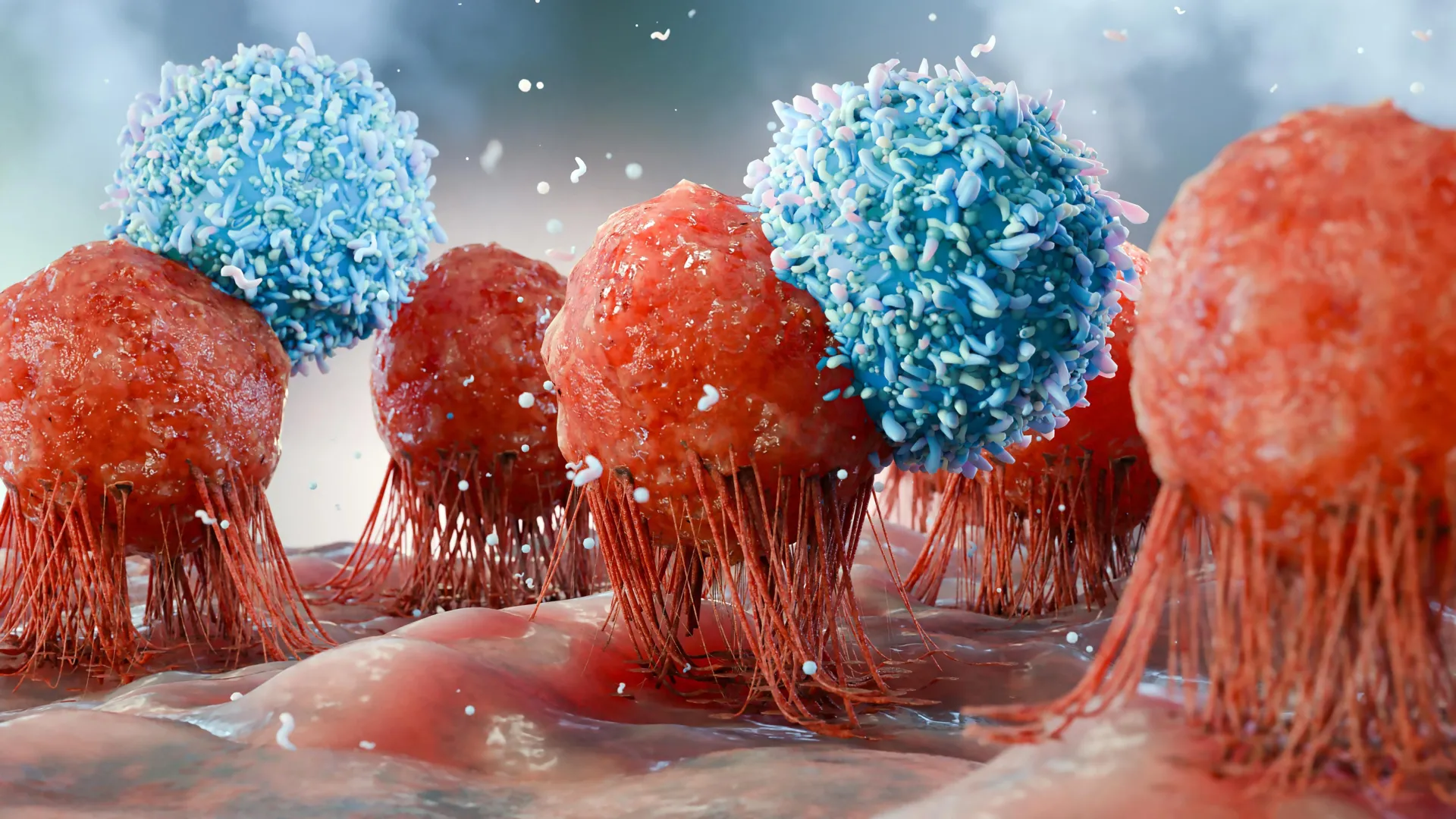
    Cancer immunotherapy can unleash T cells, the immune system’s specialized cancer killers, against tumors. But there is a major limitation: These cells can become worn down before the cancer is eliminated. This condition, known as T cell exhaustion, leaves the cells unable to maintain a strong attack or keep tumor growth under control.

    That problem has been particularly important for checkpoint inhibitors, immunotherapy drugs designed to remove biological restraints that normally limit T cell activity.

    “A tragic part of T cell exhaustion is that the immunotherapy seems to be working for patients, and then it fades,” says Santosha Vardhana, MD, PhD, a physician-scientist at Memorial Sloan Kettering Cancer Center (MSK) who treats people with lymphoma. “Many of them experience a brief wisp of promise only to have it taken away.”

    Researchers in Dr. Vardhana’s laboratory have now identified a signaling molecule called MEK as an important driver of this exhaustion process. Based on animal studies published in Immunity, the findings suggest that blocking MEK might slow T cell exhaustion and potentially make immunotherapy more effective.

    “We’re excited about applying this finding to enhance multiple forms of immunotherapy,” Dr. Vardhana says. “FDA-approved MEK inhibitors are already available, so this approach could be tested in humans without much delay.”

    How MEK Pushes T Cells Toward Exhaustion

    Scientists have only recently begun to understand the processes that cause T cells to become exhausted. In 2020, Dr. Vardhana’s laboratory identified an important piece of the puzzle: the cells’ metabolism, meaning the chemical processes they use to turn nutrients into energy.

    When T cells are continuously exposed to tumor antigens (the cancer proteins the immune system sees as foreign), the mitochondria inside the cells can become overburdened. Mitochondria are responsible for transforming nutrients into energy that cells can use.

    “There is a large metabolic demand being imposed as T cells encounter cancer cells and try to produce cancer-killing, or cytotoxic, proteins,” Dr. Vardhana says. “It turns out that the decision to make high levels of these proteins is regulated by MEK.”

    If MEK becomes excessively active, it can eventually drive T cells into terminal exhaustion, a severely depleted state in which immunotherapy can no longer reactivate them.

    “We realized T cell exhaustion isn’t simply a loss of function — it reflects an imbalance between what these cells are being asked to do and the energy they have available,” says Tanmana Mitra, PhD, a student in the Vardhana lab and the study’s first author.

    Surprisingly, the team discovered that exhausted T cells were not metabolically sluggish. They were actually highly active. When researchers treated the cells with MEK inhibitors, the T cells multiplied more while consuming less energy.

    “That paradox made us ask where all that energy was going, and we discovered that these cells were investing enormous resources into making proteins,” Dr. Mitra explains. “It changed how we think about T cell exhaustion — from a problem of too little energy to one of excessive energy demand.”

    Helping T Cells Pace Themselves

    The findings suggested that reducing MEK signaling could lower the pressure on T cells to continuously manufacture cytotoxic proteins. That, in turn, allowed some of the cells to stay active and capable of renewing themselves for longer, potentially extending the effectiveness of immunotherapy.

    The concept is similar to pacing yourself during a long road trip instead of driving at full speed from beginning to end. Reducing the intensity can help preserve enough fuel to keep going.

    In laboratory models, blocking MEK signaling allowed T cells to persist even in the difficult conditions surrounding a tumor.

    But the researchers caution that suppressing MEK is unlikely to be the right approach for every cancer patient.

    T Cell Exhaustion Can Also Be Protective

    Scientists now understand that T cell exhaustion is more complicated than simply having immune cells lose their strength. MSK immunologist Andrea Schietinger, PhD, previously found that T cells can enter an exhausted state as a survival mechanism. By reducing their activity, they avoid becoming overstimulated and dying.

    “As we’ve learned more about T cell exhaustion,” Dr. Vardhana says, “we’ve increasingly understood that it’s not the case that exhausted T cells are bad, so let’s try to reverse the process with a drug. Instead, exhaustion is more of an equilibrium state that lets the cells survive and keep going — almost like a ‘safe mode’ for T cells.”

    When a T cell is actively attacking cancer and producing cytoxic proteins, its mitochondria must turn nutrients from food into adenosine triphosphate (ATP). ATP is the molecule cells primarily use to store and transfer energy.

    “Think of ATP as the currency in a fund that the cell spends down,” Dr. Vardhana says. “If you spend ATP on one thing, you don’t have enough to do something else. The exhaustion program is a sign that the cell’s bank account is getting close to zero. MEK tells exhausted cells whether to conserve fuel or go for broke. What we found is that inhibiting MEK makes the cells more conservative — helping them live longer while reducing the rate at which they produce the proteins that actually kill cancer cells.”

    That makes MEK both part of the problem and part of the solution. Strong MEK activity helps T cells attack at maximum intensity, but it can also push them toward complete burnout. Blocking MEK therefore involves a tradeoff: The immune attack may become less intense, but the cancer-fighting cells can survive longer.

    Whether a short, powerful immune response or a slower, longer-lasting one is preferable may depend on the characteristics of an individual patient’s cancer.

    When T Cells May Need To Go Full Speed

    According to Dr. Vardhana, MEK inhibitors would need to be used selectively. Two factors can indicate that a patient is likely to respond well to immunotherapy:

    1. The tumors are small.
    2. The patients have a high number of immune cells attacking the tumor — usually because the tumor has many mutations that make it recognizable.

    “In these patients, conservation of T cells is not that important,” he says. “It’s like being in a car with 1/8 of a tank left, but you can see the finish line. In these patients, you would just let the car keep burning the gas — in other words, take the traditional immunotherapy approach. These are the patients in whom MEK inhibition is probably not needed.”

    The situation may be different for patients with large tumors or relatively few tumor-fighting immune cells. Their immune response may not be powerful enough to eliminate the cancer quickly.

    In those cases, creating a slower, sustained response with a MEK inhibitor could help T cells remain present for longer, even if they are partly exhausted. That persistence may be especially important when either the task at hand (the tumor) is large or the workforce (the number of T cells) is small.

    Potential Uses Across Cancer Immunotherapy

    Dr. Vardhana says carefully applied MEK inhibition could potentially improve several types of immunotherapy.

    Checkpoint inhibitors: MEK inhibition has already shown effectiveness in melanoma when combined with checkpoint inhibitors and a targeted treatment known as a BRAF inhibitor.

    Chimeric antigen receptor (CAR) T cell therapy: “We think this approach could dramatically boost T cell persistence, which has been a big problem with CAR T cell therapy,” Dr. Vardhana says.

    Tumor infiltrating lymphocyte (TIL) therapy: This treatment takes advantage of immune cells that have already been attacking a patient’s cancer and expands their numbers. Using MEK inhibition before or after TIL therapy could potentially help the most effective tumor-fighting TILs survive longer.

    Bispecific antibodies: These laboratory-made proteins are designed to attach to two different targets at the same time. They can strongly activate T cells, but that intense stimulation may also contribute to exhaustion.

    “This study shows the importance of understanding core principles of T cell biology — what sets the balance between conservation of energy and strong, cancer-fighting activity,” Dr. Vardhana says. “Once we know the answer to that, the therapeutic possibilities really start to fan out.”

    Key Takeaways

    • T cells can become exhausted as they continuously recognize and attack cancer, reducing their ability to keep tumors under control.
    • The signaling molecule MEK appears to play an important role in pushing T cells toward exhaustion.
    • Blocking MEK may slow that process by reducing the cells’ energy demands, potentially helping them persist for longer during cancer treatment.
    • The researchers suggest this strategy could be particularly useful for patients who respond poorly to traditional immunotherapy, including those with large tumors or relatively few immune cells capable of recognizing the cancer.

    Additional authors on the study include Jahan Rahman, Madeline Hwee, Yan-Ting Chen, Ruben Jose Jesus Faustino Ramos, Hui Liu, Travis Hartman, Justin Cross, Miguel de Jesus, Morgan Huse, Valerie Longo, and Pat Zanzonico.