Category: Scientists

  • Scientists recreate a bizarre quantum effect that stops a particle cold

    Scientists recreate a bizarre quantum effect that stops a particle cold

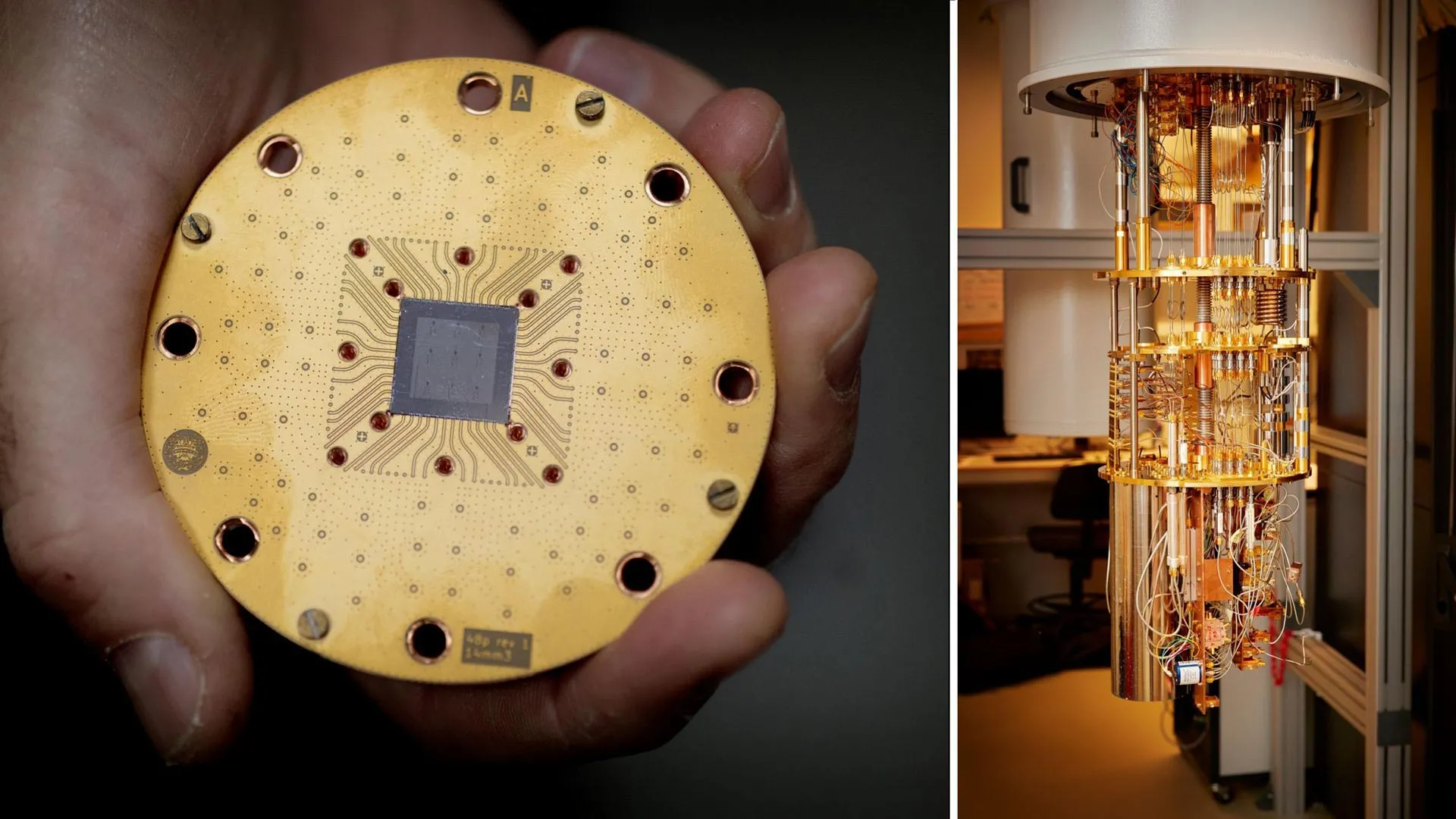
    A particle does not have to pass through a magnetic field to be influenced by it. That surprising feature of quantum physics has now been recreated by researchers at the University of Oxford, who used a hybrid quantum computer to demonstrate how an invisible magnetic influence can bring a simulated particle’s movement to a complete stop.

    The experiment reproduced a phenomenon known as the Aharonov-Bohm effect, in which a charged particle traveling around a region containing magnetic flux experiences a measurable change in its quantum state, even though its path never takes it through the magnetic field itself.

    The Oxford team achieved this using a quantum system that combines qubits, the basic units of quantum information, with quantum oscillators, which represent vibrating motion. Their findings, published in Nature Physics, demonstrate how this combination could help scientists investigate fundamental interactions between matter and fields that are increasingly difficult to simulate using conventional computers.

    A Strange Quantum Effect Predicted in 1959

    In everyday physics, a charged particle responds to the electric and magnetic fields it encounters. Quantum mechanics, however, reveals that particles can behave in ways that have no straightforward counterpart in our ordinary experience.

    In 1959, physicists Yakir Aharonov and David Bohm predicted that a charged particle could be affected by magnetic flux even if it traveled entirely outside the region containing the magnetic field. Rather than experiencing a conventional magnetic force along its path, the particle would undergo a change in its quantum phase.

    Quantum phase describes an aspect of a particle’s wave behavior that influences how different possible paths interfere with one another. Although the phase itself is not directly visible, differences in phase can produce measurable effects.

    The prediction became known as the Aharonov-Bohm effect and was eventually verified in experiments involving real electrons. It remains one of the clearest demonstrations that the quantum world operates according to rules that go beyond the familiar laws of classical physics.

    Researchers are now exploring how this phenomenon behaves in more complex theoretical systems known as lattice gauge theories.

    These theories describe how matter interacts with fields associated with fundamental forces. They represent space as a grid, with matter located at individual points and fields associated with the connections between them. Such models are particularly important in particle physics and high-energy physics, where scientists study the basic particles and interactions that make up the universe.

    The challenge is that the mathematics becomes extraordinarily demanding as these systems grow more complicated. Even powerful conventional computers can struggle to calculate how all the interacting components evolve.

    Quantum computers offer a different approach. Instead of attempting to calculate every aspect of a quantum system using classical computing methods, scientists can construct another quantum system that follows the same underlying rules. They can then observe its behavior directly, an approach known as quantum simulation.

    How Scientists Built the Quantum Experiment

    The Oxford project began in 2022, when lead author Dr. Sebastian Saner, Dr. Oana Bazavan, and their colleagues started developing a way to simulate lattice gauge theories using a hybrid quantum system. They collaborated with Dr. Alejandro Bermudez of the Instituto de Física Teórica in Madrid.

    Their experimental design relied on two different quantum components that performed separate functions.

    The first consisted of qubits encoded in the internal states of trapped ions, which are electrically charged atoms held in place using electromagnetic fields. These qubits represented the gauge fields in the theoretical model.

    The second component used quantum oscillators, created by the vibrations of those same trapped ions. These oscillators represented matter.

    By combining the two, the researchers constructed a simple loop that served as a basic building block of a lattice gauge theory. Two oscillators represented matter at two different locations, while two qubits represented the fields connecting those locations.

    Although the arrangement was small, it was sufficient to reproduce an important interaction between matter and magnetic flux.

    Quantum Entanglement Creates a Surprising Solution

    The researchers next placed the two qubits into an entangled quantum state. Entanglement is a phenomenon in which quantum systems become linked in ways that cannot be fully explained by classical physics.

    Within the team’s simulated lattice gauge theory, this entangled state represented magnetic flux passing through the center of the loop.

    Initially, the researchers had planned to introduce the magnetic flux as a fixed background condition. However, creating the necessary interaction would have required capabilities that their quantum hardware did not possess.

    Encoding the flux directly into the qubits provided a practical alternative. More importantly, it allowed the magnetic flux to become part of the evolving quantum system rather than remaining an unchanging external influence.

    “For us, the exciting step was to encode the magnetic flux in a gauge field that was itself dynamical,” says Dr. Saner. “Rather than having matter evolve in a fixed background, the matter and gauge field become part of the same quantum dynamics.”

    What began as a technical workaround ultimately enabled the researchers to explore a more interesting version of the phenomenon, one in which matter and the field could participate together in the quantum dynamics.

    A Quantum Effect That Stops Particle Motion

    With their simulated loop in place, the scientists examined how a matter particle moved between locations through a process known as quantum tunneling.

    Quantum tunneling allows particles to move between states in ways that would not be possible under ordinary classical rules.

    When the researchers ran their simulation without magnetic flux, the particle could tunnel freely around the loop.

    Introducing the simulated flux produced a strikingly different result.

    The particle had two possible paths around the loop, but the magnetic flux changed their relative quantum phases. As a result, the two paths interfered destructively, meaning their quantum contributions canceled each other out.

    This interference completely suppressed the tunneling, leaving the simulated particle frozen in its original state.

    The outcome demonstrated the Aharonov-Bohm effect within a lattice gauge theory containing a dynamical field. Rather than simply reproducing the familiar behavior of a particle moving around a fixed magnetic influence, the experiment showed how the phenomenon can emerge when matter and the field are both represented by interacting quantum components.

    A New Tool for Exploring Fundamental Physics

    The Oxford findings were published alongside a related study by researchers at the University of Maryland, led by Professor Norbert Linke.

    The Maryland team also used a hybrid quantum system, but their experiment focused on simulating the Yukawa potential, a mathematical description of an interaction relevant to nuclear and particle physics.

    Although the two research groups developed their methods independently, they later coordinated the submission of their studies to Nature Physics.

    Together, the experiments demonstrate how hybrid quantum computers could become valuable tools for investigating fundamental interactions that are difficult to reproduce using classical simulations.

    By combining different types of quantum components, researchers can build systems in which matter and fields are represented in ways that more closely reflect the physics they want to study.

    The Oxford experiment provides an example of that potential. A phenomenon first predicted in 1959 and later observed with electrons has now been recreated in a quantum simulator where the field itself participates in the dynamics, offering scientists another way to explore the unusual rules governing the quantum world.

  • Scientists discover why a 100-year-old mushroom disease won’t go away

    Scientists discover why a 100-year-old mushroom disease won’t go away

    A disease that has troubled white button mushroom growers for more than 100 years is far more complicated than scientists previously believed. Researchers at the University of Florida have discovered that the problem involves a surprisingly diverse collection of harmful bacteria, rather than a single pathogen. The finding could help explain why the disease has been so difficult to control and lead to more effective ways to protect mushroom crops.

    The discovery comes from a University of Florida study investigating bacterial blotch, a persistent disease that damages white button mushrooms and causes significant financial losses for growers.

    White button mushrooms are a valuable specialty crop and a familiar ingredient in everything from salads and appetizers to everyday meals. Rich in nutrients and valued for their versatility, they are often promoted as an example of the “food is medicine” concept, which emphasizes the role of nutritious foods in supporting good health. Their nutritional benefits make them an important part of many healthy diets.

    Despite their popularity, these mushrooms face a longstanding problem that can make entire portions of a harvest difficult or impossible to sell.

    A Century-Old Mushroom Disease With Hidden Culprits

    Bacterial blotch causes brown or yellow discoloration on mushroom surfaces, damaging their appearance and reducing their commercial value. The disease can also lower crop yields and shorten shelf life, making it a costly challenge for mushroom farms across the United States.

    Adding to the difficulty, visible symptoms sometimes develop only after mushrooms have been shipped to grocery stores or purchased by consumers. This delayed appearance makes the disease especially troublesome for growers trying to ensure consistent product quality.

    For many years, scientists primarily associated bacterial blotch with a single disease-causing bacterial pathogen. However, researchers at the University of Florida Institute of Food and Agricultural Sciences (UF/IFAS) have now found that the disease involves a much more complex collection of pathogenic bacteria.

    These microorganisms can thrive in the carefully controlled, humid indoor environments used for commercial mushroom cultivation. Because several bacterial species may contribute to the same disease, methods designed to target a single pathogen may not be sufficient.

    “For years, the industry has struggled with treatments that provide inconsistent results against bacterial blotch,” said Samuel Martins, co-author and assistant professor in the UF/IFAS Department of Plant Pathology. “As part of a separate $7 million U.S. Department of Agriculture grant involving Penn State, University of Delaware and UF/IFAS, we are developing advanced diagnostics and sustainable solutions to strengthen mushroom farms nationwide.”

    DNA Analysis Reveals More Than 17 Bacterial Species

    To investigate what was causing the disease, the research team collected affected mushrooms from several production facilities across the southern United States.

    The scientists combined DNA sequencing, chemical profiling and conventional laboratory testing to identify the bacteria associated with the damaged mushrooms. DNA sequencing allowed them to examine the genetic identities of microorganisms present in the samples, while the additional tests helped characterize the bacteria and their disease-causing potential.

    The results revealed a far more diverse group of pathogens than expected.

    “We found more than 17 different species of pathogenic bacteria associated with the disease,” said Sameerika Mudiyanselage, the study’s lead author and a doctoral student of Martins and Romina Gazis at UF/IFAS Tropical Research and Education Center. “While two well-known bacterial pathogens dominated the known disease profile, we also detected a surprisingly high level of another group of bacteria that has not previously been linked to the mushroom disease.”

    The discovery suggests that scientists have been overlooking important contributors to bacterial blotch. Although two established pathogens remained prominent, the presence of additional bacterial groups indicates that the disease cannot be fully understood by studying those organisms alone.

    This complexity may help explain why bacterial blotch has persisted for generations despite efforts to manage it. When several different microorganisms are associated with a disease, identifying the responsible bacteria, predicting outbreaks, and developing consistently effective treatments become more challenging.

    The findings also suggest that growers may need more comprehensive detection methods capable of identifying a broader range of bacterial threats.

    “We hope that expanding our research will lead to the development of better diagnostics and more effective treatments to address the full group of disease-causing bacteria in white button mushrooms,” she said.

    Natural Treatments Could Help Protect Mushroom Farms

    The University of Florida researchers are now building on their findings with a follow-up study focused on more sustainable ways to manage bacterial blotch.

    One promising approach involves testing plant-based essential oils, beneficial microorganisms, and other biological products as possible alternatives to conventional chemical treatments.

    Essential oils contain naturally occurring compounds produced by plants, some of which have antimicrobial properties. Beneficial microbes may also help suppress harmful bacteria or make it more difficult for disease-causing organisms to thrive.

    These approaches could eventually offer mushroom growers additional tools for controlling bacterial blotch while reducing their reliance on conventional chemical treatments. However, further research is needed to determine how well the potential alternatives work under real growing conditions.

    “Ultimately, our goal is to provide growers with practical, science-based solutions that help strengthen mushroom farming systems,” said Martins. “By understanding the complexity of bacterial blotch and the role of microbial communities, we can develop better eco-friendly management practices that reduce losses while improving sustainability.”

    The research changes the understanding of a disease that has affected white button mushroom production for more than a century. Rather than being the work of a single bacterial pathogen, bacterial blotch involves a diverse group of potentially harmful microorganisms, including previously overlooked species.

    By uncovering this hidden complexity, scientists hope to improve disease detection, develop more reliable treatments, and reduce the crop losses that have long burdened mushroom producers. The findings could ultimately help make mushroom farming more resilient, productive and environmentally sustainable.

  • Scientists thought they knew how this 70-year-old leukemia drug worked

    Scientists thought they knew how this 70-year-old leukemia drug worked

    For more than seven decades, doctors have used the drug 6-thioguanine (6-TG) to treat leukemia. Its effects in patients are well documented, but researchers are still working to understand the molecular details that determine why some cells are killed by the drug while others manage to withstand it.

    A team at the CeMM Research Center for Molecular Medicine of the Austrian Academy of Sciences, working with scientists at the University of Oxford, the Weizmann Institute of Science and the University of Dundee, has now identified an unexpected factor in that response: a protein called NUDT5.

    The finding follows a recent discovery from the Kubicek and Huber laboratories (Science, 2025). That earlier work showed that NUDT5 has an important role inside cells that does not depend on its usual enzymatic activity. Rather than functioning only as a catalyst that drives chemical reactions, NUDT5 can also act as a molecular scaffold that helps organize cellular metabolism.

    That unusual function appears to matter for how cells respond to 6-TG.

    “We initially expected that NUDT5 would influence 6-TG through its enzymatic activity,” says co-first author Tuan-Anh Nguyen from CeMM. “Instead, we found that inhibiting the enzyme had little effect. What mattered was whether the protein itself was present.”

    Removing NUDT5 Changes the Drug Response

    Many drugs that target enzymes are designed to block the chemical reactions those enzymes perform. The researchers wanted to know whether suppressing NUDT5 in this way would also change the effects of 6-TG.

    To test that idea, they used an emerging strategy known as targeted protein degradation. Instead of merely blocking a protein’s activity, this method causes the cell to eliminate the protein altogether.

    “We developed a cell-based platform to accelerate the discovery of NUDT5 degraders. This platform helped guide the medicinal chemistry efforts that ultimately produced dNUDT5, our most active degrader,” said Anne-Sophie Marques, a first author of the paper whose work at Oxford contributed to the findings.

    A medicinal chemistry program led by the Huber laboratory at the University of Oxford produced a collection of highly selective NUDT5 degraders. The researchers also created matched control compounds that could bind to NUDT5 without causing the protein to be destroyed.

    They then compared the effects of these molecules with conventional NUDT5 inhibitors.

    The difference was clear. Blocking NUDT5’s enzymatic activity did not meaningfully change how cells responded to 6-TG. Removing NUDT5 from the cells, however, protected them from the toxic effects of the drug. Genetic experiments led to the same conclusion.

    “Chemical degraders give us a way to separate what a protein does as an enzyme from what it does as a physical presence in the cell,” says Professor Kilian Huber, Centre for Medicines Discovery at the University of Oxford and co-corresponding author of the study. “In this case, that distinction was decisive: removing NUDT5 revealed biology that conventional inhibitors missed.”

    A Hidden Function Beyond Enzyme Activity

    The results indicate that NUDT5 affects sensitivity to thiopurine drugs through a mechanism that does not depend on its catalytic activity. In other words, studying what the enzyme chemically does is not enough to explain its influence on 6-TG.

    “As the results came in, it became immediately clear that the dNUDT5 was protecting cells from 6-thioguanine toxicity in a dose-dependent manner. That was an incredibly exciting moment,” said Ludwig Bauer, a first author of the paper.

    The researchers also discovered an intriguing connection between NUDT5 and another protein called NUDT15, which is already known to affect how patients respond to thiopurine drugs.

    The two proteins appear to have opposing effects.

    Loss of NUDT15 makes cells more sensitive to 6-TG. Reducing NUDT5, by contrast, makes cells more resistant to the treatment. The findings suggest that the proteins influence thiopurine response through different mechanisms that can push cells in opposite directions.

    “Our results show that proteins can have important biological functions that are completely independent of their enzymatic activity,” says corresponding author Stefan Kubicek, Principal Investigator at CeMM. “By removing NUDT5 rather than simply inhibiting it, we were able to uncover a hidden layer of biology that helps determine how cells respond to a clinically important drug.”

    A New Window Into Leukemia Drug Response

    The findings do not immediately lead to a new treatment, but they reveal an unexpected mechanism that helps control the effects of a long-used leukemia drug.

    By showing that NUDT5 influences 6-TG through a non-catalytic function, the research could help scientists better understand why responses to thiopurine treatment can differ. It also demonstrates how targeted protein degradation can expose biological functions that may remain invisible when researchers rely only on traditional enzyme inhibitors.

    This work was supported by the European Research Council (ERC) under the European Union’s Horizon 2020 research and innovation program, the Austrian Science Fund (FWF), the Vienna Science and Technology Fund (WWTF), the Marie Skłodowska-Curie Actions Postdoctoral Fellowships program, the Innovative Medicines Initiative 2 Joint Undertaking (IMI2 JU), the Wellcome Trust, Merck Sharp & Dohme Corp. and Janssen Pharmaceutica NV.

  • Scientists find that “perfect” systems may be surprisingly fragile

    Scientists find that “perfect” systems may be surprisingly fragile

    Perfection may not always be the best recipe for stability, especially in complex systems such as electrical grids, ecosystems, and advanced materials.

    For years, researchers often worked from the assumption that networks should perform more reliably when their individual parts behave as similarly as possible. Real systems, however, rarely look that tidy. Power generators operate differently from one another, neurons vary in form and behavior, species occupy different roles in ecosystems, and the components inside engineered materials are not always perfectly uniform.

    Physicists at Northwestern University now say those differences may sometimes be an advantage rather than a defect.

    Why Disorder Can Improve Stability

    In a new study, the researchers created a mathematical framework designed to determine when variation, which scientists often describe as disorder, can actually make a network more stable. Their results suggest that many physical, engineered, and biological systems can become more resilient when their components, or the connections between them, are not identical.

    That finding challenges the idea that uniformity should always be the goal. Instead, carefully introducing differences into a system could help engineers design more resilient power grids, architected materials and other interconnected technologies. The work also may help explain why irregularity is so common in natural systems, including neural, biological and ecological networks.

    The study was published Sept. 17 in the journal Science. The researchers also developed a website that allows users to explore the framework visually. By adjusting different parameters, users can watch network components interact, synchronize and form organized patterns.

    “Previous studies found a growing number of cases in which disorder (also called heterogeneity, irregularity or asymmetry) across a network’s nodes can actually improve stability and desirable behavior,” said Northwestern’s Adilson Motter, who led the work. “We have seen this in important real-world systems, including power grids, metamaterials and brain computation. But we didn’t know how widespread this effect was or which kinds of systems could benefit from it. Our new study answers those questions, explains why these differences can improve stability and even reveals why scientists overlooked this effect for so long.”

    Motter is the Charles E. and Emma H. Morrison Professor of Physics and Astronomy at Northwestern’s Weinberg College of Arts and Sciences and director of the Center for Network Dynamics. Northwestern postdoctoral researcher Arthur Montanari and graduate student Pietro Zanin, both members of the Motter group, are the study’s co-first authors.

    Why Older Network Models Missed the Effect

    Many interconnected systems survive only if they can recover from disturbances. A strong gust can break apart a flock. A sudden spike in electricity demand can strain a power grid. An impact can deform a material.

    Scientists often represent these systems as networks made up of individual components, called nodes, that are connected by links. In an electrical grid, generators act as the nodes and transmission lines form the links between them. In an ecological network, species are the nodes while their relationships (competition, cooperation, and predation) form the links.

    Traditionally, researchers have focused heavily on how those nodes are connected. Many studies also rely on simplified mathematical models, including the widely used Kuramoto model, that represent each node with only a single variable.

    Those simplified approaches have produced valuable insights, but they can leave out important behavior found in real-world systems, where individual components and their interactions can be far more complicated.

    “Real systems are rarely uniform,” Montanari said. “Birds differ in personalities, neurons vary in shape, and even our social relationships can be asymmetric. These differences might appear random, but they can profoundly affect how the whole system behaves.”

    Earlier research had already suggested that such differences could sometimes be beneficial. In a 2020 Nature Physics study, Motter’s team showed that electrical generators could synchronize more successfully when they operated somewhat differently from one another. A 2025 Nature Communications study led by Montanari found comparable effects in models involving flocking behavior and drone swarms.

    What remained unclear was whether these examples represented rare exceptions or pointed to a much broader rule.

    “Disorder can stabilize networks, but only when the node dynamics are rich enough,” Motter said. “Simplified models can inadvertently strip away the very stabilizing effect we want to capture.”

    Finding the Right Amount of Disorder

    To investigate the question more broadly, the researchers developed a mathematical framework that could account for more realistic network behavior.

    They first examined systems close to a stable condition. Next, they calculated what happened after small disturbances were introduced. If those disturbances gradually disappeared, the system returned to stability. If they grew larger, the system moved toward instability.

    The team then compared networks whose components were identical with networks containing differences among their components or connections. This allowed the researchers to identify the general circumstances in which heterogeneity can outperform uniformity.

    Motter and his colleagues tested the framework using models of power grids, neurons, flocks, architected materials and ecological networks.

    They found that disorder can improve stability in two main ways. Differences can exist among the nodes themselves, or they can appear in the links connecting those nodes. The effect also depends on both the location and the amount of variation.

    A moderate level of disorder might make a network more stable, while excessive variation could eventually push that same system in the opposite direction.

    “If you make the system more homogeneous, you lose stability,” Montanari said. “But if you increase disorder too much, you also lose stability. Our framework can help pinpoint the level of disorder that helps the system achieve optimal stability.”

    Random Variation Can Sometimes Be Enough

    The researchers also discovered that beneficial differences do not always need to be carefully designed in advance.

    In many of their models, randomly introduced variation produced greater stability than the best completely uniform configuration. That means simply allowing some degree of diversity within a system can sometimes provide an advantage.

    There was an important exception when the variation occurred in the links connecting nodes rather than within the nodes themselves. In those cases, even networks with relatively simple node dynamics could gain stability from disorder.

    Why Nature May Favor Imperfect Networks

    The findings could help researchers better understand existing complex systems, particularly ecological networks, while also providing engineers with new strategies for designing systems from the ground up.

    One longstanding ecological puzzle is that older mathematical models predicted large, complicated ecosystems should be inherently unstable. Nature, however, contains many ecosystems that are both highly diverse and persistent.

    “Since the 1970s, mathematical models have predicted that large, complex ecosystems should destabilize and collapse,” Montanari said. “Yet very large and highly diverse ecosystems persist in nature. Our findings suggest that variation among mutually beneficial interactions, such as those between pollinators and flowers, could help explain this paradox.”

    The same principle could eventually influence the design of advanced materials.

    Architected materials are often built from repeating, nearly identical units. The new findings suggest engineers might be able to create different or improved behaviors by deliberately varying the shapes, sizes, orientations, and physical properties of those units.

    To do that effectively, researchers would need to treat these materials as mechanical networks and use models detailed enough to preserve the system’s true dynamics. Computational techniques could then be used to search for combinations of variation that provide the greatest benefit.

    “When disorder enhances stability, the next challenge is figuring out how best to design it,” Motter said.

    The study, “Disorder-promoted stability,” was supported by the Army Research Office (grant number W911NF-22-2-0109) and the National Science Foundation (grant number DMS-2308341). The study also acknowledges the stimulating research environment provided by the NSF-Simons National Institute for Theory and Mathematics in Biology (NSF grant number DMS-2235451 and Simons Foundation grant number MP-TMPS-00005320).

  • Scientists solve a 50-year mystery and discover a new human blood group

    Scientists solve a 50-year mystery and discover a new human blood group

    More than half a century after scientists first encountered a mysterious marker on human red blood cells, researchers finally traced it to its genetic source. The breakthrough established MAL as a human blood group system and gave doctors a new way to identify the exceptionally rare people whose blood lacks the AnWj antigen.

    The work was led by scientists at NHS Blood and Transplant in Bristol, including researchers from the International Blood Group Reference Laboratory (IBGRL), together with colleagues at the University of Bristol. Their findings solved a puzzle dating back to 1972 and could help prevent dangerous transfusion reactions in a small number of patients.

    Although most people are familiar with the ABO and Rh blood groups, those are only part of a much larger biological system. Red blood cells carry hundreds of different molecules on their surfaces. Many of these molecules act as antigens, markers that the immune system can recognize.

    For most transfusions, ABO and Rh compatibility receive the most attention. But in patients with unusual antibodies or rare blood types, matching some of these lesser-known antigens can become crucial.

    A Blood Marker Found in More Than 99.9% of People

    The AnWj antigen was discovered in 1972, but for decades scientists did not know which gene produced it or which protein carried it on red blood cells.[1]

    More than 99.9% of people are AnWj positive. For the tiny minority who are AnWj negative, however, the distinction can matter enormously.

    If an AnWj negative person develops antibodies against AnWj and then receives AnWj positive blood, those antibodies can attack the transfused red blood cells. In some circumstances, that can trigger a potentially serious transfusion reaction.

    There are also two very different reasons someone can lack the antigen. In most cases, AnWj expression appears to be suppressed because of an underlying hematological disorder or certain cancers.[2] Much more rarely, a person is born without the antigen because of an inherited genetic change.

    Only a handful of people with this inherited form had ever been identified, making the mystery especially difficult to investigate.

    The Genetic Clue Was Hidden in MAL

    To find the source, the researchers turned to whole exome sequencing. This technique examines the portions of DNA that contain instructions for making proteins, allowing scientists to search across thousands of genes for unusual variants shared by affected individuals.

    The analysis pointed unexpectedly to the MAL gene.

    The researchers found that people with the inherited AnWj negative phenotype carried homozygous deletions affecting MAL. Homozygous means that the relevant change was present in both copies of the gene, one inherited from each parent.

    The MAL gene produces a small membrane protein called Mal. When the team examined red blood cells, people who were AnWj positive produced the full-length Mal protein on their cells, while it was missing from AnWj negative cells.

    Five genetically AnWj negative individuals were included in the investigation, including members of an Arab Israeli family.[3] The samples also included blood donated in 2015 by the woman who had been the first AnWj negative person identified in the 1970s.

    The researchers did not stop at finding a genetic association. They needed to demonstrate that Mal really was responsible for the antigen.

    When scientists introduced the normal MAL gene into laboratory cells, the cells became reactive with AnWj antibodies. Introducing the altered form did not produce the same response. Additional experiments showed that Mal was both necessary and sufficient for expression of the AnWj antigen.

    MAL Becomes an Official Blood Group System

    Those results provided the evidence needed to establish MAL as a distinct blood group system, with AnWj as its defining antigen.

    The International Society of Blood Transfusion later formally reported MAL as ISBT 047. MAL was one of four blood group systems ratified during the period covered by the organization’s 2026 terminology report, alongside ER, CD36 and ATP11C.

    That designation is more significant than simply adding another name to a list. For something to qualify as a blood group system, researchers must connect an antigen to a defined genetic and molecular basis.

    MAL was the 47th officially recognized blood group system at the time. The field has continued to move quickly since then. In September 2026, the International Society of Blood Transfusion announced JAMA as the 49th blood group system, illustrating how the genetic map of human blood is still being expanded.

    Why the Discovery Matters for Transfusions

    Knowing the gene behind AnWj gives blood specialists something they did not previously have: a direct genetic way to search for people who inherit AnWj-negative blood.

    Genotyping tests can now be designed to identify rare patients and donors carrying the relevant MAL changes. These tests can potentially be incorporated into existing blood group genotyping systems.

    That matters because finding compatible blood for someone with an antibody against a marker present in more than 99.9% of people can be extraordinarily difficult.

    The need is not merely theoretical. Earlier clinical reports have shown that anti-AnWj antibodies can cause hemolytic transfusion reactions, in which transfused red blood cells are destroyed by the recipient’s immune system.

    More recent cases have underscored just how complicated the situation can become.

    In 2026, researchers reported a 75-year-old man with severe anemia and an anti-AnWj autoantibody. Compatible blood was unavailable, so physicians ultimately transfused unmatched red blood cells after weighing the risks. Genetic testing showed that his MAL gene was normal, supporting the conclusion that his antibody was acquired rather than caused by the rare inherited MAL deficiency. He did not experience a hemolytic transfusion reaction in that case.

    Another 2026 case involved a patient with high-grade B-cell lymphoma and a complement-binding anti-ANWj autoantibody. After incompatible transfusions were followed by signs of red blood cell destruction, clinicians used sutimlimab, a drug that blocks part of the immune complement pathway. The patient’s laboratory measurements improved, although the researchers stressed that the complicated case and short treatment period prevent firm conclusions about the treatment’s effectiveness. It was reported as the first use of sutimlimab for this particular type of anti-AnWj-associated hemolysis.

    Together, these cases highlight an important distinction. Some people are AnWj negative because of inherited MAL changes, while others can lose AnWj expression because of disease and develop an antibody against a marker their cells previously carried.

    A Mystery That Took Decades to Crack

    Louise Tilley, Senior Research Scientist, IBGRL Red Cell Reference at NHS Blood and Transplant, said: “The genetic background of AnWj has been a mystery for more than 50 years, and one which I personally have been trying to resolve for almost 20 years of my career. It represents a huge achievement, and the culmination of a long team effort, to finally establish this new blood group system and be able to offer the best care to rare, but important, patients.

    “The work was difficult because the genetic cases are very rare. We would not have achieved this without exome sequencing, as the gene we identified wasn’t an obvious candidate and little is known about Mal protein in red cells. Proving our findings was challenging, and we appreciate the help of all our collaborators, and the patients, without whom we would not have got to this point.”

    One reason the mystery endured for so long was simply the rarity of inherited AnWj negative blood. With so few known cases, researchers had very little genetic material from affected people to compare.

    The Mal protein itself also offered few obvious clues. It is a very small protein embedded in cell membranes and has been associated with processes involving membrane organization and cellular transport. Nothing immediately pointed to it as the carrier of a long mysterious red blood cell antigen.

    Gene Editing Helped Confirm the Answer

    Ash Toye, Professor of Cell Biology in the School of Biochemistry and Director of the NIHR Blood and Transplant Research Unit in red cell products at the University of Bristol, said: “It’s really exciting we were able use our ability to manipulate gene expression in the developing blood cells to help confirm the identity of the AnWj blood group, which has been an outstanding puzzle for half a century. This development will help identify these rare donors and help patients in the future.”

    Manipulating gene expression allowed the researchers to test cause and effect rather than simply observe that a genetic variant happened to occur in AnWj negative people. By changing which genes cells expressed and then testing whether AnWj appeared, the scientists could build a much stronger case that MAL was the missing piece.

    Nicole Thornton, Head of IBGRL Red Cell Reference at NHS Blood and Transplant, said: “Resolving the genetic basis for AnWj has been one of our most challenging projects.

    “There is so much work that goes into proving that a gene does actually encode a blood group antigen, but it is what we are passionate about, making these discoveries for the benefit of rare patients around the world.

    “Now genotyping tests can be designed to identify genetically AnWj-negative patients and donors. Such tests can be added to the existing genotyping platforms.”

    The official ISBT blood group database now lists the reference MAL allele along with the null allele associated with the AnWj negative phenotype, turning what was once an unexplained serological curiosity into a genetically defined blood group system.

    Human Blood Is Far More Complicated Than ABO

    The MAL story also illustrates how much complexity is hidden behind the familiar letters A, B, AB and O.

    Blood groups are defined by inherited differences in molecules on red blood cells. These differences often have little noticeable effect in everyday life. They become important when the immune system encounters red blood cells carrying an antigen it recognizes as foreign, particularly during transfusion or pregnancy.

    That is why rare blood group research can have an outsized clinical impact despite involving very few people. If a patient has an antibody against an antigen carried by nearly everyone else, locating compatible donor blood can require specialized laboratories, rare donor registries and sometimes international cooperation.

    Dr. Tim Satchwell, Senior Lecturer at UWE Bristol, who contributed to the study whilst a Research Fellow at the University of Bristol, said: “Mal is a very small protein with some interesting properties which made it difficult to identify and meant we needed to pursue multiple lines of investigation to accumulate the proof we needed to establish this blood group system. Being able to combine our expertise to finally achieve this has brought the whole team a lot of satisfaction.”

    For more than 50 years, AnWj was a blood antigen without a known genetic home. The identification of MAL changed that, giving researchers a molecular explanation, clinicians a path toward better genetic testing, and rare patients a better chance of being identified before a difficult transfusion becomes an emergency.

    Notes

    • Blood groups are complex. The two best known blood group systems are ABO and Rh. Within each blood group, red cells can carry surface markers called antigens. For example, within the ABO blood group system, there are the A and B antigens – people with A have the A antigen, people with B have the B antigen, people with AB blood have both and people with O have neither. There are now 47 recognized blood group systems together containing more than 360 recognized blood antigens.
    • AnWj is named after the first people who made the antibody (Anton and Wj).
    • The disorders suppress Mal and make patients AnWj-negative, unless they have the rare inherited form (MAL deletion). The inherited AnWj-negative people are healthy.
  • Scientists find a hidden cause of high blood pressure that routine tests can miss

    Scientists find a hidden cause of high blood pressure that routine tests can miss

    A common and frequently missed cause of high blood pressure may be easier to detect with help from a wearable device that tracks hormone changes throughout the day and night.

    New research published in Science Translational Medicine focuses on primary aldosteronism, a hormone disorder that may affect up to one in five people with high blood pressure. The condition is associated with an increased risk of heart disease, stroke, diabetes, and other serious health problems.

    Researchers from the University of Bristol and the University of Manchester in the UK, the University of Bergen in Norway, and collaborators in Stockholm and Athens found that people with primary aldosteronism can experience bursts of hormone production both during the day and while asleep at night. Those nighttime surges are especially important because routine blood tests are rarely performed during sleep.

    A Wearable Device Tracks Hormones Around the Clock

    To capture these hidden changes, the research team used a portable device developed at the University of Bristol that allowed patients to have their hormone levels monitored continuously while living normally at home rather than staying in a hospital or research facility.

    This type of continuous monitoring could reveal abnormalities that may be missed by conventional testing, potentially helping doctors identify hormone-related conditions earlier.

    Study co-lead author Dr. Thomas Upton, Clinical Research Fellow in Automated Sampling Clinical Fellow at the University of Bristol, and Senior Clinical Fellow at Bristol Hospitals NHS Foundation Trust said: “Primary aldosteronism is an important cause of high blood pressure and the most common cause of secondary hypertension we see in our blood pressure clinic. It could be affecting millions of people in the UK. However, due to the way hormones change during the day and the current complexity of the diagnostic process, diagnosis is often delayed or never made at all.

    “In our study, patients were monitored at home during normal activity, and this allowed us to see how hormones changed over time in realistic settings. This approach could potentially revolutionize how we diagnose hypertension and ultimately reduce cardiovascular disease – particularly heart disease and strokes – that could have been prevented.”

    Measuring Hormones Every 20 Minutes

    The proof-of-concept study followed 60 patients in Bristol, Bergen, Stockholm, and Athens over a 24-hour period. Hormone levels were measured every 20 minutes using a lightweight wearable device about the size of a mobile phone that attaches at the waist.

    Because the device samples hormones from the skin, participants were able to continue with their usual activities, including sleeping at night, while researchers collected detailed hormone data.

    The technology, known as U-RHYTHM, was adopted and further developed by the spinout company Dynamic Therapeutics in 2023.

    Study senior author Dr. Eder Zavala, UKRI Future Leader Fellow at the University of Manchester, said: “By continuously monitoring hormones over 24 hours, we were able to reveal a previously hidden pattern of nocturnal hormone bursts. This gives us a much clearer understanding of the disease and could ultimately help doctors detect it earlier and treat patients more effectively.

    “A more detailed mathematical and computational analysis of daily hormonal profiles could eventually also help uncover earlier and more subtle forms of the disease, opening new opportunities to improve outcomes for patients living with high blood pressure.”

    Why Standard Blood Tests May Miss the Disorder

    Researchers used computational analysis to study changes in aldosterone, a hormone that helps control salt and water balance in the body. They also tracked two closely related hormones, 18-hydroxycortisol and 18-oxocortisol.

    The results suggest that current diagnostic approaches may miss some patients because aldosterone does not remain consistently elevated.

    Even in some of the most severe cases, hormone levels sometimes dropped below the minimum thresholds typically used to diagnose primary aldosteronism. A single blood test taken at one moment could therefore capture a period when hormone levels appear relatively normal.

    Instead of remaining constantly high, aldosterone showed repeated bursts of secretion at night while the overall day-night rhythm of hormone activity remained intact.

    Nighttime Hormone Bursts Offer a New Clue

    The hormone spikes came from the adrenal glands and were especially pronounced in patients whose primary aldosteronism was caused by a problem affecting only one adrenal gland rather than both.

    Importantly, the unusual hormone patterns disappeared after the affected adrenal gland was surgically removed. That finding provided additional evidence that the bursts were directly associated with the disease.

    Study co-author Prof Stafford Lightman, Professor of Medicine at the University of Bristol and inventor of the U-RHYTHM technology, added: “The findings suggest that clinicians may need to rethink how they look for the disorder, which the Endocrine Society clinical practice guidelines now recommend should be considered for all people with hypertension, also known as high blood pressure.

    “Future diagnosis could move away from single time point blood tests and towards tracking the body’s hormone rhythms over time, particularly the overnight patterns that appear to hold crucial clues to disease. Further research is needed to define the best clinical pathways, using dynamic hormone measurement, to ensure early diagnosis of this common and potentially curable cause of high blood pressure.”

    Toward Earlier Detection of High Blood Pressure Causes

    The findings raise the possibility that future testing for primary aldosteronism could rely less on a single blood sample and more on monitoring how hormones change over time.

    Because the disorder can be treated and, in some cases, potentially cured, detecting it earlier could help reduce the risk of preventable cardiovascular complications.

    The research was funded by EU Horizon 2020, the Trond Mohn Foundation, the UKRI Biotechnology and Biological Sciences Research Council (BBSRC), Medical Research Council, University Hospitals Bristol and Weston NHS Foundation, the Swedish Medical Research Council and Knut and Alice Wallenberg Foundation.

    The findings support the University of Bristol’s research ‘Grand Challenge’ focus on Understanding and Preventing Cardiovascular Disease and builds on NIHR-funded initiatives aimed at earlier identification of people with hypertension and other cardiovascular risk factors.

  • Scientists find how “zombie” cells fuel inflammation as we age

    Scientists find how “zombie” cells fuel inflammation as we age

    Inflammation is one of the immune system’s most important defenses. When the body detects an infection or injury, it sends out alarm signals that recruit immune cells and other cells to eliminate the threat and begin repairing damaged tissue.

    This response is essential, but it is supposed to shut down once the danger has passed. As people age, however, certain cells accumulate that can keep inflammation active for much longer than necessary. This persistent inflammation has been associated with numerous diseases that become more common later in life.

    Researchers at Sanford Burnham Prebys Medical Discovery Institute, Mayo Clinic, and collaborating institutions have now uncovered a previously unknown connection between mitochondria, cell metabolism, and this chronic inflammation. Their findings, published in Nature, also showed that interfering with part of the process reduced inflammation and supported healthier aging in mice.

    How “Zombie” Cells Accumulate With Age

    Many cells in the body are capable of dividing, allowing us to grow and helping tissues repair themselves after injury. But as we get older, increasing numbers of cells enter a state known as senescence. These zombie-like senescent cells stop dividing, yet they remain alive and active.

    “Senescent cells are not completely inert,” said co-corresponding author Peter Adams, PhD, the Jeanne and Gary Herberger Leadership Chair in Cancer Research at Sanford Burnham Prebys. Adams also is director of and professor in the Cancer Genome and Epigenetics Program.

    “They remain metabolically active and have an inflammatory program causing them to secrete inflammatory molecules.”

    When senescent cells activate this inflammatory program, they are described as having the senescence-associated secretory phenotype (SASP). SASP has been linked to widespread inflammation associated with aging as well as a range of chronic diseases.

    The research team, led by the laboratory of senior and co-corresponding author João Passos, PhD, a professor of Physiology at Mayo Clinic, set out to identify the molecular processes that drive SASP. Their broader goal was to determine whether those processes might be interrupted or reduced.

    “It turns out that there is a convergence of at least two biological pathways related to mitochondria,” said Adams. “One alters how DNA is stored to promote areas related to SASP, and the other boosts the expression of the exposed SASP genes.”

    Mitochondria Help Unlock Inflammatory Genes

    Although senescent cells no longer divide, they continue using energy and carrying out metabolic activity. The researchers found that their mitochondria, the structures responsible for much of a cell’s energy production, behave differently from those in healthier cells.

    In particular, mitochondria in senescent cells produced increased amounts of acetyl-CoA, an important molecule involved in metabolism.

    Acetyl-CoA also interacts with histones, spool-like proteins around which DNA is wrapped. By altering these histones, acetyl-CoA can loosen the way DNA is packaged. This does not change the genetic code itself. Instead, it makes certain genes more accessible, including genes involved in the inflammatory SASP response.

    That metabolic change alone, however, was not enough to explain why senescent cells continuously release inflammatory molecules.

    Two Mitochondrial Signals Work Together

    A second process was also required.

    Damaged mitochondria can leak DNA and RNA into parts of the cell where those molecules normally should not be present. The immune system interprets this misplaced genetic material as a danger signal, triggering an inflammatory response.

    These immune signals activate transcription factors that help switch genes on. Those factors are then able to target the SASP genes that have already been made more accessible by elevated acetyl-CoA.

    In other words, the researchers found that two separate mitochondrial processes converge. One exposes inflammatory genes, while the other provides the immune signal needed to activate them.

    “After seeing how these two independent pathways intersect, we wanted to see if interrupting one could prevent their partnership in promoting SASP,” said Adams.

    Blocking the Metabolic Signal Reduced Inflammation

    To test that possibility, the researchers used a drug called CTPI-2. The drug blocks a transport protein responsible for carrying a component needed to produce acetyl-CoA.

    When CTPI-2 was tested in mice, it reduced inflammation throughout multiple tissues. The treatment also improved tissue function and healthspan during aging.

    Importantly, the immune signals caused by leaking mitochondrial DNA and RNA were still present. But by weakening the metabolic signal involving acetyl-CoA, the researchers made SASP genes more difficult to access and reduced their inflammatory effects.

    “Even though the immune signaling from leaky mitochondria was still present, disrupting the metabolic signal made SASP genes less accessible and produced functional benefits,” said Adams. “Using selective inhibitors such as CTPI-2 to reduce acetyl-CoA and, in turn, inflammation is a novel therapeutic strategy that should be explored.

    “Also, more broadly, this research shows that targeting metabolic signals that influence DNA accessibility may represent a new approach for mitigating age-associated inflammation and functional decline.”

    The findings suggest that changing the metabolic signals controlling access to inflammatory genes could offer a new strategy for addressing chronic inflammation and declining tissue function during aging.

    Hélène Martini, PharmD, PhD, a postdoctoral researcher in the Passos lab at Mayo Clinic, is first author of the publication.

    Additional authors include:

    • Aaron Havas, Rabi Murad, Xue Lei and Rebecca A. Porritt at Sanford Burnham Prebys
    • Anthony B. Lagnado, Nicholas Pirius, Ana Catarina Franco, Gung Lee, Yeaeun Han, Jennifer L. Rowsey, Stella Victorelli, Wazim Mohammed Ismail, Amelia Mazzone, Tianna M. Espe, Taro Hitosugi, Ya Li, Alexander M. Washington, Jair Machado Espindola-Netto, Dominik Saul, Sundeep Khosla, Diana Jurk, Enis Kostallari and Alexandre Gaspar-Maia at Mayo Clinic
    • Jodie Birch at Imperial College London
    • Francisco D. M. Marques at Albert Einstein College of Medicine
    • Oliver D. K. Maddocks at the University of Glasgow

    The study was supported by the National Institutes of Health, National Institute on Aging, National Cancer Institute, National Institute of Diabetes and Digestive and Kidney Diseases, Department of Defense Ovarian Cancer Research Program, Hevolution Foundation, The Glenn Foundation for Medical Research, Cancer Research UK, and Robert and Arlene Kogod Center on Aging.

  • Scientists discover a hidden switch that shuts down inflammation

    Scientists discover a hidden switch that shuts down inflammation

    Researchers at University College London (UCL) have identified a biological mechanism that helps the body bring inflammation to an end, a finding that could eventually lead to new treatments for chronic inflammatory diseases affecting millions of people.

    Inflammation is one of the immune system’s most important defense responses. It helps the body fight infection and repair damaged tissue. But if that response remains active for too long, it can begin to harm healthy tissue and contribute to conditions including arthritis, heart disease, and diabetes.

    Scientists have long known a great deal about how inflammation begins. What has been less clear is how the body decides that the danger has passed and shifts from fighting a threat to repairing the damage.

    A Natural Brake on the Immune System

    The new study, published in Nature Communications, points to a group of small fat-derived molecules called epoxy-oxylipins as part of that shutdown process.

    According to the researchers, these molecules act like natural brakes on the immune system. They help prevent excessive growth of intermediate monocytes,* a type of white blood cell that can support healing in the short term but may contribute to chronic inflammation if too many accumulate or remain active for too long.

    To study the process directly in people, the researchers gave healthy volunteers a tiny injection of UV-killed E. coli bacteria in the forearm. Because the bacteria were no longer alive, they could not cause an infection, but they still triggered a temporary inflammatory response.

    That reaction produced the familiar signs of inflammation, including pain, redness, heat, and swelling, similar to what can happen after an injury or infection.

    The volunteers were divided into two groups: prophylactic arm and therapeutic arm.

    Researchers then gave participants a drug called GSK2256294 at different stages of the inflammatory response. The drug blocks an enzyme known as soluble epoxide hydrolase (sEH). Under normal conditions, sEH breaks down epoxy-oxylipins, so blocking the enzyme allows more of these protective molecules to remain in the body.

    • Prophylactic arm: Participants received the drug two hours before inflammation began, allowing researchers to test whether increasing epoxy-oxylipins early could prevent harmful immune changes. In this group, there were 24 volunteers — 12 were treated, 12 untreated (placebo).
    • Therapeutic arm: Participants received the drug four hours after inflammation started, better reflecting how a treatment might be used after symptoms have already appeared. In this group, there were 24 volunteers — 12 were treated, 12 untreated (placebo).

    Pain Resolved Faster and Harmful Immune Cells Fell

    Both approaches produced similar results.

    Blocking sEH increased epoxy-oxylipin levels, helped pain resolve more quickly, and sharply reduced the number of intermediate monocytes found in both the blood and tissue. These immune cells have been linked to persistent inflammation and the progression of inflammatory disease.

    The treatment did not, however, significantly change outward signs such as redness or swelling. That suggests the drug may have been altering deeper immune processes even when visible symptoms remained largely unchanged.

    The researchers then investigated how the effect worked at the molecular level.

    They found that one epoxy-oxylipin, 12,13-EpOME, appears to suppress a protein signaling pathway known as p38 MAPK. This pathway helps drive the transformation of monocytes into the intermediate form associated with prolonged inflammatory activity.

    The team confirmed the mechanism in laboratory experiments and in volunteers who received a drug that directly blocks p38.

    First author Dr. Olivia Bracken (UCL Department of Ageing, Rheumatology and Regenerative Medicine) said: “Our findings reveal a natural pathway that limits harmful immune cell expansion and helps calm inflammation more quickly.

    “Targeting this mechanism could lead to safer treatments that restore immune balance without suppressing overall immunity. With chronic inflammation ranked as a major global health threat, this discovery opens a promising avenue for new therapies.”

    A Possible Route to Safer Anti-Inflammatory Treatments

    Many existing treatments for inflammatory and autoimmune diseases work by suppressing parts of the immune system. While that can reduce inflammation, it can also interfere with the body’s ability to defend itself.

    The pathway identified in the new study may offer another strategy: strengthening a natural process the body already uses to bring inflammation under control.

    Corresponding author Professor Derek Gilroy (UCL Division of Medicine) said: “This is the first study to map epoxy-oxylipin activity in humans during inflammation.

    “By boosting these protective fat molecules, we could design safer treatments for diseases driven by chronic inflammation.”

    He added: “This was an entirely human-based study with direct relevance to autoimmune diseases, as we used a drug already suitable for human use — one that could be repurposed to treat flares in chronic inflammatory conditions, an area currently bereft of effective therapies.”

    Why Epoxy-Oxylipins Matter

    Researchers focused on epoxy-oxylipins because earlier animal studies had suggested that these molecules can reduce inflammation and pain.

    Their role in humans, however, had remained much less clear.

    Compared with better-known inflammatory substances such as histamine and cytokines, epoxy-oxylipins belong to a relatively underexplored signaling system. Scientists suspected that this pathway might help the immune system naturally transition from an active inflammatory state toward recovery.

    The new human study provides direct evidence supporting that idea.

    Next Steps

    The findings could pave the way for clinical trials testing sEH inhibitors in chronic inflammatory conditions, including rheumatoid arthritis and cardiovascular disease.

    Dr. Bracken said: “For instance, rheumatoid arthritis is a condition in which the immune system attacks the cells that line your joints. sEH inhibitors could be trialed alongside existing medications to investigate if they can help prevent or slow down joint damage incurred by the condition.”

    Rheumatoid arthritis is an autoimmune disease in which the immune system mistakenly attacks tissue around the joints, causing pain, swelling, stiffness, and potentially long-term damage.

    Dr. Caroline Aylott, Head of Research Delivery at Arthritis UK, said: “The pain of arthritis can affect how we move, think, sleep and feel, along with our ability to spend time with loved ones. Pain is incredibly complex and is affected by many different factors. We also know that everybody’s pain is different.

    “That is why it is important that we invest in research like this, that helps us understand what causes and influences people’s experience of pain.

    “We are excited to see the results of this study, which has found a natural process that could stop inflammation and pain. We hope in the future that this will lead to new pain management options for people with arthritis.”

    * Intermediate monocytes are white blood cells that help fight infection and repair tissue. In short bursts, they help coordinate the immune response and support recovery, but if they persist or grow in excess, they keep the immune system switched on, leading to chronic inflammation.

    The study was funded by Arthritis UK and involved researchers at UCL, King’s College London, University of Oxford, Queen Mary University of London, and National Institute of Environmental Health Sciences, USA.

  • Scientists just made quantum computer operations 1,000 times faster

    Scientists just made quantum computer operations 1,000 times faster

    Quantum computers remain highly vulnerable to errors and tiny disturbances from their surroundings. The longer a quantum operation takes to complete, the more time there is for those errors to build up. Researchers at Chalmers University of Technology in Sweden have now developed a method that can perform a broad range of advanced quantum operations more than a thousand times faster. The advance tackles a major obstacle in the field and could help move quantum computing closer to becoming fault-tolerant.

    Quantum computers could eventually transform areas such as drug discovery, energy technology, cryptography, artificial intelligence, and logistics. Before that can happen, however, these machines need to become much more dependable.

    Why Quantum Computers Are So Error-Prone

    A major challenge is that quantum computations can be disrupted by extremely small environmental effects. Electrical noise, cosmic radiation, and overheating can all introduce errors while information is being processed.

    Traditional computers can experience errors too, but decades of development have produced reliable error correction methods that can quickly detect and repair them. Quantum systems are much harder to protect because the information they use is extraordinarily delicate.

    “The fundamental building blocks of quantum computers, known as qubits, are so sensitive that even the smallest disturbance can cause the quantum state to deviate from the target, resulting in the loss of information. If too many errors accumulate before they can be corrected, the computation can fail,” says Lei Du, researcher in Applied Quantum Physics at Chalmers University of Technology in Sweden, and lead author of the theoretical study published in the journal Physical Review Letters.

    A Different Way to Protect Quantum Information

    To make quantum computing more resilient and eventually fault-tolerant, researchers are investigating new ways to shield quantum information from errors. One promising strategy uses so-called bosonic quantum codes*.

    Instead of assigning quantum information to individual qubits, this approach stores it in microwave fields inside superconducting circuits.

    “Rather than storing quantum information in individual qubits, bosonic codes encode information in the microwave fields found within superconducting circuits. This approach has been shown to provide stronger protection against certain types of errors,” explains Tangyou Huang, researcher in Quantum Technology at Chalmers and co-author of the study.

    Quantum Operations More Than 1,000 Times Faster

    Working with bosonic quantum codes is not simple. Creating and controlling the required quantum states has traditionally involved guiding a quantum system through thousands of repeated driving cycles.

    That process can take considerable time, and every additional cycle creates another opportunity for outside disturbances to interfere with the calculation. In quantum computing, speed is therefore closely tied to reliability.

    Chalmers researchers Lei Du and Tangyou Huang have now proposed a different strategy. Rather than constructing the desired quantum states one small piece at a time, their method can perform a wide variety of operations much faster.

    “Our method shows that a diverse range of quantum operations on bosonic states can be completed within a single driving cycle, rather than the several thousand cycles that have been required previously. This makes the operations both faster and more efficient, while reducing the risk that disturbances will corrupt the information before the process is finished. It represents an important step towards fault-tolerant quantum computers,” says Lei Du.

    Quantum Lattice Gates Provide a Shortcut

    The new approach is built around Quantum lattice gates, a recently proposed universal set of quantum gates developed by the same research team.

    These gates act somewhat like shortcuts. Instead of requiring a long sequence of repeated control steps, they can allow the intended quantum operation to be completed in just one driving cycle. That could make the process faster, simpler, and less vulnerable to errors.

    “You can think of it like building a large Lego castle. Instead of assembling it brick by brick and risking mistakes along the way, quantum lattice gates act like pre-built Lego modules that can be connected quickly and efficiently,” says Tangyou Huang.

    Designed for Superconducting Quantum Computers

    The technique is especially well suited to superconducting quantum computers, which are among the most prominent technologies being developed in the international push toward large-scale quantum computing.

    Chalmers University of Technology is also using superconducting technology as it develops a 100-qubit quantum computer.

    “A key advantage of our approach is that it can be implemented using existing superconducting quantum circuit platforms. We are already discussing possible experimental realizations with colleagues at Chalmers, and we hope to see a demonstration of the method in the near future,” says Tangyou Huang.

    The researchers say the work addresses a central problem facing the field: efficiently producing and controlling quantum states that are capable of helping correct errors.

    “Our results address one of the major bottlenecks in the field: how to quickly and reliably create and control the error-correcting quantum states that could play an important role in future quantum computers,” says Lei Du.

    More About Bosonic Codes, Quantum Lattice Gates and Floquet Control

    *Bosonic quantum codes store quantum information in the states of, for example, microwave or optical resonators rather than in individual qubits. They are considered a promising tool for quantum error correction because they can provide built-in protection against certain types of errors.

    Quantum operations are needed to process that stored information. Quantum lattice gates are a recently proposed collection of basic building blocks that can be used to control bosonic quantum states. By combining and designing these gates, researchers can carry out a wide range of more complicated quantum operations.

    One method for implementing these operations is known as Floquet control, which uses periodic control signals to drive a quantum system. Earlier Floquet-based techniques have generally depended on slower processes involving many repeated driving cycles. The approach developed at Chalmers can instead perform quantum lattice gates directly in a single driving cycle, making some operations more than a thousand times faster.

    More About the Research

    The scientific paper “Single-Period Floquet Control of Bosonic Codes with Quantum Lattice Gates” has been published in Physical Review Letters. The authors are Tangyou Huang, Lei Du, and Lingzhen Guo. The researchers are affiliated with Chalmers University of Technology in Sweden and Tianjin University in China.

    The research was funded by the National Natural Science Foundation of China (NSFC), the Wallenberg Centre for Quantum Technology (WACQT), and the Knut and Alice Wallenberg Foundation.

  • Scientists discover a powerful new antivenom hidden in rattlesnake blood

    Scientists discover a powerful new antivenom hidden in rattlesnake blood

    University of Maryland researchers have identified a promising new way to treat venomous snakebites by borrowing from snakes’ own natural defenses. Their approach uses toxin-blocking proteins that western diamondback rattlesnakes evolved to protect themselves from venom.

    By combining specific proteins found in rattlesnake blood, the researchers achieved unusually strong protection against venom from several dangerous snake species.

    The study was led by Distinguished University Professor of BiologySean B. Carroll and published in the Proceedings of the National Academy of Sciences. The findings could help researchers develop more powerful antivenoms for deadly snakebites, which remain a major health threat in some regions of the world.

    “This is one of those great stories when nature has already solved a problem we’ve been grappling with for decades,” said Carroll, who also holds the Andrew and Mary Balo and Nicholas and Susan Simon Endowed Chair at UMD.

    The Global Challenge of Snakebites

    Snakebite is considered one of the world’s most neglected tropical diseases. According to the World Health Organization, venomous snakes kill an estimated 80,000 to 140,000 people annually, while hundreds of thousands of survivors are left with permanent disabilities. Many of those affected live in rural areas where effective antivenom can be difficult to obtain.

    Existing antivenoms save lives, but they also have major drawbacks. They are typically produced by exposing large animals to snake venom and then collecting the antibodies those animals generate. Manufacturing these treatments can be costly, their quality and effectiveness can vary, and they may not work equally well against the many different toxins found in venom from different snake species. They can also cause serious immune reactions.

    Those limitations have pushed scientists to search for better options. In this case, the researchers turned to snakes themselves for clues.

    “We’ve known from anecdotes for 100 years that vipers tend to be resistant to their own venom,” Carroll said. “But for a long time, nobody knew what exactly was circulating in their blood that protected them.”

    A Natural Defense Hidden in Rattlesnake Blood

    In 2022, Carroll’s laboratory found part of the answer: a protein called FETUA-3. The researchers discovered that it could block the activity of many metalloproteinase toxins found in western diamondback rattlesnake venom. It could also bind to and inhibit toxins from the venoms of several other rattlesnake species.

    “Here was evolution’s way for snakes to protect themselves from accidental self-envenomation,” he said, which prompted a follow-up question. “Why rely on horse antibodies when nature has packaged an effective antidote right there in the snake?”

    For the new research, co-authors including Elda Sánchez, director of the National Natural Toxins Research Center at Texas A&M University-Kingsville, examined what each FETUA protein contributes to venom resistance.

    The team found that individual proteins could counter certain effects of venom. One might reduce bleeding, for example, while another could interfere with enzyme activity. However, none of the FETUA proteins on its own was able to completely prevent death from a venomous bite.

    Protein Combinations Dramatically Boost Protection

    The results changed when researchers combined several FETUA proteins. These mixtures were far more effective at blocking the harmful effects of venom than the individual proteins alone.

    Finding the best combinations is complicated because snake venom is extraordinarily complex. A single venom can contain around 100 toxin proteins belonging to multiple protein families, and venom composition differs from one snake species to another.

    “The ingredients are there,” Carroll said. “We just have to keep testing various mixtures.”

    In laboratory experiments, optimized combinations of the proteins were about 10 times more potent than the current sheep-derived rattlesnake antivenom. The mixtures completely neutralized the lethal effects of rattlesnake venom and also provided broad protection against venom from multiple viper species, including species separated by millions of years of evolution.

    “The fact that parts of these inhibitors have been perfectly conserved over 50 million years of snake evolution tells you just how real a risk this is for these animals,” Carroll said, noting that how snakes envenomate themselves, whether through mouth tissue during a bite, by eating envenomated prey, through cannibalism or all of the above, isn’t well understood.

    Toward a New Generation of Antivenoms

    The present study concentrated on metalloproteinases, one important family of venom toxins. The researchers are now using the same general strategy to target other toxin families.

    “We’re getting remarkably close to having effective solutions for the three major toxin families in vipers,” Carroll said. “What we’ve learned here, together with research we’re doing now, gives us real confidence that nature-based recombinant [lab-produced] antivenoms are within reach.”

    Carroll expects that the first commercial applications of “nature’s antivenom” could be in veterinary medicine, with treatments for human snakebites potentially following later.

    He envisions future antivenoms that protect against a wider range of venoms while also being safer, less expensive and easier to manufacture on a large scale than many current treatments.

    “We could make train cars-worth of this stuff and help solve a massive global health problem,” Carroll said. “Many of our most important medicines have come from nature. I’m delighted that the components for a better-than-commercial antivenom were in these snakes all along.”

    Along with Carroll, the UMD co-authors included Department of Biology visiting faculty specialists Fiona Ukken and Yetunde Ayinuola.

    The research was funded by the Howard Hughes Medical Institute and the Viper Resource Center (Grant #P40OD01960-22). This article does not necessarily reflect the views of these organizations.