Category: Research and Discovery

  • Scientists discover how gut bacteria “train” the intestine to fight inflammation

    Scientists discover how gut bacteria “train” the intestine to fight inflammation

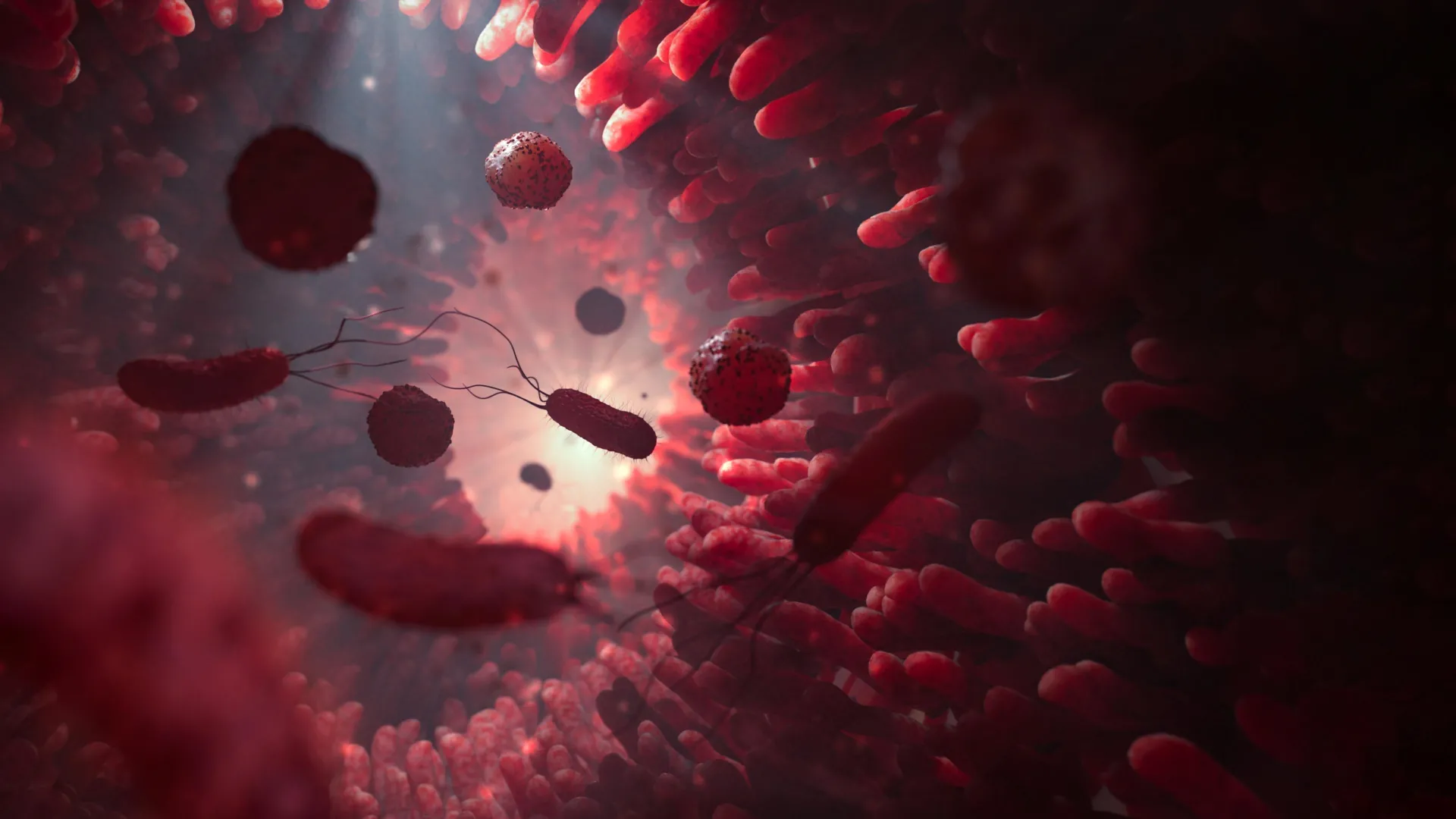
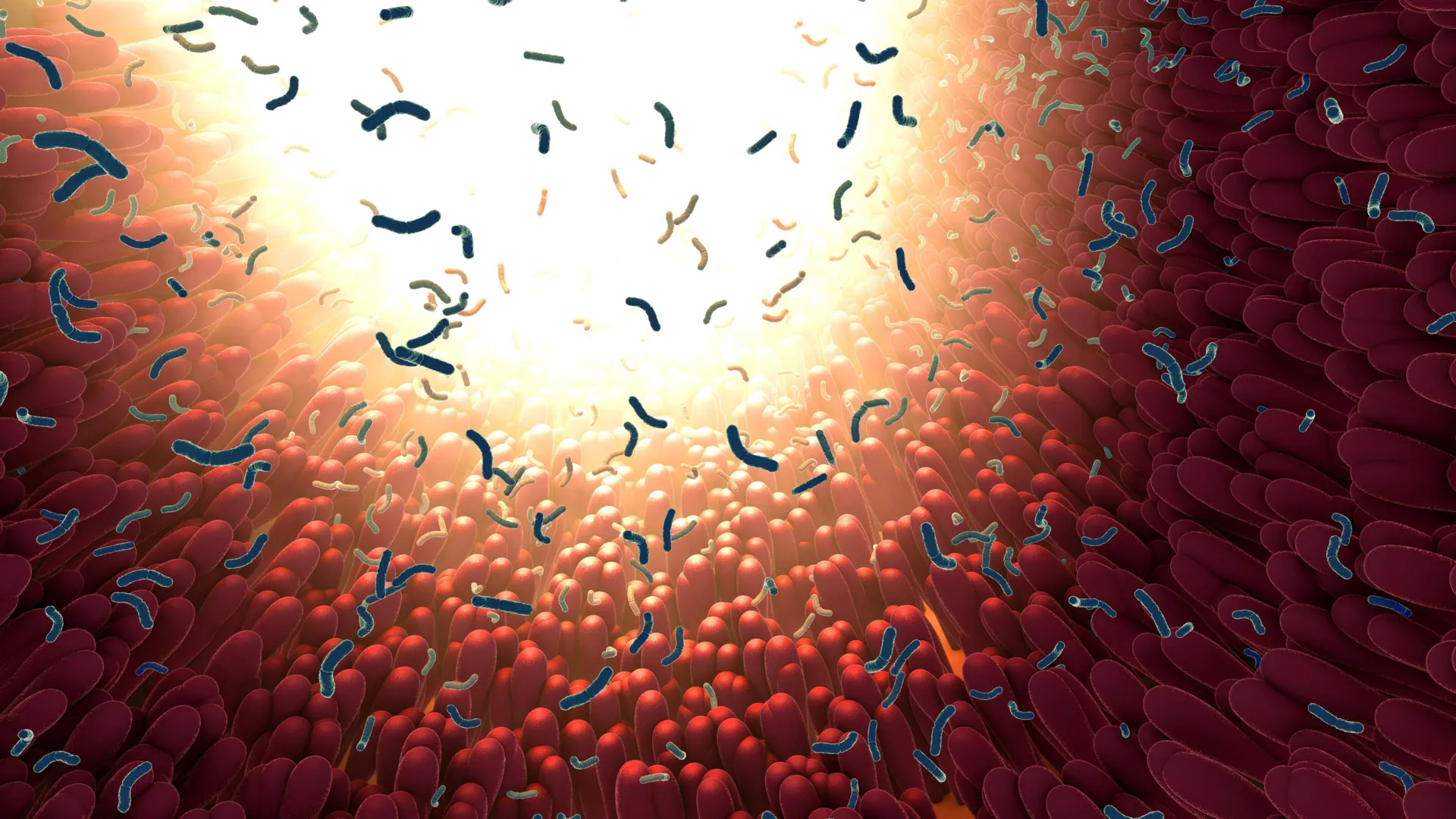
    New Northwestern Medicine research published in Nature Communications suggests that a substance produced when gut bacteria digest dietary fiber may leave a durable molecular mark on cells lining the intestine. That imprint appears to promote immune tolerance and may help protect against inflammatory bowel disease-like conditions even after exposure to the metabolite has ended.

    Yingzi Cong, PhD, the Stanley Gradowski Professor of Gastroenterology and a professor of Microbiology-Immunology and of Pathology, was senior and co-corresponding author of the study.

    The researchers say the results support the idea that beneficial compounds made by gut microbes can effectively “train” the intestinal lining, helping it preserve immune tolerance over time.

    “Our laboratory has long been interested in how the gut microbiota regulates immune responses at intestinal mucosal surfaces,” said first and co-corresponding author of the study Tianming Yu, PhD, research assistant professor of Medicine in the Division of Gastroenterology and Hepatology. “Short-chain fatty acids (SCFAs), which are produced by gut bacteria during the fermentation of dietary fiber, are known to have anti-inflammatory effects in the intestine.”

    How Butyrate May Influence Gut Immunity

    One major question, however, has remained unresolved, Yu said.

    “A large proportion of butyrate in the gut is rapidly absorbed and metabolized by intestinal epithelial cells (IECs), which limits the amount of free butyrate that can directly reach underlying immune cells,” Yu said. “This led us to ask whether butyrate might act through IECs to regulate intestinal immunity.”

    To investigate, the researchers supplied mice with butyrate in their drinking water for a set period and then ended the treatment. Two weeks after the butyrate had been withdrawn, CD4+ T-cells were still producing elevated levels of IL-10, an important anti-inflammatory cytokine that helps control intestinal inflammation.

    The treated mice were also more resistant to chemically induced colitis. Compared with untreated animals, they lost less weight, had lower levels of inflammatory markers, and developed less severe tissue damage. According to the study, this protection depended on IL-10 signaling.

    The researchers also determined that the lasting effect did not result from changes to the gut microbiome itself. In experiments involving germ-free mice, which lack all microbes, butyrate still created a persistent immune-regulating environment.

    “We found that oral butyrate treatment induces a sustained immunoregulatory response in the intestine, characterized by increased IL-10 production in CD4+ T-cells and protection from intestinal inflammation even after butyrate treatment is stopped,” Yu said. “This effect was also observed in germ-free mice, suggesting that butyrate can establish a lasting intestinal environment that does not depend on continuous microbial stimulation.”

    Intestinal Cells May Store a Lasting Biological Signal

    Yu and his colleagues next focused on intestinal epithelial cells (IECs), which form the physical boundary between the body and the microbiome. In laboratory experiments, epithelial cells exposed to butyrate caused a strong increase in IL-10 production in both mouse and human T-cells.

    “We further found that conditioned medium from butyrate-treated IECs strongly induced IL-10-producing CD4+ T-cells in both mouse and human T-cell culture systems,” Yu said. “These findings suggest that IECs secrete some immunoregulatory factors after butyrate treatment, and these factors can act on T-cells.”

    The team then used metabolomic analysis to search for molecules that might be carrying this signal. One likely candidate was N1-acetylspermidine. The compound increased IL-10 production in T-cells and appeared to account for part of the immune-regulating activity generated by epithelial cells exposed to butyrate, Yu said.

    “Mechanistically, we found that butyrate acts on IECs and induces sustained transcriptional and epigenetic activation of Sat1, an acetylpolyamine biosynthetic enzyme,” Yu said. “This promotes production of the metabolite N1-acetylspermidine, which contributes to the ability of butyrate-treated IEC-conditioned medium to induce IL-10 production in CD4⁺ T-cells.”

    The results challenge the traditional idea that intestinal epithelial cells are primarily temporary responders whose main role is to serve as a barrier. Instead, the findings suggest that these cells may retain a longer-lasting molecular record of beneficial signals from the microbiome.

    “The significance of this work is that it identifies a mechanism by which a microbiota-derived metabolite can create durable epithelial T-cell crosstalk,” Yu said. “The intestinal epithelium is often viewed as a short-lived barrier that responds rapidly to luminal stimuli. Our findings suggest that it can also retain a lasting imprint of a microbial metabolite signal. The study also introduces the idea that beneficial microbial metabolites may ‘train’ the IECs to maintain immune tolerance over time.”

    Potential Implications for Inflammatory Bowel Disease

    More research will be necessary to confirm the findings and determine whether the same mechanism operates in people, but Yu said the work could eventually have implications for inflammatory bowel disease.

    “One important next step is to determine how this epithelial metabolic pathway operates in human intestinal disease, especially in patients with inflammatory bowel disease,” Yu said. “We are interested in testing whether the butyrate-Sat1-N1-acetylspermidine pathway is altered in human IECs and whether it correlates with immune regulation or disease activity.”

    The researchers also intend to investigate other metabolites that may contribute to the effect. N1-acetylspermidine by itself did not fully account for all of the immune-regulating activity observed in the experiments.

    Over the longer term, Yu said the findings may expand scientists’ understanding of the relationship among diet, metabolites produced by gut microbes and the intestinal lining.

    “Many studies have focused on how inflammation can leave harmful memory in epithelial cells, but our findings suggest that beneficial microbial metabolites may also establish protective epithelial programs,” he said. “Understanding how diet, microbiota-derived metabolites and inflammation shape intestinal epithelial memory could open new directions for restoring intestinal immune tolerance in inflammatory bowel disease.”

    Wenjing Yang, MD, PhD, research assistant professor of Medicine in the Division of Gastroenterology and Hepatology, was co-first author of the study.

    Additional Feinberg co-authors include Suxia Yao, MD, research associate professor of Medicine in the Division of Gastroenterology and Hepatology; and Parambir Dulai, MD, associate professor of Medicine in the Division of Gastroenterology and Hepatology.

    Cong, Yu, Yang, Yao, and Dulai are members of the Center for Human Immunobiology.

    The study was supported by National Institutes of Health grants DK135193, DK124132 and DK145439.

  • Scientists turn probiotic bacteria into tiny drug factories for pancreatic cancer

    Scientists turn probiotic bacteria into tiny drug factories for pancreatic cancer

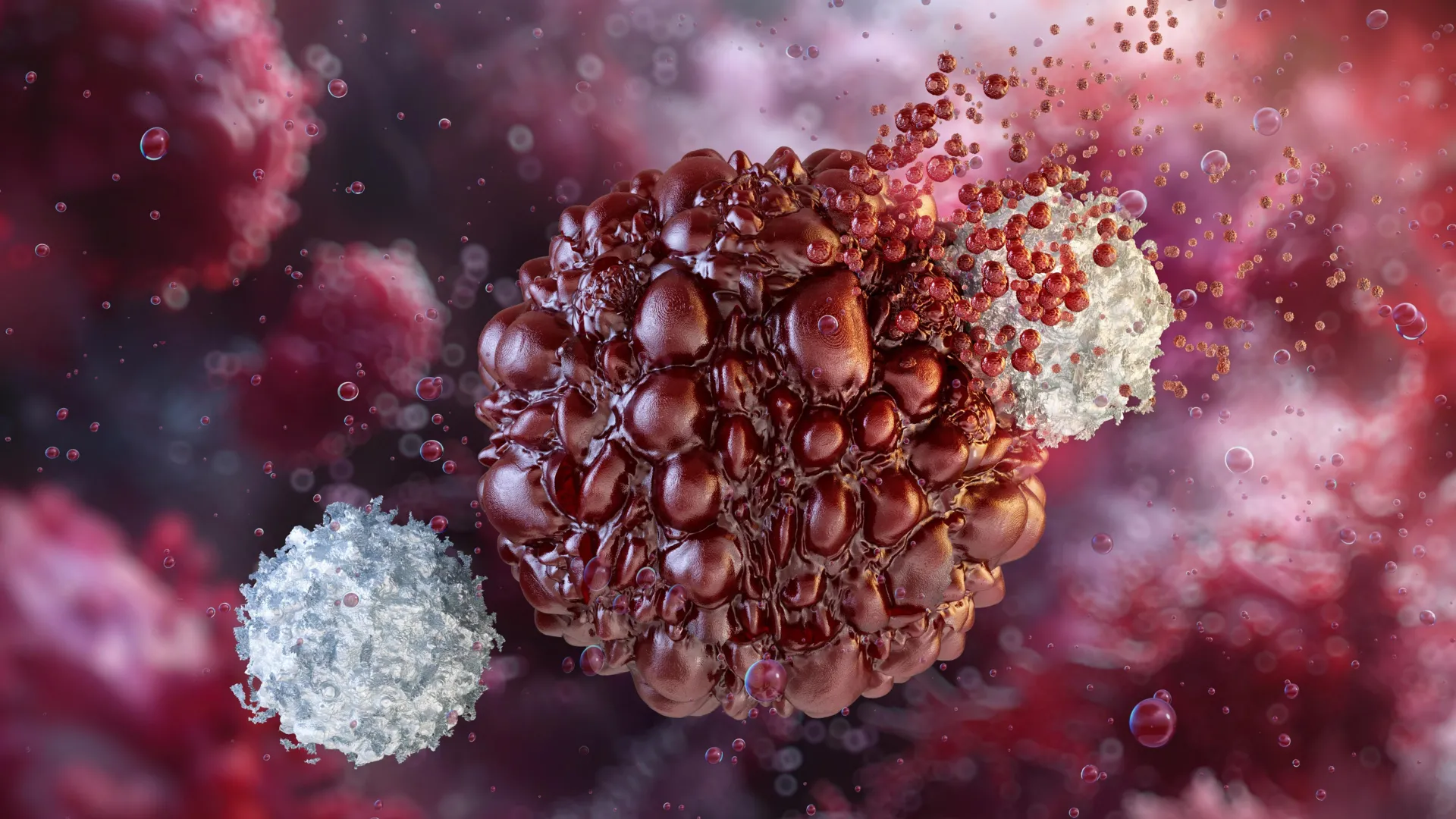
    Cancer immunotherapy has dramatically changed how doctors treat many forms of cancer, yet pancreatic cancer has remained particularly resistant to these advances. A major obstacle is the environment that develops around pancreatic tumors. These tumors often create a “cold” tumor microenvironment that blocks immune cells from launching an effective attack.

    Researchers at the University of Chicago have now developed a new approach that could help overcome this problem. In a study published in Science Advances, the team used BifidoSumIL-2, an engineered strain of Bifidobacterium longum, a probiotic bacterium naturally found in the gut, to carry an immune-stimulating treatment directly into tumors.

    In animal models, the therapy slowed the growth of pancreatic tumors by selectively activating T cells that fight cancer. Its effects became even stronger when researchers combined it with chemotherapy, radiotherapy or immunotherapy. The findings suggest that BifidoSumIL-2 could eventually provide a new way to improve how pancreatic tumors respond to treatment.

    Using Bacteria to Deliver Cancer Therapy

    “A big unmet medical need has been pancreatic cancer, and so that was going to be our mountain to climb,” said Ralph Weichselbaum, MD, the Daniel K. Ludwig Distinguished Service Professor and Chair of Radiation and Cellular Oncology at the University of Chicago.

    BifidoSumIL-2 was created to release a modified version of interleukin-2 (IL-2) once it reaches a tumor. IL-2 is a potent immune signaling molecule that activates T cells involved in attacking cancer. Conventional IL-2 treatment, however, can produce serious side effects and can also stimulate immune cells that actually weaken the antitumor response.

    The researchers sought to avoid these problems by using SumIL-2, a modified form of IL-2 engineered to more precisely activate cancer-fighting T cells while reducing stimulation of regulatory T cells. They then placed SumIL-2 inside Bifidobacterium longum so that the therapeutic molecule could be concentrated within tumors instead of throughout the body.

    Developing the treatment required scientists from several disciplines to work together, including specialists in microbiology, synthetic biology, oncology, and immunology.

    “This was a highly interdisciplinary effort,” said Mark Mimee, PhD, Assistant Professor of Microbiology at the University of Chicago. “We had to bring together people who understand bacteria, people who understand tumors, and people who understand the immune system to make something like this possible.”

    Why Bifidobacterium Can Target Tumors

    Bifidobacterium offered the researchers an unusual advantage as a delivery system. The bacterium grows in anaerobic environments, meaning places with very little oxygen. Low oxygen levels are common inside many solid tumors, including pancreatic tumors, while healthy tissues generally contain more oxygen and are therefore less suitable for the bacteria.

    “Bifidobacterium is an obligate anaerobe, so it doesn’t grow in the presence of oxygen,” Mimee said. When the bacteria are injected systemically, they are cleared from healthy tissues with abundant oxygen. Inside the low-oxygen regions of tumors, however, they can become active.

    That preference allows the engineered bacteria to function as microscopic drug factories inside tumors. Once there, they produce SumIL-2 where the treatment is needed rather than broadly throughout the body. Researchers also noted that Bifidobacterium has shown a favorable safety profile in preclinical models and is already well known as a probiotic organism. It is commonly present in yogurt and is generally recognized as a safe, off-the-shelf probiotic.

    Engineering the organism was not simple.

    “Bifidobacterium is not the easiest organism to work with,” Mimee said. “It’s anaerobic, it grows slowly, and the genetic tools for manipulating it are much more limited compared to model bacteria like E. coli. A lot of the work was just figuring out how to reliably engineer it.”

    Stronger Results With Combination Treatments

    Tests in animal models showed that BifidoSumIL-2 preferentially gathered inside tumors, stimulated immune activity, and slowed the growth of pancreatic cancer. It also changed the tumor microenvironment in a potentially beneficial way by increasing the activity of cancer-fighting CD8+ T cells.

    The results improved further when BifidoSumIL-2 was paired with established cancer treatments. Combining the bacterial therapy with chemotherapy, radiation therapy, or anti-PD-L1 immunotherapy led to better tumor control and longer survival than the individual treatments achieved on their own.

    “This combination potential is one of the study’s most important findings; BifidoSumIL-2 not only works by itself — it works with radiotherapy, chemotherapy, and immunotherapy,” Weichselbaum said.

    Despite the encouraging findings, BifidoSumIL-2 has not been tested in humans. Future research will need to examine its long-term safety, the possibility of effects outside the intended tumor, how long the immune response lasts, and whether the bacteria might eventually be given orally instead of through injection. The researchers also want to investigate whether the strategy can be combined with newer pancreatic cancer treatments, including KRAS inhibitors.

    The Growing “Bugs as Drugs” Approach

    The research adds to growing interest in a strategy known as “bugs as drugs.” By engineering probiotic bacteria to seek out tumors and produce therapies directly inside them, scientists may be able to concentrate powerful immune treatments where they are most useful while reducing unwanted effects elsewhere in the body.

    The study, “Engineered probiotic Bifidobacterium for tumor-targeted pancreatic cancer therapy” was supported by funds from the Ludwig Foundation and the National Institutes of Health.

    Additional authors include Jaehyun Lee, Kaiting Yang, Christina Nowicki, Wei Liu, Emile Naccasha, and Hua Liang from the University of Chicago; Zhichen Sun from the University of Texas Southwestern, Dallas; and Yang-Xin Fu from Tsinghua University, Beijing, China.

    UChicago Medicine and the Biological Sciences Division continue to be at the forefront of cancer care and research. In April 2027, UChicago Medicine will open the AbbVie Foundation Cancer Pavilion, Chicago’s first freestanding cancer pavilion, to bring advanced diagnostics, innovative treatments, translational discoveries, and comprehensive support to patients and the community.

  • When gut microbes run low on fiber, they may start eating you

    When gut microbes run low on fiber, they may start eating you

    Plant based diets support health in several ways, including benefits for the gut, immune system, metabolism, and cardiovascular system. Part of that effect comes from encouraging a diverse population of bacteria in the intestines. Scientists have long known that dietary fiber contributes to these benefits because gut microbes help break it down. Plants also contain colorful “phytochemicals” that help protect them from environmental threats and may influence human health. Even so, researchers are still working to understand exactly how gut bacteria process the many components of plant foods and how those interactions produce beneficial effects.

    Two studies led by Ludwig Princeton’s Jenna AbuSalim and Director Joshua Rabinowitz offer new insight into that process. One appears in the current issue of the Proceedings of the National Academy of Sciences, while the other was published in Nature Metabolism in June. The first study found that plant fiber and certain plant proteins can change microbial metabolism in ways that increase beneficial metabolites while reducing harmful ones. The second showed that several biologically important metabolites usually credited to gut microbes can also be produced in substantial amounts by mammalian metabolism.

    “There’s growing interest across medical disciplines in manipulating the human microbiome or using its metabolic products themselves for therapy,” said Rabinowitz. “Diet holds great promise for controlling the microbiome and its outputs. But to devise effective therapeutic interventions, we need to understand what aspects of the diet control which microbial outputs.”

    How Plant Foods Shift Gut Metabolites

    In the PNAS study, Rabinowitz, AbuSalim and their colleagues examined how plant based foods influence phenol metabolites. Gut bacteria create these compounds when they digest the amino acids tyrosine and phenylalanine, but the resulting metabolites can have very different effects on health.

    Phenylpropionate and hippuric acid are produced when bacteria process phenylalanine, and they are associated with gut health and healthy body weight. By contrast, p-cresol sulfate and phenol sulfate come from tyrosine and have been linked to worse outcomes in cancer patients as well as systemic toxicity in people with kidney disease.

    “Our studies showed that both the fiber and indigestible proteins from plants — which we call ‘proteins imitating fiber,’ or Prif — shift the balance of phenol metabolites from the harmful kind made from tyrosine to the healthful variety derived from phenylalanine,” said AbuSalim.

    Fiber has long been recognized as an important part of a healthy diet, but indigestible plant proteins have received far less attention. AbuSalim, Rabinowitz and their colleagues found that these proteins are processed by gut microbes and can alter both the makeup of the microbiome and the host’s metabolism. Working together with indigestible plant fiber, they can also change the metabolic activity of gut bacteria in ways that favor the production of beneficial phenols.

    When Gut Bacteria Turn to the Gut Lining

    To trace where these compounds came from, the researchers labeled proteins with stable (non-radioactive) isotopes and followed their digestion in the mouse gut. They found that the “bad” phenols were produced when bacteria consumed proteins from the host, including proteins found in the mucus lining of the gut. The good phenols, in contrast, came almost entirely from indigestible proteins in the diet (Prif).

    Fiber reduced the bacterial breakdown of the gut’s mucus lining, which in turn lowered production of the harmful phenols. Prif increased the amount of dietary protein that reached gut microbes, giving them more material to produce the beneficial phenols.

    “We think Prifs represent an emerging class of dietary nutrients that shape the composition of the gut microbiome and could have a far-reaching influence on metabolic health,” said AbuSalim.

    “Food packaging may eventually list Prif right below fiber,” said Rabinowitz.

    Rethinking Where Gut Metabolites Come From

    The Nature Metabolism study focused on the origins of phenol metabolites as well as indole metabolites, which are produced from the amino acid tryptophan. Like phenols, indoles are being studied for their possible therapeutic value.

    Indole metabolites have been connected to a wide range of diseases, including inflammatory bowel disease, neurodegenerative disorders, and cancer. In cancer research, they have been found to affect processes that include cancer metastasis and anti-tumor immune responses.

    Scientists had generally assumed that phenols and indoles were produced only by gut bacteria. AbuSalim, Rabinowitz and their colleagues decided to test that assumption. Researchers have been especially interested in dietary and probiotic approaches that might increase beneficial indole metabolites. But those strategies may need to be reconsidered if mammalian metabolism, rather than microbes, is responsible for much of what circulates in the body.

    Using isotope tracing in mice, rats and human cells, the researchers found that mammalian metabolism can produce many indole and phenol metabolites on its own. These included important compounds such as indole-3-lactate and indole-3-acetate.

    In mice, circulating levels of these metabolites remained high even after antibiotic treatment disrupted the microbiome. A similar pattern appeared in samples from patients taking antibiotics, including cancer patients. At the same time, metabolites made exclusively by microbes, including indole-3-propionate and p-cresol sulfate, declined after antibiotic treatment.

    New Clues for Diet and Microbiome Therapies

    Together, the two studies provide a clearer picture of where phenol and indole metabolites come from and how they are produced. The findings could influence the development of therapies designed to raise or lower specific metabolites.

    They also add important detail to scientists’ understanding of how diet interacts with the microbiome. Knowing which foods influence particular microbial products could eventually help researchers design more precise dietary, probiotic, or metabolic interventions.

    “Beyond that,” said Rabinowitz, “a clearer picture of how different foods interact with the microbiome to modulate the production of bacterial metabolites will help sharpen the guidance nutritionists and doctors can give to people for disease prevention and therapy.”

    These studies were funded by the Ludwig Institute for Cancer Research, the National Institutes of Health, the National Institute of Diabetes and Digestive and Kidney Diseases, the Princeton Alliance for Collaborative Research and Innovation, Princeton University.

    Aside from his post as Director of the Princeton Branch of the Ludwig Institute for Cancer Research, Joshua Rabinowitz is Professor in the Department of Chemistry & Lewis-Sigler Institute for Integrative Genomics and a member of the Rutgers Cancer Institute.

  • Drinking orange juice every day may change thousands of genes

    Drinking orange juice every day may change thousands of genes

    Most of us think of orange juice as a simple breakfast habit, something you pour without much thought. Yet scientists are discovering that this everyday drink may be doing far more in the body than quenching thirst.

    A recent study has shown that regular orange juice consumption can influence the activity of thousands of genes inside our immune cells. Many of these genes help control blood pressure, calm inflammation and manage the way the body processes sugar, all of which play an important role in long-term heart health.

    The study followed adults who drank 500ml of pure pasteurized orange juice every day for two months. After 60 days, many genes associated with inflammation and higher blood pressure had become less active.

    These included NAMPT, IL6, IL1B and NLRP3, which usually switch on when the body is under stress. Another gene known as SGK1, which affects the kidneys’ ability to hold onto sodium (salt), also became less active.

    Such changes match previous findings that daily orange juice drinking can reduce blood pressure in young adults.

    This is noteworthy because it offers a possible explanation for why orange juice has been linked to better heart health in several trials. The new work shows that the drink does not simply raise blood sugar. Instead, it appears to trigger small shifts in the body’s regulatory systems that reduce inflammation and help blood vessels relax.

    Natural compounds in oranges, particularly hesperidin, a citrus flavonoid known for its antioxidant and anti-inflammatory effects, seem to influence processes related to high blood pressure, cholesterol balance and the way the body handles sugar.

    The response also varies by body size. People carrying more weight tended to show greater changes in genes involved in fat metabolism, while leaner volunteers showed stronger effects on inflammation.

    A systematic review of controlled trials involving 639 participants from 15 studies found that regular orange juice consumption lowered insulin resistance and blood cholesterol levels. Insulin resistance is a key feature of pre-diabetes, and high cholesterol is an established risk factor for heart disease.

    Another analysis focusing on overweight and obese adults found small reductions in systolic blood pressure and increases in high density lipoprotein (HDL), often called the good cholesterol, after several weeks of daily orange juice consumption. Although these changes are modest, even slight improvements in blood pressure and cholesterol can make a meaningful difference when maintained over many years.

    More clues come from studies that examine metabolites, the tiny molecules produced as the body processes food. A recent review found that orange juice influences pathways related to energy use, communication between cells and inflammation. It may also affect the gut microbiome, which is increasingly understood to play a role in heart health.

    One study showed that drinking blood orange juice for a month increased the number of gut bacteria that produce short-chain fatty acids. These compounds help maintain healthy blood pressure and reduce inflammation. Volunteers also showed improved blood sugar control and lower levels of inflammatory markers.

    People with metabolic syndrome, a cluster of risk factors that includes high blood pressure, raised blood sugar and excess body fat, may see particular benefits.

    In one study, daily orange juice consumption improved the function of the lining of blood vessels, known as endothelial function, in 68 obese participants. Endothelial function describes how well blood vessels relax and widen, and better function is associated with a lower risk of heart attacks.

    Not all studies report the same outcomes. A broader analysis of blood fat concentrations found that although levels of low density lipoprotein (LDL), often called the bad cholesterol, often fall, other lipid measurements such as triglycerides and HDL may not change much. Even so, people who regularly drink orange juice may still benefit.

    A study of 129 workers in an orange juice factory in Brazil reported lower blood concentrations of apolipoprotein B, or apo-B, a marker that reflects the number of cholesterol-carrying particles linked to heart attack risk.

    Altogether, the evidence challenges the idea that drinking citrus fruit juice is simply consuming sugar in a glass. Whole fruit remains the better choice because of its fiber, but a modest daily glass of pure orange juice appears to have effects that build up over time.

    These include easing inflammation, supporting healthier blood flow and improving several blood markers linked to long-term heart health. It is a reminder that everyday foods can have more influence on the body than we might expect.The Conversation

  • A daily glass of fruit juice was linked to lower depression scores

    A daily glass of fruit juice was linked to lower depression scores

    Drinking a daily glass of 100% fruit juice or a smoothie as part of the UK’s 5-a-day guidance may help support mental well-being, according to research from Newcastle University in the UK.

    In a randomized controlled trial, adults who typically ate relatively little fruit and vegetables received support to increase their intake. Some participants were also asked to include one glass of fruit juice or a smoothie each day as they worked toward the 5-a-day target.

    After four weeks, both groups increased the amount of fruit and vegetables they consumed. However, participants who included fruit juice or a smoothie also reported lower depression scores.

    The peer-reviewed findings were published in the British Journal of Nutrition and funded by the Fruit Juice Science Centre. Researchers say the results add to evidence that relatively simple and practical dietary changes may have benefits for mental health.

    Dr. Courtney Neal, who completed the study while at Newcastle University and is now at the University of Liverpool, said: “While most people know eating 5-a-day can be good for your health, many people struggle to.

    “Our trial showed that when people with low fruit and vegetable intake were provided with targeted financial and educational support to address common barriers to eating 5-a-day, they were able to make meaningful changes to their diet. We found that simple, cost-effective solutions, like drinking a small glass of 100% fruit juice or a smoothie daily, could help people reach their 5-a-day, with potential benefits for mental well-being.”

    Reaching the 5-a-day Goal

    Eating recommended amounts of whole fruits and vegetables has been associated with a lower risk of chronic disease and better long-term health. Despite those benefits, fewer than 1 in 5 (17%) UK adults and only 1 in 10 teenagers currently meet the 5-a-day recommendation.

    Everyone who took part in the 4-week trial ate two or fewer portions of fruit and vegetables per day when the study began. Participants received support designed to help them increase their intake to 5-a-day.

    Some participants were instructed to meet that target using whole fruits and vegetables alone. Others increased their intake of whole fruits and vegetables while also drinking one glass of fruit juice or a smoothie each day.

    Researchers evaluated changes in mood using validated questionnaires that measure symptoms of anxiety and depression. Participants who consumed fruit juice and smoothies alongside whole fruit had lower depression scores than the control group.

    Their scores were 2.52 points lower on a 27-point scale, a difference the researchers described as modest but statistically significant.

    Fiber Intake Also Increased

    Dietary recalls completed during the study suggested that both intervention groups increased their daily fiber intake by an estimated 8-10 g.

    That finding indicates that including juice did not stop participants from adding other fiber-rich fruits and vegetables to their diets.

    The study included 42 participants. Despite concerns about the sugar content of fruit juice, researchers found no adverse effects on metabolic health markers after four weeks among those who consumed fruit juice or smoothies as part of the intervention.

    Dr. Oliver Shannon, Lecturer in Nutrition and Ageing at Newcastle University and one of the senior authors of the study, said: “Given the ongoing cost of living pressures in the UK, the price of fresh produce is often a barrier for people trying to eat more fruit and vegetables. Our study shows that drinking a daily glass of fruit juice or a smoothie could be part of the solution and help people reach 5-a-day fruit and vegetable targets.

    “The finding that fruit juice drinkers had reduced depression scores is promising and worthy of further exploration, particularly in individuals experiencing poor mental well-being. It backs up studies which report improved brain blood flow and cognitive function after people drink citrus juices. Simple dietary changes — like increasing fruit intake, including through a daily glass of juice — could play a role in supporting mental well-being.”

    How the Study Was Conducted

    The 4-week trial included 42 people who consumed two or fewer portions of fruit and vegetables per day at the start of the research. Participants were randomly assigned to one of three groups.

    The first group included 14 people who served as controls and were asked to continue eating their usual diet.

    A second group of 14 participants received support to increase their fruit and vegetable consumption to 5-a-day using whole fruits and vegetables only.

    The remaining 14 participants were also encouraged to reach 5-a-day through whole fruits and vegetables, but they additionally consumed one glass of fruit juice or a smoothie each day.

    All three groups received £10/week. Participants in groups 2 and 3 were also provided with educational materials intended to help them make the recommended dietary changes.

    Researchers assessed participants’ mood using validated questionnaires for anxiety (GAD-7 – Generalized Anxiety Disorder 7) and depression (PHQ-9 – Patient Health Questionnaire-9).

    The fruit juice and smoothie group scored statistically significantly lower for depression markers than the control group. Scores were 2.52 points lower on the 27-point scale in the fruit juice group versus the control – with an adjusted mean score of 5.45 in the control group and 2.93 among participants who included fruit juices.

    Participants also completed four dietary recalls during the study describing what they had eaten during the previous 24 hours. Based on those records, both intervention groups were estimated to have increased their daily fiber intake by 8-10 g.

  • Scientists say just 7 days of meditation can rewire your brain

    Scientists say just 7 days of meditation can rewire your brain

    A week of intensive meditation and other mind and body practices may be capable of producing measurable changes far beyond simple relaxation. In a recent study, researchers at the University of California San Diego found that a seven-day retreat was associated with changes in brain activity, blood chemistry, immune signaling, metabolism, and the body’s natural pain control systems.

    The researchers also found signs of increased neuroplasticity, which is the brain’s ability to adapt, reorganize, and form new connections. The findings, published in Communications Biology, offer new clues about how mental practices and conscious experiences may influence physical biology.

    Measuring the Biology of Meditation

    Meditation and related practices have been used in cultures around the world for thousands of years as tools for health and well-being. Scientists, however, are still working to understand exactly what happens inside the brain and body when people engage in these practices.

    The new research was part of a multi-million-dollar initiative supported by the InnerScience Research Fund. According to the researchers, it is the first study to comprehensively measure the biological effects of several mind and body practices delivered together during a short, intensive program.

    “We’ve known for years that practices like meditation can influence health, but what’s striking is that combining multiple mind-body practices into a single retreat produced changes across so many biological systems that we could measure directly in the brain and blood,” said senior study author Hemal H. Patel, Ph.D., professor of anesthesiology at UC San Diego School of Medicine and research career scientist at the Veterans Affairs San Diego Healthcare System. “This isn’t about just stress relief or relaxation; this is about fundamentally changing how the brain engages with reality and quantifying these changes biologically.”

    Inside the Seven-Day Retreat

    The study involved 20 healthy adults who participated in a 7-day residential program led by neuroscience educator and author Joe Dispenza, D.C. The retreat included daily lectures, approximately 33 hours of guided meditation, and group healing practices.

    Some of those healing activities relied on an “open-label placebo” approach. Unlike a traditional placebo, where participants may not know they are receiving an inactive treatment, people taking part in an open placebo know from the beginning that no active medical ingredient is involved. Researchers have studied this approach because expectations, social interaction, and the experience of participating in a treatment can sometimes produce measurable effects even when no active drug is given.

    Before and after the retreat, scientists examined participants’ brains using functional magnetic resonance imaging (fMRI). This type of scanning detects changes in blood flow associated with brain activity, allowing researchers to observe which areas and networks are more or less active.

    Blood samples were also collected so the team could examine changes involving metabolism, immune activity, molecular signaling, and other biological processes.

    Changes From the Brain to the Immune System

    The researchers reported several notable differences following the retreat.

    Brain activity became less pronounced in regions associated with internal mental chatter during meditation. The researchers interpreted this pattern as a sign of more efficient brain function.

    Evidence of increased neuroplasticity also emerged in laboratory experiments. When scientists exposed laboratory-grown neurons to blood plasma collected from participants after the retreat, the neurons developed longer branches and formed more connections. These changes are commonly associated with the ability of nerve cells to communicate and adapt.

    Metabolism changed as well. Cells exposed to plasma collected after the retreat showed increased glycolytic (sugar-burning) metabolism. Glycolysis is one of the main ways cells convert glucose into usable energy, and the researchers said the shift pointed toward a more flexible and adaptable metabolic state.

    The retreat also appeared to activate the body’s own pain control mechanisms. Blood concentrations of endogenous opioids increased after the program. Endogenous opioids are naturally produced chemicals that act on some of the same biological systems targeted by opioid pain medications, helping the body regulate pain without an external drug.

    Researchers also detected changes in immune signaling. Both inflammatory and anti-inflammatory signals increased at the same time, suggesting that the immune system was undergoing a more complicated adaptive response rather than simply becoming more or less active.

    Small RNA molecules and patterns of gene activity in the blood also changed, particularly in biological pathways associated with brain function. Small RNA molecules help control how genes are expressed and can influence the activity of cells throughout the body.

    Mystical Experiences and Brain Connectivity

    Researchers were also interested in the subjective experiences participants had while meditating.

    The volunteers completed the Mystical Experience Questionnaire (MEQ-30), which is designed to measure experiences involving feelings of unity, transcendence, and altered consciousness. Average scores increased significantly, from 2.37 before the retreat to 3.02 afterward.

    People who reported stronger mystical experiences also tended to show greater biological changes. In particular, higher questionnaire scores were associated with increased integration of activity between different regions of the brain.

    That relationship suggests that greater communication across brain networks may be associated with a stronger likelihood of experiencing profound changes in consciousness.

    Similarities to Psychedelic Brain States

    One of the most intriguing findings involved patterns of brain activity that resembled effects previously documented in people using psychedelic substances.

    The researchers said intensive meditation appeared capable of producing some of the same types of neural connectivity associated with psychedelic experiences, despite participants not taking psychedelic drugs.

    “We’re seeing the same mystical experiences and neural connectivity patterns that typically require psilocybin, now achieved through meditation practice alone,” added Patel. “Seeing both central nervous system changes in brain scans and systemic changes in blood chemistry underscores that these mind-body practices are acting on a whole-body scale.”

    Psilocybin is the psychoactive compound found in certain psychedelic mushrooms. Researchers have increasingly studied it because it can produce dramatic changes in perception, mood, and the way different brain networks communicate.

    The similarities observed in the meditation study do not mean that meditation and psychedelic drugs produce identical effects. Instead, the findings suggest that very different experiences may sometimes engage overlapping brain processes associated with altered states of consciousness.

    Possible Implications for Health and Pain

    The findings give researchers a potential biological framework for understanding how non-drug mind and body interventions might support health and well-being.

    Increased neuroplasticity could potentially support processes involved in mental health, learning, emotional regulation, and resilience to stress. Changes in immune activity could also prove important if future research shows that these effects are reliable and clinically meaningful.

    The increase in endogenous opioids is especially interesting for pain research. Because these chemicals are part of the body’s built-in pain-regulating system, the researchers said the combination of practices used during the retreat could eventually have implications for chronic pain management.

    However, the study was conducted in healthy adults rather than patients with diagnosed medical conditions. Controlled clinical trials will therefore be necessary before researchers can determine whether the observed biological changes translate into meaningful treatment benefits.

    The team is particularly interested in studying whether similar retreats could help people living with chronic pain, mood disorders, or conditions involving the immune system.

    What Researchers Still Need to Learn

    Another major unanswered question is which parts of the retreat were responsible for the observed effects.

    Participants experienced several interventions at the same time, including meditation, reconceptualization, and open-label placebo healing. Because those elements were combined, the current study cannot establish how much each individual practice contributed.

    Future research will examine the components separately and in different combinations. Scientists also want to determine how long the biological changes last and whether repeating the interventions can strengthen or maintain them over time.

    “This study shows that our minds and bodies are deeply interconnected — what we believe, how we focus our attention, and the practices we participate in can leave measurable fingerprints on our biology,” said first author Alex Jinich-Diamant, a doctoral student in the Departments of Cognitive Science and Anesthesiology at UC San Diego. “It’s an exciting step toward understanding how conscious experience and physical health are intertwined, and how we might harness that connection to promote well-being in new ways.”

    Additional coauthors of the study include Sierra Simpson, Juan P. Zuniga-Hertz, Ramamurthy Chitteti, Jan M. Schilling, Jacqueline A. Bonds, Laura Case, Andrei V. Chernov, Natalia Esther Amkie Stahl, Michael Licamele, Narin Fazlalipour and, Swetha Devulapalli, at UC San Diego; Joe Dispenza and Michelle A. Poirier at Metamorphosis LLC; Jacqueline Maree and Tobias Moeller-Bertram at VitaMed Research; and Leonardo Christov-Moore and Nicco Reggente at the Institute for Advanced Consciousness Studies.

    The research was supported by the InnerScience Research Fund and a Veterans Administration Research Career Scientist Award (BX005229).

    Disclosure: One co-author (Joe Dispenza) is employed by Encephalon, Inc., the company offering the retreat; all other authors declare no competing interests.

  • A protein older than blood circulation could transform cancer immunotherapy

    A protein older than blood circulation could transform cancer immunotherapy

    An immune molecule that appeared in evolution long before blood circulation may help improve cancer immunotherapy. Scientists at Nagoya University in Japan discovered that complement C3 can prevent immune-suppressing cells from building up inside tumors, but only when the protein is produced locally within the tumor. C3 traveling through the bloodstream did not influence how well treatment worked.

    The findings, published in Nature Communications, suggest that reproducing this local effect could benefit patients whose tumors do not produce enough C3 naturally.

    An Ancient Part of the Immune System

    C3 is an evolutionarily ancient protein found even in simple animals such as sponges and jellyfish. Most C3 is made in the liver and released into the bloodstream, where it helps the immune system defend the body against infections.

    Scientists know much less about what C3 does when it is produced directly inside tissues and organs.

    “Cancer tumors are surrounded by normal cells called fibroblasts. Until now, the role of complement C3 produced by these cancer-associated fibroblasts within tumor tissue was not known,” said lead author Yuki Miyai, assistant professor at the Graduate School of Medicine, Nagoya University.

    Local C3 Helps the Immune System Reach Tumors

    The researchers found that C3 made within tumor tissue prevents immunosuppressive myeloid cells from entering the tumor microenvironment. These cells can weaken the body’s ability to attack cancer. By keeping them out, locally produced C3 gives the immune system a better opportunity to recognize and fight tumor cells.

    The results point to C3 as an important regulator of cancer immunotherapy, a form of treatment that helps the immune system identify and attack cancer cells.

    To determine whether C3 in the bloodstream also affected immunotherapy, the team conducted experiments in mice that allowed them to distinguish between C3 from different sources.

    When the amount of liver-produced C3 was reduced by 90%, an immunotherapy drug (anti-PD-1 antibody) remained just as effective as it was in mice with normal C3 levels.

    The outcome changed when researchers stopped fibroblasts inside the tumor from producing C3. Under those conditions, the same treatment became less effective, even though the amount of circulating C3 fell by only a small amount (a 9% decrease).

    “What determined the efficacy of the immunotherapy treatment was not the C3 in the blood, but the local C3 produced at the tumor site. When this C3 breaks down, it forms a fragment called iC3b that stops harmful myeloid cells from entering the tumor. As a result, immunotherapy is more likely to work,” Miyai explained.

    Overcoming Resistance to Immunotherapy

    The team then investigated whether they could reproduce the effects of C3 in cancers that normally resist immunotherapy. They tested a drug designed to imitate the way C3 blocks myeloid cells from entering tumors.

    This approach allowed immunotherapy to work against tumors that had previously resisted treatment. It also significantly extended survival in mice.

    The findings could eventually help doctors identify which patients are most likely to benefit from immunotherapy. They may also lead to new treatment options for cancers that do not respond at first.

    Lung Cancer Samples Support the Findings

    Researchers also examined tumor samples from patients with lung cancer. Those with higher levels of C3 in the tissue surrounding cancer cells experienced better treatment results and longer survival.

    About half of the patients with high local C3 levels responded to treatment. None of the patients with lower levels responded. As in the mouse studies, C3 levels in the bloodstream were not linked to treatment success.

    Next Steps for Cancer Treatment Research

    The researchers now plan to test ways of increasing C3 levels inside tumors and to determine the most effective timing for treatment.

    They also believe that learning more about the local activity of C3 could improve understanding of other biological processes, including wound healing and the regulation of inflammation.

  • Scientists find a simple way to stop cavities without drilling

    Scientists find a simple way to stop cavities without drilling

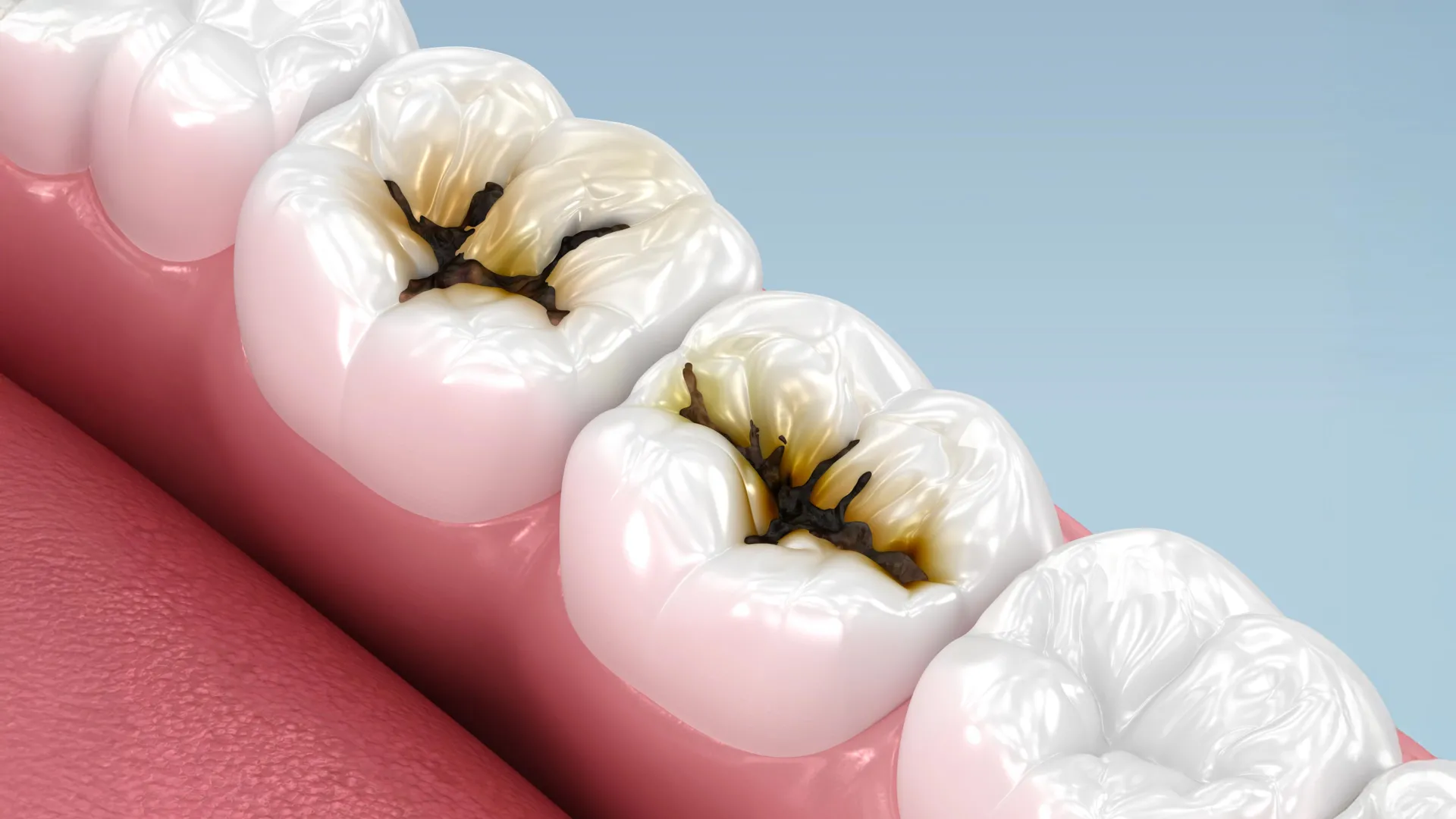
    Untreated cavities send thousands of young children in the United States to emergency departments each year. Because hospital doctors usually cannot repair the underlying dental problem, some children continue to suffer from pain and infection, while others eventually need surgery under general anesthesia.

    A low-cost liquid known as silver diamine fluoride, or SDF, may offer a much simpler option. Dentists apply it directly to a cavity with a small sponge-tipped applicator, a process that takes only a few seconds for each tooth. The treatment can stop decay without drilling, injections, or sedation.

    A Long-Used Treatment Gains Stronger Evidence

    SDF has been used successfully in many countries for decades. In the United States, dentists have used it off-label since 2014, when it was approved as a medical device for reducing tooth sensitivity.

    However, researchers had not yet completed the large U.S. clinical trials needed to demonstrate its safety and effectiveness as a cavity treatment. That evidence would be necessary for the Food and Drug Administration to approve SDF as a drug for treating tooth decay.

    A clinical trial led by the University of Michigan has now supplied those data.

    The Phase III study, published in JAMA Pediatrics, included 830 children younger than age 6. Participants were recruited through dental offices, pediatric medical practices, Head Start and Early Head Start programs in Michigan, New York and Iowa.

    SDF Stopped Decay in Many Baby Teeth

    The researchers found that 38% SDF stopped tooth decay in more than half of the affected baby teeth when the treatment was applied every six months.

    Traditional cavity treatment usually involves removing damaged tooth material and placing a filling. SDF requires no removal of the tooth. Instead, the liquid is painted directly onto the decayed area.

    “This is a very effective and safe treatment — even in children as young as 1,” said Margherita Fontana, professor of dentistry at the University of Michigan School of Dentistry and the study’s lead investigator.

    Tooth decay is the most common chronic disease among children and affects more than 40% of children in the United States. Cavities that are not treated can lead to intense pain, infections, difficulty sleeping or eating, missed school days and repeated medical appointments.

    A Potential Option for Hard-to-Treat Patients

    Fontana said SDF could be particularly useful for very young children, older adults, people with developmental or physical disabilities, and patients with severe dental anxiety. It may also help people who have limited access to conventional dental care or cannot easily tolerate standard procedures.

    The treatment does have a visible drawback. The silver permanently turns the decayed part of the tooth dark.

    “If we want more children and families to benefit from this treatment, we need rigorous evidence showing both that it works and that it’s safe. From a public health perspective, if we want broader implementation across the United States, including in medical settings, we need carefully collected data in U.S. populations, and we now have that,” Fontana said.

    The research began in 2018 and continued despite disruptions caused by the COVID-19 pandemic.

    “In medicine, clinicians want high-quality evidence before changing practice,” Fontana said. “It is important to have data they can refer to because young children often see pediatricians years before they ever visit a dentist; broader acceptance could allow many more cavities to be treated while a referral to a dental home is successful, and before they become painful, infected, or require surgery.”

    Findings Could Support FDA Approval

    Fontana worked with researchers from New York University, the University of Iowa and Indiana University, as well as the NIH’s National Institute of Dental and Craniofacial Research. The institute provided more than $12 million to support the study.

    The trial generated the clinical evidence the manufacturer needs to submit a dental caries drug application to the FDA. Elevate Oral Care supplied Advantage Arrest 38% SDF, the product tested in the study.

    Amr Moursi, professor of pediatric dentistry at New York University College of Dentistry, said the findings could help expand access to the treatment.

    “Our results support FDA approval of SDF for managing arrest of tooth decay in young children. Removing SDF from off-label status would be an important innovation which could lead to increased utilization by providers, enhanced payments by insurers and more consistent product quality,” said Moursi, a co-principal investigator on the study.

    A Bridge or Long-Term Treatment

    For some children, applying SDF again every few months may control the cavity until the baby tooth falls out naturally. In adults, it could function as a long-term treatment or provide temporary protection until a restorative procedure becomes affordable or practical.

    “For almost anyone, this can arrest the decay and stop the infection and the pain it causes,” Fontana said. “This could benefit many people.”

  • CRISPR makes prostate cancer vulnerable to immunotherapy

    CRISPR makes prostate cancer vulnerable to immunotherapy

    Prostate cancer is notoriously difficult to treat with immunotherapy, a type of cancer treatment that helps the immune system identify and destroy tumors. Now, researchers have developed an experimental RNA targeting technology that may make prostate tumors far more vulnerable to an immune attack.

    Most prostate tumors are considered “immune cold” because they attract very few T cells (a type of immune cell). Without enough T cells entering the tumor, immunotherapy has little chance of working. In laboratory studies, scientists used a CRISPR-based tool to change RNA inside prostate cancer cells, effectively making the tumors more visible and attractive to cancer-fighting immune cells.

    The findings, published in Nature Biomedical Engineering, showed that the technology improved the response of prostate tumors to immune checkpoint therapy in mice. More immune cells entered the tumors, where they attacked and destroyed cancer cells.

    “Immune therapy is a monumentally different way to treat cancer, and a great way because you don’t have to give patients terrible drugs that kill the cancer but harm healthy cells in the process,” said Eric J. Wagner, PhD, co-author of the study from the University of Rochester Medicine. “The problem is that some cancers respond well to immune therapy, but others develop resistance or don’t respond at all. Our tool strengthens the immune system’s ability to make the cancer go away and could be used in conjunction with existing immunotherapies in prostate and potentially other immune-cold tumor types.”

    Why Prostate Cancer Resists Immunotherapy

    The work grew out of a discovery Wagner’s team made 12 years ago. While studying glioblastoma (brain cancer), the researchers found that many mRNAs (messenger RNAs) in tumor cells were shorter than normal. Later studies by Wagner’s group and other scientists showed that this shortening occurs across many types of cancer and may help tumors adapt, survive, and escape treatment.

    mRNA carries genetic instructions from DNA to the cell’s protein-making machinery, which turns the information into proteins the body needs to function. Shortened mRNAs tend to be more stable. Like animals that make themselves smaller for protection (think hedgehogs and pangolins), compact mRNAs have less exposed surface area and are less likely to be “eaten” by enzymes inside the cell.

    Short mRNAs are also harder for cells to regulate. Because they remain active for longer periods, they can continue producing large amounts of protein and may spread their effects without normal cellular controls.

    The Immune Signal Cancer Cells Destroy

    One reason a tumor can become immune cold is the loss of the MHC-1 complex. This complex acts like a molecular signal that helps T cells recognize tumor cells. Without it, malignant cells become much harder for the immune system to identify and kill.

    The researchers uncovered a chain of events that helps explain how prostate cancer shuts down this signal:

    • There is a specific protein (SPSB1) that destroys the MHC-1 complex.
    • In prostate cancer, the mRNA that carries the instructions to create this protein is shortened. Consequently, it produces more protein.
    • More SPSB1 protein means less of the MHC-1 complex.
    • Less of the MHC-1 complex makes immune therapy futile, because there’s no magnet to attract T cells to the tumor.

    CRISPR Restores the Tumor’s Immune Magnet

    The collaborative research team, led by scientists from Duke University School of Medicine, created a first-of-its-kind therapy designed to restore the normal length of the mRNA that produces SPSB1. Using an RNA-based CRISPR Cas13 system, the researchers forced the shortened SPSB1 mRNA to re-lengthen.

    CRISPR tools often work by cutting DNA or RNA. In this case, however, the system was engineered to attach to a specific section of the mRNA rather than cut it. By binding to that location, the tool prevented cancer cells from reaching and shortening the end, or tail, of the molecule.

    Keeping the mRNA at its normal, longer length reduced the amount of SPSB1 protein produced by the cancer cells. This allowed the MHC-1 complex to return.

    Once the MHC-1 complex was restored, immune checkpoint therapy became much more effective against the prostate tumors. The researchers also performed a detailed analysis of the results and found no detectable off-target effects from the experimental CRISPR treatment.

    “No one has ever done this before. It’s an excellent preclinical model showing that mRNAs can be forced to re-lengthen and when they do, there’s therapeutic benefit,” said Wagner, professor of Biochemistry and Biophysics and co-director of the Center for RNA Biology. “Cancer is super smart at evolving, but it’s not a magician. If we can hit it with immunotherapy and another synergistic drug that pumps up the immune response, we could potentially cure it. It won’t be able to evolve fast enough.”

    Testing the Technology in Other Cold Tumors

    Wagner, who is also a member of Wilmot Cancer Institute’s Genetics, Epigenetics and Metabolism research program, now plans to investigate whether the approach can work in other immune cold cancers.

    His team recently received pilot funding from Wilmot and Roswell Park Comprehensive Cancer Center to test the technology in pancreatic cancer, another tumor type that often responds poorly to immunotherapy.

    The research was funded by the National Cancer Institute at the National Institutes of Health.

  • The billion-dollar problem keeping Ozempic, Wegovy, and Zepbound from patients

    The billion-dollar problem keeping Ozempic, Wegovy, and Zepbound from patients

    GLP-1 medications have been shown to improve health and offer strong value for their price, yet many insurance plans continue to restrict access. Researchers at the University of Mississippi are investigating the financial and practical reasons behind those limits, along with the consequences for patients.

    A recent analysis from the Institute for Clinical and Economic Review, an independent nonprofit that assesses the value of medical treatments, concluded that GLP-1 drugs including Ozempic, Wegovy and Zepbound are cost-effective. In other words, the health improvements they provide are considered substantial enough to justify their price.

    Why Cost-Effective Does Not Mean Affordable

    In a study published in the Journal of Managed Care and Specialty Pharmacy, Sujith Ramachandran, associate professor of pharmacy administration, explained that a treatment can be cost-effective without being cost-saving for insurers.

    “The ICER report shows that GLP-1s, at the cost that they are currently being sold, provide tremendous value to society,” he said. “But the impact they create on the budget is still massive.

    “That is happening because the patient population eligible for this medication is so large. So even if the medications themselves represent good value for society, that does not mean we, as a society, can take the impact of how many individuals would use this.”

    According to the Centers for Disease Control and Prevention, about 40% of Americans have obesity. If even a relatively small share of that population began GLP-1 treatment, insurance companies could be responsible for billions of dollars in new spending.

    “ICER has a budget impact threshold that estimates whether the uptake of a drug can lead to a budget impact concern,” he said. “The threshold for this year is $821 million.

    “GLP-1s blow way past that threshold, even at lower numbers of uptake.”

    Long-Term Savings Remain Unproven

    Supporters of broader GLP-1 coverage often argue that treating obesity earlier could prevent expensive health problems and reduce medical spending over time. Ramachandran said current evidence has not yet demonstrated that those expected savings actually occur.

    “We expect that if we address the obesity issue in this country, then in theory, it should create savings down the road for cardiovascular conditions, liver conditions and kidney conditions,” he said. “But does that mean it actually produces savings? Well, the existing data do not show that.”

    Many patients stop taking GLP-1 drugs within the first year. Common reasons include the cost of treatment, reaching a target weight, and gastrointestinal side effects. After discontinuing the medication, many people regain some or all of the weight they lost.

    Ramachandran said insurers are more likely to see lasting financial benefits if patients can maintain their weight loss and preserve the related reduction in obesity-associated disease risks. Achieving that may require coverage that extends beyond the six months or one year offered by many insurance plans. It may also require providing the same lifestyle support used in clinical trials.

    GLP-1 Treatment Requires More Than Medication

    “The first thing to remember is that all of the clinical trials, GLP-1s were not tested against no treatment; they were tested against lifestyle management interventions,” he said. “It was not lifestyle management versus GLP-1; it’s lifestyle management versus lifestyle management plus GLP-1.”

    That distinction means patients may need a broader support system rather than medication alone, Ramachandran said.

    “You have to provide them access to a registered dietitian, you have to provide them access to a gym membership, you have to provide them access to a fitness instructor or whatever network of services it is that you can provide to make sure that the change is in a lifestyle and not just in taking a medication once a week,” he said.

    Concerns About Compounded GLP-1 Drugs

    When insurance does not cover GLP-1 medications, less expensive compounded products may appear to offer a more affordable option. However, the researchers warn that these alternatives can carry significant risks.

    Compounded GLP-1 drugs are not subjected to the same rigorous review process as medications approved by the U.S. Food and Drug Administration, according to Liang-Yuan Lin, an Ole Miss doctoral candidate in pharmacy administration who studies compounded drug pharmacies.

    “The FDA has already issued warning letters about compounded GLP-1s,” she said. “The FDA has found websites selling unapproved ingredients or even the wrong ingredients, which is terrifying for patients.

    “Even if they’re listing the right ingredients, you don’t know where these ingredients are from or how they’ve been transported or handled, which could be really dangerous.”

    Lin and Ramachandran advise patients to speak with a physician before beginning a GLP-1 medication and to remain under medical supervision while using it. A doctor can help manage side effects, monitor safety, and confirm that the medication is FDA-approved.

    Coverage May Expand for Some and Tighten for Others

    “I, and I think most people, would hope that everybody who needs this medication gets it,” Ramachandran said. “But what we are seeing is that GLP-1 coverage is getting more accessible for specific conditions — sleep apnea, diabetes, extremely high BMI or a combination of these things — but for other conditions, coverage is probably going to get more restrictive.

    “But those compounding pharmacies are so dangerous. Those prices are more reasonable because these drugs are often not being manufactured correctly, and you don’t always know what you’re injecting in your body.”