Author: admin

  • This light-powered AI can spot deepfakes with nearly 98% accuracy

    This light-powered AI can spot deepfakes with nearly 98% accuracy

    Researchers at the University of California, Los Angeles (UCLA) have created a new optical-neural processor that uses light to help identify deepfake videos quickly and accurately. Unlike conventional systems that typically examine videos one after another using digital hardware, the UCLA technology can analyze 15 or more video streams at the same time.

    The key difference is that part of the detection process takes place through the physical propagation of light. This allows many videos to be evaluated simultaneously during a single optical pass rather than requiring each one to move separately through a conventional digital processing pipeline.

    The technology is detailed in the study “Scalable, Energy-Efficient Optical-Neural Architecture for Multiplexed Deepfake Video Detection,” published in eLight. The researchers designed the optical AI system to serve as a high-throughput, attack-resilient first layer of defense for screening large amounts of manipulated and AI-generated video.

    The Growing Challenge of Deepfake Detection

    Rapid improvements in generative AI have made synthetic videos increasingly realistic, increasing the need for detection systems that are both accurate and capable of operating at large scale.

    Many advanced deepfake detectors depend on enormous amounts of digital computation. A single analysis can require hundreds of billions of floating-point operations, and videos are often processed sequentially. As more content must be checked, both the processing time and energy requirements can rise proportionally.

    Digital detection systems face another problem. Attackers can deliberately alter fake videos in subtle ways designed to confuse a detector and make manipulated footage appear authentic.

    Professor Aydogan Ozcan and his UCLA team developed a hybrid digital-optical system intended to address both challenges.

    A lightweight digital encoder first collects compact information about each video, including spatial, spectral, and temporal features. That information is transformed into a phase pattern and displayed on a programmable spatial light modulator.

    The resulting optical wavefront then travels through a free-space-based, passive optical decoder. At the other end, paired optical detectors directly produce an authenticity score for each video.

    In effect, the system replaces a computationally demanding digital decoding network with a physical process that can handle many streams in parallel.

    Nearly 98% Accuracy Across 15 Videos at Once

    In experiments using visible light, the processor examined 15 Celeb-DF videos simultaneously during each optical pass.

    It achieved an average detection accuracy of 97.79%, along with a sensitivity of 99.86% and a specificity of 95.72%. Sensitivity measures how successfully the system identifies manipulated videos, making the particularly high sensitivity important for a screening tool designed to keep fake content from slipping through.

    The 99.86% sensitivity translated to an average false-negative rate of ~0.14%. In other words, only a very small fraction of manipulated videos were incorrectly classified as authentic.

    The researchers also pushed the system further by increasing its capacity to 18 videos in a single optical pass. Even at that level, average detection accuracy remained at 96.13%.

    More Optical Layers Boost Performance

    The team found that the processor could also become more capable by increasing the physical depth of its passive optical decoder without substantially increasing energy use or inference latency.

    When researchers added two optimized passive diffractive layers while testing more difficult deepfake manipulations, detection accuracy improved by ~6.8%.

    These phase-only diffractive layers can be manufactured as passive, static optical structures/surfaces. They perform additional calculations through the diffraction of light, meaning they do not require additional electrical power while the system is performing an inference.

    That approach could allow more sophisticated processing without the same energy costs that typically accompany larger digital neural networks.

    Testing the System Against Google VEO-3 Videos

    The researchers did not limit their experiments to conventional face swapping deepfakes. They also challenged the processor with videos produced using Google’s VEO-3 model.

    Newer generative AI systems can create footage that lacks many of the obvious artifacts associated with earlier deepfake technology, making them a more difficult target for detectors trained primarily on older forms of manipulation.

    With only minimal fine-tuning, the optical processor achieved 94.80% accuracy and 97.61% sensitivity on previously unseen VEO-3 videos during experiments.

    The results suggest that the approach could potentially adapt as generative AI technology continues to evolve.

    A Deepfake Detector Designed to Be Harder to Fool

    The optical system also showed resistance to black-box adversarial attacks and provides inherent protection against white-box attacks.

    Part of that security comes from the way the detector physically performs its calculations. Because some of the inference process takes place through diffraction, important parameters of the optical model are effectively embedded within the hardware.

    Those parameters can be difficult for an attacker to measure, reproduce, or reverse engineer. That makes reconstructing the detector and designing carefully tailored adversarial changes that can evade it considerably more difficult.

    The processor also continued working reliably when videos were affected by image noise, blur, JPEG compression, and experimental misalignments. According to the researchers, those results illustrate how optical computation could provide a more secure and dependable foundation for some artificial intelligence systems.

    A First Line of Defense Against Deepfakes

    Rather than replacing sophisticated digital detectors entirely, the UCLA processor is designed to work as a highly sensitive first stage of a larger detection system.

    Massive volumes of video could initially pass through the parallel optical processor. Content identified as suspicious could then be sent to more computationally demanding digital models for a more detailed final assessment.

    Such a system could combine the strengths of both approaches. Optical processing could provide parallel operation, low decoder energy requirements, high sensitivity, resistance to adversarial attacks, and the ability to adapt to newer AI video generators, while conventional digital systems could provide deeper analysis when necessary.

    The researchers say this combination could eventually be useful for large-scale content moderation, media authentication, surveillance, and other security-critical AI applications.

    The authors of this work are Parnian Ghapandar Kashani and Dr. Shiqi Chen, who contributed equally, and Professor Aydogan Ozcan. The researchers are affiliated with the UCLA Electrical and Computer Engineering Department, the UCLA Bioengineering Department, and the California NanoSystems Institute.


  • 1 in 13 adults under 30 already had hidden artery plaque

    1 in 13 adults under 30 already had hidden artery plaque

    Atherosclerosis, the gradual buildup of plaque inside arteries that drives most cardiovascular disease, can begin many years before a person notices any symptoms. Now, a large international study suggests that this hidden disease is already present in some young adults who otherwise appear healthy, and that it is considerably more widespread than previously recognized.

    The research was led by Professor Henning Bundgaard, Professor of Cardiology at Rigshospitalet in Copenhagen, Denmark, and Dr. Borja Ibáñez, Scientific Director of the Centro Nacional de Investigaciones Cardiovasculares Carlos III, CNIC, cardiologist at Hospital Universitario Fundación Jiménez Díaz and a group leader at CIBERCV.

    Among more than 16,000 participants with no symptoms or previous cardiovascular disease diagnosis, researchers detected atherosclerotic plaques in 57.1%. The findings were presented in a Hot Line session at ESC Congress 2026 and published at the same time in The New England Journal of Medicine.

    Mapping Hidden Atherosclerosis Across Adult Life

    The findings come from the first phase of REACT, one of the largest efforts yet to examine how silent atherosclerosis develops throughout adulthood. The international project is funded by the Novo Nordisk Foundation and carried out through a collaboration involving Rigshospitalet, other Danish hospitals and CNIC in Spain.

    Professor Bundgaard explains that “the vision of REACT is to transform primary cardiovascular prevention through a precision medicine approach based on the early identification of atherosclerosis.”

    The Novo Nordisk Foundation awarded up to EUR 23 million to support the initiative’s first phase.

    Atherosclerosis is the primary underlying cause of cardiovascular disease, which can eventually appear as a heart attack, stroke or sudden death. Having arterial plaque does not mean that a person will inevitably develop symptomatic disease. However, cardiovascular disease kills nearly 20 million people around the world each year, with atherosclerosis responsible for most of those deaths.

    One of the challenges is that the disease can develop quietly for decades. Plaque may continue accumulating inside the arteries without producing any obvious warning signs.

    Looking for Disease Instead of Estimating Risk

    Professor Ibáñez stated that “the REACT study is based on a simple but revolutionary idea: moving from the current model, which estimates the probability of cardiovascular disease on the basis of traditional risk factors such as blood pressure, cholesterol and smoking, towards a new paradigm in which the disease is detected directly through imaging before it causes symptoms. In this model, preventive interventions and the treatment of risk factors could be guided by the actual presence of silent atherosclerosis rather than relying solely on an indirect estimate of risk. The first step in this ambitious endeavour was to determine the actual prevalence of silent atherosclerosis in all three major vascular territories and across the entire adult lifespan, something that we are reporting now.”

    In other words, rather than relying only on factors such as cholesterol, smoking and blood pressure to calculate someone’s future cardiovascular risk, the researchers want to determine whether plaque is already present.

    REACT is expected to span eight years and two phases. Phase 1 (REACT-DETECT) began in 2024 and, if funding is granted, Phase 2 (REACT-PROTECT) is planned to run from 2027 through 2032.

    The current results come from Phase 1, which researchers say provides the most comprehensive picture yet of where silent atherosclerosis appears in the body, how common it is at different ages, and how its prevalence differs between women and men.

    Atherosclerosis Is Already Present in Young Adults

    For the first phase, researchers enrolled 16,808 people ages 18 to 70 in Denmark and Spain. None had a known history of atherosclerotic cardiovascular disease.

    Every participant underwent advanced imaging designed to identify plaque in three major areas: the carotid arteries in the neck, the femoral arteries in the legs and the coronary arteries supplying the heart.

    The researchers also examined cardiovascular risk factors and blood biomarkers, collected samples for omics studies and analyzed retinal images. Together, these measurements created one of the most extensive databases on atherosclerosis assembled to date.

    The scans showed that atherosclerosis can appear surprisingly early in adulthood. About 1 in 13 participants ages 18 to 29 had signs of the disease in at least one artery.

    The prevalence then climbed steadily with age. Among participants ages 60 to 70, about 9 in 10 had atherosclerosis.

    Ultrasound Could Offer a Simpler Way to Screen

    Another important pattern emerged from the imaging. Most participants who had atherosclerosis in their coronary arteries also showed plaque in the carotid or femoral arteries.

    That overlap could have significant implications for future screening. Imaging the carotid and femoral arteries with ultrasound is easier, quicker and noninvasive compared with performing CT scans to examine the coronary arteries.

    “In the paradigm we propose, portable ultrasound devices usable by any healthcare professional will become the standard tool for atherosclerosis screening from the early stages of adult life,” Dr. Ibáñez said.

    Men and Women Show Different Patterns

    The study also identified notable differences in how atherosclerosis appeared across the lifespan in men and women.

    Among men, prevalence began increasing at younger ages. Their overall pattern of atherosclerosis appeared about five to ten years ahead of the pattern seen in women.

    Women showed their sharpest rise between ages 40 and 60, a period that broadly overlaps with the menopausal transition.

    The researchers say these differences underscore the need to investigate cardiovascular prevention strategies that account for both sex and stage of life.

    Traditional Risk Scores Miss Many Existing Cases

    One of the study’s most consequential findings involved conventional cardiovascular risk assessment.

    Current methods, including risk scores such as SCORE2, identified only a small proportion of people who already had silent atherosclerosis. That suggests a person can appear to have relatively low cardiovascular risk according to traditional measures while plaque is already developing inside the arteries.

    According to Dr. Ibáñez, the findings point toward a potentially different approach to preventing cardiovascular disease.

    “For decades, we have estimated cardiovascular risk using factors such as age, blood pressure and cholesterol. This study shows that we can now go one step further and detect the disease directly before it causes a heart attack or stroke.”

    He added: “The future of cardiovascular prevention must be more precise and personalized. If we identify atherosclerosis in its earliest stages, we will be able to intervene sooner, tailor treatment more effectively and reduce the burden of cardiovascular disease.”

    Professor Bundgaard believes the findings could provide an opportunity to rethink how cardiovascular prevention is carried out.

    “Until now, preventive decisions have been based on an estimate of risk, but we did not know whether the disease was already present. REACT shows that atherosclerosis can be detected decades before clinical manifestations appear and provides the most comprehensive atlas of the evolution of the disease across adult life.”

    Testing Whether Earlier Detection Improves Outcomes

    Professor Bundgaard added that the results create the scientific foundation needed to test whether this proposed preventive approach actually improves health outcomes.

    “Identifying and treating silent atherosclerosis as early as possible is essential to reducing the global burden of cardiovascular disease. Our results support prospective studies evaluating whether a preventive strategy guided by imaging, including the use of portable ultrasound, can improve current standards. If confirmed, this would bring precision medicine to the most common cardiovascular disease.”

    If funded, the second phase of REACT, planned for 2027 to 2032, will examine that question directly.

    Researchers intend to launch a large randomized clinical trial testing whether prevention guided by imaging can slow or reduce the systemic progression of atherosclerosis. The longer term goal is to determine whether this strategy can prevent heart attacks, strokes and other cardiovascular events more effectively than current practice.

    Expanding REACT Around the World

    The research team is also extending REACT beyond Europe to determine whether the findings hold across different populations.

    “REACT is expanding its impact around the world. We have established close collaborations with India, Singapore, Tanzania and Mexico to validate these results in populations across the globe,” Dr. Ibáñez said.

    REACT builds on the earlier PESA-CNIC-Santander study led by Dr. Valentin Fuster, Director General of CNIC, who is also directly involved in REACT.

    That work found that atherosclerosis was already present in many middle aged adults and was associated with lifestyle patterns. REACT extends the investigation into much younger age groups in an effort to understand when the disease first begins to emerge.

    “PESA has shown us that atherosclerotic disease is present in many middle-aged people and is associated with lifestyle patterns. In REACT, we wanted to investigate how it emerges at much younger ages. For years, we have proposed that early intervention in atherosclerosis could not only prevent its progression but might even make it possible to cure the disease. REACT will answer this question,” Dr. Fuster said.

  • Quantum computing’s “dark horse” just proved it can go universal

    Quantum computing’s “dark horse” just proved it can go universal

    A practical quantum computer must eventually be able to handle any type of quantum algorithm, much like a conventional laptop can run many different kinds of software. Researchers have now demonstrated a new way to reach that level of flexibility using unusual quantum objects known as non-Abelian anyons.

    Scientists from the University of Chicago Pritzker School of Molecular Engineering (UChicago PME), Harvard, Stony Brook University, and Quantinuum created and tested a full set of operations based on non-Abelian anyons. Their results provide the first experimental demonstration that this approach can support the broad range of operations required for universal quantum computing.

    “We demonstrated a so-called universal gate set — meaning that if you store information in these emergent versions of quarks, and you move them around, you can do any quantum computation you might want to do,” said Ruben Verresen, assistant professor of molecular engineering at UChicago PME and a co-author of the new study published in Nature.

    A Possible Shortcut Around Costly Quantum Error Correction

    The strategy could do more than help create a general-purpose quantum computer. It may also offer a more efficient route toward reliable quantum machines.

    Quantum computers are extremely vulnerable to errors, so researchers typically protect information by distributing it across many physical qubits. These error correction methods can preserve data, but they usually do not provide every operation needed to perform universal quantum computation on that protected information.

    To fill the gap, engineers often rely on specially prepared resources called “magic states.” Producing them usually requires an intensive purification process known as distillation, which can consume a large fraction of a quantum computer’s available qubits. The new results suggest that non-Abelian anyons may offer a way around that expensive step.

    “Non-Abelian codes are a dark horse in the race to quantum error correction,” said Henrik Dreyer, managing director and scientific lead at Quantinuum’s Munich office and a co-author of the study. “In this work we show the first universal gate set in a non-Abelian code, which demonstrates that fault-tolerant computations can in principle be done without resorting to magic state distillation or cultivation, which are the most expensive operations in standard quantum error correction codes.”

    Why Non-Abelian Anyons Are Different

    Ordinary qubits encode information using two basic states, along with quantum combinations of those states. Non-Abelian anyons work in a fundamentally different way.

    These anyons do not appear as ordinary standalone particles in nature. Instead, scientists create them inside quantum circuits by entangling many conventional qubits into a collective state that behaves as though it were a new type of particle with its own unusual rules.

    “The way I think about these codes is they’re creating little universes — alternative universes, but ones that reflect some of the properties of our own,” Verresen said.

    Each non-Abelian anyon carries an internal state that changes when one anyon is moved around another in a process known as braiding. The sequence of those braiding operations matters (that’s what non-Abelian means), allowing information to be encoded and manipulated in ways that are unavailable to ordinary particles.

    Because the information is spread across many entangled qubits rather than stored in a single location, it can also be naturally protected from some of the small disturbances that frequently disrupt conventional qubits. Braiding the anyons can also perform computational operations.

    Why Braiding Alone Was Not Enough

    In 2024, a research team that included Verresen used a Quantinuum trapped-ion computer to create anyons associated with a symmetry group called D4 — the rotations and reflections that leave a square unchanged — demonstrating this form of non-Abelian order on quantum hardware for the first time.

    That experiment showed that the unusual particles could be created and manipulated, but braiding them alone was not sufficient to carry out every operation required for universal quantum computing.

    “In that work, we didn’t demonstrate that those emergent forces were enough to do quantum computation,” said Verresen. “That particular universe we created was not powerful enough.”

    Fusion Unlocks Universal Quantum Operations

    For the new study, the researchers switched to another symmetry known as S3 — the rotations and mirror-image flips that leave an equilateral triangle unchanged — and created the corresponding anyons on Quantinuum’s H2 trapped-ion processor using 54 entangled qubits.

    The S3 system had the properties needed for universal quantum computation, but only when braiding was combined with another operation called fusion. During fusion, two anyons are brought together and the resulting state is measured.

    The underlying concept was proposed theoretically in 2003 by Carlos Mochon, then a student of John Preskill at Caltech. Turning that theoretical idea into an experiment that could actually run on quantum hardware, however, required extensive additional theoretical and experimental work.

    The researchers used pairs of anyons to encode “topological qutrits” which store three possible levels of quantum information instead of the two levels used by ordinary qubits.

    By combining different braiding and fusion operations, the team demonstrated three key tools: one entangling gate produced through braiding and two different measurements created through fusion. Together, those operations can in principle produce any quantum operation, including operations that braiding alone could not achieve.

    Beyond their possible computing applications, these unusual quantum states could also help researchers investigate fundamental aspects of physics.

    “It is gratifying to see ideas we have spent our PhD work thinking about realized in the lab, and it has been made possible by remarkable advances in quantum hardware over the past few years,” said Anasuya Lyons and Chiu Fan Bowen Lo, graduate students at Harvard University in the group of Ashvin Vishwanath who helped lead the work.

    Toward Fault-Tolerant Quantum Computers

    The researchers also demonstrated that non-Abelian anyons could directly produce a magic state using topological operations — sidestepping the costly distillation process used in most quantum systems.

    The experiment did not yet include active error correction. Instead, the researchers focused on testing the individual building blocks of the method and confirming that they could create a magic state consistent with theoretical expectations.

    “So far, we’ve ignored the question of error correction. Here, it’s more like a proof of principle,” Verresen said.

    The next major step will be combining these operations with active error correction. If that can be achieved, non-Abelian anyons could eventually become a practical basis for large-scale, fault-tolerant quantum computers. Verresen is already working with other PME researchers on new techniques for stabilizing non-Abelian quantum memories.

  • Scientists thought they knew how this 70-year-old leukemia drug worked

    Scientists thought they knew how this 70-year-old leukemia drug worked

    For more than seven decades, doctors have used the drug 6-thioguanine (6-TG) to treat leukemia. Its effects in patients are well documented, but researchers are still working to understand the molecular details that determine why some cells are killed by the drug while others manage to withstand it.

    A team at the CeMM Research Center for Molecular Medicine of the Austrian Academy of Sciences, working with scientists at the University of Oxford, the Weizmann Institute of Science and the University of Dundee, has now identified an unexpected factor in that response: a protein called NUDT5.

    The finding follows a recent discovery from the Kubicek and Huber laboratories (Science, 2025). That earlier work showed that NUDT5 has an important role inside cells that does not depend on its usual enzymatic activity. Rather than functioning only as a catalyst that drives chemical reactions, NUDT5 can also act as a molecular scaffold that helps organize cellular metabolism.

    That unusual function appears to matter for how cells respond to 6-TG.

    “We initially expected that NUDT5 would influence 6-TG through its enzymatic activity,” says co-first author Tuan-Anh Nguyen from CeMM. “Instead, we found that inhibiting the enzyme had little effect. What mattered was whether the protein itself was present.”

    Removing NUDT5 Changes the Drug Response

    Many drugs that target enzymes are designed to block the chemical reactions those enzymes perform. The researchers wanted to know whether suppressing NUDT5 in this way would also change the effects of 6-TG.

    To test that idea, they used an emerging strategy known as targeted protein degradation. Instead of merely blocking a protein’s activity, this method causes the cell to eliminate the protein altogether.

    “We developed a cell-based platform to accelerate the discovery of NUDT5 degraders. This platform helped guide the medicinal chemistry efforts that ultimately produced dNUDT5, our most active degrader,” said Anne-Sophie Marques, a first author of the paper whose work at Oxford contributed to the findings.

    A medicinal chemistry program led by the Huber laboratory at the University of Oxford produced a collection of highly selective NUDT5 degraders. The researchers also created matched control compounds that could bind to NUDT5 without causing the protein to be destroyed.

    They then compared the effects of these molecules with conventional NUDT5 inhibitors.

    The difference was clear. Blocking NUDT5’s enzymatic activity did not meaningfully change how cells responded to 6-TG. Removing NUDT5 from the cells, however, protected them from the toxic effects of the drug. Genetic experiments led to the same conclusion.

    “Chemical degraders give us a way to separate what a protein does as an enzyme from what it does as a physical presence in the cell,” says Professor Kilian Huber, Centre for Medicines Discovery at the University of Oxford and co-corresponding author of the study. “In this case, that distinction was decisive: removing NUDT5 revealed biology that conventional inhibitors missed.”

    A Hidden Function Beyond Enzyme Activity

    The results indicate that NUDT5 affects sensitivity to thiopurine drugs through a mechanism that does not depend on its catalytic activity. In other words, studying what the enzyme chemically does is not enough to explain its influence on 6-TG.

    “As the results came in, it became immediately clear that the dNUDT5 was protecting cells from 6-thioguanine toxicity in a dose-dependent manner. That was an incredibly exciting moment,” said Ludwig Bauer, a first author of the paper.

    The researchers also discovered an intriguing connection between NUDT5 and another protein called NUDT15, which is already known to affect how patients respond to thiopurine drugs.

    The two proteins appear to have opposing effects.

    Loss of NUDT15 makes cells more sensitive to 6-TG. Reducing NUDT5, by contrast, makes cells more resistant to the treatment. The findings suggest that the proteins influence thiopurine response through different mechanisms that can push cells in opposite directions.

    “Our results show that proteins can have important biological functions that are completely independent of their enzymatic activity,” says corresponding author Stefan Kubicek, Principal Investigator at CeMM. “By removing NUDT5 rather than simply inhibiting it, we were able to uncover a hidden layer of biology that helps determine how cells respond to a clinically important drug.”

    A New Window Into Leukemia Drug Response

    The findings do not immediately lead to a new treatment, but they reveal an unexpected mechanism that helps control the effects of a long-used leukemia drug.

    By showing that NUDT5 influences 6-TG through a non-catalytic function, the research could help scientists better understand why responses to thiopurine treatment can differ. It also demonstrates how targeted protein degradation can expose biological functions that may remain invisible when researchers rely only on traditional enzyme inhibitors.

    This work was supported by the European Research Council (ERC) under the European Union’s Horizon 2020 research and innovation program, the Austrian Science Fund (FWF), the Vienna Science and Technology Fund (WWTF), the Marie Skłodowska-Curie Actions Postdoctoral Fellowships program, the Innovative Medicines Initiative 2 Joint Undertaking (IMI2 JU), the Wellcome Trust, Merck Sharp & Dohme Corp. and Janssen Pharmaceutica NV.

  • China’s surging biotech sector represents both competition and lifeline for the US

    China’s surging biotech sector represents both competition and lifeline for the US

    Emerging from stealth earlier this month, Boston-based Solstice Oncology highlighted its origins in a trans-Pacific exchange that’s grown commonplace. The startup licensed its lead asset, colon cancer candidate porustobart, from Chinese biotech Harbour BioMed in February in a deal worth more than $100 million upfront and potentially upwards of $1 billion. Such deals are helping to fuel the rapid growth of Chinese biotech, which is also the beneficiary of decades of focused support by its government.

    There’s ample reason to believe that trend will continue: Last week, the Chinese government released a new five-year plan that lays out a goal of $521.8 billion in combined revenue for its domestic biotech industry by 2030. It also aims to originate at least 25% of first-in-class drugs on the global market by that date.

    Meanwhile, out-licensing from Chinese biotechs has surged since the start of the COVID-19 pandemic, from 35 such deals worth a total of $989 million in 2019 to 186 deals worth $137.7 billion in 2025, according to data from PharmCube. Evaluate has predicted that Chinese assets will make up more than two-thirds of total deal value this year, up from less than 5% five years ago.

    “The number of licensing deals have radically accelerated, wherein large pharmaceutical companies are increasingly turning their business development to China,” Jeremy Levin, executive chairman of Ovid Therapeutics, told BioSpace. “The shift of pharmaceutical licensing activity toward China-originated assets is now an established fact, and two years ago it was far less pronounced.”

    Such licensing deals may be a boon to companies like Solstice Oncology, but the rise of Chinese biotech has prompted considerable handwringing about U.S. competitiveness.

    “We have to start thinking about what it means if we so erode our innovation base here in the U.S. that we are dependent on a potential adversary for life-sustaining medications,” Caitlin Frazer, executive director of the National Security Commission on Emerging Biotechnology (NSCEB), told BioSpace last month.

    How China gained momentum

    The Chinese government’s prioritization of biotech traces back to a 2006 mention of related terms in a medium- and long-term planning document, said Alexander Brown, a senior analyst at the Mercator Institute for China Studies (MERICS). The sector has continued to crop up in government planning documents in the two decades since. While experts say it’s difficult to quantify how much the Chinese government puts into its domestic biotech sector, Brown and a MERICS co-author estimated the investment was at least 20 billion renminbi (about $3 billion) in 2023.

    One difficulty in quantifying the government’s support is that it goes beyond direct investment in startups, Cyriac Roeding, CEO of the cancer therapeutics firm Earli, said in an interview. “The Chinese government does a lot of things in many different ways, not just direct investments, but also purchases, like getting into the game as a customer, or cheaper supplies,” he explained.

    Levin said the Chinese government’s biotech strategy has taken decades to execute. First, it established the ability to manufacture medications. Next came domestic contract research organizations (CROs). “That gave them the ability to make a molecule and then to test it,” Levin said. “As they did that, they studied very carefully how we approved drugs. And so they established and continually refined their drug approval process in China.”

    In step three, China launched clinical trials “in a way that complemented their testing of drugs in the CRO-like environment,” Levin said. “They established a highway which was high speed for the development of so-called lookalikes or bio-betters,” medications based on the mechanism of action of existing drugs developed elsewhere. In step four, the government launched programs aimed at attracting researchers who’d gained valuable training and experience abroad to return and put their skills to work domestically. These programs cover a range of science and engineering fields in addition to biotech.

    Some commenters have used the specter of Chinese competition to argue for more streamlined regulation of clinical trials in the U.S. On the flip side of the same coin, two lawmakers called for increased FDA oversight of Chinese study sites and scrutiny of data collected there after several clinical trial deaths in the country. But none of the experts who spoke with BioSpace cited a superior regulatory process as a factor in the rise of the Chinese biotech industry.

    “Yes, [regarding the] FDA, there’s a lot of things that can be done better. No question,” Roeding said. But that’s not going to reorient the trajectories of the U.S. and Chinese biotech sectors. Rather, he argued, you have to follow the money.

    A funding double-bind

    Roeding pointed out that the billions poured into licensing deals with Chinese companies represent money not going to innovative early-stage research happening stateside. That compounds what he sees as the major factor holding U.S. biotech back as China rises: a lack of consistent funding.

    While he conceded that boom and bust cycles have always characterized private investment in U.S. biotech, he said funding for early-stage, innovative research is far worse than in the past because of a prolonged post-COVID bust and because AI ventures are now attracting the vast majority of venture capital investment, leaving little leftover for biotech. And while currently the “XBI looks great,” Roeding said, most investment that does reach biotech goes to clinical-stage companies rather than earlier-stage work.

    “This industry is deeply suffering from the lack of consistency. That’s our biggest problem,” Roeding said. “Consistent funding for innovation that has long cycles of time, much longer than others, is critical.”

    To accomplish that, he argues for the creation of a publicly funded sovereign wealth fund. Its investments should be concentrated in bust cycles and in bridging the “valley of death” between early, NIH-funded research and clinical validation, he said. “And now you can start flattening the [boom-and-bust investment] curve and you can be internationally competitive.”

    Moreover, Roeding added, “the beautiful thing about it is if it’s done right. . . . It’s actually going to pay itself back and more. Society is going to make money off this.”

    Levin has a different take. A lack of appreciation for biotech and a failure to differentiate it from pharma mean that the former sector suffers from price-control policies such as the IRA and Most Favored Nation, as well as a health insurance industry that often pushes the cost of drugs onto patients, he said.

    Then to add insult to injury, Levin continued, the FDA substantially reduced its workforce last year, laying off about 20% of employees. That loss of institutional knowledge caused what he called “structural damage” that risks widening an already established competitive gap as China moves rapidly in biotechnology.

    That said, Chinese biotech faces barriers of its own, Levin noted, especially in their capability to scale, to fully develop drugs on their own and to reach overseas markets. “And that’s why we’re seeing a huge takeoff, also, of out-licensing deals in recent years,” Levin told BioSpace.

    “So it’s not all rosy for the Chinese biotech sector,” he continued, “but certainly this long-term government backing and just the fact that they’re able to do research and do certain processes in China at a higher scale, at a cheaper cost, at a faster speed than in other countries is really a core reason why they’re rising so quickly.”

    The new five-year plan, he said, demonstrates that “China has moved well beyond trying to become faster and better at drug development. It now wants to discover important new medicines in China, develop them there and build companies that sell them around the world. That represents a fundamental change in China’s ambition for its pharmaceutical industry.” Even if it falls short of its “extraordinarily ambitious” 25% first-in-class target by 2030, “What matters is what China will have built along the way.”

    “When China decides to make something a priority, it follows through with strategy, planning and investment,” Roeding said.

    A geopolitical lever?

    Levin postulated that the Chinese government plan for the rise of biotech culminates with a fifth step in which a Chinese company develops a groundbreaking medication—he gives the example of a cure for Alzheimer’s—but withholds it from the U.S. if relations between the two countries are tense at the time. In other words, China could use life-sustaining medicines as a bargaining chip, just as it has with magnets, solar technology and rare earth metals.

    Roeding warned that Chinese dominance could become an issue even when there is no competitive intent involved, namely if supplying a drug domestically needs to be prioritized. He pointed to the COVID pandemic, when each country prioritized its own supply of vaccines. Becoming dependent on a drug sourced from China would make the U.S. vulnerable to supply chain issues.

    Brown agreed it’s a possibility the Chinese government could use a crucial drug as a strategic lever. In his view, that’s more likely to work after a Chinese drug is already established in the U.S. or another market, rather than with a newly launched medication. But he said there are ways to mitigate that risk, such as stockpiling drugs and encouraging Chinese companies to set up manufacturing facilities within the country where their drugs will be sold.

    Brown noted it’s still the case that companies in the U.S. and other Western countries have a “huge advantage” over their Chinese counterparts: the market size of their home countries. And accessing U.S. and European markets has been key to some of the Chinese industry’s biggest success stories.

    “That places a question mark on [Chinese companies’] development going forward: whether or not access to those markets will remain open, or whether or not China itself will take measures to expand its own market,” Brown said.

    “[T]he wrong American response is to try to hold China back,” Levin said. “We need to look at what we are doing at home.”

  • MIT’s tiny flying robot gets 450% faster with AI

    MIT’s tiny flying robot gets 450% faster with AI

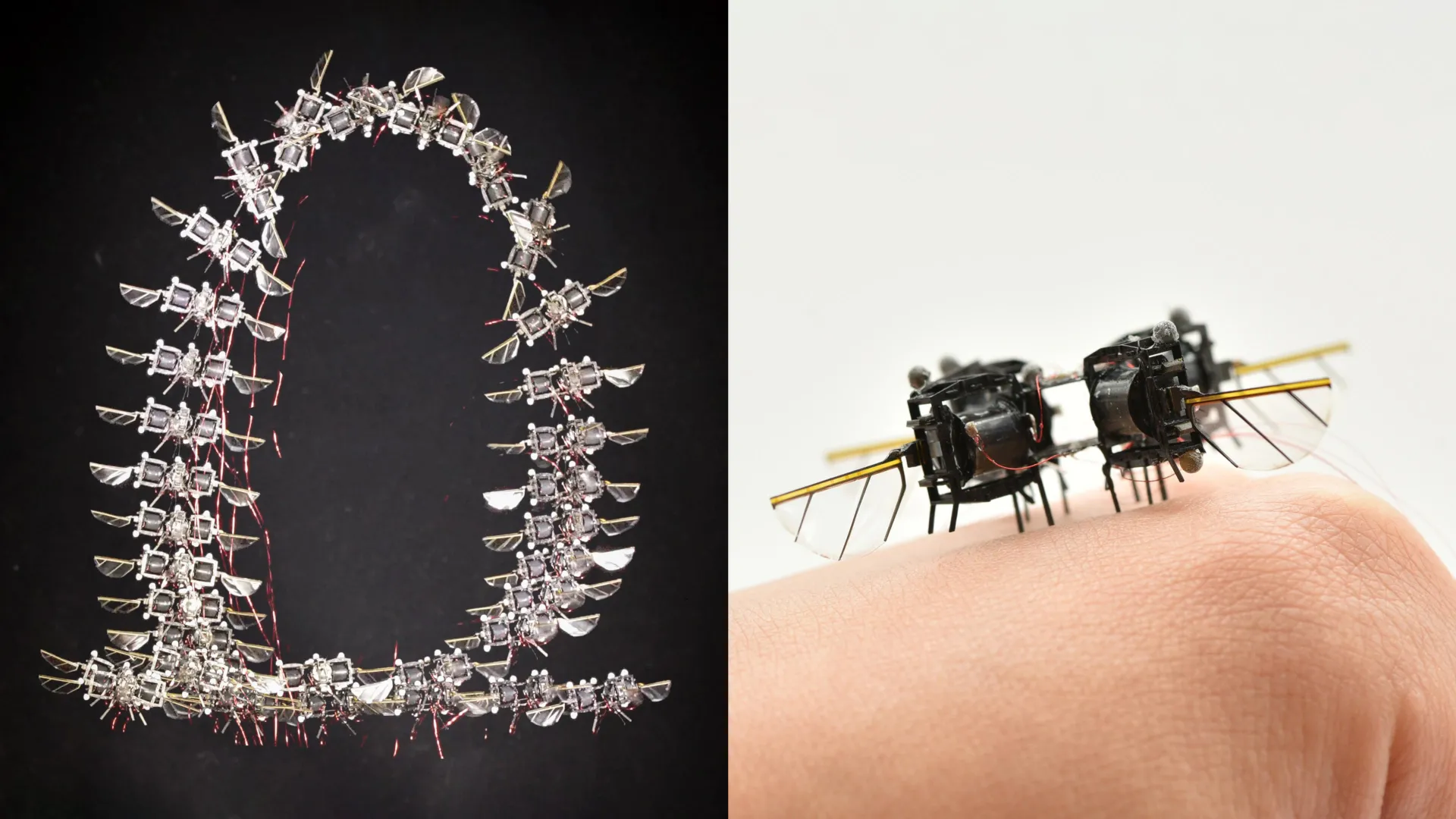
    Tiny flying robots may one day help rescuers search for people trapped beneath collapsed buildings after earthquakes. Because of their small size, these robotic insects could potentially move through narrow spaces that larger drones cannot enter while avoiding walls, debris, and falling objects.

    Until recently, however, aerial microrobots have been far less nimble than the insects that inspired them. They typically moved slowly and followed relatively simple flight paths.

    Researchers at MIT have now demonstrated a new approach that gives an insect-scale flying robot much greater speed and agility. The team developed an AI-based controller that allows the robotic bug to perform demanding aerial maneuvers, including repeated body flips.

    Using a two-part control system designed to balance performance with computational efficiency, the researchers increased the robot’s speed by about 450 percent and its acceleration by about 250 percent compared with their previous best results.

    The robot was agile enough to complete 10 consecutive somersaults in 11 seconds, even while wind disturbances tried to knock it away from its intended path.

    “We want to be able to use these robots in scenarios that more traditional quadcopter robots would have trouble flying into, but that insects could navigate. Now, with our bioinspired control framework, the flight performance of our robot is comparable to insects in terms of speed, acceleration, and the pitching angle. This is quite an exciting step toward that future goal,” says Kevin Chen, an associate professor in the Department of Electrical Engineering and Computer Science (EECS), head of the Soft and Micro Robotics Laboratory within the Research Laboratory of Electronics (RLE), and co-senior author of a paper on the robot.

    Chen is joined on the paper by co-lead authors Yi-Hsuan Hsiao, an EECS MIT graduate student; Andrea Tagliabue PhD ’24; and Owen Matteson, a graduate student in the Department of Aeronautics and Astronautics (AeroAstro); as well as EECS graduate student Suhan Kim; Tong Zhao MEng ’23; and co-senior author Jonathan P. How, the Ford Professor of Engineering in the Department of Aeronautics and Astronautics and a principal investigator in the Laboratory for Information and Decision Systems (LIDS). The research was published in Science Advances.

    AI Gives the Robot a Smarter Flight Controller

    Chen’s group has spent more than five years developing robotic insects.

    The team recently created a more durable version of their tiny robot, which is about the size of a microcassette and weighs less than a paperclip. This newer design has larger flapping wings that support more agile flight. The wings are driven by soft artificial muscles that contract rapidly enough to produce extremely fast wingbeats.

    The physical design had improved, but the robot’s controller remained a major limitation. This controller acts as the robot’s “brain,” determining where the robot is and deciding how it should move. In earlier versions, a human had to tune the controller by hand.

    For the robot to fly with the speed and aggressiveness of a real insect, the researchers needed a system that could handle uncertainty while rapidly solving complex control problems.

    A controller powerful enough to do that would normally demand too much computation to operate in real time, especially because the aerodynamics of such a lightweight flying machine are highly complex.

    To solve this problem, Chen’s group collaborated with How’s team to develop a two-step AI-driven control system. The design combines the robustness needed for difficult, high-speed maneuvers with enough computational efficiency to work in real time.

    “The hardware advances pushed the controller so there was more we could do on the software side, but at the same time, as the controller developed, there was more they could do with the hardware. As Kevin’s team demonstrates new capabilities, we demonstrate that we can utilize them,” How says.

    Teaching a Tiny Robot to Plan Difficult Maneuvers

    The first part of the system uses what is known as a model-predictive controller. This type of controller relies on a dynamic mathematical model to predict how the robot will behave and determine the best sequence of actions for safely following a desired flight path.

    Although this method requires substantial computing power, it can plan difficult movements such as aerial flips, sharp turns, and aggressive changes in body angle. The planner also takes into account limits on the amount of force and torque the robot can produce, helping it avoid movements that could lead to a crash.

    Repeated flips are particularly challenging. To perform one somersault after another, the robot must slow down in exactly the right way so that it begins each new flip under the proper conditions.

    “If small errors creep in, and you try to repeat that flip 10 times with those small errors, the robot will just crash. We need to have robust flight control,” How says.

    The researchers then used this expert planner to train a “policy” built on a deep-learning model through a process called imitation learning. The policy serves as the robot’s real-time decision-making system, determining how and where it should fly.

    In effect, imitation learning allows the team to capture the behavior of the more computationally demanding controller in a faster AI model that can operate quickly enough for real-time flight.

    A major part of the challenge was generating enough useful training data to teach the policy how to handle aggressive maneuvers without creating an unnecessarily large data set.

    “The robust training method is the secret sauce of this technique,” How explains.

    During flight, the AI-based policy receives information about the robot’s position and converts it into real-time commands controlling factors such as thrust force and torques.

    Insect-Like Speed and Agility

    Experiments showed that the two-step control system dramatically improved the robot’s performance. The insect-scale machine flew 447 percent faster and achieved a 255 percent increase in acceleration.

    It also completed 10 somersaults in only 11 seconds while remaining within about 4 or 5 centimeters of its planned flight path.

    “This work demonstrates that soft and microrobots, traditionally limited in speed, can now leverage advanced control algorithms to achieve agility approaching that of natural insects and larger robots, opening up new opportunities for multimodal locomotion,” says Hsiao.

    The team also demonstrated a movement known as a saccade. In insects, this involves pitching the body sharply, rapidly moving to a new position, and then pitching in the opposite direction to stop. This quick acceleration and braking can help insects determine their position and maintain clear vision.

    “This bio-mimicking flight behavior could help us in the future when we start putting cameras and sensors on board the robot,” Chen says.

    Toward Autonomous Flying Microrobots

    One major goal for future research is to equip the microrobots with onboard cameras and sensors. That could eventually allow them to fly outdoors without depending on a sophisticated external motion capture system.

    The team also plans to investigate whether onboard sensing could help groups of the robots avoid crashing into one another and coordinate their movements while navigating.

    “For the micro-robotics community, I hope this paper signals a paradigm shift by showing that we can develop a new control architecture that is high-performing and efficient at the same time,” says Chen.

    This research is funded, in part, by the National Science Foundation (NSF), the Office of Naval Research, Air Force Office of Scientific Research, MathWorks, and the Zakhartchenko Fellowship.

  • Stopping Ozempic may raise heart attack and stroke risk

    Stopping Ozempic may raise heart attack and stroke risk

    GLP-1 drugs such as semaglutide (Ozempic and Wegovy) and tirzepatide (Mounjaro and Zepbound) have surged in popularity for treating diabetes and helping people lose weight. About one in eight U.S. adults now use these medications, which are also known to provide cardiovascular benefits. But new research suggests that those heart benefits may fade quickly when treatment is stopped.

    Researchers at Washington University School of Medicine in St. Louis tracked more than 333,000 U.S. veterans with type 2 diabetes for three years. They found that interrupting or stopping GLP-1 treatment for as little as six months was associated with a meaningful increase in the risk of major cardiovascular events compared with remaining on the medication.

    The longer patients stayed off treatment, the greater the increase in risk. After two years without GLP-1 therapy, the risk of heart attack, stroke and death was up to 22% higher than among people who continued treatment, largely wiping out the cardiovascular protection gained while taking the drugs.

    The findings, published in BMJ Medicine, suggest that stopping GLP-1 medications may have consequences that extend well beyond weight regain. They also point to the importance of uninterrupted treatment for maintaining heart protection.

    “There is enormous exuberance about starting GLP-1 drugs, but not nearly enough attention to what happens when people stop,” said senior author Ziyad Al-Aly, MD, a WashU Medicine clinical epidemiologist and chief of the Research and Development Service at the VA Saint Louis Health Care System. “Many quit after a few months because of cost, side effects or shortages. When they stop, it’s not just weight that comes back; they experience a resurgence in inflammation, blood pressure, and cholesterol. Weight regain is visible; the metabolic reversal is not.”

    “Our data suggest this metabolic whiplash is detrimental to heart health,” Al-Aly added. “Restarting the medication helped restore some protection, but only partially, showing that discontinuation leaves a lasting scar.”

    Heart protection depends on continued GLP-1 use

    GLP-1 medications include the semaglutide drugs Ozempic and Wegovy and the tirzepatide drugs Mounjaro and Zepbound. After observing that about half of users stop taking GLP-1 drugs not long after beginning treatment, Al-Aly set out to examine what happens to cardiovascular health after therapy is discontinued.

    The study focused on major adverse cardiovascular events, including heart attack, stroke and death. Researchers analyzed data from 333,687 veterans with type 2 diabetes. Of those, 132,551 had been prescribed GLP-1 drugs, while 201,136 had been prescribed sulfonylureas, another class of diabetes medications.

    Sulfonylureas include glipizide (Glucotrol), glimepiride (Amaryl), and glyburide (Diabeta and others). Participants were followed for up to three years.

    Researchers reassessed GLP-1 treatment status every six months. During the study, 26% of GLP-1 users stopped taking the medication altogether. Another roughly 23% experienced a treatment gap lasting at least six months before eventually restarting therapy.

    Continuous treatment produced the greatest benefit

    The clearest cardiovascular benefit appeared among people who remained on GLP-1 medications throughout the full three-year study period.

    Compared with participants taking sulfonylureas, those who consistently stayed on GLP-1 therapy had an 18% lower risk of major cardiovascular events. That translated to about four fewer major cardiovascular events for every 100 people over three years.

    Participants who stayed on GLP-1 treatment for two years or two-and-a-half years before stopping for the rest of the study also saw meaningful reductions in risk, at 7% and 15%, respectively.

    By contrast, people who discontinued GLP-1 therapy before reaching 18 months showed no significant reduction in cardiovascular risk compared with those taking sulfonylureas by the end of the study.

    Treatment gaps weakened heart protection

    Interrupting treatment and then restarting it also appeared to reduce the cardiovascular benefit.

    People who remained on GLP-1 drugs continuously for three years had an 18% reduction in risk, while those who stopped temporarily and later resumed treatment saw an average reduction of 12%.

    Even a six-month interruption before restarting therapy was enough to weaken the benefit. Compared with continuous use, those treatment gaps were associated with a 4% to 8% increase in cardiovascular risk.

    Longer periods off the drugs were linked to even greater losses of protection. People who stopped GLP-1 treatment for one year without restarting had a 14% higher risk of cardiovascular events compared with continuous users. After two years off treatment, that increase reached 22%.

    The pattern suggests that cardiovascular benefits accumulated during GLP-1 treatment can be lost relatively quickly once the medication is discontinued.

    Restarting may not fully restore lost benefits

    The findings reinforce the importance of continuous treatment if patients and clinicians want to preserve the cardiovascular effects of GLP-1 therapy. They also suggest that reducing treatment interruptions could help maximize the drugs’ protective effects on the heart.

    “Clinicians should treat adherence to GLP-1 treatment as an important outcome in its own right — not an afterthought,” Al-Aly said. “Health systems need plans in place to help people continue their medication indefinitely, recognizing that GLP-1s treat chronic conditions. That includes proactive management of side effects, candid conversations about the long-term nature of treatment, infrastructure to identify and support patients at risk of stopping and addressing the cost barriers that make GLP-1 therapy unsustainable for many.”

    Al-Aly noted that this is especially important because cardiovascular protection from GLP-1 treatment appears to accumulate gradually but disappear much more quickly.

    For study participants, spending only one year off the medication was enough to lose benefits that had taken years of continuous treatment to build. Restarting the drug restored some of that protection, but not all of it.

    The research was funded by the United States Department of Veterans Affairs. The funders had no role in considering the study design or in the collection, analysis, interpretation of data, writing of the report, or decision to submit the article for publication. The contents do not represent the views of the US Department of Veterans Affairs or the US Government.

  • Chronic stress may be quietly reshaping your heart

    Chronic stress may be quietly reshaping your heart

    Chronic stress linked to everyday life may leave a lasting physical mark on the heart, potentially damaging cardiovascular health and shortening lifespan.

    That conclusion comes from a study of nearly half a million adults in the UK, led by researchers at the MRC Laboratory of Medical Sciences (LMS) and Imperial College London. The researchers believe it is the largest study of its kind.

    Their findings suggest that chronic inflammation, which is associated with lifestyle and socioeconomic circumstances, may contribute to harmful changes in the heart’s structure. It was also linked to a greater risk of heart attack and stroke.

    Importantly, these changes may begin years before a person notices any cardiovascular symptoms, allowing the damage to build silently over time.

    Hidden Inflammation May Change the Heart

    Professor Declan O’Regan, British Heart Foundation Chair of Cardiovascular AI at Imperial College London and Head of the Computational Cardiac Imaging Group at the LMS, said: “Our study, which is the largest of its kind, suggests that millions of people could be living with hidden inflammation, which is slowly changing their heart and causing long-term damage – increasing the risk of heart attack and stroke. Chronic inflammation is complicated, but we know it’s tied to our health and driven by a range of lifestyle and economic factors – meaning people may be at more risk just because of their surroundings, their economic status, their family’s health and their lifestyle.”

    “But while tackling health inequalities remains an issue, there are things that we can do about inflammation, including reducing risk factors like smoking and obesity.”

    Chronic inflammation occurs when the immune system remains mildly activated for long periods rather than switching off after an immediate threat has passed. This persistent, low-level immune activity has been associated with several diseases, including cancer and diabetes, and researchers increasingly suspect that it may also play an important role in heart disease.

    For the new study, the team examined UK Biobank data from nearly 480,000 adults in the UK. They assessed inflammation using a blood marker called glycoprotein acetyls (GlycA) and combined those measurements with heart imaging and genetic information.

    A 43% Higher Risk of Heart Attack and Stroke

    People with the highest inflammation levels (the top 20%) had a 43% higher risk of heart attack and stroke than participants with the lowest levels (the bottom 20%).

    The researchers also found signs that inflammation was associated with physical remodeling of the heart. People with higher inflammation tended to have thicker heart walls, smaller heart chambers and poorer heart filling – all changes which may develop quietly for years before progressing to heart failure.

    Inflammation was also strongly associated with socioeconomic disadvantage and psychological distress. More familiar cardiovascular risk factors, including smoking and excess body fat, were linked to higher inflammation as well.

    People whose inflammation remained elevated over time had a 43% greater risk of heart attack and stroke, even when they had no previously existing heart disease.

    The findings suggest that inflammation may provide one biological route through which pressures from everyday life, including poverty and mental health problems, can affect the body and increase cardiovascular risk.

    Social Factors, Mental Health, and Genetics

    Professor Declan O’Regan added, “The surprising thing was how much social factors and mental health are linked to inflammation and damage to the heart — as well as more well-known risk factors like smoking and inactivity. There was also a strong genetic factor, with some people being naturally more resilient or susceptible to the inflammatory damage that comes from different lifestyles.”

    The researchers emphasize, however, that genetic susceptibility or difficult life circumstances do not make heart disease inevitable. There are still opportunities to reduce persistent inflammation and lower cardiovascular risk.

    The analysis also highlighted inflammatory proteins in the interleukin-1 and TNF families as possible contributors to the observed heart damage.

    Several of these proteins are already being targeted by drugs being tested in clinical trials. That raises the possibility that anti-inflammatory therapies could eventually help prevent cardiovascular disease before symptoms begin.

    Blood Tests Could Help Identify People at Risk

    The researchers also suggest that inflammation blood tests could potentially be combined with genetic risk scores to identify people who may benefit most from early intervention.

    Professor Bryan Williams, Chief Scientific and Medical Officer at the British Heart Foundation, said: “Inflammation is part of the body’s healing process, but there is also a darker side to it. This large-scale study found people with higher levels of inflammation experienced silent changes to the structure of their hearts and had a higher risk of major cardiac events including heart attacks and strokes.”

    “The research provides valuable insights into how our genes and lifestyle factors, such as smoking, poor mental health and socioeconomic status, can converge to trigger inflammation. It also identifies several inflammatory proteins that appear to play a key role in the heart changes linked to chronic inflammation, and it is to be hoped that anti-inflammatory medicines could become an important tool in preventing cardiovascular disease.

    “These findings reinforce the importance of tackling the causes of inflammation and poor cardiovascular health, while also supporting people to make lifestyle changes that can help protect their hearts.”

    The study was funded by the Medical Research Council and British Heart Foundation.

    The work was also supported by the NIHR Imperial Biomedical Research Centre, a translational research partnership between Imperial College Healthcare NHS Trust and Imperial College London.

  • Scientists find that “perfect” systems may be surprisingly fragile

    Scientists find that “perfect” systems may be surprisingly fragile

    Perfection may not always be the best recipe for stability, especially in complex systems such as electrical grids, ecosystems, and advanced materials.

    For years, researchers often worked from the assumption that networks should perform more reliably when their individual parts behave as similarly as possible. Real systems, however, rarely look that tidy. Power generators operate differently from one another, neurons vary in form and behavior, species occupy different roles in ecosystems, and the components inside engineered materials are not always perfectly uniform.

    Physicists at Northwestern University now say those differences may sometimes be an advantage rather than a defect.

    Why Disorder Can Improve Stability

    In a new study, the researchers created a mathematical framework designed to determine when variation, which scientists often describe as disorder, can actually make a network more stable. Their results suggest that many physical, engineered, and biological systems can become more resilient when their components, or the connections between them, are not identical.

    That finding challenges the idea that uniformity should always be the goal. Instead, carefully introducing differences into a system could help engineers design more resilient power grids, architected materials and other interconnected technologies. The work also may help explain why irregularity is so common in natural systems, including neural, biological and ecological networks.

    The study was published Sept. 17 in the journal Science. The researchers also developed a website that allows users to explore the framework visually. By adjusting different parameters, users can watch network components interact, synchronize and form organized patterns.

    “Previous studies found a growing number of cases in which disorder (also called heterogeneity, irregularity or asymmetry) across a network’s nodes can actually improve stability and desirable behavior,” said Northwestern’s Adilson Motter, who led the work. “We have seen this in important real-world systems, including power grids, metamaterials and brain computation. But we didn’t know how widespread this effect was or which kinds of systems could benefit from it. Our new study answers those questions, explains why these differences can improve stability and even reveals why scientists overlooked this effect for so long.”

    Motter is the Charles E. and Emma H. Morrison Professor of Physics and Astronomy at Northwestern’s Weinberg College of Arts and Sciences and director of the Center for Network Dynamics. Northwestern postdoctoral researcher Arthur Montanari and graduate student Pietro Zanin, both members of the Motter group, are the study’s co-first authors.

    Why Older Network Models Missed the Effect

    Many interconnected systems survive only if they can recover from disturbances. A strong gust can break apart a flock. A sudden spike in electricity demand can strain a power grid. An impact can deform a material.

    Scientists often represent these systems as networks made up of individual components, called nodes, that are connected by links. In an electrical grid, generators act as the nodes and transmission lines form the links between them. In an ecological network, species are the nodes while their relationships (competition, cooperation, and predation) form the links.

    Traditionally, researchers have focused heavily on how those nodes are connected. Many studies also rely on simplified mathematical models, including the widely used Kuramoto model, that represent each node with only a single variable.

    Those simplified approaches have produced valuable insights, but they can leave out important behavior found in real-world systems, where individual components and their interactions can be far more complicated.

    “Real systems are rarely uniform,” Montanari said. “Birds differ in personalities, neurons vary in shape, and even our social relationships can be asymmetric. These differences might appear random, but they can profoundly affect how the whole system behaves.”

    Earlier research had already suggested that such differences could sometimes be beneficial. In a 2020 Nature Physics study, Motter’s team showed that electrical generators could synchronize more successfully when they operated somewhat differently from one another. A 2025 Nature Communications study led by Montanari found comparable effects in models involving flocking behavior and drone swarms.

    What remained unclear was whether these examples represented rare exceptions or pointed to a much broader rule.

    “Disorder can stabilize networks, but only when the node dynamics are rich enough,” Motter said. “Simplified models can inadvertently strip away the very stabilizing effect we want to capture.”

    Finding the Right Amount of Disorder

    To investigate the question more broadly, the researchers developed a mathematical framework that could account for more realistic network behavior.

    They first examined systems close to a stable condition. Next, they calculated what happened after small disturbances were introduced. If those disturbances gradually disappeared, the system returned to stability. If they grew larger, the system moved toward instability.

    The team then compared networks whose components were identical with networks containing differences among their components or connections. This allowed the researchers to identify the general circumstances in which heterogeneity can outperform uniformity.

    Motter and his colleagues tested the framework using models of power grids, neurons, flocks, architected materials and ecological networks.

    They found that disorder can improve stability in two main ways. Differences can exist among the nodes themselves, or they can appear in the links connecting those nodes. The effect also depends on both the location and the amount of variation.

    A moderate level of disorder might make a network more stable, while excessive variation could eventually push that same system in the opposite direction.

    “If you make the system more homogeneous, you lose stability,” Montanari said. “But if you increase disorder too much, you also lose stability. Our framework can help pinpoint the level of disorder that helps the system achieve optimal stability.”

    Random Variation Can Sometimes Be Enough

    The researchers also discovered that beneficial differences do not always need to be carefully designed in advance.

    In many of their models, randomly introduced variation produced greater stability than the best completely uniform configuration. That means simply allowing some degree of diversity within a system can sometimes provide an advantage.

    There was an important exception when the variation occurred in the links connecting nodes rather than within the nodes themselves. In those cases, even networks with relatively simple node dynamics could gain stability from disorder.

    Why Nature May Favor Imperfect Networks

    The findings could help researchers better understand existing complex systems, particularly ecological networks, while also providing engineers with new strategies for designing systems from the ground up.

    One longstanding ecological puzzle is that older mathematical models predicted large, complicated ecosystems should be inherently unstable. Nature, however, contains many ecosystems that are both highly diverse and persistent.

    “Since the 1970s, mathematical models have predicted that large, complex ecosystems should destabilize and collapse,” Montanari said. “Yet very large and highly diverse ecosystems persist in nature. Our findings suggest that variation among mutually beneficial interactions, such as those between pollinators and flowers, could help explain this paradox.”

    The same principle could eventually influence the design of advanced materials.

    Architected materials are often built from repeating, nearly identical units. The new findings suggest engineers might be able to create different or improved behaviors by deliberately varying the shapes, sizes, orientations, and physical properties of those units.

    To do that effectively, researchers would need to treat these materials as mechanical networks and use models detailed enough to preserve the system’s true dynamics. Computational techniques could then be used to search for combinations of variation that provide the greatest benefit.

    “When disorder enhances stability, the next challenge is figuring out how best to design it,” Motter said.

    The study, “Disorder-promoted stability,” was supported by the Army Research Office (grant number W911NF-22-2-0109) and the National Science Foundation (grant number DMS-2308341). The study also acknowledges the stimulating research environment provided by the NSF-Simons National Institute for Theory and Mathematics in Biology (NSF grant number DMS-2235451 and Simons Foundation grant number MP-TMPS-00005320).

  • Scientists solve a 50-year mystery and discover a new human blood group

    Scientists solve a 50-year mystery and discover a new human blood group

    More than half a century after scientists first encountered a mysterious marker on human red blood cells, researchers finally traced it to its genetic source. The breakthrough established MAL as a human blood group system and gave doctors a new way to identify the exceptionally rare people whose blood lacks the AnWj antigen.

    The work was led by scientists at NHS Blood and Transplant in Bristol, including researchers from the International Blood Group Reference Laboratory (IBGRL), together with colleagues at the University of Bristol. Their findings solved a puzzle dating back to 1972 and could help prevent dangerous transfusion reactions in a small number of patients.

    Although most people are familiar with the ABO and Rh blood groups, those are only part of a much larger biological system. Red blood cells carry hundreds of different molecules on their surfaces. Many of these molecules act as antigens, markers that the immune system can recognize.

    For most transfusions, ABO and Rh compatibility receive the most attention. But in patients with unusual antibodies or rare blood types, matching some of these lesser-known antigens can become crucial.

    A Blood Marker Found in More Than 99.9% of People

    The AnWj antigen was discovered in 1972, but for decades scientists did not know which gene produced it or which protein carried it on red blood cells.[1]

    More than 99.9% of people are AnWj positive. For the tiny minority who are AnWj negative, however, the distinction can matter enormously.

    If an AnWj negative person develops antibodies against AnWj and then receives AnWj positive blood, those antibodies can attack the transfused red blood cells. In some circumstances, that can trigger a potentially serious transfusion reaction.

    There are also two very different reasons someone can lack the antigen. In most cases, AnWj expression appears to be suppressed because of an underlying hematological disorder or certain cancers.[2] Much more rarely, a person is born without the antigen because of an inherited genetic change.

    Only a handful of people with this inherited form had ever been identified, making the mystery especially difficult to investigate.

    The Genetic Clue Was Hidden in MAL

    To find the source, the researchers turned to whole exome sequencing. This technique examines the portions of DNA that contain instructions for making proteins, allowing scientists to search across thousands of genes for unusual variants shared by affected individuals.

    The analysis pointed unexpectedly to the MAL gene.

    The researchers found that people with the inherited AnWj negative phenotype carried homozygous deletions affecting MAL. Homozygous means that the relevant change was present in both copies of the gene, one inherited from each parent.

    The MAL gene produces a small membrane protein called Mal. When the team examined red blood cells, people who were AnWj positive produced the full-length Mal protein on their cells, while it was missing from AnWj negative cells.

    Five genetically AnWj negative individuals were included in the investigation, including members of an Arab Israeli family.[3] The samples also included blood donated in 2015 by the woman who had been the first AnWj negative person identified in the 1970s.

    The researchers did not stop at finding a genetic association. They needed to demonstrate that Mal really was responsible for the antigen.

    When scientists introduced the normal MAL gene into laboratory cells, the cells became reactive with AnWj antibodies. Introducing the altered form did not produce the same response. Additional experiments showed that Mal was both necessary and sufficient for expression of the AnWj antigen.

    MAL Becomes an Official Blood Group System

    Those results provided the evidence needed to establish MAL as a distinct blood group system, with AnWj as its defining antigen.

    The International Society of Blood Transfusion later formally reported MAL as ISBT 047. MAL was one of four blood group systems ratified during the period covered by the organization’s 2026 terminology report, alongside ER, CD36 and ATP11C.

    That designation is more significant than simply adding another name to a list. For something to qualify as a blood group system, researchers must connect an antigen to a defined genetic and molecular basis.

    MAL was the 47th officially recognized blood group system at the time. The field has continued to move quickly since then. In September 2026, the International Society of Blood Transfusion announced JAMA as the 49th blood group system, illustrating how the genetic map of human blood is still being expanded.

    Why the Discovery Matters for Transfusions

    Knowing the gene behind AnWj gives blood specialists something they did not previously have: a direct genetic way to search for people who inherit AnWj-negative blood.

    Genotyping tests can now be designed to identify rare patients and donors carrying the relevant MAL changes. These tests can potentially be incorporated into existing blood group genotyping systems.

    That matters because finding compatible blood for someone with an antibody against a marker present in more than 99.9% of people can be extraordinarily difficult.

    The need is not merely theoretical. Earlier clinical reports have shown that anti-AnWj antibodies can cause hemolytic transfusion reactions, in which transfused red blood cells are destroyed by the recipient’s immune system.

    More recent cases have underscored just how complicated the situation can become.

    In 2026, researchers reported a 75-year-old man with severe anemia and an anti-AnWj autoantibody. Compatible blood was unavailable, so physicians ultimately transfused unmatched red blood cells after weighing the risks. Genetic testing showed that his MAL gene was normal, supporting the conclusion that his antibody was acquired rather than caused by the rare inherited MAL deficiency. He did not experience a hemolytic transfusion reaction in that case.

    Another 2026 case involved a patient with high-grade B-cell lymphoma and a complement-binding anti-ANWj autoantibody. After incompatible transfusions were followed by signs of red blood cell destruction, clinicians used sutimlimab, a drug that blocks part of the immune complement pathway. The patient’s laboratory measurements improved, although the researchers stressed that the complicated case and short treatment period prevent firm conclusions about the treatment’s effectiveness. It was reported as the first use of sutimlimab for this particular type of anti-AnWj-associated hemolysis.

    Together, these cases highlight an important distinction. Some people are AnWj negative because of inherited MAL changes, while others can lose AnWj expression because of disease and develop an antibody against a marker their cells previously carried.

    A Mystery That Took Decades to Crack

    Louise Tilley, Senior Research Scientist, IBGRL Red Cell Reference at NHS Blood and Transplant, said: “The genetic background of AnWj has been a mystery for more than 50 years, and one which I personally have been trying to resolve for almost 20 years of my career. It represents a huge achievement, and the culmination of a long team effort, to finally establish this new blood group system and be able to offer the best care to rare, but important, patients.

    “The work was difficult because the genetic cases are very rare. We would not have achieved this without exome sequencing, as the gene we identified wasn’t an obvious candidate and little is known about Mal protein in red cells. Proving our findings was challenging, and we appreciate the help of all our collaborators, and the patients, without whom we would not have got to this point.”

    One reason the mystery endured for so long was simply the rarity of inherited AnWj negative blood. With so few known cases, researchers had very little genetic material from affected people to compare.

    The Mal protein itself also offered few obvious clues. It is a very small protein embedded in cell membranes and has been associated with processes involving membrane organization and cellular transport. Nothing immediately pointed to it as the carrier of a long mysterious red blood cell antigen.

    Gene Editing Helped Confirm the Answer

    Ash Toye, Professor of Cell Biology in the School of Biochemistry and Director of the NIHR Blood and Transplant Research Unit in red cell products at the University of Bristol, said: “It’s really exciting we were able use our ability to manipulate gene expression in the developing blood cells to help confirm the identity of the AnWj blood group, which has been an outstanding puzzle for half a century. This development will help identify these rare donors and help patients in the future.”

    Manipulating gene expression allowed the researchers to test cause and effect rather than simply observe that a genetic variant happened to occur in AnWj negative people. By changing which genes cells expressed and then testing whether AnWj appeared, the scientists could build a much stronger case that MAL was the missing piece.

    Nicole Thornton, Head of IBGRL Red Cell Reference at NHS Blood and Transplant, said: “Resolving the genetic basis for AnWj has been one of our most challenging projects.

    “There is so much work that goes into proving that a gene does actually encode a blood group antigen, but it is what we are passionate about, making these discoveries for the benefit of rare patients around the world.

    “Now genotyping tests can be designed to identify genetically AnWj-negative patients and donors. Such tests can be added to the existing genotyping platforms.”

    The official ISBT blood group database now lists the reference MAL allele along with the null allele associated with the AnWj negative phenotype, turning what was once an unexplained serological curiosity into a genetically defined blood group system.

    Human Blood Is Far More Complicated Than ABO

    The MAL story also illustrates how much complexity is hidden behind the familiar letters A, B, AB and O.

    Blood groups are defined by inherited differences in molecules on red blood cells. These differences often have little noticeable effect in everyday life. They become important when the immune system encounters red blood cells carrying an antigen it recognizes as foreign, particularly during transfusion or pregnancy.

    That is why rare blood group research can have an outsized clinical impact despite involving very few people. If a patient has an antibody against an antigen carried by nearly everyone else, locating compatible donor blood can require specialized laboratories, rare donor registries and sometimes international cooperation.

    Dr. Tim Satchwell, Senior Lecturer at UWE Bristol, who contributed to the study whilst a Research Fellow at the University of Bristol, said: “Mal is a very small protein with some interesting properties which made it difficult to identify and meant we needed to pursue multiple lines of investigation to accumulate the proof we needed to establish this blood group system. Being able to combine our expertise to finally achieve this has brought the whole team a lot of satisfaction.”

    For more than 50 years, AnWj was a blood antigen without a known genetic home. The identification of MAL changed that, giving researchers a molecular explanation, clinicians a path toward better genetic testing, and rare patients a better chance of being identified before a difficult transfusion becomes an emergency.

    Notes

    • Blood groups are complex. The two best known blood group systems are ABO and Rh. Within each blood group, red cells can carry surface markers called antigens. For example, within the ABO blood group system, there are the A and B antigens – people with A have the A antigen, people with B have the B antigen, people with AB blood have both and people with O have neither. There are now 47 recognized blood group systems together containing more than 360 recognized blood antigens.
    • AnWj is named after the first people who made the antibody (Anton and Wj).
    • The disorders suppress Mal and make patients AnWj-negative, unless they have the rare inherited form (MAL deletion). The inherited AnWj-negative people are healthy.