Author: admin

  • A cancer therapy put severe rheumatoid arthritis into remission

    A cancer therapy put severe rheumatoid arthritis into remission

    Immunotherapies such as CAR T-cell therapy were originally developed mainly to fight cancer. But scientists are now investigating whether these personalized treatments, made from a patient’s own immune cells, could also help treat or even potentially cure autoimmune diseases.

    Researchers at Charité – Universitätsmedizin Berlin have now tested CAR T-cell therapy in six people with particularly severe rheumatoid arthritis. The world’s first clinical trial of its kind, reported in Nature Medicine, produced encouraging early results. Disease activity fell substantially in every participant, and by the end of the observation period, three patients no longer needed rheumatoid arthritis medication.

    Why Rheumatoid Arthritis Can Be So Difficult To Treat

    Rheumatoid arthritis is a chronic autoimmune disease in which the immune system mistakenly attacks the joints. Repeated inflammation causes swelling and can eventually damage the joints.

    Existing medications are often effective at controlling inflammation, but they generally do not cure the disease. As a result, many patients need lifelong treatment with anti-inflammatory drugs and medications that suppress the immune system, which can also cause side effects.

    For some people, even newer therapies do not work well enough. Doctors describe these cases as treatment-refractory rheumatoid arthritis. Patients can continue to experience pain, limited mobility, and major reductions in quality of life despite trying multiple treatments.

    “One reason could be disease-driving B cells – memory cells of the adaptive immune system that may survive in the lymph nodes, bone marrow or joint tissue after an infection, where they produce harmful antibodies directed against the body’s own tissues and repeatedly reignite the inflammation,” explains Prof. David Simon, who designed the trial for this patient group together with Prof. Gerhard Krönke at Charité’s Department of Rheumatology and Clinical Immunology.

    The researchers are testing whether CAR T cells can seek out these disease-driving B cells even when they are buried deep within body tissues. Their goal is to eliminate as much of the abnormal B-cell memory as possible and effectively give the B-cell system a new start.

    Using Cancer Immunotherapy To Reset the Immune System

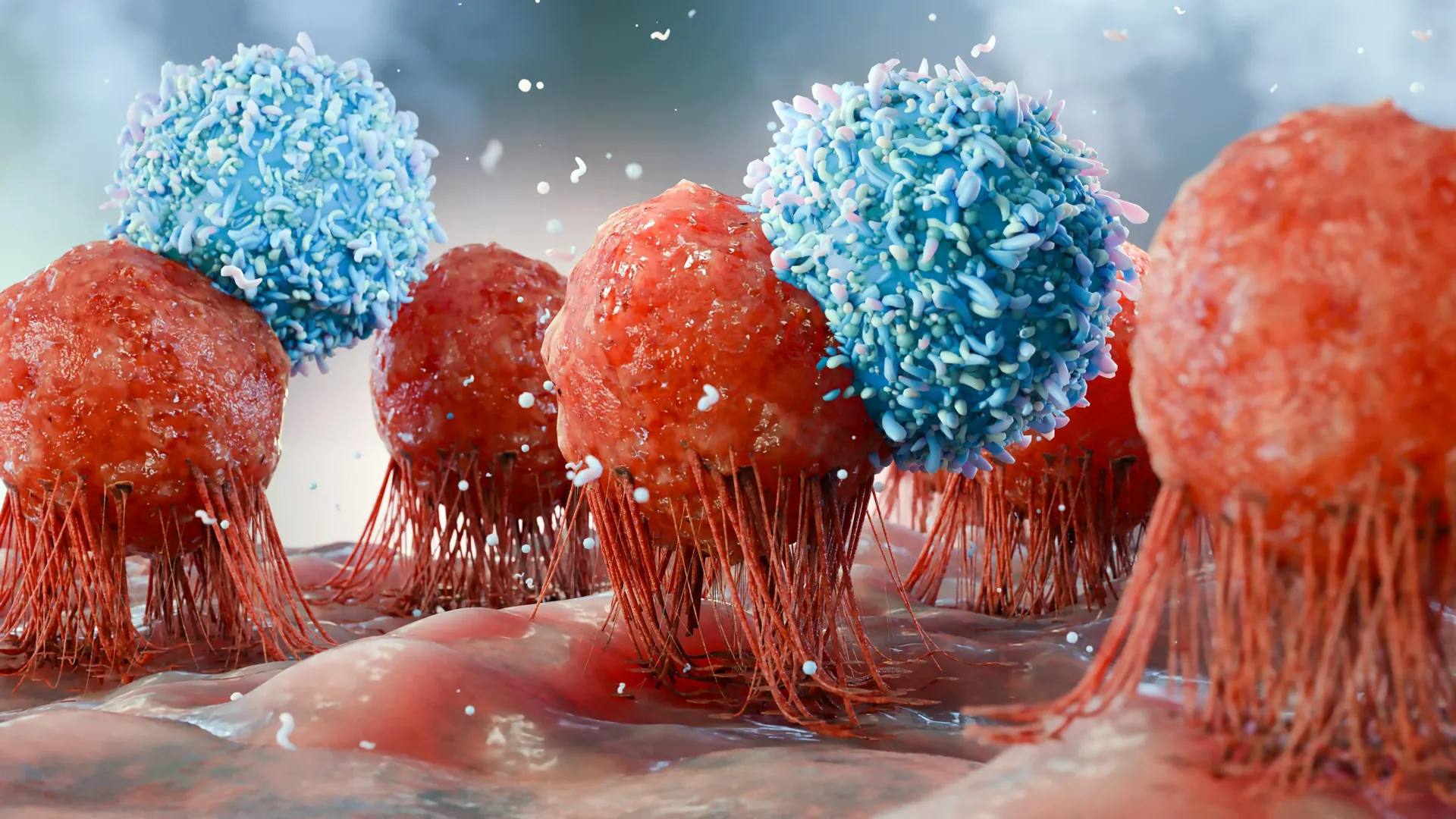
    CAR T cells were first developed as a cancer treatment, but their potential uses are expanding. In cancer therapy, a patient’s immune cells are modified so they can recognize and destroy tumor cells. For autoimmune diseases, scientists instead want to direct those engineered cells toward immune cells that help sustain the disease.

    “The identifying marker on many B cells, both abnormal B cells in cancers of the blood or lymphatic system and disease-driving B cells in rheumatoid arthritis, is the surface molecule CD19. You could think of it as a kind of ‘name tag’,” explains David Simon. “To enable CAR T cells to detect and eliminate the disease-causing cells, we equip patients’ own immune cells with a receptor that acts like a search sensor for CD19.”

    To produce this form of CD19 CAR T-cell therapy, doctors first collect T cells from the patient’s blood. T cells are immune cells that normally help recognize and destroy infected or abnormal cells.

    Scientists then genetically modify those T cells in the laboratory. The cells receive a chimeric, or artificial, antigen receptor known as a CAR, which is designed to bind specifically to CD19.

    Before receiving the modified cells, patients undergo a short course of preparatory chemotherapy. This temporarily lowers the number of certain immune cells, creating room for the CAR T cells to multiply and function effectively.

    The engineered cells are then returned to the patient in a single infusion. Once inside the body, they search for cells carrying CD19 and attack them. This temporarily removes all CD19-positive B cells, including long-lived disease-driving cells in the joints that can otherwise be difficult to reach. By clearing out those cells, the treatment may allow the immune system to reset.

    First Trial in Severe Rheumatoid Arthritis

    For the first clinical trial evaluating both the safety and effectiveness of CD19 CAR T-cell therapy in rheumatoid arthritis, the Charité team initially enrolled six patients with especially severe disease.

    The group included three women and three men between the ages of 31 and 69. During the previous decade, they had received as many as eight targeted or biologic therapies, but none had controlled their disease adequately.

    Researchers wanted to learn whether CAR T cells could reach the disease-driving B cells inside the joints and whether the approach could do so safely.

    The first phase of the COMPARE trial produced results the team considers highly encouraging.

    “Disease activity decreased markedly in all six patients. During follow-up of up to one year, three patients were in sustained remission without any medication for rheumatoid arthritis,” reports Gerhard Krönke, who leads the joint Clinical Rheumatology research group at Charité and the German Rheumatology Research Center (DRFZ), a Leibniz Institute. “This is particularly remarkable given that none of the established treatments had previously been able to relieve their symptoms adequately.”

    CAR T Cells Reached Hidden Disease Reservoirs

    The treatment appeared to do more than temporarily reduce inflammation in the joints. Researchers found that the modified immune cells also reached and eliminated disease-promoting B cells in deeper locations, including the bone marrow, lymph nodes, and joint tissue.

    During regular follow-up visits over the following 12 months, levels of the autoantibodies associated with rheumatoid arthritis dropped sharply.

    David Simon adds: “When the B-cell system later recovered, predominantly naïve B cells that had not yet been shaped by the disease returned. In contrast, the B cells directed against the body’s own tissues that had been present before treatment were no longer detectable in almost all patients, an indication that the treatment may indeed be able to reset the pathological immune memory.”

    Importantly, antibodies generated by earlier vaccinations, including those against chickenpox and tetanus, could still be detected. That suggests protective antibody memory was largely preserved even though the therapy caused a profound temporary depletion of B cells.

    Researchers still need to determine whether the therapy has any longer-term effects on the immune system.

    Promising Results, but the Therapy Remains Experimental

    The trial suggests that a single CAR T-cell treatment can, in some patients, produce a sustained period without symptoms or rheumatoid arthritis medication. This state of disease inactivity is known as remission.

    For carefully selected patients whose rheumatoid arthritis does not respond adequately to available treatments, researchers hope it may eventually be possible to directly reset pathological immune memory and stop the ongoing inflammation rather than continuously suppressing it with medication.

    However, CAR T-cell therapy for autoimmune diseases, including rheumatoid arthritis, is still experimental. Researchers do not yet have long-term experience with the treatment.

    Responses also differed among the six participants. Some did not achieve a complete response, and one patient’s disease returned after an initial period of medication-free remission.

    So far, however, the researchers consider the safety findings encouraging.

    “After the participants received the CD19 CAR T cells, we observed only a temporary, mild-to-moderate cytokine release syndrome (CRS) in all participants, which was readily manageable. There were no severe neurological complications or other serious adverse events, and infections were rare,” explains Dr. Marie Luise Hütter-Krönke, Medical Director of the Hematology Early Clinical Trial Unit at Charité’s Department of Hematology, Oncology and Cancer Immunology.

    A Larger Comparison Is Next

    The second phase of the trial will include ten additional patients. Researchers plan to compare CAR T-cell therapy with an already approved rheumatoid arthritis drug that also targets B cells.

    The comparison should help determine whether CAR T cells produce stronger or longer-lasting effects and whether they truly reset immune memory.

    If these results are confirmed in this phase and in future larger studies, CAR T-cell therapy could eventually offer another option for people with severe rheumatoid arthritis whose lives are significantly affected by the disease and who currently have no adequate treatment.

    About the Study

    The first of the two phases of the COMPARE study was designed to assess the safety and effectiveness of CD19 CAR T-cell therapy in treatment-refractory rheumatoid arthritis.

    Major contributors included researchers from Charité’s Department of Rheumatology and Clinical Immunology and the Department of Hematology, Oncology and Cancer Immunology at Campus Benjamin Franklin, along with scientists from the Cluster of Excellence ImmunoPreCept, the German Rheumatology Research Center (DRFZ), a Leibniz Institute, and the Fraunhofer Institute for Translational Medicine and Pharmacology ITMP.

    The study was initiated and designed at Charité and also received support from Kyverna Therapeutics. The immunotherapy company had no role in designing the study, collecting or analyzing the data, or presenting the results.


  • Long-term melatonin use linked to 90% higher heart failure risk

    Long-term melatonin use linked to 90% higher heart failure risk

    Long-term use of melatonin, a widely used sleep supplement, was linked to a higher risk of heart failure, hospitalization for heart failure, and death from any cause among people with chronic insomnia, according to preliminary research presented at the American Heart Association’s Scientific Sessions 2025.

    The findings do not prove that melatonin itself caused the increased risks. However, they raise new questions about the long-term safety of a supplement that many people view as a harmless or “natural” way to improve sleep.

    Why Melatonin Is So Widely Used

    Melatonin is a hormone made naturally by the pineal gland in the brain. It helps control the body’s sleep and wake cycle, also known as the circadian rhythm. Levels of the hormone typically rise when it gets dark and fall during daylight.

    Synthetic melatonin is chemically identical to the hormone produced by the body. It is commonly used for insomnia (difficulty falling and/or staying asleep) and jet lag.

    Melatonin supplements are available over the counter in many countries, including the U.S. In the U.S., over-the-counter supplements are not regulated, so each brand of supplement can vary in strength, purity, etc.

    For the new study, researchers divided participants according to their documented melatonin use. People with at least one year of melatonin use recorded in their electronic medical records were placed in the “melatonin group.” Those with no record of melatonin use anywhere in their medical records were assigned to the “non-melatonin group.”

    “Melatonin supplements may not be as harmless as commonly assumed. If our study is confirmed, this could affect how doctors counsel patients about sleep aids,” said Ekenedilichukwu Nnadi, M.D., lead author of the study and chief resident in internal medicine at SUNY Downstate/Kings County Primary Care in Brooklyn, New York.

    Researchers Looked for Long-Term Heart Risks

    Melatonin is often promoted as a safe sleep aid, but researchers say there is limited evidence about its cardiovascular safety when taken for extended periods.

    That uncertainty led the team to investigate whether long-term melatonin use might be associated with heart failure among people who already had chronic insomnia.

    Heart failure does not mean that the heart has completely stopped working. It develops when the heart cannot pump enough oxygen-rich blood to meet the body’s needs. According to the American Heart Association’s 2025 Heart Disease and Stroke Statistics, the condition affects about 6.7 million adults in the U.S.

    Researchers used data from the TriNetX Global Research Network, a large international database containing de-identified electronic health records.

    They examined five years of medical records for adults with chronic insomnia whose records showed melatonin use for more than a year. Those participants were matched with other people who also had insomnia but had no documented melatonin use.

    Anyone who had already been diagnosed with heart failure or who had been prescribed other sleep medications was excluded.

    Heart Failure Risk Was About 90% Higher

    The main analysis found a substantial difference between the two groups.

    Among adults with insomnia, people with documented long-term melatonin use (12 months or more) had about a 90% higher chance of developing heart failure during the following five years compared with matched nonusers. Heart failure occurred in 4.6% of the melatonin group compared with 2.7% of the comparison group.

    Researchers then performed another analysis designed to strengthen confidence that participants had actually been using melatonin over an extended period.

    When they limited the analysis to people who had filled at least two melatonin prescriptions at least 90 days apart, the association remained. That group had an 82% higher risk of heart failure. (Melatonin is only available by prescription in the United Kingdom.)

    Hospitalization and Death Were Also Higher

    A secondary analysis found even larger differences in some outcomes.

    People in the melatonin group were nearly 3.5 times as likely to be hospitalized for heart failure as those in the comparison group. The hospitalization rates were 19.0% and 6.6%, respectively.

    Deaths from any cause were also more common among people with documented melatonin use. During the five-year period, 7.8% of participants in the melatonin group died compared with 4.3% of those in the non-melatonin group, making the risk nearly twice as high.

    “Melatonin supplements are widely thought of as a safe and ‘natural’ option to support better sleep, so it was striking to see such consistent and significant increases in serious health outcomes, even after balancing for many other risk factors,” Nnadi said.

    The results also drew concern from sleep researcher Marie-Pierre St-Onge, Ph.D., C.C.S.H., FAHA, who was not involved in the study.

    “I’m surprised that physicians would prescribe melatonin for insomnia and have patients use it for more than 365 days, since melatonin, at least in the U.S., is not indicated for the treatment of insomnia. In the U.S., melatonin can be taken as an over-the-counter supplement and people should be aware that it should not be taken chronically without a proper indication,” said Marie-Pierre St-Onge, Ph.D., C.C.S.H., FAHA, chair of the writing group for the American Heart Association’s 2025 scientific statement, Multidimensional Sleep Health: Definitions and Implications for Cardiometabolic Health.

    St-Onge is a professor of nutritional medicine in the division of general medicine and director of the Center of Excellence for Sleep & Circadian Research in the department of medicine at Columbia University Irving Medical Center in New York City.

    Important Limitations Complicate the Findings

    The study comes with several significant limitations, particularly because melatonin is handled differently from one country to another.

    Some countries, such as the United Kingdom, require a prescription for melatonin, while others, including the United States, allow people to buy it over the counter. Researchers did not have access to participants’ locations because the medical data had been de-identified.

    Melatonin use was identified only when it appeared in electronic medical records. That means people in the U.S. or other countries who bought melatonin over the counter without having it entered into their medical records could have been incorrectly classified as nonusers.

    As a result, the melatonin and nonmelatonin groups may not perfectly reflect who was actually taking the supplement.

    There was another complication involving hospitalizations. The number of heart failure-related hospitalizations was higher than the number of newly diagnosed heart failure cases because hospitals may enter a variety of related diagnostic codes. Those records do not always include a code specifically identifying a new heart failure diagnosis.

    Researchers also did not have information about how severe each participant’s insomnia was or whether participants had other psychiatric disorders.

    Those missing factors are important because people with more severe insomnia, depression, anxiety, or other conditions may be more likely to use melatonin and could independently have a different cardiovascular risk.

    “Worse insomnia, depression/anxiety, or the use of other sleep-enhancing medicines might be linked to both melatonin use and heart risk,” Nnadi said. “Also, while the association we found raises safety concerns about the widely used supplement, our study cannot prove a direct cause-and-effect relationship. This means more research is needed to test melatonin’s safety for the heart.”

    What the Study Included

    • The analysis included 130,828 adults (average age of 55.7 years; 61.4% women) who had been diagnosed with insomnia.
    • The data came from TriNetX, established in 2013, a growing global network of real-world, de-identified patient information used for medical research.
    • Of the participants, 65,414 had been prescribed melatonin at least once and reported using it for at least one year.
    • Researchers also created a comparison group (control group) made up of people who had never been prescribed melatonin. These participants were matched to the melatonin group using 40 factors, including demographic characteristics, existing health conditions, and medications.
    • Anyone who had already been diagnosed with heart failure was excluded, as were people who had been prescribed other kinds of sleeping pills such as benzodiazepines.
    • The melatonin and comparison groups were matched for age, sex, race/ethnicity, heart and nervous system diseases, medications for heart and nervous system diseases, blood pressure, and body mass index.
    • Researchers then examined electronic medical records covering the five years after the groups were matched.
    • For the primary analysis, they searched for medical codes indicating an initial diagnosis of heart failure. Secondary outcomes included codes associated with hospitalization for heart failure or death.
    • The researchers also carried out what is known as a sensitivity analysis, a method used to check whether results remain similar when the study criteria are changed slightly.
    • For this additional test, participants in the melatonin group had to have filled at least two melatonin prescriptions at least 90 days apart. The association with higher heart failure risk remained, providing an additional check on the original findings.
    • Even so, the researchers emphasize that the study was observational. It identified an association between long-term documented melatonin use and serious health outcomes, but it cannot establish that melatonin directly caused those outcomes. Further research will be needed to determine whether long-term melatonin use itself affects cardiovascular health and, if so, why.
  • NASA just used satellites and debris to navigate without GPS

    NASA just used satellites and debris to navigate without GPS

    NASA’s Starling mission has reached another milestone in autonomous spaceflight by demonstrating a system that can determine a satellite’s orbital position using other objects in space as reference points rather than depending on an external navigation network.

    The technology, called FALCON (Fast Autonomous Lost-in-space Catalog-based Optical Navigation), is designed to help spacecraft operate with greater independence. Such capabilities could become increasingly important as NASA pursues missions farther from Earth, including lunar satellite swarms, distributed science missions, and future human exploration.

    Navigating Space Without GPS

    Satellites near Earth commonly rely on GPS for navigation, but those signals may be weak, unreliable, or unavailable around the Moon and in deep space. FALCON offers an alternative by allowing spacecraft to determine where they are using what they can observe around them.

    The FALCON payload is a joint flight experiment developed by NASA and EraDrive, a startup that emerged from Stanford University. The system combines EraDrive’s Era-Core flight software and embedded algorithms with Starling’s cameras and an onboard catalog of known satellites. Together, these tools enable GPS-independent navigation while also helping the spacecraft track activity and objects in its surroundings.

    “FALCON is yet another success for the Starling demonstration mission. The results from FALCON can have far-reaching implications for on-orbit space-traffic monitoring, collision avoidance, and alternative navigation,” said Roger Hunter, program manager for NASA’s Small Spacecraft and Distributed Systems program at NASA’s Ames Research Center in California’s Silicon Valley. “The number of ‘firsts’ from Starling just keeps growing.”

    Using Satellites and Debris as Reference Points

    The FALCON demonstration evaluated two related capabilities using Starling’s onboard star tracker cameras. These cameras are standard spacecraft instruments that detect bright objects in space and help determine a spacecraft’s orientation and position.

    During position, navigation, and timing experiments, FALCON identified objects seen by Starling’s cameras, including other spacecraft and orbital debris, and compared them with a publicly available catalog of known space objects maintained by the U.S. Department of War. Once the observed objects were identified and verified, FALCON used them as reference points to calculate Starling’s orbit.

    A separate set of experiments tested whether the spacecraft could improve orbital estimates for the objects it observed. Mission controllers loaded a catalog containing approximately 20,000 space objects and their predicted orbits onto Starling.

    FALCON then compared the catalog information with observations gathered by Starling’s cameras. Using those measurements, it calculated Starling’s position while also refining the estimated locations of other objects in space. The resulting estimates were even more precise than the existing catalog data.

    Over a period of three days, FALCON improved the known orbits of more than 200 objects without any intervention from operators on the ground.

    A First for Autonomous Optical Navigation

    FALCON’s ability to determine its own orbit represents a first for a spacecraft navigating with optical cameras based on its position relative to other objects in space. In separate catalog updating tests, Starling also generated better onboard predictions of object positions than those supplied by ground stations.

    These abilities could be especially valuable for future networks of satellites operating without GPS. Coordinated satellite systems may play an important role in supporting human activities on the surfaces of the Moon or Mars.

    Precise spacecraft positioning is also essential for distributed science missions, where measurements collected from several locations in space must be accurately aligned. For space traffic management, autonomous navigation and onboard catalog updates could reduce dependence on ground-based tracking networks while improving collision avoidance.

    From University Research to Commercial Technology

    The FALCON experiment also demonstrates NASA’s role in helping university research develop into commercial technology. The work began as a University SmallSat Technology Partnerships project before developing into EraDrive, which is now commercializing its Era-Core software and related hardware for wider use.

    Starling gave the technology an opportunity to be tested under real conditions in orbit, demonstrating how advanced flight software can allow satellites to function as increasingly autonomous navigators.

    Later this year, Starling, which launched in 2023, will expand the FALCON experiment using Era-Core. The mission’s four spacecraft will share tracking information with one another and use those combined observations to refine their positions collectively.

    NASA’s Ames Research Center in California’s Silicon Valley leads the Starling mission. NASA’s Small Spacecraft and Distributed Systems program, based at Ames and within the Research and Technology Mission Directorate, funds and manages the Starling mission.

  • Common medications may change your gut for years

    Common medications may change your gut for years

    Medications can influence the community of microbes living in the human gut long after a person stops taking them, according to a large study led by researchers at the University of Tartu Institute of Genomics.

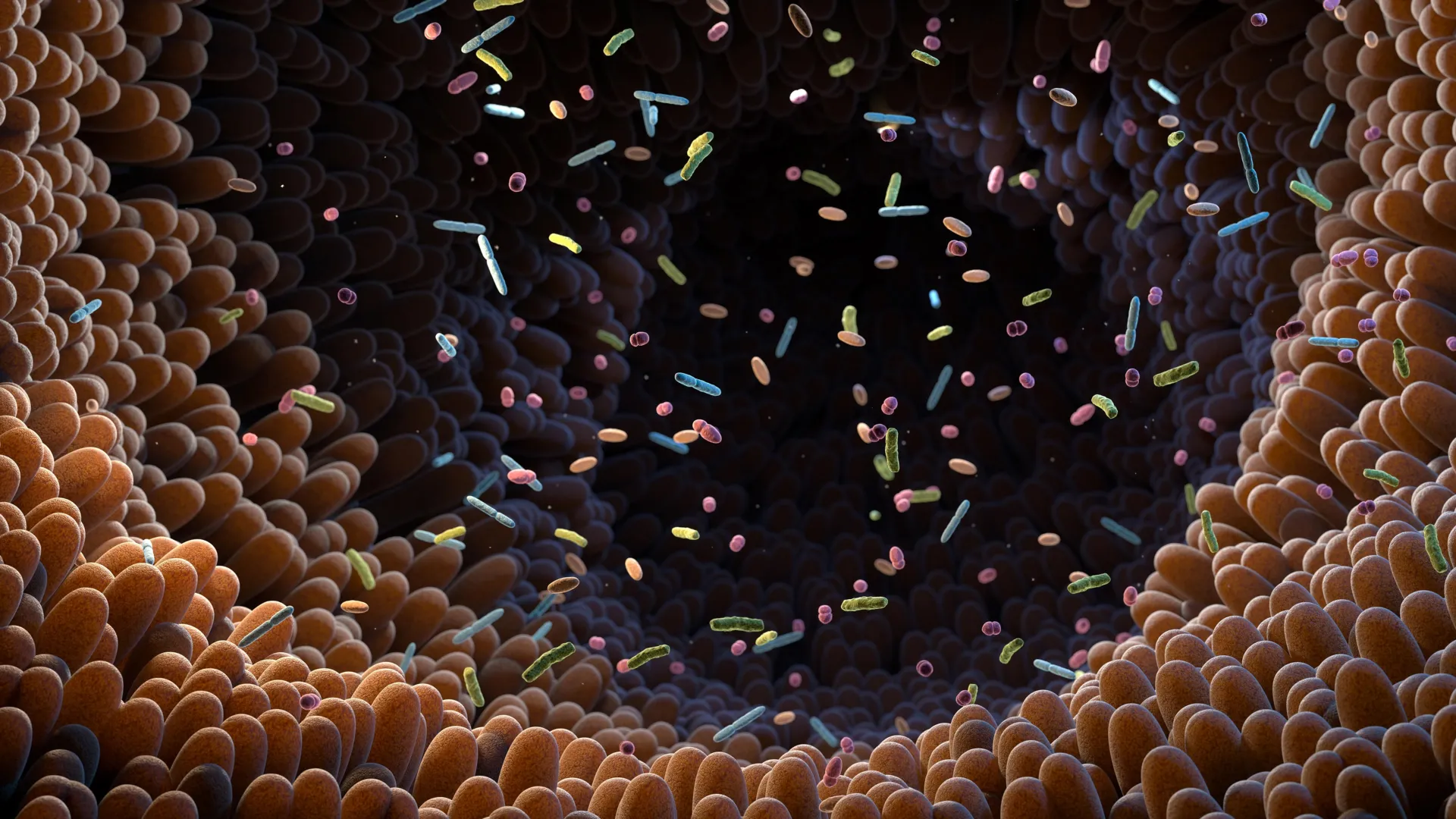
    The findings suggest that a person’s prescription history may help explain differences in the gut microbiome years later. The gut microbiome includes the vast community of bacteria and other microorganisms that live in the digestive tract and can influence digestion, metabolism, immune function, and other aspects of health.

    Drug Effects May Persist for Years

    Researchers analyzed stool samples and prescription records from more than 2,500 participants in the Estonian Biobank who were part of the Estonian Microbiome cohort. They found that most of the medications examined were associated with differences in the gut microbiome.

    For a substantial number of drugs, those differences could still be detected years after people had stopped taking the medication.

    The lasting effects were not limited to antibiotics, which are already well known for their ability to disrupt populations of gut bacteria. Antidepressants, beta-blockers, proton pump inhibitors, and benzodiazepines were also associated with distinctive microbial “fingerprints.”

    Beta-blockers are commonly used to treat conditions such as high blood pressure and certain heart problems. Proton pump inhibitors reduce stomach acid and are often prescribed for acid reflux and related conditions. Benzodiazepines are medications commonly used for anxiety and other disorders.

    “Most microbiome studies only consider current medications, but our results show that past drug use can be just as important as it is a surprisingly strong factor in explaining individual microbiome differences,” said Dr. Oliver Aasmets, lead author.

    The finding suggests that researchers studying connections between the microbiome and disease may need to look beyond the medications a person is currently taking. Drugs used months or even years earlier could still influence the microbial patterns seen in a stool sample.

    Anxiety Drugs Show Surprisingly Strong Effects

    One particularly striking finding involved benzodiazepines, which are commonly prescribed for anxiety. Their associations with the gut microbiome were comparable to those seen with broad-spectrum antibiotics.

    Broad-spectrum antibiotics are designed to act against many different types of bacteria, which is why they can produce substantial changes in the gut microbial community.

    The study also found that medications belonging to the same drug class did not necessarily affect the microbiome in the same way. Drugs that may be prescribed for similar conditions, such as diazepam and alprazolam, differed in how strongly they appeared to disrupt gut microbes.

    That distinction could be important because medications are often grouped together in microbiome research based on their drug class. The new results suggest that individual drugs may need to be considered separately.

    Follow-Up Samples Reveal Predictable Changes

    Researchers also examined follow-up stool samples from a smaller group of participants. These samples allowed them to observe what happened when people started or stopped certain medications.

    Those changes were accompanied by predictable shifts in gut microbes, providing evidence that the medications themselves may be responsible for at least some of the observed differences.

    Although the second time-point analysis involved a relatively small number of participants, researchers were able to confirm persistent effects linked to proton pump inhibitors, selective serotonin reuptake inhibitors and antibiotics, such as penicillins in combination and macrolides.

    Selective serotonin reuptake inhibitors are a widely used class of antidepressants. Macrolides are a group of antibiotics that includes drugs used to treat a range of bacterial infections.

    Medication History Could Matter in Microbiome Research

    The results add to growing evidence that the gut microbiome reflects more than a person’s current diet, lifestyle, health, and medication use. Past treatments may leave biological traces that remain detectable long after the prescription has ended.

    “This is a comprehensive systematic evaluation of long-term medication effects on the microbiome using real-world medical health records,” said Professor Elin Org, corresponding author. “We hope this encourages researchers and clinicians to factor in medication history when interpreting microbiome data.”

    Accounting for that history could help scientists more accurately distinguish microbiome changes associated with disease from changes caused by medications taken in the past.

  • Kennedy questions vaccination guidelines following Trump’s order to break up MMR

    Kennedy questions vaccination guidelines following Trump’s order to break up MMR

    Health Secretary Robert F. Kennedy Jr. is once again taking aim at routine immunization in the U.S., challenging the current scheme the government uses to classify its vaccine recommendations.

    Under CDC guidelines, the decision to use vaccines aligns with one of three categories, according to a Request for Information (RFI) document posted Friday on the Federal Register. Shots that are meant for universal use in a certain age group—barring contraindications—fall under routine recommendations, while others are given based on level of risk depending on medical, behavioral, occupational or other factors.

    A third group of vaccines require shared clinical decision-making (SCDM), according to Kennedy’s RFI, in which doctors confer with the patients themselves or with their parents or guardians. The health secretary takes issue with this category specifically, noting that it could suggest that the other categories don’t involve input from the parents and their families.

    “Do the current categories unintentionally imply that parental permission, individual consent, or meaningful clinical discussion applies only to shared clinical decision-making recommendations?” he asked in the RFI.

    Friday’s RFI is intended to support President Donald Trump’s Aug. 10 executive order directing Kennedy and the health department to break up the standard measles, mumps and rubella vaccine into three separate shots given across separate medical visits. Healthcare providers have pushed back on Trump’s order, and pharma companies have said that it would take years to implement this change.

    Following restricted vaccine approvals and changes to CDC immunization schedules, Merck, Pfizer, GSK and Sanofi are all suffering revenue hits to their vaccine programs.

    November 7, 2025

     · 

    4 min read

     · 

    Kennedy is now asking for feedback from stakeholders—clinicians, researchers, vaccine manufacturers and even patients, parents and faith communities—on the current classifications for vaccine recommendations, and whether new categories are needed.

    Some new or modified categories include “recommended, but not during infancy,” and “shared clinical decision-making with qualification,” Kennedy offered.

    Aside from taking a second look at the vaccination categories, the RFI also sought input on what types of evidence the health department should take into consideration when setting immunization guidelines, particularly when randomized controlled study data are lacking.

    “The durability of any vaccine recommendation framework depends on the public’s trust in the process that produces it,” Kennedy wrote, contending that following the COVID-19 pandemic, with its broad vaccination mandates, “public trust in Federal public health agencies declined measurably.” The HHS leader is additionally soliciting comments for communication practices that the department can put in place alongside its vaccine recommendations.

    Vaccine skepticism is at an all-time high in the U.S., and HHS Secretary Robert F. Kennedy Jr. is making some drastic moves in the name of reversing that trend. But misinformation and inconsistencies within the country’s healthcare agencies highlight problems with his approach.

    June 6, 2025

     · 

    8 min read

     · 

  • Gut bacteria may unlock a hidden benefit of vegetables

    Gut bacteria may unlock a hidden benefit of vegetables

    Researchers at Karolinska Institutet have found that gut microbes can transform nitrate and iron from food into molecules that may help protect against cardiovascular and metabolic disease. The findings, published in Cell, uncover a previously unknown way the gut microbiota may influence important functions throughout the body.

    Nitrate is found naturally in many vegetables, especially beetroot and leafy greens such as spinach, rocket, and lettuce. Non-haem iron — the form of iron found in plant-based foods such as beans, whole grains and green vegetables — is also a common part of the diet.

    The researchers found that gut bacteria can combine nitrate and non-haem iron from food to produce compounds known as dinitrosyl iron complexes (DNICs). After they are formed, these molecules can be absorbed into the body and carried to different organs, particularly the liver and kidneys.

    Gut Microbes Are Essential for DNIC Formation

    The study drew on experiments involving mice, cells, bacteria and human samples. Using advanced analytical techniques, the researchers detected DNIC in several types of tissue.

    They also found that DNIC molecules were completely absent in germ-free mice. That result suggests that gut microbes play an essential role in producing them.

    “Our results show that gut bacteria can convert components in food into biologically active molecules that influence important bodily functions,” says Andrei L. Kleschyov, Senior Researcher at the Department of Physiology and Pharmacology, Karolinska Institutet, the study’s first and co-corresponding author.

    Higher DNIC Levels Improved Key Health Markers

    The researchers then tested what happened when DNIC levels were increased. They did this either by giving dietary supplements containing nitrate and iron or by administering synthetically produced DNIC.

    In an animal model of cardiovascular and metabolic disease, higher DNIC levels were associated with improvements in several measures of health.

    “Among other things, we observed lower blood pressure and improved vascular function, better blood sugar control and reduced fat accumulation in the liver. The results help to explain why a diet rich in vegetables, which contain both nitrate and iron, is linked to a lower risk of several diseases,” says Mattias Carlström, Professor of Cardiorenal Physiology at the Department of Physiology and Pharmacology, Karolinska Institutet, one of the study’s shared last authors together with Professor Jon Lundberg at the same department, and co-corresponding author.

    A Possible Link Between Vegetables and Disease Protection

    According to the researchers, the results reveal a previously unknown mechanism through which diet and specific gut bacteria may work together to support health.

    The findings could also help explain why diets rich in vegetables are associated with a lower risk of cardiovascular and metabolic diseases. However, the researchers caution that much of the work was carried out in experimental models, so additional research will be necessary to determine exactly how the process operates in humans.

    Researchers Now Want to Study DNIC in Humans

    The next goal is to develop reliable ways to measure DNIC levels in people. Researchers also want to learn more about how the molecules are produced, how they move through the body, and how they influence different physiological processes.

    Another major question is whether diet or changes to the gut microbiota could be used to alter DNIC levels and potentially help prevent disease.

    The study was carried out in collaboration with the University Medical Centre Hamburg-Eppendorf and the Johannes Gutenberg University Medical Centre Mainz in Germany. The research was funded by, amongst others, the Swedish Research Council, the Swedish Heart-Lung Foundation, the Novo Nordisk Foundation, the European Research Council (ERC), the Knut and Alice Wallenberg Foundation, Diabetes Wellness Sweden and the Karolinska Institute. The researchers state that they have no conflicts of interest.

  • A hidden “on switch” in human DNA has finally been decoded

    A hidden “on switch” in human DNA has finally been decoded

    Healthy growth and development depend on tens of thousands of genes being switched on at the right time and in the right place. Specific regions of DNA help coordinate this process, guiding the production of enzymes, hormones, proteins, and other molecules that cells need to function properly. When gene activation goes wrong, cells can malfunction and contribute to diseases, including cancer.

    To better understand the DNA sequences that control this process, researchers in the laboratory of University of California San Diego Professor James T. Kadonaga focused on an important DNA element known as the “initiator.” The initiator marks the location where the information encoded in a gene begins to be converted, or expressed, into a functional product.

    AI Decodes the Initiator Sequence

    In the new study, led by graduate student researcher Torrey Rhyne-Carrigg, the team used high-throughput DNA sequencing to measure gene expression activity across approximately 500,000 different versions of the initiator.

    The researchers then used those results to train a machine learning system, a form of artificial intelligence, to identify the characteristic DNA pattern associated with the initiator. Once the model had decoded that signature, the team searched human genes for the sequence and found that roughly 60% contain the initiator.

    “These AI models were found to provide, for the first time, strong predictions of the presence or absence of the initiator in human genes, and were thus able to decode the DNA base sequence pattern of the initiator,” said Kadonaga, a professor in the UC San Diego Department of Molecular Biology, School of Biological Sciences.

    Predicting the Effects of DNA Mutations

    The findings could help researchers anticipate how mutations affecting the initiator may alter gene activity and contribute to a range of disorders. The study’s data and AI models may also support the design of synthetic promoters, sequences that can switch genes on or off, with functions tailored for specific purposes.

    More broadly, the research shows how laboratory experiments and artificial intelligence can be combined to uncover information encoded in human DNA.

    “More globally, this work is a step forward in the combined use of laboratory experiments and AI to decipher the information that is embedded in the sequence of the DNA bases in humans,” said Kadonaga. “Ultimately, within the six billion bases of DNA in each of our cells, there is a gene expression code that specifies when, where and to what extent each of our genes should be turned on or off. If we had an AI model for the entire gene expression code, we would be able to predict the activity of each of the different variants of genes in different people. The new AI model for the initiator is a small but important part of this gene expression code, and I am optimistic that we will expand our AI models of the human gene expression code in the not-too-distant future.”

  • This yeast supplement may boost cancer-fighting immunity

    This yeast supplement may boost cancer-fighting immunity

    Researchers at Trinity College Dublin and University College Dublin (UCD) have found that a yeast-based dietary supplement can strengthen immune cells involved in fighting cancer in mice.

    In experiments with obese laboratory mice, the researchers found that adding the supplement to the animals’ diets changed the way immune cells developed and produced stronger cancer-fighting responses.

    Obesity can interfere with immune function, making it more difficult for the body to respond effectively to tumors. The new findings suggest that a yeast-based supplement could potentially help restore some of that lost immune activity.

    The research was published in the scientific journal Cell Reports. The study was led by Frederick Sheedy, Associate Professor in Immunology in Trinity’s School of Biochemistry and Immunology, and Helen Roche, Professor in Nutrigenomics, UCD School of Public Health, Physiotherapy and Sports Science and Director of the UCD Conway Institute.

    Training Immune Cells Through Diet

    Dr. Anna Ledwith, postdoctoral researcher in Prof. Roche’s group and first author of the research paper, said: “We wanted to investigate whether a common dietary supplement, yeast beta-glucan, could reprogram early-stage immune cells in the bone marrow to produce long-lasting, enhanced anti-tumor immune responses.

    “Mice were fed a standard or high-fat diet supplemented with yeast beta-glucan for 4-12 weeks, and then their immune system was challenged by different types of cancer cells: colorectal, skin, and breast cancer. The study also tested whether yeast supplementation could overcome immune dysfunction caused by obesity and whether protective effects persist after weight loss.”

    The researchers wanted to determine whether consuming yeast beta-glucan could produce a form of lasting immune training by changing early immune cells in the bone marrow. They also examined whether the supplement could counter the immune problems caused by obesity.

    Prof. Roche said the findings show for the first time that consuming yeast beta-glucan in the diet is enough to trigger trained immunity by altering bone marrow stem cells. Earlier studies achieved similar effects using injections.

    Commenting on the significance of the findings, Prof. Roche added: “This is the first demonstration that dietary delivery of yeast beta-glucan is sufficient to induce trained immunity through reprogramming of bone marrow stem cells. Previous research required injections.

    “Crucially, this dietary intervention restores anti-tumor innate immunity in obese mice and reverses long-term immune memory defects that persist even after weight loss, a major unmet clinical challenge.”

    Reversing Immune Problems Linked to Obesity

    Obesity affects millions of people around the world and can significantly disrupt immune function, increasing susceptibility to both infections and cancer. These immune changes can continue even after a person loses weight.

    That persistence is an important challenge because weight loss does not necessarily erase all of obesity’s long-term effects on the immune system. In the mouse experiments, yeast beta-glucan helped reverse immune memory problems that remained after weight loss.

    Cancer, meanwhile, continues to be one of the leading causes of death worldwide. Researchers are therefore looking for safe, widely available approaches that could help restore immune function and potentially work alongside existing cancer treatments.

    Yeast beta-glucan is already sold as a dietary supplement and has a strong safety record. That makes it a practical candidate for future studies in people.

    A Potential Addition to Cancer Treatment

    Looking to the future, Professor Sheedy said: “This research paves the way for dietary intervention studies in people living with obesity, chronic infections and other immunocompromised populations. The yeast beta-glucan used, WellmuneTM, from Kerry Group, is already food-grade and commercially available, facilitating rapid clinical trials.

    “Ultimately, a simple dietary supplement could help boost the immune system’s cancer-fighting ability, complementing existing treatments such as chemotherapy and immunotherapy, with the potential to improve vaccine responses and resistance to infection.”

    The researchers say the findings could now support dietary intervention studies involving people with obesity, chronic infections, and other conditions associated with weakened immune function.

    Because the specific yeast beta-glucan used in the study is already commercially available as a food-grade supplement, researchers believe it could move relatively quickly into clinical testing. Future studies will need to determine whether the immune benefits seen in mice can also be reproduced in humans.

  • Lawmakers urge FDA to enact new China policies after 3 gene therapy trial deaths

    Lawmakers urge FDA to enact new China policies after 3 gene therapy trial deaths

    After three patient deaths were reported in separate gene therapy clinical trials conducted in China, two members of the House of Representatives are asking the FDA to implement specific measures to lower patient risk in the U.S.

    Reps. John Moolenaar (R-MI) and Ben Cline (R-VA) have reportedly penned a letter to Acting FDA Commissioner Kyle Diamantas, writing that “accepting Chinese clinical data poses real risks for patients,” according to Endpoints News.

    The two lawmakers are asking the agency to reject clinical data from China unless the trial site has recently undergone an FDA audit, and to also conduct a wide-ranging review of products that have received U.S. approval based on clinical results from China, according to the letter obtained by Endpoints.

    “In short, the offshoring of early-stage clinical trials to China risks rewarding a system that has shown it is willing to treat children’s deaths as an acceptable cost of faster, cheaper research,” the lawmakers wrote.

    As of publication, the House Select Committee on China—which Moolenaar chairs—and the BIOtech Caucus—of which Cline is a member—have not responded to BioSpace’s request for comment. The FDA also did not respond.

    At least three patient deaths occurring in trials conducted in China have been reported over the last few months. One was the death of a young boy enrolled in a gene therapy study, biotech HuidaGene said in an Aug. 5 statement that followed a STAT investigation.

    The boy had Duchenne muscular dystrophy (DMD) and died a year earlier, in August 2025, after receiving HuidaGene’s investigational CRISPR-based therapy, HG302. The child “developed acute respiratory distress syndrome in the setting of severe complement and cytokine activation following high-dose systemic administration of an adeno-associated virus vector,” according to HuidaGene.

    Full findings on the death were submitted for peer review in January and will be shared upon publication, per the release. The biotech has not responded to BioSpace’s request for comment.

    When signing a biotech licensing deal in China, experts say that pharma’s patent attorneys need to understand the geopolitical risk of the BIOSECURE Act.

    July 28, 2026

     · 

    7 min read

     · 

    On Aug. 9, China-based RiboX Therapeutics reported a death in a patient with systemic sclerosis who had received the biotech’s experimental in vivo CAR T cell therapy—a gene therapy designed to generate CAR T cells within the body. The patient had “significant pre-existing medical conditions,” RiboX said.

    “Any causal determination between a single-participant event and an investigational agent must be made by the principal investigator through independent clinical and ethics review, and formally communicated by the sponsoring institution,” RiboX told BioSpace in an Aug. 24 email. “As a research collaborator, RiboX does not make such a determination unilaterally, and does not confirm or comment on related characterizations in recent coverage.”

    “On recent reporting regarding regulatory policy discussions across jurisdictions, we respect the independence of each regulatory system and are not in a position to comment on any specific legislative process or policy discussion,” the company added.

    Finally, in May 2025, a six-year-old girl diagnosed with an extremely rare genetic neurodevelopmental disorder received the world’s first gene-editing therapy directed at the brain. The child had Snijders Blok-Campeau syndrome, which is caused by mutations in the CHD3 gene and is characterized by developmental delays, speech impairment and low muscle tone.

    Seven days later, she died from a severe immune reaction tied to the therapy, Science reported last month.

    The investigational therapy was administered at Xinhua Hospital, which is affiliated with the Shanghai Jiao Tong University School of Medicine. After the Science report, the university launched an internal investigation into the trial—an effort led by neuroscientist Zilong Qiu.

    The death reports have ratcheted up U.S. scrutiny on China’s biotech scene across several facets, including national security and innovation concerns.

    The FDA’s new investigational new drug pilot program—one part of HHS’s broader clinical trial modernization initiatives—has lofty goals to expedite first-in-human trials of novel drugs, but experts say it won’t tip the scales much on its own.

    August 3, 2026

     · 

    9 min read

     · 

    The Department of Health and Human Services recently rolled out a new clinical trial modernization initiative designed to speed up early trials in hopes of bringing them back to the U.S. However, experts say the effort by itself won’t do much to tip the scales.

    “FDA is not the primary source of most delays in early phase clinical trials,” Harpreet Singh, a former division director of oncology at FDA, told BioSpace earlier this month. Major delays instead occur mainly at the site level.

    For example, early-phase trials conducted in Spain, Australia or China are “going to come in more quickly, more cost effective and with less administrative burden,” when compared to U.S. trials, Singh said.

    In 2010, fewer than 8% of global clinical trials were run in China, according to an April report from the National Bureau of Economic Research. By 2020, the Asian country had overtaken the U.S. in annual registered trials. China’s National Medical Products Administration also outpaced the FDA in terms of cancer approvals, greenlighting 94 oncology drugs between 2020 and 2025 compared to the 87 that entered the U.S. market in the same timeframe, per Health Affairs Scholar.

    “I still am not fully clear on how HHS will address the major issues,” Singh said.

    Editor’s note (Aug. 24): This article was updated to include comment from RiboX.

  • This weight-loss hormone may protect the liver even without weight loss

    This weight-loss hormone may protect the liver even without weight loss

    Researchers at McMaster University have uncovered an unexpected role for a naturally occurring hormone already known for reducing appetite and supporting weight loss. The hormone appears to protect the liver from inflammation through a previously unknown signaling pathway, a finding that could point toward new approaches for treating advanced fatty liver disease.

    The study, published in Cell Metabolism on August 10, 2026, found that GDF15 can reduce liver inflammation and slow the development of liver scarring even when weight loss does not occur. The result challenges the long-held view that the hormone’s benefits are primarily tied to its effects on appetite and body weight.

    A New Target for Advanced Fatty Liver Disease

    Millions of people around the world are affected by metabolic dysfunction-associated steatohepatitis (MASH), an advanced form of fatty liver disease that can eventually lead to cirrhosis, liver cancer, and liver failure. New weight loss medications have helped improve outcomes for many patients, but inflammation in the liver can remain even after substantial weight loss.

    By identifying a biological pathway that directly regulates this inflammation, the new findings suggest that future therapies could potentially target liver inflammation alongside existing treatments focused on weight and liver fat.

    “Our findings show that GDF15 does much more than regulate appetite and body weight,” says Gregory Steinberg, professor in McMaster University’s Department of Medicine, co-director of the Centre for Metabolism, Obesity and Diabetes Research (MODR), and senior author of the study. “We discovered that GDF15 activates a natural brain-to-liver signaling pathway that helps suppress liver inflammation and reduce fibrosis. This changes how we think about the hormone and suggests it may be part of the body’s own defense system against chronic liver injury.”

    How GDF15 Sends a Protective Signal to the Liver

    To explore how GDF15 affects advanced liver disease, the team used mouse models designed to closely reproduce human MASH. Researchers combined genetic, pharmacological, genomic, and spatial transcriptomics techniques to examine what happens when the hormone becomes active.

    They found that GDF15 initiates signaling from the brain through the nervous system, ultimately causing the release of glucocorticoids. These steroid hormones are important for metabolism, immune activity, and the body’s response to stress.

    The glucocorticoids then help suppress inflammation in the liver. Importantly, researchers observed these protective effects regardless of changes in food consumption, body weight or liver fat. GDF15 also appeared to slow the progression of liver fibrosis, the accumulation of scar tissue that occurs as liver disease becomes more advanced.

    “GDF15 helps reprogram liver cells to reduce inflammation and scarring by advanced spatial technology,” says Dongdong Wang, first and corresponding author of the study and assistant professor in McMaster’s Department of Medicine. “Instead of causing liver damage, GDF15 appears to help calm the liver’s immune system. It shifts immune cells into a more protective and less active state, helping reduce inflammation and prevent damage to the liver.”

    A Second Surprising Role for GDF15

    Research published in 2023 by Steinberg and Wang showed that GDF15 helps the body maintain calorie burning during weight loss. The latest findings reveal a very different function for the same hormone: protecting the liver through a previously unknown anti-inflammatory pathway.

    Researchers say that, taken together, the two studies could help shape future therapies that specifically address liver inflammation. This inflammation is a major factor driving the progression of MASH and remains difficult to treat.

    Steinberg, an executive member of NexusHealth at McMaster and chief scientific officer, shareholder and co-founder of Espervita Therapeutics, recently co-authored preclinical research describing a promising drug candidate for advanced liver disease.

    That research focused on a potential therapeutic compound. In contrast, the new study reveals a biological pathway that the body naturally uses to control liver inflammation, providing additional clues that could help guide the development of future treatments.

    Combining Weight Loss With Inflammation Control

    “Current therapies largely focus on reducing body weight and liver fat,” says Steinberg. “Our work suggests there may be value in combining those approaches with therapies that directly target inflammation. By understanding how the body naturally protects the liver, we can identify new opportunities to develop more effective treatments for people living with MASH.”

    The study also included collaborators Rune E. Kuhre and Sebastian B. Jørgensen of Novo Nordisk A/S. The research was funded by the Natural Sciences and Engineering Research Council of Canada (NSERC), the Canadian Institutes of Health Research (CIHR), and Diabetes Canada. Novo Nordisk provided research support and supplied the GDF15 hormone used in the study.