Category: hidden

  • A hidden “on switch” in human DNA has finally been decoded

    A hidden “on switch” in human DNA has finally been decoded

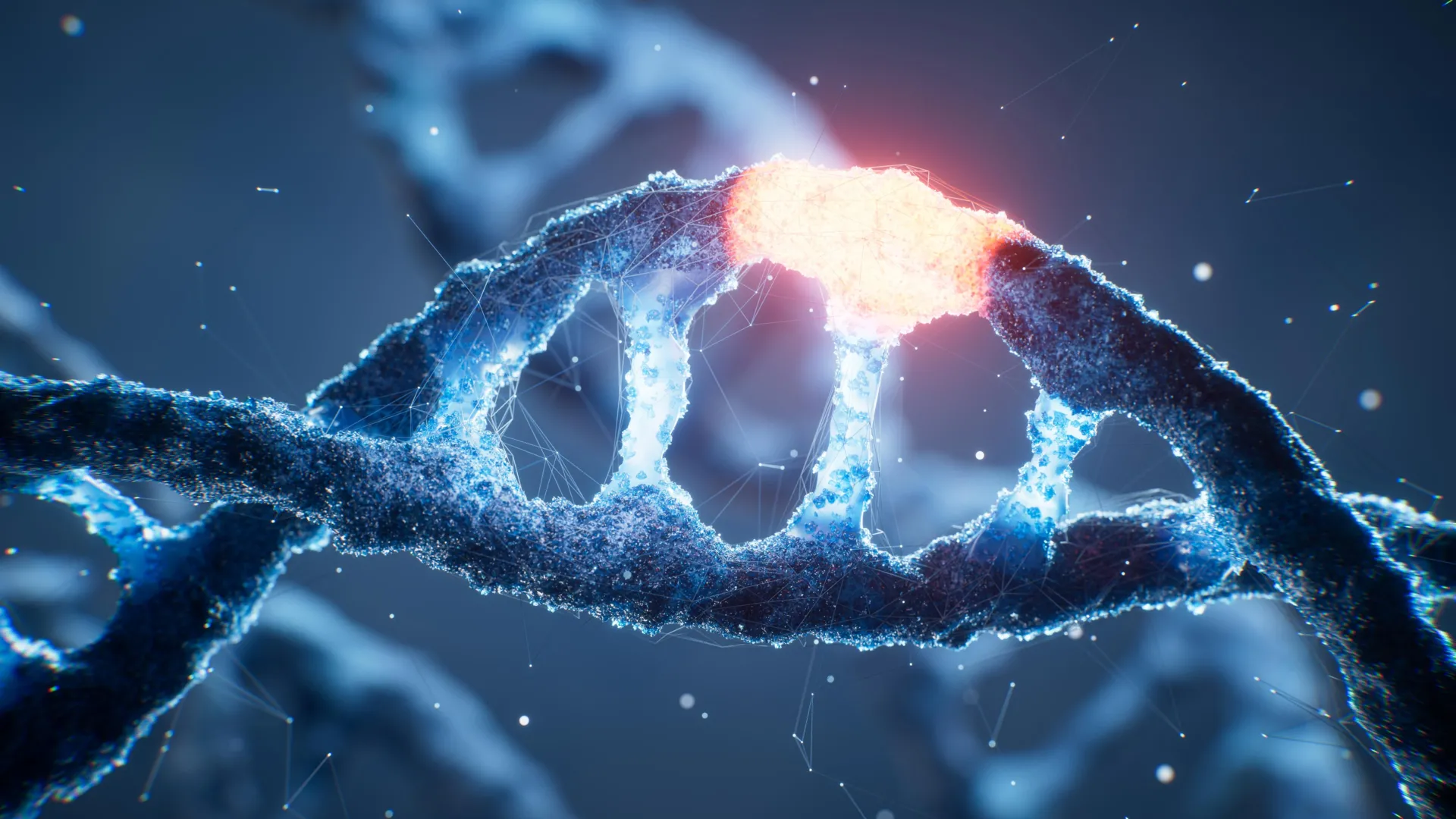
    Healthy growth and development depend on tens of thousands of genes being switched on at the right time and in the right place. Specific regions of DNA help coordinate this process, guiding the production of enzymes, hormones, proteins, and other molecules that cells need to function properly. When gene activation goes wrong, cells can malfunction and contribute to diseases, including cancer.

    To better understand the DNA sequences that control this process, researchers in the laboratory of University of California San Diego Professor James T. Kadonaga focused on an important DNA element known as the “initiator.” The initiator marks the location where the information encoded in a gene begins to be converted, or expressed, into a functional product.

    AI Decodes the Initiator Sequence

    In the new study, led by graduate student researcher Torrey Rhyne-Carrigg, the team used high-throughput DNA sequencing to measure gene expression activity across approximately 500,000 different versions of the initiator.

    The researchers then used those results to train a machine learning system, a form of artificial intelligence, to identify the characteristic DNA pattern associated with the initiator. Once the model had decoded that signature, the team searched human genes for the sequence and found that roughly 60% contain the initiator.

    “These AI models were found to provide, for the first time, strong predictions of the presence or absence of the initiator in human genes, and were thus able to decode the DNA base sequence pattern of the initiator,” said Kadonaga, a professor in the UC San Diego Department of Molecular Biology, School of Biological Sciences.

    Predicting the Effects of DNA Mutations

    The findings could help researchers anticipate how mutations affecting the initiator may alter gene activity and contribute to a range of disorders. The study’s data and AI models may also support the design of synthetic promoters, sequences that can switch genes on or off, with functions tailored for specific purposes.

    More broadly, the research shows how laboratory experiments and artificial intelligence can be combined to uncover information encoded in human DNA.

    “More globally, this work is a step forward in the combined use of laboratory experiments and AI to decipher the information that is embedded in the sequence of the DNA bases in humans,” said Kadonaga. “Ultimately, within the six billion bases of DNA in each of our cells, there is a gene expression code that specifies when, where and to what extent each of our genes should be turned on or off. If we had an AI model for the entire gene expression code, we would be able to predict the activity of each of the different variants of genes in different people. The new AI model for the initiator is a small but important part of this gene expression code, and I am optimistic that we will expand our AI models of the human gene expression code in the not-too-distant future.”
  • A hidden weakness in deadly cancers could lead to powerful new treatments

    A hidden weakness in deadly cancers could lead to powerful new treatments

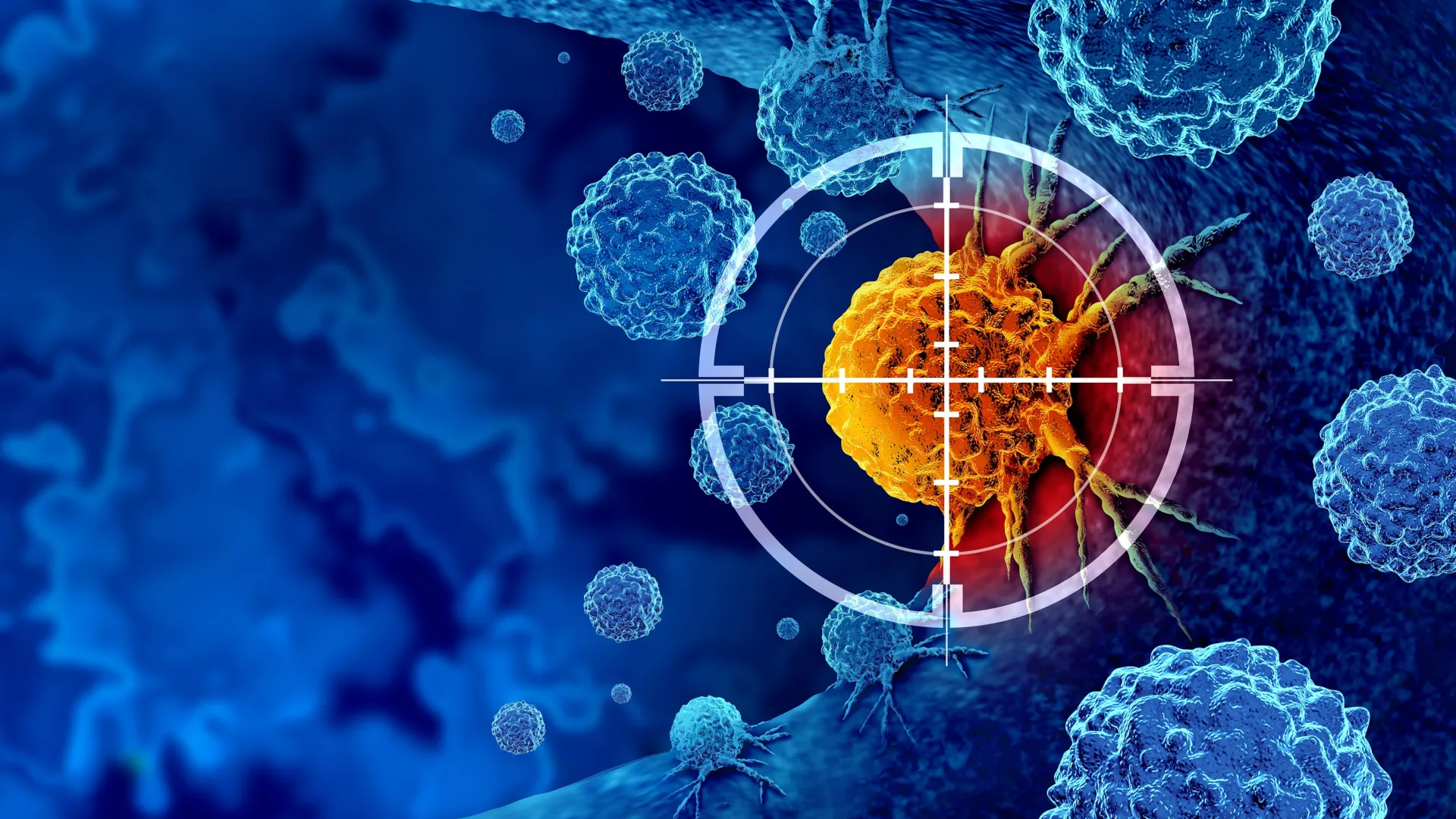
    Researchers at UCLA have identified a hidden weakness in some of the most aggressive and difficult-to-treat cancers, raising hopes for a new way to attack tumors that have resisted treatment for decades.

    Small cell neuroendocrine cancers can develop in the lung, prostate, and ovary. These fast-growing tumors tend to spread early and have remained among the hardest cancers to treat successfully.

    A key feature of these cancers is the loss of a gene called RB. Under normal conditions, RB helps keep cell growth under control. When the gene is missing, cancer cells multiply rapidly and become resistant to many targeted therapies.

    Now, a new study published in Proceedings of the National Academy of Sciences suggests that losing RB also creates an unexpected vulnerability that researchers believe could become a powerful treatment target.

    A Hidden Dependency in Deadly Cancers

    The UCLA team discovered that cancer cells lacking RB become heavily dependent on a protein called E2F3 to survive. In laboratory experiments, blocking E2F3 prevented tumor growth through a process known as “synthetic lethality.”

    In simple terms, cancer cells can survive without RB, but they cannot survive when both RB and E2F3 are lost. Removing E2F3 alongside the missing RB exposes a critical weakness that researchers believe could be exploited with future therapies.

    “Discovering a vulnerability like this opens the door to thinking about entirely new treatment strategies,” said study senior author Dr. Owen N. Witte, who holds the Presidential Chair in Developmental Immunology in the Department of Microbiology, Immunology, and Molecular Genetics and is a member of the UCLA Health Jonsson Comprehensive Cancer Center. “That’s especially important because there has not been a major change in how we treat these cancers for decades. When I first encountered these tumors as a medical student more than 50 years ago, the survival statistics were essentially the same as they are today.”

    Building Better Models To Study Small Cell Cancer

    Progress against small cell neuroendocrine cancers, especially those that develop in the prostate, has been slowed by the lack of realistic laboratory models. Without them, scientists have struggled to identify the genes these tumors rely on and uncover their biological weaknesses.

    To overcome that challenge, the UCLA researchers engineered normal human prostate cells with five major cancer-causing genetic changes, including the loss of RB and TP53. The cells were grown into organoids and then used to produce tumors in mice, creating models that closely resemble human small cell prostate cancer.

    The work builds on more than a decade of research by Witte’s laboratory to develop specialized models of small cell neuroendocrine prostate cancer.

    CRISPR Screens Reveal a Shared Weakness

    Using these models, the team performed genome-wide CRISPR screens that examined thousands of genes to determine which ones were essential for cancer cell survival.

    The researchers identified nearly 1,400 genes that play important roles in keeping the cancer cells alive. Among the most significant discoveries was that small cell cancers from different organs all shared a strong dependence on E2F3.

    When the scientists reduced E2F3 levels in RB-deficient cancer cells, the tumors stopped dividing, could no longer form clusters, and in some cases died completely.

    “It’s not that the two genes do the same thing,” said Witte, who is also the founding director emeritus of the UCLA Broad Stem Cell Research Center and co-director of the Parker Institute of Cancer Immunotherapy Center at UCLA. “But the combination of what they do together becomes essential for the cancer cell. Losing one gene may not matter much, but losing both has a dramatic effect on tumor growth.”

    “These new model systems allowed us to uncover a genetic vulnerability that would have been very difficult to find otherwise,” added first author Dr. Evan Abt, an assistant professor of Molecular and Medical Pharmacology at the David Geffen School of Medicine at UCLA.

    Existing FDA-Approved Drugs May Offer a Shortcut

    Because no medicines currently target E2F3 directly, the researchers looked for another way to exploit the cancer’s weakness.

    They found that blocking a metabolic pathway involved in producing DNA building blocks by inhibiting an enzyme called DHODH lowered E2F3 levels and slowed tumor growth.

    That finding is especially intriguing because DHODH inhibitors, including leflunomide and teriflunomide, are already FDA-approved to treat autoimmune diseases. Repurposing existing medications could potentially speed the development of new therapies for patients with these cancers.

    “What’s exciting is that our findings open the door to applying existing drugs in a new way,” Abt said. “By understanding how these cancers depend on E2F3, we can start to think about strategies that might work much more quickly in patients.”

    Although the research remains in its early stages, the findings provide important new insight into how these aggressive cancers survive and point toward a promising new direction for future treatments.

    Other UCLA authors are Liang Wang, Grigor Varuzhanyan, Jack Freeland, Tian He, Guadalupe M. Peña-Garcia, Lauryn Ruegg, Jami McLaughlin, Donghui Cheng, Nikolas G. Balanis, Chia-Chun Chen, Sanaz Memarzadeh, Caius G. Radu and Thomas G. Graeber.