Biotechnology firm Enodia Therapeutics has announced a research collaboration and licensing agreement with pharma giant Pfizer to discover and develop small molecule inhibitors of Sec61, using Enodia’s proprietary platform.
Under the terms of the agreement, Enodia will perform discovery activities to screen, optimize, and develop Sec61 inhibitor candidates against multiple collaboration targets. Following the collaboration term, Pfizer will be responsible for all clinical, manufacturing, regulatory, and commercial activities. Furthermore, Enodia will receive an upfront payment and is eligible for future research, development, and sales milestone payments, as well as tiered royalties on net sales, bringing the total potential value to more than $500 million.
Enodia develops novel small-molecule therapies for targeted protein degradation using its platform, which is designed to identify small molecules that enable selective Sec61 translocon modulation, a novel approach to inhibit disease-driving proteins when they are synthesized and before pathological effects occur. To date, the company has built a broad chemical space that spans multiple Sec61 inhibitor families and is supported by biological datasets including proteomics and cryo-EM data as well as tailored cell-line libraries.
“Enodia has built a broad platform that enables selective Sec61 translocon modulation, a novel approach to inhibit disease-driving proteins while preserving essential physiological functions,” said Yves Ribeill, PhD, Enodia’s CEO. “We look forward to collaborating with Pfizer, combining their deep expertise and clinical resources with our approach for precisely targeting pathological proteins to bring forth potential new medicines.”
Earlier this year, Enodia announced that it had purchased assets from Kezar Life Sciences’ Sec61-based discovery and development program. At the time, Enodia said that the acquisition helped advance its understanding of Sec61 selectivity mechanisms. The company also said that insights from Kezar’s programs would further strengthen Enodia’s core focus on Sec61-driven selectivity for targeted protein degradation. Under the terms of the purchase agreement, Kezar received an initial upfront payment totaling $1 million, and was expected to receive future payments upon achievement of certain development, regulatory and commercialization milestones.
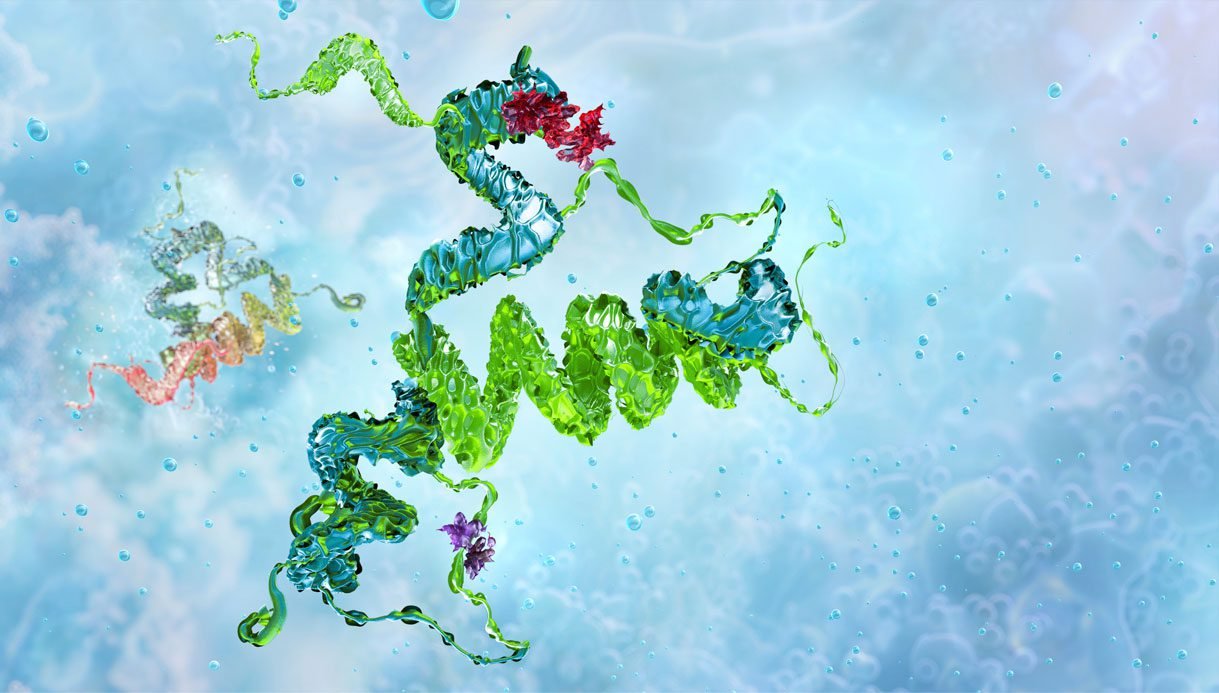
Prions have never played by the rules. They aren’t viruses or bacteria. They’re simply proteins folded into the wrong shape, and that structural mistake can cause devastating problems.
As Alison Armstrong, PhD, global head of scientific & regulatory consultancy, BioReliance Contract Testing Services, Merck KGaA, Darmstadt, Germany, puts it: “Prions are infectious forms of naturally occurring proteins that can alter healthy proteins and lead to neuronal cell death.” As she adds, “They present a potential health risk through animal-to-human transmission, although human-to-human transmission is rare.”
One prion can trigger a chain reaction, coaxing neighboring proteins to misfold too, and the damage spreads through the brain like a rumor nobody can stop. Prion diseases are called transmissible spongiform encephalopathies (TSEs), and they include bovine spongiform encephalopathy (BSE), better known as mad cow disease, and Creutzfeldt-Jakob disease (CJD). Once symptoms of CJD appear, a person’s decline is often fast, and it is always fatal.
For scientists, drug developers, and biomanufacturers, that strange biology creates a second, more practical problem: prions are brutally hard to eliminate, detect, and study.
“For products with a risk of prion contamination, purification processes must be able to eliminate the pathogen,” Armstrong says. “Because methods for directly detecting prions in raw materials are limited by sensitivity, prion-clearance studies have become an industry-standard approach for demonstrating that downstream purification steps can remove or inactivate transmissible spongiform encephalopathy agents.”
Unique infectious agent
Credit: UCSF / Getty Images
Human prion diseases are exceedingly rare. CJD is the most common, and variant CJD (vCJD)—historically linked to eating beef from cattle infected with BSE—is rarer still. Only four vCJD cases have ever been reported in the United States, all in people believed to have been exposed abroad, but rarity doesn’t mean the risk disappears.
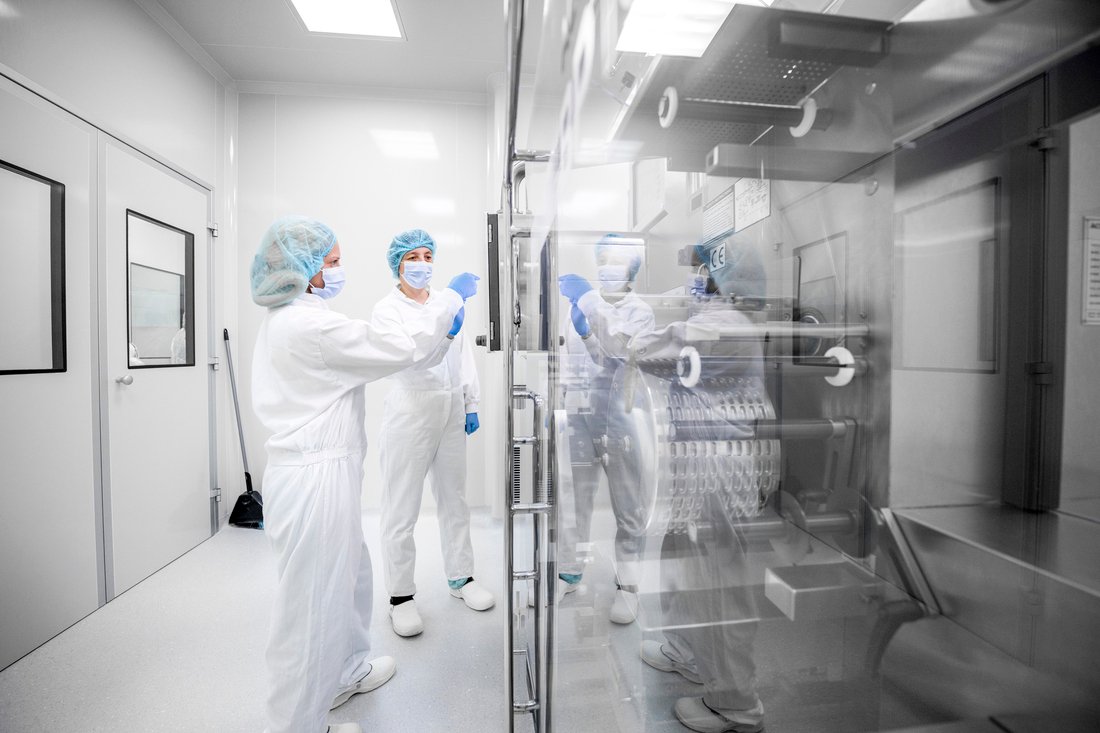
Acquired prion disease can, in unusual circumstances, follow medical procedures involving contaminated equipment or human tissue. That possibility also looms over pharmaceutical manufacturing, particularly wherever human- or animal-derived materials enter the production line.
“Industry and regulatory authorities address these challenges through risk assessment and controls around animal-derived materials used in biologics manufacturing,” Armstrong says. “A TSE risk assessment typically evaluates factors such as the animal species, tissue source, country of origin, tissue classification, manufacturing controls, and sourcing from countries with negligible or controlled BSE risk. These measures, combined with appropriate manufacturing and quality controls, help mitigate the risk of transmissible prion diseases.”
For biological products carrying any plausible contamination risk, manufacturers can use prion-clearance studies to test whether individual purification or manufacturing steps actually remove or inactivate prions. Researchers deliberately spike scaled-down versions of a production process with prion material, then measure what’s left afterward.
Texcell, for instance, describes seeding prion material into crude starting material or mock manufacturing vessels, then tracking removal or inactivation through each subsequent step. Similar studies check whether cleaning procedures between production batches actually destroy prion protein left behind on equipment.
On paper, it sounds simple: put prions in, run the process, see what comes out. Measuring that convincingly is another matter entirely.
The measurement problem
A clearance study is only as trustworthy as the assay behind it.
ViruSure, whose staff have worked in prion safety since the BSE crisis of the 1990s, relies on the hamster-adapted 263K scrapie strain for many of its studies—a model it describes as accepted by regulatory authorities. The company runs quantitative Western blot assays to check whether manufacturing steps remove or inactivate prion protein, alongside in vivo bioassays for determining prion titer.
Animal bioassays remain the benchmark, but they are slow, expensive, and nearly impossible to scale. And an assay built on rodent-adapted prions isn’t a stand-in for rapidly experimenting on the real, infectious human thing.
That distinction matters most in drug discovery. A compound that performs beautifully against an experimental prion model has no guarantee of working against actual human disease.
A new experimental system might finally close that gap.
Making human prions grow in cells
Parmjit Jat, PhD, a professor of molecular biology at University College London, and his colleagues report developing EKV cells: a humanized mouse-cell model capable of supporting robust, indefinite propagation of sporadic CJD (sCJD) prions.
That solves a problem that has dogged the field for decades. As Jat and his co-authors put it, research into human prion biology and therapeutics “has been severely constrained by the inability to propagate human prions in dividing cells,” leaving scientists dependent on “costly and slow animal bioassays.”
The team reports that EKV cells reliably generate high-titer infectious sCJD prions. Lysates from those cells triggered lethal prion disease in humanized mice that was clinically and neuropathologically indistinguishable from disease caused by sCJD-infected human brain tissue, which gives a strong signal that the model is capturing the real thing, not a rough approximation of it. Using the cell line, the researchers built the Human Prion Assay (HPA) which quantifies sCJD infectivity with sensitivity they report as comparable to the gold-standard mouse bioassay.
The crucial difference is time. The HPA compresses the experimental timeline “from years to weeks,” the scientists note.
A renewable, cell-based model makes experiments more reproducible and far more scalable. Instead of leaning entirely on infected brain tissue or months-long animal studies, scientists can now investigate disease mechanisms and screen candidate therapies directly against infectious human prions.
It also hands researchers a faster route to arguably the most important question in the field: Can an established prion infection actually be cleared, once it has taken hold?
To show the platform could actually screen drugs, Jat’s team dosed infected cells with ICSM18, an anti-prion protein monoclonal antibody previously shown to work against nonhuman prions. The result was potent, dose-dependent clearance of human PrPSc in infected EKV cells. An isotype control antibody, used as a check, did nothing.
These scientists point out that earlier therapeutic screens built on murine prions turned up compounds like quinacrine that later failed in human trials. Infected EKV cells, by contrast, could support high-throughput screening of small-molecule inhibitors against genuine infectious human prions from the start.
The gap between a years-long assay and one that produces answers in weeks could reshape the scale of that screening. More compounds, more concentrations, more shots on goal become experimentally realistic. Failures get weeded out sooner. Promising candidates move faster.
Attacking from another direction
As some researchers build better models, others are widening what counts as a viable drug target in the first place.
Most therapeutic strategies have focused on blocking the conversion of normal cellular prion protein, PrPC, into its pathological form, PrPSc. Scientists at the laboratory of prion biology at the Scuola Internazionale Superiore di Studi Avanzati in Italy tried something different: reducing prion burden without touching either protein directly.
Their strategy grew out of an observation that the protease inhibitor SERPINA3, also known as SerpinA3n, is upregulated during prion disease. The researchers identified a small molecule, ARN1468, that inhibits those serpins and reduced prion load in chronically infected cells.
That compound’s low bioavailability, however, ruled out in vivo studies in prion-infected mice. Even so, the work is proof of concept that a drug can target the biological machinery around prion accumulation rather than the prion protein itself. The researchers call it “a novel and effective approach to the treatment of prion disease.”
That broader strategy could become especially useful once paired with scalable, human-relevant experimental systems. Researchers could investigate not just molecules that physically bind prion proteins, but the cellular pathways that decide whether misfolded proteins accumulate, persist, or vanish.
Breaking the bottleneck
Prion clearance in biomanufacturing and therapeutic drug discovery can look like two unrelated fields. They aren’t. Both are wrestling with the same core problem: scientists need a reliable way to prove that infectious prions have actually been removed.
For manufacturers, that means stress-testing purification and cleaning processes and quantifying how well they eliminate a remarkably resilient contaminant. For therapeutic researchers, it means building systems where a genuine human prion infection can be established, measured, and cleared, rather than approximated.
Prions remain exceptionally difficult targets. The distance between clearing PrPSc in a dish and treating a patient with a rapidly progressive, fatal neurodegenerative disease is enormous, and new cell assays will complement rather than replace rigorous animal and validation studies.
But the tools available to scientists shape the questions they can realistically ask. For decades, prion research has been bottlenecked by exactly that—the sheer time and difficulty of studying the pathogen at all. Human prions resisted scalable propagation, infectivity studies leaned almost entirely on animals, and drug candidates built on nonhuman models kept failing to translate. A system that can propagate, quantify, and experimentally clear genuine human sCJD prions would change that math.
The most important advance here, then, might not be any single antibody, small molecule, or assay. It’s the possibility of a faster experimental loop—one where scientists can generate human prions, measure them, challenge them with candidate treatments, and get an answer within weeks instead of years.
For one of biology’s most stubborn infectious agents, simply making the experiments faster might turn out to be one of the most powerful forms of progress available.
The Era of Modality Convergence: Why Drug Development Is Being Rewritten
The life sciences industry is entering a new era, defined not by a single breakthrough technology but by the convergence of many. Artificial intelligence is accelerating drug discovery, cell and gene therapies are expanding treatment possibilities, and antibody engineering continues to evolve beyond traditional monoclonal antibodies. Meanwhile, mRNA platforms, viral vectors, antibody-drug conjugates (ADCs), multispecific antibodies, and other advanced therapeutic modalities are transforming how developers approach previously intractable diseases. Taken individually, each of these innovations represents a significant advancement. Together, they are reshaping the drug development landscape.
For decades, therapeutic development followed a familiar path: identify a target, optimize a lead candidate, advance through preclinical studies, and move into clinical evaluation. While the science was challenging, the overall framework remained relatively consistent. Today, that framework is evolving rapidly. Developers are no longer limited to choosing between small molecules and conventional biologics. Instead, they have access to a growing toolkit of therapeutic technologies, each with unique advantages, manufacturing requirements, analytical challenges, and regulatory considerations. At the same time, advances in computational biology and AI-driven discovery are generating more candidates than ever before.
As a result, the challenge is no longer simply finding promising molecules. Increasingly, success depends on identifying candidates that can be manufactured, scaled, and translated into viable therapies. Decisions once reserved for later stages, including developability, manufacturability, analytical characterization, and clinical strategy, must now be addressed much earlier in the process. Drug development is becoming a continuous, interconnected journey rather than a series of separate steps.
The boundaries between traditional disciplines are also beginning to blur. Cell therapies may incorporate viral vectors. Gene therapies may leverage lipid nanoparticles. Antibody programs may evolve into multispecific or conjugated formats. The future of drug development is not defined by any single modality, but by the ability to integrate technologies effectively.
Organizations that combine discovery expertise, modality-specific knowledge, CMC capabilities, and manufacturing execution will be best positioned to navigate this increasingly complex environment. The articles that follow examine key trends driving this transformation, from AI-enabled discovery and experimental validation to advanced cell, gene, and biologic platforms, and explore how the next generation of therapies will move from concept to clinic.
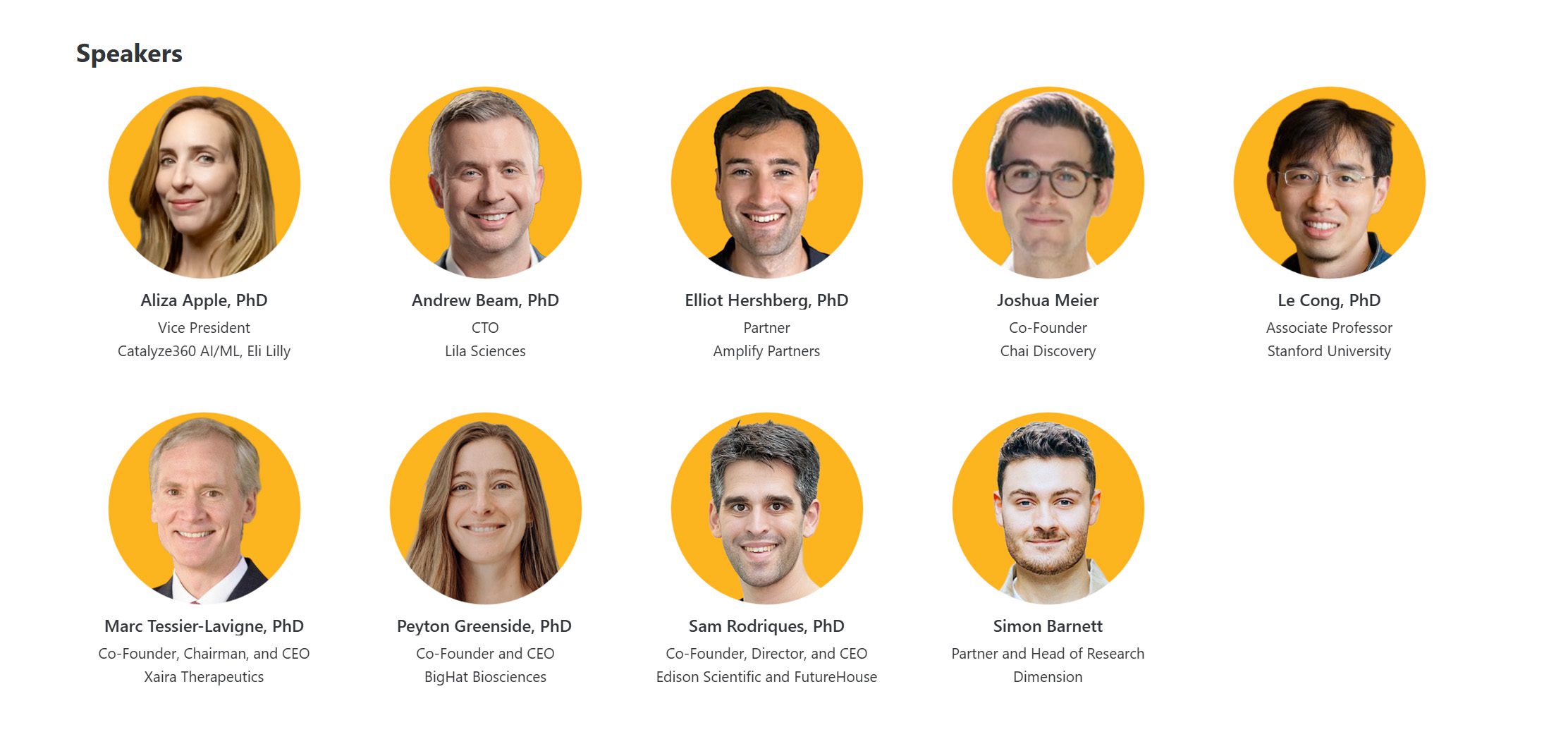
Aliza Apple, PhD, is a vice president of Catalyze360 AI/ML at Eli Lilly, where she leads the strategy, build and launch of Lilly’s external-facing AI/ML efforts for drug discovery. She previously served as the COO and head of Lilly Gateway Labs West Coast, where she supported the local biotech ecosystem through early engagement and providing tailored offerings to meet their needs. Prior to Lilly, Aliza served as a co-founder at Santa Ana Bio, a venture-backed precision biologics company focused on autoimmune disease, and as an advisor to the founders of Firefly Biologics. Prior to biotech, Aliza was a partner in McKinsey’s life sciences practice. During her nine years at McKinsey in New York and San Francisco, she collaborated with leaders from more than 20 biopharma companies to develop their corporate and portfolio strategies, evaluate business development opportunities, and improve their organizational effectiveness.
Aliza completed her PhD in bioengineering at UC Berkeley and UCSF and holds a BS in physics from Georgetown University. She completed a postdoctoral fellowship at Cornell Medical College, supported by the NIH Kirschstein National Research Service Award.
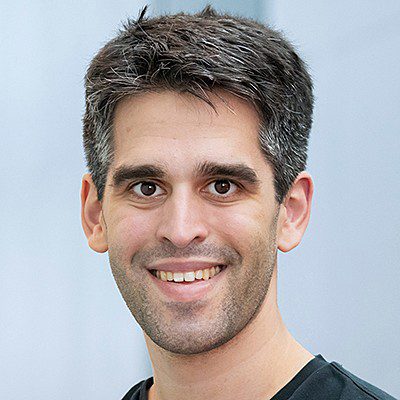
Sam Rodriques, PhD
Co-Founder, Director, and CEO Edison Scientific and FutureHouse
Panelist
Sam Rodriques, PhD
Physicist and bioengineer Sam Rodriques, PhD, is the co-founder, director, and CEO of Edison Scientific and FutureHouse. Sam has invented technologies for spatial and temporal transcriptomics, brain mapping, gene therapy, and nanofabrication, and briefly ran an academic lab at the Francis Crick Institute in London prior to launching FutureHouse in San Francisco in 2023. FutureHouse is a new research lab focused on building an AI Scientist to accelerate research in biology and other complex sciences. In 2025, Sam launched Edison Scientific to commercialize the agents being built at FutureHouse, with the goal of wanting “science to move faster.”
Sam graduated summa cum laude with highest honors in physics from Haverford College, where he worked on new methods for calculating quantum entanglement in multipartite quantum systems. He holds a PhD in physics from MIT, having worked between the MIT Media Lab, the MIT Department of Brain and Cognitive Sciences, and the Broad Institute. Among his awards and fellowships are the Hertz Foundation Graduate Fellowship, an NSF Graduate Research Fellowship, and a Churchill Scholarship.
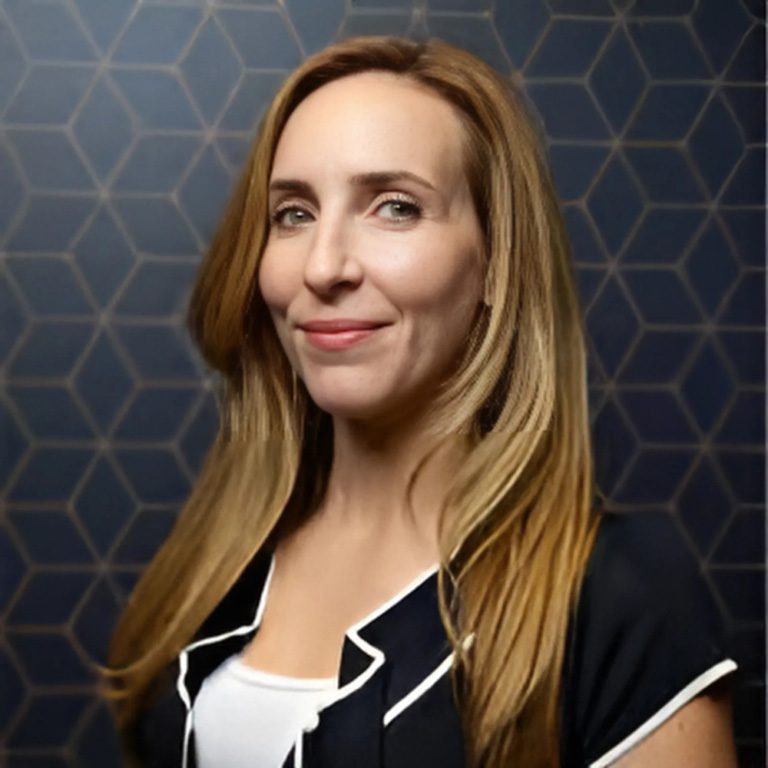
Peyton Greenside, PhD
Co-Founder and CEO BigHat Biosciences
Panelist
Peyton Greenside, PhD
Peyton Greenside, PhD, is the co-founder and CEO of BigHat Biosciences, a Bay Area biotechnology company pioneering an ML-driven platform to accelerate the design of next-generation antibodies and other therapeutic proteins.
Peyton holds a BA in applied mathematics from Harvard University, a PhD from Stanford University, and an MPhil in computational biology from the University of Cambridge, U.K.
Marc Tessier-Lavigne, PhD
Co-Founder, Chairman, and CEO Xaira Therapeutics
Panelist
Marc Tessier-Lavigne, PhD
Marc Tessier-Lavigne, PhD, is the co-founder, chairman, and CEO of Xaira Therapeutics. Previously, he held executive positions in the private sector at Genentech, where he was executive vice president for research and chief scientific officer, and in the academic sector, where he served as president of The Rockefeller University and then for seven years at Stanford University, where he remains a professor of biology (on leave). He also served previously on the faculty of the University of California, San Francisco, and was an investigator with the Howard Hughes Medical Institute. A Rhodes Scholar, Marc has been a leader in understanding mechanisms that direct the wiring of the brain and has helped elucidate mechanisms of neurodegeneration. He is the recipient of numerous scientific awards, including the 2020 Gruber Neuroscience Prize, and has been elected to multiple scientific societies, including the U.S. National Academy of Sciences and U.S. National Academy of Medicine; he is also an officer of the Order of Canada, one of that country’s highest honors. Marc is the co-founder of two neuroscience biotech companies, Renovis and Denali, and has served on the boards of Agios, Regeneron, Pfizer, Juno, and Denali.
Marc holds a BS degree in physics from McGill University in his native Canada. He earned a BA in philosophy and physiology from the University of Oxford as a Rhodes Scholar, and a PhD in physiology from the University of London.
Broadcast Date:
Time:
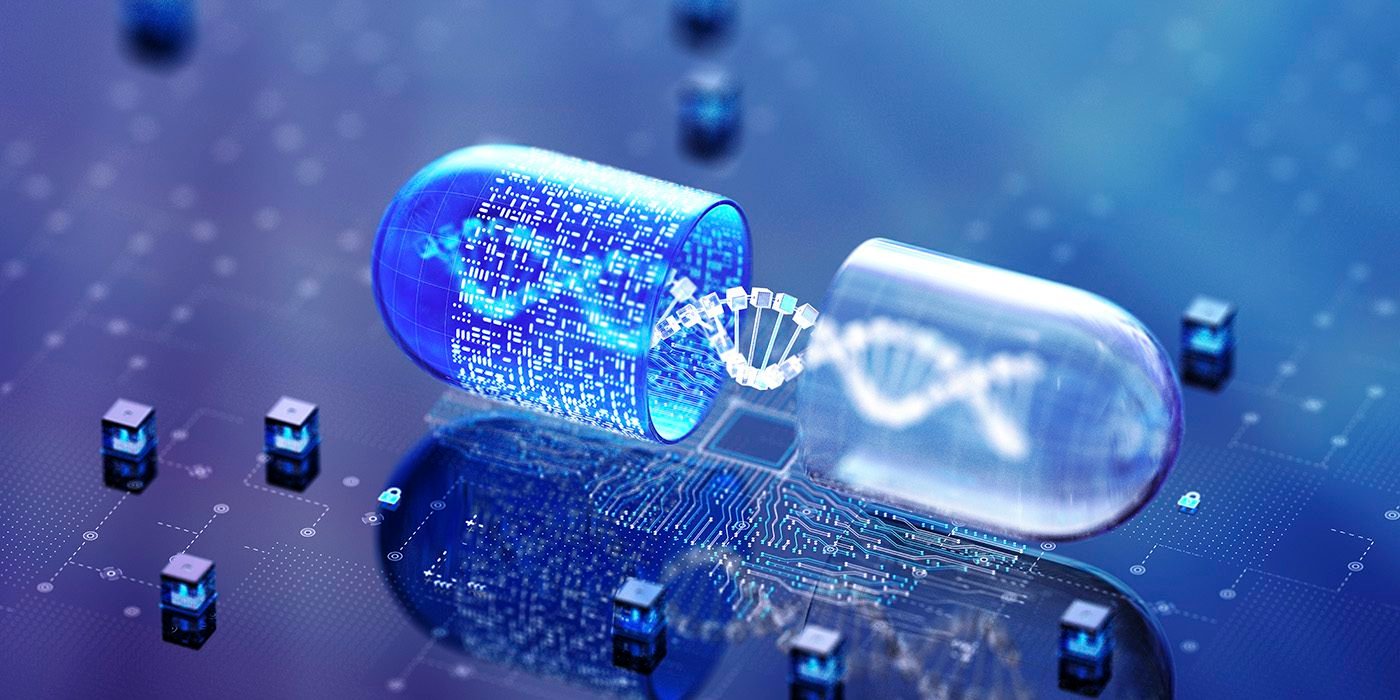
From billion-dollar funding rounds and waves of IPOs to the first AI-guided molecules entering the clinic, the industry is signaling a clear inflection point: AI is set to fundamentally reshape drug discovery. At the center of this shift are maturing foundation models for molecules and cellular systems that unveil insights into complex biology.
Yet the challenge is no longer prediction alone. Building the infrastructure that connects accelerated computing, generative design, and experimental feedback will be critical for transforming AI into a fully integrated engine for therapeutic innovation.
GEN’s virtual summit, The State of AI in Drug Discovery, returns on November 4 to examine how AI is reshaping R&D timelines and real-world patient translation. From big pharma to AI-natives, this year’s program features the leaders of many of today’s outstanding companies and organizations powering the AI revolution, including Xaira Therapeutics, Edison Scientific, Eli Lilly, Chai Discovery, Lila Sciences, BigHat Biosciences, and more!
Among the program highlights during this 4-hour event are:
Building the AI scientist with Sam Rodriques, PhD (Edison Scientific)
A fireside chat with Xaira Therapeutics CEO Marc Tessier-Lavigne, PhD
Powering AI adoption through strategic enterprise partnerships with Aliza Apple, PhD (Lilly TuneLab), Simon Barnett (Dimension), and Elliot Hershberg, PhD (Amplify Ventures)
The role of agentic workflows in accelerating drug discovery with Le Cong, PhD (Stanford and Phylo) and Andrew Beam, PhD (Lila Sciences)
The new era of programmable therapeutics with Josh Meier (Chai Discovery) and Peyton Greenside, PhD (BigHat Biosciences)
And breakout sessions from our four event sponsors: A-AlphaBio, Benchling,LabVantage, and Revvity Signals.
Don’t miss this exceptional virtual summit, featuring many of the visionaries shaping the future of AI in drug discovery and biotech. Registration, as always, is free.