Category: Common

  • Common supplements rival antibiotics for severe gum disease

    Common supplements rival antibiotics for severe gum disease

    A combination of omega-3 and low-dose acetylsalicylic acid (ASA) performed about as well as antibiotics in a yearlong study of people with severe periodontitis, raising the possibility of an alternative treatment for some patients.

    The research was conducted by scientists affiliated with Albert Einstein Israelite Hospital, Guarulhos University (UNG), the University of Taubaté (UNITAU), and the Ribeirão Preto School of Dentistry at USP (FORP-USP) in Brazil, along with Harvard University in the United States. The findings were published in the Journal of Periodontology.

    Researchers say the results could eventually help reduce antibiotic use in selected patients, an important consideration as bacterial resistance becomes an increasingly serious global health problem.

    Severe Periodontitis Can Damage Bone and Teeth

    Supported by FAPESP (projects 20/05874-2 and 20/05875-9), the clinical study included 109 people with advanced periodontitis who were followed for one year.

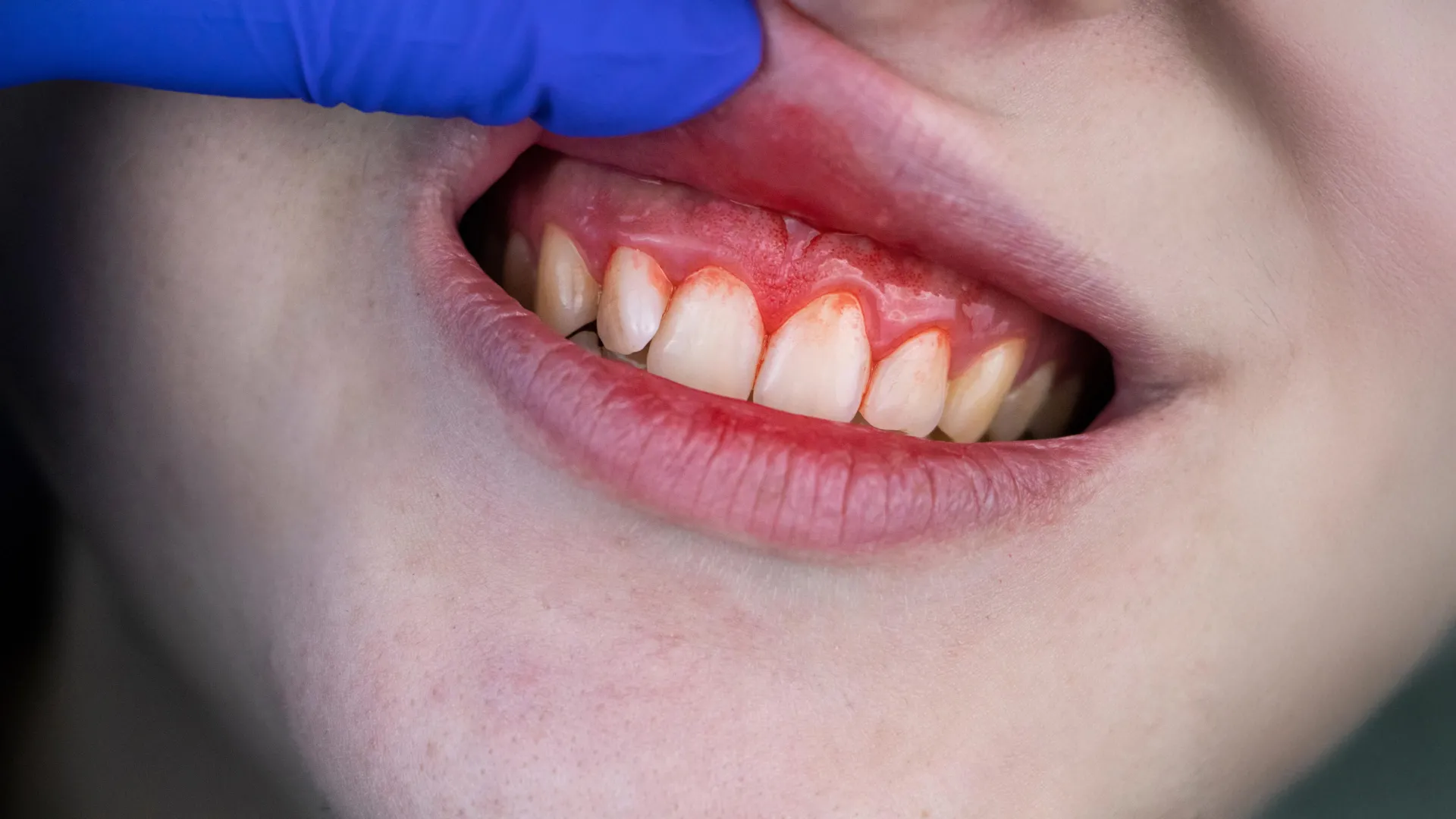
    Periodontitis is a chronic inflammatory disease that develops when bacteria accumulate below the gumline and damage the tissues that hold teeth in place. In advanced cases, the disease can destroy supporting bone, loosen teeth, and eventually cause tooth loss.

    “Patients with severe disease have very deep pockets, which act as reservoirs for bacteria associated with the disease. It’s a very challenging condition to treat,” says dental surgeon Nídia Cristina Castro dos Santos, the first author of the study and a professor and researcher at Einstein.

    Researchers Compared Four Treatment Strategies

    The participants were randomly divided into four groups. Everyone received subgingival instrumentation, popularly known as scaling, which is a standard treatment for periodontitis. The procedure removes bacterial deposits and other material from below the gums.

    What differed among the groups was the additional treatment they received.

    Participants in the control group were given placebo versions of the antibiotics, omega-3, and ASA, packaged in capsules that looked like the active treatments.

    A second group received the antibiotics metronidazole and amoxicillin. This combination has some of the strongest scientific evidence supporting its use in severe periodontitis. Patients took the antibiotics three times per day for 14 days.

    A third group received three grams of omega-3 each day along with a daily dose of aspirin for six months.

    The fourth group received both approaches, taking antibiotics for two weeks while also following the omega-3 and ASA regimen for six months.

    Researchers assessed the participants again after three, six, and twelve months.

    Omega-3 and Aspirin Nearly Matched Antibiotics

    After one year, about 58% of patients treated with antibiotics had reached the clinical target established by the researchers. That goal was defined as having no more than four remaining deep periodontal pockets.

    The omega-3 and ASA group achieved a nearly identical result, with 57.7% of participants reaching the same target.

    The difference compared with standard treatment alone was substantial. Among patients who received scaling plus placebo, only 23.1% met the clinical goal.

    Surprisingly, using antibiotics together with omega-3 and ASA did not produce any additional benefit over either strategy alone.

    “The use of antibiotics isn’t considered the gold standard of treatment. Although metronidazole and amoxicillin yield good results in the most severe cases, their use should be evaluated on a case-by-case basis due to risks related to bacterial resistance and possible adverse effects,” says Castro dos Santos.

    Earlier Research Pointed to Omega-3’s Potential

    The findings build on previous work examining omega-3 and inflammation in periodontal disease.

    In an earlier FAPESP-supported study published in Scientific Reports, researchers found that omega-3 supplementation reduced inflammation and bone loss associated with periodontal disease in rats. The effect was particularly noticeable when supplementation was combined with physical exercise.

    Because that research used an animal model, it could not establish whether the same effects would occur in people. However, it provided evidence that omega-3 might influence inflammatory processes involved in oral disease.

    Helping the Body Resolve Inflammation

    According to Castro, omega-3 works differently from conventional anti-inflammatory medications.

    Rather than simply blocking particular inflammatory pathways, omega-3 can contribute to the production of molecules that help the body naturally bring inflammation to an end and promote tissue repair.

    Low-dose ASA was included because it can enhance the production of these inflammation-resolving molecules. Researchers therefore suspected that combining omega-3 with ASA might help the body gain better control over the persistent inflammation associated with periodontitis.

    “We imagined that the combination of antibiotics and omega-3 would be most effective in controlling periodontitis in these patients. We also believed that the results for the group that used omega-3 with ASA would be slightly lower than those for the antibiotic group. The result was surprising because the two therapies performed very similarly, paving the way for it to become a treatment option for these patients,” says Castro.

    Benefits Continued After Treatment Ended

    The researchers were also struck by how long the apparent benefits lasted.

    Participants who had taken omega-3 and ASA continued to show results similar to those seen at the end of treatment even six months after supplementation had stopped.

    According to Castro, the persistence of the effect raises the possibility that changing the way the body responds to inflammation could produce longer-lasting benefits. Researchers are still investigating exactly how this might happen.

    For dental surgeon Magda Feres, the lead author of the study and a full professor at the Harvard School of Dental Medicine and the Graduate Program in Dentistry at UNG, the results suggest that targeting the inflammatory response could provide another option for certain patients.

    “The combination of omega-3 and low-dose aspirin achieved clinical benefits comparable to those of the metronidazole and amoxicillin protocol, opening up a real alternative for those who can’t take antibiotics, especially patients with allergies or intolerance to these medications,” she says.

    A Possible Way to Reduce Antibiotic Use

    The potential to treat some cases without antibiotics is particularly relevant because antibiotic resistance is considered one of the major threats to global public health.

    When bacteria are repeatedly exposed to antibiotics, strains that can survive the drugs may spread, making infections more difficult to treat. Reducing unnecessary antibiotic use is therefore an important public health goal.

    “Demonstrating that it’s possible to treat severe periodontitis by modulating the body’s own response is new and relevant information that helps preserve antibiotics for when they are truly indispensable,” says Feres.

    More Evidence Is Needed

    Despite the promising results, the researchers stress that omega-3 and aspirin should not yet be viewed as a routine replacement for antibiotics in severe periodontitis.

    The clinical trial included patients who did not have significant systemic or oral diseases. Additional studies will be needed to determine whether the findings hold true in broader and more diverse populations, and to establish which patients are most likely to benefit from each treatment strategy.

    Researchers are also conducting microbiological analyses to understand what happens to bacteria inside periodontal pockets during treatment.

    Preliminary findings suggest that the therapies may reduce bacterial species associated with periodontal disease while increasing microorganisms linked to healthier gums.

    “It’s an important step forward, but not the end of the story. Therefore, the message is one of cautious optimism: we have a promising, scientifically plausible alternative to antibiotics in select cases. Routine replacement will require more evidence,” she concludes.

  • Common medications may change your gut for years

    Common medications may change your gut for years

    Medications can influence the community of microbes living in the human gut long after a person stops taking them, according to a large study led by researchers at the University of Tartu Institute of Genomics.

    The findings suggest that a person’s prescription history may help explain differences in the gut microbiome years later. The gut microbiome includes the vast community of bacteria and other microorganisms that live in the digestive tract and can influence digestion, metabolism, immune function, and other aspects of health.

    Drug Effects May Persist for Years

    Researchers analyzed stool samples and prescription records from more than 2,500 participants in the Estonian Biobank who were part of the Estonian Microbiome cohort. They found that most of the medications examined were associated with differences in the gut microbiome.

    For a substantial number of drugs, those differences could still be detected years after people had stopped taking the medication.

    The lasting effects were not limited to antibiotics, which are already well known for their ability to disrupt populations of gut bacteria. Antidepressants, beta-blockers, proton pump inhibitors, and benzodiazepines were also associated with distinctive microbial “fingerprints.”

    Beta-blockers are commonly used to treat conditions such as high blood pressure and certain heart problems. Proton pump inhibitors reduce stomach acid and are often prescribed for acid reflux and related conditions. Benzodiazepines are medications commonly used for anxiety and other disorders.

    “Most microbiome studies only consider current medications, but our results show that past drug use can be just as important as it is a surprisingly strong factor in explaining individual microbiome differences,” said Dr. Oliver Aasmets, lead author.

    The finding suggests that researchers studying connections between the microbiome and disease may need to look beyond the medications a person is currently taking. Drugs used months or even years earlier could still influence the microbial patterns seen in a stool sample.

    Anxiety Drugs Show Surprisingly Strong Effects

    One particularly striking finding involved benzodiazepines, which are commonly prescribed for anxiety. Their associations with the gut microbiome were comparable to those seen with broad-spectrum antibiotics.

    Broad-spectrum antibiotics are designed to act against many different types of bacteria, which is why they can produce substantial changes in the gut microbial community.

    The study also found that medications belonging to the same drug class did not necessarily affect the microbiome in the same way. Drugs that may be prescribed for similar conditions, such as diazepam and alprazolam, differed in how strongly they appeared to disrupt gut microbes.

    That distinction could be important because medications are often grouped together in microbiome research based on their drug class. The new results suggest that individual drugs may need to be considered separately.

    Follow-Up Samples Reveal Predictable Changes

    Researchers also examined follow-up stool samples from a smaller group of participants. These samples allowed them to observe what happened when people started or stopped certain medications.

    Those changes were accompanied by predictable shifts in gut microbes, providing evidence that the medications themselves may be responsible for at least some of the observed differences.

    Although the second time-point analysis involved a relatively small number of participants, researchers were able to confirm persistent effects linked to proton pump inhibitors, selective serotonin reuptake inhibitors and antibiotics, such as penicillins in combination and macrolides.

    Selective serotonin reuptake inhibitors are a widely used class of antidepressants. Macrolides are a group of antibiotics that includes drugs used to treat a range of bacterial infections.

    Medication History Could Matter in Microbiome Research

    The results add to growing evidence that the gut microbiome reflects more than a person’s current diet, lifestyle, health, and medication use. Past treatments may leave biological traces that remain detectable long after the prescription has ended.

    “This is a comprehensive systematic evaluation of long-term medication effects on the microbiome using real-world medical health records,” said Professor Elin Org, corresponding author. “We hope this encourages researchers and clinicians to factor in medication history when interpreting microbiome data.”

    Accounting for that history could help scientists more accurately distinguish microbiome changes associated with disease from changes caused by medications taken in the past.

  • Common blood pressure drug could make cancer therapy far more powerful

    Common blood pressure drug could make cancer therapy far more powerful

    A medication that has long been used to treat high blood pressure could also help make an important class of cancer drugs much more effective, according to new research from Dartmouth Cancer Center (DCC). The study found that the FDA approved drug telmisartan significantly boosted the cancer killing activity of the targeted therapy olaparib, raising the possibility that more patients could benefit from the treatment. The findings were published in The Journal for ImmunoTherapy of Cancer.

    “This study shows that a common, safe, tolerable, convenient, and inexpensive drug may significantly improve how well an important class of cancer therapies works,” said Tyler J. Curiel, MD, MPH, FACP, the study’s senior and lead author.

    Making PARP Inhibitors Work for More Patients

    Olaparib belongs to a group of targeted cancer drugs known as PARP inhibitors. These medicines work by taking advantage of defects in the way certain cancer cells repair damaged DNA. They are especially effective against tumors with problems in homologous recombination DNA damage repair, including cancers linked to BRCA gene mutations.

    Many cancers, however, do not have those DNA repair defects, which means PARP inhibitors are not effective for a large number of patients. Even when the drugs initially work, tumors often become resistant over time.

    The Dartmouth team found that telmisartan can make tumors more sensitive to PARP inhibitors, even if they do not have the DNA repair weaknesses that these drugs typically rely on.

    Stronger Immune Response Against Tumors

    In preclinical experiments, combining telmisartan with olaparib increased DNA damage inside cancer cells while also activating important immune defenses. The treatment combination boosted production of type I interferons, signaling molecules that help the immune system identify and attack cancer.

    “This immune activation appears to be a key reason the combination works so well,” Curiel said.

    A Unique Effect Among Blood Pressure Medications

    Telmisartan is part of the angiotensin II receptor blocker (ARB) family of drugs, which are widely prescribed to treat hypertension. Researchers compared telmisartan with other ARBs and found that its cancer enhancing effects were unique within the class.

    The drug also lowered levels of PD-L1 inside tumor cells. PD-L1 is a protein that many cancers use to avoid detection by the immune system, making this additional effect another potential advantage.

    “Telmisartan has several distinct anticancer effects that, together with targeted therapy, could make tumors more responsive to distinct types of treatments,” Curiel said. “We showed the improved efficacy with PARP inhibitors in this study, but we also have good data showing that telmisartan improves efficacy of distinct chemotherapy classes and immunotherapies in many other cancer types through related mechanisms.”

    Early Clinical Trials Are Already Underway

    Because telmisartan is taken by mouth, has an established safety record, and is well tolerated even by people without hypertension, researchers believe it is well suited for rapid testing in cancer patients. Curiel and colleagues at DCC have already launched two clinical trials to evaluate the combination.

    One study is testing telmisartan with olaparib in men with metastatic, castration-resistant prostate cancer. According to Curiel, the first participant experienced an exceptional response to treatment. A second trial recently enrolled its first patient with platinum-resistant ovarian cancer.

    “We are encouraged by what we are seeing so far,” Curiel said. “Our goal is to determine whether this combination approach can help more patients benefit from greater effectiveness of PARP inhibitors and other cancer treatment classes and potentially overcome resistance to these drugs.”

    Support from the Guyre fund and Gmelich fund at DCC played a key role in completing the research and launching the clinical trials.