Category: Clinical Research

  • China’s surging biotech sector represents both competition and lifeline for the US

    China’s surging biotech sector represents both competition and lifeline for the US

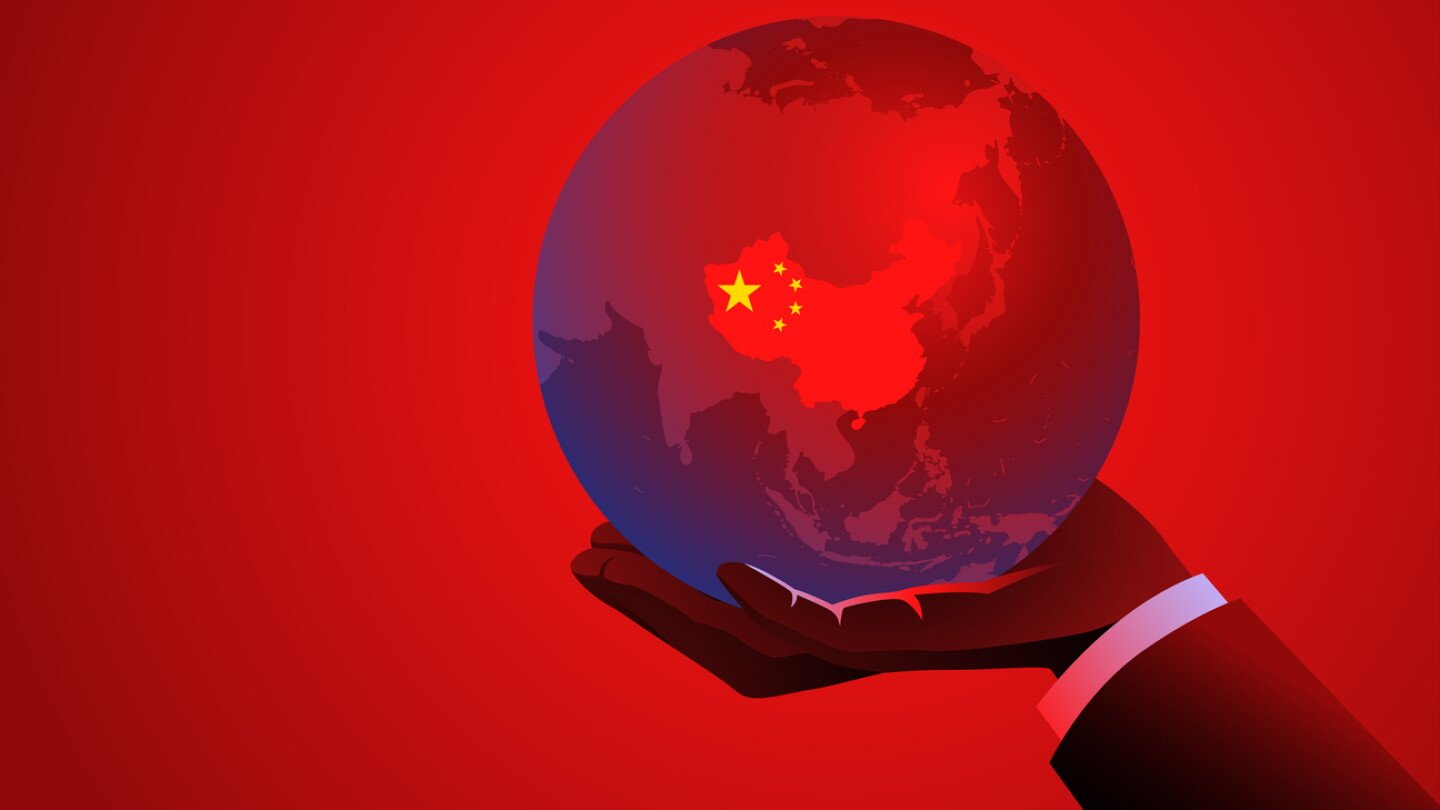
    Emerging from stealth earlier this month, Boston-based Solstice Oncology highlighted its origins in a trans-Pacific exchange that’s grown commonplace. The startup licensed its lead asset, colon cancer candidate porustobart, from Chinese biotech Harbour BioMed in February in a deal worth more than $100 million upfront and potentially upwards of $1 billion. Such deals are helping to fuel the rapid growth of Chinese biotech, which is also the beneficiary of decades of focused support by its government.

    There’s ample reason to believe that trend will continue: Last week, the Chinese government released a new five-year plan that lays out a goal of $521.8 billion in combined revenue for its domestic biotech industry by 2030. It also aims to originate at least 25% of first-in-class drugs on the global market by that date.

    Meanwhile, out-licensing from Chinese biotechs has surged since the start of the COVID-19 pandemic, from 35 such deals worth a total of $989 million in 2019 to 186 deals worth $137.7 billion in 2025, according to data from PharmCube. Evaluate has predicted that Chinese assets will make up more than two-thirds of total deal value this year, up from less than 5% five years ago.

    “The number of licensing deals have radically accelerated, wherein large pharmaceutical companies are increasingly turning their business development to China,” Jeremy Levin, executive chairman of Ovid Therapeutics, told BioSpace. “The shift of pharmaceutical licensing activity toward China-originated assets is now an established fact, and two years ago it was far less pronounced.”

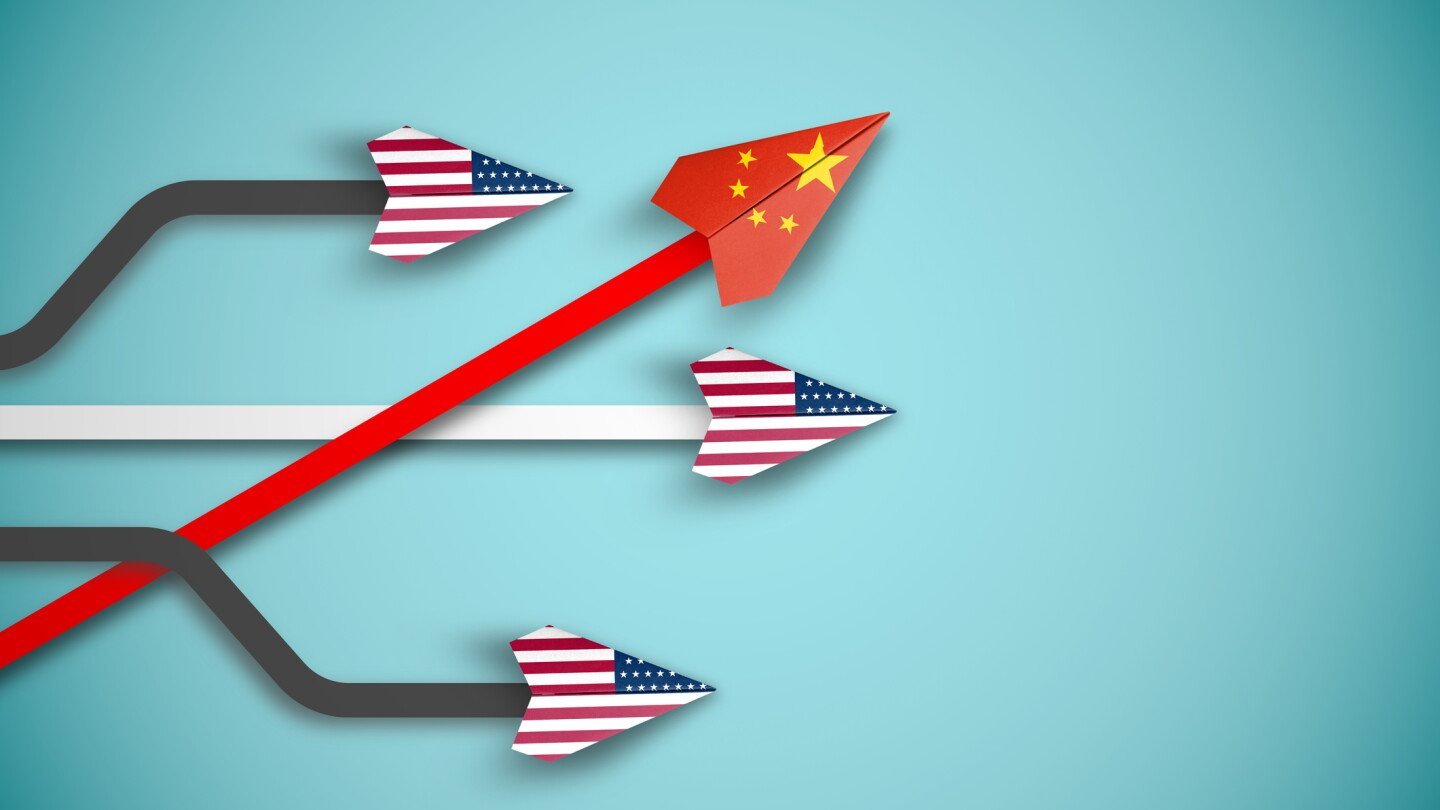
    Such licensing deals may be a boon to companies like Solstice Oncology, but the rise of Chinese biotech has prompted considerable handwringing about U.S. competitiveness.

    “We have to start thinking about what it means if we so erode our innovation base here in the U.S. that we are dependent on a potential adversary for life-sustaining medications,” Caitlin Frazer, executive director of the National Security Commission on Emerging Biotechnology (NSCEB), told BioSpace last month.

    How China gained momentum

    The Chinese government’s prioritization of biotech traces back to a 2006 mention of related terms in a medium- and long-term planning document, said Alexander Brown, a senior analyst at the Mercator Institute for China Studies (MERICS). The sector has continued to crop up in government planning documents in the two decades since. While experts say it’s difficult to quantify how much the Chinese government puts into its domestic biotech sector, Brown and a MERICS co-author estimated the investment was at least 20 billion renminbi (about $3 billion) in 2023.

    One difficulty in quantifying the government’s support is that it goes beyond direct investment in startups, Cyriac Roeding, CEO of the cancer therapeutics firm Earli, said in an interview. “The Chinese government does a lot of things in many different ways, not just direct investments, but also purchases, like getting into the game as a customer, or cheaper supplies,” he explained.

    Levin said the Chinese government’s biotech strategy has taken decades to execute. First, it established the ability to manufacture medications. Next came domestic contract research organizations (CROs). “That gave them the ability to make a molecule and then to test it,” Levin said. “As they did that, they studied very carefully how we approved drugs. And so they established and continually refined their drug approval process in China.”

    In step three, China launched clinical trials “in a way that complemented their testing of drugs in the CRO-like environment,” Levin said. “They established a highway which was high speed for the development of so-called lookalikes or bio-betters,” medications based on the mechanism of action of existing drugs developed elsewhere. In step four, the government launched programs aimed at attracting researchers who’d gained valuable training and experience abroad to return and put their skills to work domestically. These programs cover a range of science and engineering fields in addition to biotech.

    Some commenters have used the specter of Chinese competition to argue for more streamlined regulation of clinical trials in the U.S. On the flip side of the same coin, two lawmakers called for increased FDA oversight of Chinese study sites and scrutiny of data collected there after several clinical trial deaths in the country. But none of the experts who spoke with BioSpace cited a superior regulatory process as a factor in the rise of the Chinese biotech industry.

    “Yes, [regarding the] FDA, there’s a lot of things that can be done better. No question,” Roeding said. But that’s not going to reorient the trajectories of the U.S. and Chinese biotech sectors. Rather, he argued, you have to follow the money.

    A funding double-bind

    Roeding pointed out that the billions poured into licensing deals with Chinese companies represent money not going to innovative early-stage research happening stateside. That compounds what he sees as the major factor holding U.S. biotech back as China rises: a lack of consistent funding.

    While he conceded that boom and bust cycles have always characterized private investment in U.S. biotech, he said funding for early-stage, innovative research is far worse than in the past because of a prolonged post-COVID bust and because AI ventures are now attracting the vast majority of venture capital investment, leaving little leftover for biotech. And while currently the “XBI looks great,” Roeding said, most investment that does reach biotech goes to clinical-stage companies rather than earlier-stage work.

    “This industry is deeply suffering from the lack of consistency. That’s our biggest problem,” Roeding said. “Consistent funding for innovation that has long cycles of time, much longer than others, is critical.”

    To accomplish that, he argues for the creation of a publicly funded sovereign wealth fund. Its investments should be concentrated in bust cycles and in bridging the “valley of death” between early, NIH-funded research and clinical validation, he said. “And now you can start flattening the [boom-and-bust investment] curve and you can be internationally competitive.”

    Moreover, Roeding added, “the beautiful thing about it is if it’s done right. . . . It’s actually going to pay itself back and more. Society is going to make money off this.”

    Levin has a different take. A lack of appreciation for biotech and a failure to differentiate it from pharma mean that the former sector suffers from price-control policies such as the IRA and Most Favored Nation, as well as a health insurance industry that often pushes the cost of drugs onto patients, he said.

    Then to add insult to injury, Levin continued, the FDA substantially reduced its workforce last year, laying off about 20% of employees. That loss of institutional knowledge caused what he called “structural damage” that risks widening an already established competitive gap as China moves rapidly in biotechnology.

    That said, Chinese biotech faces barriers of its own, Levin noted, especially in their capability to scale, to fully develop drugs on their own and to reach overseas markets. “And that’s why we’re seeing a huge takeoff, also, of out-licensing deals in recent years,” Levin told BioSpace.

    “So it’s not all rosy for the Chinese biotech sector,” he continued, “but certainly this long-term government backing and just the fact that they’re able to do research and do certain processes in China at a higher scale, at a cheaper cost, at a faster speed than in other countries is really a core reason why they’re rising so quickly.”

    The new five-year plan, he said, demonstrates that “China has moved well beyond trying to become faster and better at drug development. It now wants to discover important new medicines in China, develop them there and build companies that sell them around the world. That represents a fundamental change in China’s ambition for its pharmaceutical industry.” Even if it falls short of its “extraordinarily ambitious” 25% first-in-class target by 2030, “What matters is what China will have built along the way.”

    “When China decides to make something a priority, it follows through with strategy, planning and investment,” Roeding said.

    A geopolitical lever?

    Levin postulated that the Chinese government plan for the rise of biotech culminates with a fifth step in which a Chinese company develops a groundbreaking medication—he gives the example of a cure for Alzheimer’s—but withholds it from the U.S. if relations between the two countries are tense at the time. In other words, China could use life-sustaining medicines as a bargaining chip, just as it has with magnets, solar technology and rare earth metals.

    Roeding warned that Chinese dominance could become an issue even when there is no competitive intent involved, namely if supplying a drug domestically needs to be prioritized. He pointed to the COVID pandemic, when each country prioritized its own supply of vaccines. Becoming dependent on a drug sourced from China would make the U.S. vulnerable to supply chain issues.

    Brown agreed it’s a possibility the Chinese government could use a crucial drug as a strategic lever. In his view, that’s more likely to work after a Chinese drug is already established in the U.S. or another market, rather than with a newly launched medication. But he said there are ways to mitigate that risk, such as stockpiling drugs and encouraging Chinese companies to set up manufacturing facilities within the country where their drugs will be sold.

    Brown noted it’s still the case that companies in the U.S. and other Western countries have a “huge advantage” over their Chinese counterparts: the market size of their home countries. And accessing U.S. and European markets has been key to some of the Chinese industry’s biggest success stories.

    “That places a question mark on [Chinese companies’] development going forward: whether or not access to those markets will remain open, or whether or not China itself will take measures to expand its own market,” Brown said.

    “[T]he wrong American response is to try to hold China back,” Levin said. “We need to look at what we are doing at home.”

  • FDA raises bar for foreign site inspections as China trials surge

    FDA raises bar for foreign site inspections as China trials surge

    In the wake of three deaths reported in separate gene therapy trials conducted in China, U.S. lawmakers called on the FDA to reject clinical data from China unless the trial site has recently undergone an FDA audit. On Wednesday, four agency officials published an op-ed outlining steps the FDA plans to take toward strengthening oversight of foreign trial sites.

    The number of clinical trials being conducted in China has risen dramatically over the last 15-plus years. In 2010, fewer than 8% of global clinical trials were run in China, according to an April report from the National Bureau of Economic Research. By 2020, the Asian country had overtaken the U.S. in annual registered trials.

    “Accepting Chinese clinical data poses real risks for patients,” Reps. John Moolenaar (R-MI) and Ben Cline (R-VA) wrote in a letter to Acting FDA Commissioner Kyle Diamantas last month.

    The FDA will add resources to expand oversight at foreign clinical trial sites, aim to improve communication with drug sponsors and strengthen internal reviewer training to help identify clinical trial sites of possible concern, according to the agency’s editorial, which was published in FDA Voices on Wednesday afternoon. Notably, the article does not refer to any specific geographical region.

    “This is not protectionism, and it is not a geopolitical statement about any particular country’s scientific capacity,” the authors wrote. “Many foreign research institutions produce clinical data of the highest quality, and the FDA actively welcomes and relies on such data.”

    The piece was penned by Michael Davis, acting director of the Center for Drug Evaluation and Research (CDER); Karim Mikhail, acting director of the Center for Biologics Evaluation and Research (CBER); Michelle Tarver, director of the Center for Devices and Radiological Health; and R. Angelo de Claro, director of the Oncology Center of Excellence.

    Three fatalities occurring recently in Chinese clinical trials have spurred two members of U.S. Congress to urge the FDA to enact new policies designed to protect American patients.

    August 21, 2026

     · 

    4 min read

     · 

    Nevertheless, the op-ed comes at a time when the FDA is working to reshore early-stage clinical research. A first step to doing this, a senior FDA representative told BioSpace in a pre-publication interview, is to “modernize and improve the U.S. system”—something the Department of Health and Human Services (HHS) has begun to tackle with the rollout of Operation TrialBlazer. Announced in June, the initiative seeks to reduce the time from drug identification to Phase 1 trials and expedite early clinical development timelines by as much as a year.

    Another important step, the FDA representative continued, “is how do we make sure we have a level playing field, so there’s not sort of perception or reality that by moving outside the U.S., you are able to potentially cut corners.” That’s the focus of Wednesday’s editorial, they said, which is the first public step forward to bringing clinical sites in other countries in line with the FDA’s standard in terms of good clinical practice regulations or human subjects protections.

    A particular area of concern for the FDA is early feasibility and Phase 1 studies conducted at sites “in countries or regions where geopolitical conditions make informed consent difficult to ensure, or where documented human rights concerns create a heightened risk that consent was not freely and voluntarily given,” the authors wrote.

    The senior agency representative pointed to a situation where American biospecimens are sent to China: “Are people informed about that?”

    The authors also touched on a key theme of the Department of Health and Human Services (HHS) under Secretary Robert F. Kennedy Jr.: transparency. When the FDA identifies concerns related to human subject protection or data integrity in sites outside the U.S., the agency “will make more information from inspections publicly available, as appropriate, so that sponsors, patients, and the public can understand where deficiencies have been identified and take that into account in development plans,” according to the editorial.

    Having started to publish CRLs without consulting the public, the FDA is under pressure to change course amid concerns it failed to openly and fully evaluate a complex issue.

    July 20, 2026

     · 

    5 min read

     · 

    The FDA will also strive for active engagement with sponsors at the pre-submission stage, the authors wrote, including discussing the provenance and investigational new drug (IND) or investigational device exemption (IDE) status of foreign clinical data with sponsors early in development. This “will better position both parties to identify and address data integrity, human subject protection, and related issues prior to application review,” according to the editorial.

    The agency is devoting additional resources to help solve these challenges. “We’ve definitely increased the number of BIMO [Bioresearch Monitoring] inspectors both at our China office and . . . throughout some other global offices,” the senior representative said, adding that the FDA is also looking into other tools to expand oversight, including remote assessments and information collection requests.

    In parallel to efforts to tighten and reshore clinical research, the Trump administration has been laser-focused on bringing manufacturing back to the U.S. In an executive order in May, President Donald Trump ordered the FDA to cut down the time it takes to approve pharmaceutical manufacturing plants in the U.S., and set the groundwork for the agency to implement surprise inspections on foreign plants, instead of planned visits as is the current process.

    Increasing foreign plant inspections has “definitely been an increased area of priority,” the FDA representative said on Wednesday.

    The editorial’s tone appeared to be directed at putting drug developers on notice.

    “Sponsors should treat the inability to inspect or access all relevant data as a material factor in their regulatory strategy, not an administrative footnote,” the FDA officials wrote.

    The authors concluded their editorial with the following message to drug sponsors: “If you are building a regulatory strategy around clinical data from sites where the FDA has been unable to inspect, or from circumstances where the conditions for ethical research are in serious question, think again.”

    The U.S. is scrambling to compete with a strategically positioned China on the biotech stage as the Asian country surpasses America in biomedical research and clinical trials. So far, China is winning.

    August 31, 2026

     · 

    10 min read

     · 

  • Tavneos no longer available for new patients in UK as Amgen awaits FDA hearing

    Tavneos no longer available for new patients in UK as Amgen awaits FDA hearing

    The U.K. has stopped allowing the use of rare autoimmune disease therapy Tavneos in new patients, becoming the latest major health regulator to act on concerns about the drug’s benefit-risk profile.

    Tavneos is sold as Avacopan Vifor in the U.K. and is marketed there by CSL Vifor. The drug was originally developed by ChemoCentryx and won FDA approval in 2021 for ANCA-associated vasculitis, a systemic disease that can lead to organ damage and failure. Amgen acquired ChemoCentryx for $3.7 billion in 2022, and the pharma remains Tavneos’ owner in the U.S.

    In a media release on Tuesday, the U.K.’s Medicines and Healthcare products Regulatory Agency (MHRA) said that the decision to suspend Avacopan Vifor was driven by an assessment of all available evidence for the drug, as well as concerns raised by patients and healthcare professionals regarding “the integrity and reliability of data from the pivotal clinical study underpinning the medicine’s authorization.”

    Amgen expressed disappointment with the MHRA’s decision. “We disagree with the MHRA’s decision to withdraw Tavneos from the U.K. market and are deeply concerned about the impact this decision may have on rare disease patients,” a company spokesperson told BioSpace in an email.

    “We are disappointed that the MHRA’s interpretation of the data fails to appropriately recognize the totality of evidence supporting the effectiveness and favorable benefit-risk profile of Tavneos,” the spokesperson added, pointing to real-world studies and secondary-endpoint data.

    While supply and sale to new patients is no longer allowed, CSL Vifor can still provide the drug to those who are already on Avacopan Vifor as these patients are “safely transitioned” to alternative products. The MHRA has allowed a six-month “managed withdrawal period” after which it will completely revoke the drug’s marketing authorization in the U.K.

    Regulators on both sides of the Atlantic are pushing for the withdrawal of the rare disease treatment that accounted for just 1% of Amgen’s 2025 revenue. Nevertheless, Amgen continues to defend the medicine, which was acquired in the $3.7 billion buyout of ChemoCentryx.

    July 10, 2026

     · 

    4 min read

     · 

    The deadline for that withdrawal is currently set for March 1, 2027.

    Tavneos’ troubles started in January this year, when the FDA first asked Amgen to voluntarily take the drug off the market, pointing to uncertainties with how ChemoCentryx re-adjudicated the pivotal data that led to Tavneos’ approval. Amgen refused.

    The standoff has continued between the pharma and the regulator, and in recent months escalated to involve other territories and parties. Last month, the European Medicines Agency, the main health regulatory body for the European Union, pulled marketing authorization for Tavneos, likewise pointing to “serious breaches” in how the pivotal trial had been conducted. Japan earlier this year also instructed Kissei Pharmaceutical, which markets Tavneos in the country, to add new warnings to the drug alerting prescribers of risks such as liver complications and death.

    In June, The New England Journal of Medicine retracted a paper for that same study at the request of two authors. “Without the knowledge of these two authors, the primary end-point assessments in nine patients were readjudicated after database lock and trial unblinding,” the journal wrote at the time.

    Amgen has requested a hearing with the FDA over the Tavneos row. The pharma is building its defense of the drug with an independent analysis of pivotal data, supplemented by patient testimonials.

  • 9 midsize drugmakers climb aboard Trump’s MFN train

    9 midsize drugmakers climb aboard Trump’s MFN train

    Nine midsize biopharma companies have agreed to voluntarily participate in the Trump administration’s drug affordability push, pledging to bring down the prices of their products to the same level as in similarly developed countries.

    These new participants are Alcon, Astellas Pharma, BeOne Medicines, BridgeBio, CSL, Kyowa Kirin, Sun Pharma, Teva Pharmaceuticals and UCB, according to a White House release on Monday. They join the 17 Big Pharmas that had previously signed on to President Donald Trump’s Most Favored Nation (MFN) drug pricing program, for a total of 26 companies representing some 89% of the branded drug market, the White House said.

    Monday’s agreements will lower prices for medicines for chronic and rare diseases such as hemophilia, Parkinson’s, glaucoma and several forms of cancer, among other conditions.

    Aside from cutting drug costs, those nine companies have collectively committed at least $19.6 billion in near-term manufacturing investments in the U.S., the White House said. UCB, Sun Pharma, Astellas and Teva have additionally promised to contribute to the Strategic Active Pharmaceutical Ingredients Reserve, a government stockpile to protect the domestic supply of essential medicines.

    “We see a net benefit for [companies],” Truist Securities wrote in an investor note on Monday, explaining that joining President Donald Trump’s pricing programs could provide “relief from tariffs” and “exemption from liability under the mandatory GLOBE and GUARD MFN demonstrations in Medicare.”

    GLOBE and GUARD are mandatory models requiring rebates from manufacturers for certain medicines under Medicare Part B and Part D, respectively, if the prices for these drugs go above those in economically comparable countries, according to the U.S. Centers for Medicare and Medicaid Services (CMS). GLOBE is slated to start Oct. 1, while GUARD launches Jan. 1, 2027.

    Separately from these nine companies, Incyte on Monday also announced that it has entered into an agreement with CMS to improve access to the company’s Jakafi and Jakafi XR. In particular, the company has agreed to provide these products at prices “aligned” with costs in similar industrialized countries.

    In exchange, Incyte similarly expects that it will be exempt from certain pricing mandates in the future, as per an SEC filing.

    Truist doesn’t expect these pricing agreements to heavily impact the drug manufacturers that chose to participate. “For the sector, we continue to believe MFN has migrated from existential threat to a negotiated and manageable ‘cost of doing business,” the firm said. “We continue to anticipate business as usual.”

    Indeed, many of the industry’s largest companies reached similar drug pricing agreements with the government months ago and have not reported significant impacts of MFN to their businesses. These include Eli Lilly, Novo Nordisk, Amgen, Sanofi, Novartis and Bristol Myers Squibb, among others.

    Of note, Jefferies on Tuesday morning noted that Takeda, arguably the largest Japanese drugmaker, has yet to reach a drug pricing deal with the Trump administration, though negotiations are reportedly underway.

    Only a handful of the top pharmas have signed Most Favored Nation drug pricing deals with the White House, while smaller biotechs continue to hang in limbo.

    January 6, 2026

     · 

    5 min read

     · 

  • China poses increasing security risk as US biotech innovation edge erodes

    China poses increasing security risk as US biotech innovation edge erodes

    When China surpassed the U.S. six years ago in terms of the number of clinical trials and in natural science publications soon thereafter, the surges were shots across the bow for the American research-industrial complex, according to some observers. Since then, the U.S. has also fallen behind the Asian nation in R&D funding and translational science—potentially putting the country at risk in the event of a geopolitical crisis.

    “China’s approach has been to steal, scale and strangle American competitors in this space,” Caitlin Frazer, executive director of the National Security Commission on Emerging Biotechnology (NSCEB), told BioSpace. “We have to start thinking about what it means if we so erode our innovation base here in the U.S. that we are dependent on a potential adversary for life-sustaining medications.”

    The NSCEB is a short-term task force that was created by Congress in 2022 to review where national security could be threatened by China’s newfound dominance and recommend potential remedies that could put the U.S. back on top.

    The battle between the U.S. and China for global superpower supremacy has spilled over in recent years to the biotech industry. Chief among those concerns is genetic data transfer, or the possibility that Americans’ genetic information and clinical data could be accessible by the Chinese government, according to a recent publication in The Economy. Further, running early clinical trials in China means a hit to the U.S. economy, and the potential for Chinese patients to secure access to novel medicines before Americans.

    “The U.S. has long been the leader in biotechnology innovation in many ways,” Frazer said. “Modern biotechnology is an American invention, and many of the platforms and tools that biotechnologists across the world rely on were innovated in labs here.”

    But China has taken advantage of a U.S. system that has increasingly become less likely to reward biotech innovators, Frazer warned, and “we have struggled to scale and commercialize those innovations coming out of American labs.

    “The result of that,” she continued, “is that China principally, but other countries more broadly, have built the manufacturing capacity to scale the inventions created there.”

    And now, she added, China is also threatening to overtake the U.S. in basic science research, where canceled grants and budget cuts have crippled dozens of programs. “What’s changing now is that in addition to being out-manufactured, we are at risk of being out-innovated,” Frazer said.

    China’s ascendance in early-stage biotech is “a call to action” for the U.S. to retain its position as a global leader, Seema Kumar, CEO of healthcare innovation coalition Cure, told BioSpace.

    “It’s not just academia, and it’s not just biotech—everybody has skin in the game,” she said.

    Frazer pointed to other tech sectors in which the Chinese government wields supply chain power, such as critical minerals, that help foster geopolitical leverage for the Asian nation.

    When it comes to life sciences, Frazer described the risk bluntly: “The actual discovery of a blockbuster cancer drug, a no-kidding cure for cancer, to be innovated and manufactured in China and therefore to be under the control of the [Chinese Communist Party].”

    NSCEB’s findings

    China has taken advantage of U.S. stagnation in fundamental science research to build a thriving biotech infrastructure that makes it difficult for the U.S. to compete, Frazer said. She specifically pointed to “a 20-year strategy by the Chinese government to dominate in biotechnology,” using regulatory reforms to streamline and bring its system in alignment with international standards. The NSCEB report calls China’s approach “economic warfare.”

    To respond and foster a thriving U.S. biotech environment, NSCEB in its April 2025 report recommended streamlining regulation to more quickly move products from lab to market; treating biological data as a strategic national resource; and building physical manufacturing infrastructure for fledgling companies to cross the so-called valley of death of drug development. On the funding side, the commission advised empowering the government to invest in the private sector through taxpayer-backed, VC-like entities alongside market commitment agreements that would make the government a first consumer of biotech products.

    It’s a “run-faster agenda,” Frazer said, designed to reestablish U.S. leadership in the space through regulation, data, infrastructure and investment.

    The NSCEB is also exploring ways in which the U.S. can actively push back against China’s advantage, Frazer said. The commission, which will wrap up operations by the end of the year, is currently conducting an investigation into Chinese subsidization and pricing practices that undercut American competitors.

    The group is also seeking out points of failure in the supply chain that make U.S. companies reliant on a Chinese supplier or service provider without an alternative. One piece of legislation already in place to combat such reliance is the BIOSECURE Act, signed into law in December 2025. Though the final bill did not name specific firms as previous iterations had, it did blacklist “companies of concern” in China that lawmakers deemed to pose national security risks.

    In terms of the U.S. regulatory environment, Frazer said the FDA needs to move more efficiently through risk assessment of products where the science is familiar and devote more agency time and resources to creating clear, durable pathways for the regulation of novel products where the science is not yet as well understood, such as rare diseases with smaller patient populations.

    This comes down to predictability and transparency, she said, with an emphasis on the FDA sticking to timelines and communicating questions and concerns with drug sponsors in a timely manner. She pointed to Phase 1 trial initiation as a particular sticking point for the FDA, resulting in a competitive edge for countries like China and Australia, and the agency is now taking steps to address this concern. This summer, the FDA launched a handful of initiatives under the Department of Health and Human Services’ broader Operation Trialblazer Initiative aimed at streamlining investigational new drug applications and first-in-human trials.

    The FDA’s new investigational new drug pilot program—one part of HHS’s broader clinical trial modernization initiatives—has lofty goals to expedite first-in-human trials of novel drugs, but experts say it won’t tip the scales much on its own.

    August 3, 2026

     · 

    9 min read

     · 

    On a grander scale, though, Frazer emphasized the need for a master plan—something she said has so far been missing. “There has not been a durable national strategy that persists from administration to administration” to support the U.S. biotech industry and protect it from dependence on China.

    China, on the other hand, “runs the country as a company,” said Insilico Medicine CEO Alex Zhavoronkov. He describes five-year plans that detail “which areas are going to get funding and with which performance indicators.” In the U.S., meanwhile, diversifying priorities are diluting the country’s biotechnology dominance, he said.

    Also part of the challenge is that the biotech industry’s long timelines don’t jibe well with the U.S. political system, Frazer noted. “It can take 10 years to bring a product to market, and that’s five election cycles in the House of Representatives, or two and a half presidencies.”

    Since the NSCEB report came out last year, however, 36 of the commission’s numerous recommendations have seen bipartisan legislative action, according to Frazer. Some of this action has come through Congress, she added, while nine of the commission’s recommendations have been included in White House executive orders.

    “Congress is now seizing the opportunity to legislate on these issues in a bipartisan way, which is something we have historically not seen here in the U.S.,” Frazer said.

    But the U.S. still lacks that critical national biotech strategy to combat China’s rise, she added—and corralling the industry to join in that effort could be another challenge altogether.

    An industry torn

    Most life science professionals project that China will continue to outpace the U.S. In a recent survey conducted by Cure, 72% of senior U.S. industry and academic leaders said China’s biomedical sector is improving at a faster pace than that of the U.S., and 85% said the U.S. will lose its lead within 10 years.

    Biotech leaders have expressed to the NSCEB that the ability to run a clinical trial more quickly and cheaply in China, resulting in quicker access to first-in-human data, is attractive, according to Frazer. While the same leaders are also concerned about the erosion of U.S. clinical trials and what that means for long-term competitiveness, China is increasingly viewed as a place to innovate, not just to manufacture, she said.

    It’s something the Chinese system has been hammering away at for decades, BDO Life Sciences National Leader Brad Stewart told BioSpace.

    “In China, they work very quickly with access to capital and lower costs, and what they’re paying for workers, for land, for power, for everything, is lower—plus they’ve got great access to talent,” Stewart said. In contrast, the regulatory system in the U.S. is “very slow-moving,” he said, “so you can see why companies are able to get into clinical work quickly and just move at a faster pace in China, and time is money.”

    While Operation Trialblazer aims to expedite early-stage trials, the regulatory bodies involved in clinical research are just one pinch point. The medical sites that administer trials are also a part of the bureaucracy.

    The U.S. remains the largest healthcare market in the entire world “without question,” Stewart said, but that long history of legacy systems and bureaucracy has made it a relatively slow-moving machine. “The Chinese system seems more built for purpose as opposed to one built on many decades of regulation.”

    The biopharma industry therefore often sees China as an arena worth exploring. Several deals have been struck between U.S. and Chinese drugmakers since the beginning of 2025, including recent ones between Pfizer and China’s Innovent Biologics, and Bristol Myers Squibb and Hengrui Pharmaceuticals, each with more than $10 billion on the line.

    From a global perspective, China’s rise is “great for biotech,” said Alex Zhavoronkov, CEO of Insilico Medicine, whose AI-based drug discovery company has conducted extensive business in the country.

    Zhavoronkov looks to companies like SpaceX and Tesla as exemplars for the global biotech sector making inroads in China. “We are not a China-based company, but we want to fiercely compete there and also use China as a platform—Elon [Musk] provided us with a great playbook for doing that,” Zhavoronkov told BioSpace.

    This month, Insilico re-upped with China Medical System Holdings to develop neuroscience and autoimmune candidates. Insilico listed on the Hong Kong stock exchange late last year.

    I think it’s immoral to restrict collaboration in biotech. If the U.S. wants to compete, the best way to do that is to deregulate.

    Alex Zhavoronkov, CEO of Insilico

    Zhavoronkov thus vehemently disagrees with efforts to restrict U.S. companies from working with Chinese firms. “The objective of the biotechnology industry is to make drugs cheaper, faster, better and with a high probability of success to serve patients,” he said. “I think it’s immoral to restrict collaboration in biotech. If the U.S. wants to compete, the best way to do that is to deregulate.”

    Norstella, a company that builds AI to facilitate clinical trial planning, similarly sees China’s biotech rise as an opportunity and advises clients to go wherever they can to build a program that will move as quickly as possible.

    “We’re agnostic in terms of whether that’s in the U.S. or China, and certainly if you’re looking at where Phase 1 clinical trials have been able to start up and enroll and give preliminary data quickly, that’s in China,” said Daniel Chancellor, Norstella’s VP of Thought Leadership. “China is now running three times as many Phase 1 clinical trials as the U.S., and that’s with good reason.”

    Daniel Hanley, founder and director of the BIOS Clinical Trial Coordinating Center at the Johns Hopkins School of Medicine, pointed out the security risk for the U.S. in this scenario, however. “We should be worried that a parallel system may exist that could be co-opted in a time of stressed competition,” he said.

    Frazer was more stern in her warning. “With the trajectory that we are on, we believe the U.S. is at risk of falling behind in the next couple of years, and we may never recover from that.”

  • Kennedy questions vaccination guidelines following Trump’s order to break up MMR

    Kennedy questions vaccination guidelines following Trump’s order to break up MMR

    Health Secretary Robert F. Kennedy Jr. is once again taking aim at routine immunization in the U.S., challenging the current scheme the government uses to classify its vaccine recommendations.

    Under CDC guidelines, the decision to use vaccines aligns with one of three categories, according to a Request for Information (RFI) document posted Friday on the Federal Register. Shots that are meant for universal use in a certain age group—barring contraindications—fall under routine recommendations, while others are given based on level of risk depending on medical, behavioral, occupational or other factors.

    A third group of vaccines require shared clinical decision-making (SCDM), according to Kennedy’s RFI, in which doctors confer with the patients themselves or with their parents or guardians. The health secretary takes issue with this category specifically, noting that it could suggest that the other categories don’t involve input from the parents and their families.

    “Do the current categories unintentionally imply that parental permission, individual consent, or meaningful clinical discussion applies only to shared clinical decision-making recommendations?” he asked in the RFI.

    Friday’s RFI is intended to support President Donald Trump’s Aug. 10 executive order directing Kennedy and the health department to break up the standard measles, mumps and rubella vaccine into three separate shots given across separate medical visits. Healthcare providers have pushed back on Trump’s order, and pharma companies have said that it would take years to implement this change.

    Following restricted vaccine approvals and changes to CDC immunization schedules, Merck, Pfizer, GSK and Sanofi are all suffering revenue hits to their vaccine programs.

    November 7, 2025

     · 

    4 min read

     · 

    Kennedy is now asking for feedback from stakeholders—clinicians, researchers, vaccine manufacturers and even patients, parents and faith communities—on the current classifications for vaccine recommendations, and whether new categories are needed.

    Some new or modified categories include “recommended, but not during infancy,” and “shared clinical decision-making with qualification,” Kennedy offered.

    Aside from taking a second look at the vaccination categories, the RFI also sought input on what types of evidence the health department should take into consideration when setting immunization guidelines, particularly when randomized controlled study data are lacking.

    “The durability of any vaccine recommendation framework depends on the public’s trust in the process that produces it,” Kennedy wrote, contending that following the COVID-19 pandemic, with its broad vaccination mandates, “public trust in Federal public health agencies declined measurably.” The HHS leader is additionally soliciting comments for communication practices that the department can put in place alongside its vaccine recommendations.

    Vaccine skepticism is at an all-time high in the U.S., and HHS Secretary Robert F. Kennedy Jr. is making some drastic moves in the name of reversing that trend. But misinformation and inconsistencies within the country’s healthcare agencies highlight problems with his approach.

    June 6, 2025

     · 

    8 min read

     · 

  • Lawmakers urge FDA to enact new China policies after 3 gene therapy trial deaths

    Lawmakers urge FDA to enact new China policies after 3 gene therapy trial deaths

    After three patient deaths were reported in separate gene therapy clinical trials conducted in China, two members of the House of Representatives are asking the FDA to implement specific measures to lower patient risk in the U.S.

    Reps. John Moolenaar (R-MI) and Ben Cline (R-VA) have reportedly penned a letter to Acting FDA Commissioner Kyle Diamantas, writing that “accepting Chinese clinical data poses real risks for patients,” according to Endpoints News.

    The two lawmakers are asking the agency to reject clinical data from China unless the trial site has recently undergone an FDA audit, and to also conduct a wide-ranging review of products that have received U.S. approval based on clinical results from China, according to the letter obtained by Endpoints.

    “In short, the offshoring of early-stage clinical trials to China risks rewarding a system that has shown it is willing to treat children’s deaths as an acceptable cost of faster, cheaper research,” the lawmakers wrote.

    As of publication, the House Select Committee on China—which Moolenaar chairs—and the BIOtech Caucus—of which Cline is a member—have not responded to BioSpace’s request for comment. The FDA also did not respond.

    At least three patient deaths occurring in trials conducted in China have been reported over the last few months. One was the death of a young boy enrolled in a gene therapy study, biotech HuidaGene said in an Aug. 5 statement that followed a STAT investigation.

    The boy had Duchenne muscular dystrophy (DMD) and died a year earlier, in August 2025, after receiving HuidaGene’s investigational CRISPR-based therapy, HG302. The child “developed acute respiratory distress syndrome in the setting of severe complement and cytokine activation following high-dose systemic administration of an adeno-associated virus vector,” according to HuidaGene.

    Full findings on the death were submitted for peer review in January and will be shared upon publication, per the release. The biotech has not responded to BioSpace’s request for comment.

    When signing a biotech licensing deal in China, experts say that pharma’s patent attorneys need to understand the geopolitical risk of the BIOSECURE Act.

    July 28, 2026

     · 

    7 min read

     · 

    On Aug. 9, China-based RiboX Therapeutics reported a death in a patient with systemic sclerosis who had received the biotech’s experimental in vivo CAR T cell therapy—a gene therapy designed to generate CAR T cells within the body. The patient had “significant pre-existing medical conditions,” RiboX said.

    “Any causal determination between a single-participant event and an investigational agent must be made by the principal investigator through independent clinical and ethics review, and formally communicated by the sponsoring institution,” RiboX told BioSpace in an Aug. 24 email. “As a research collaborator, RiboX does not make such a determination unilaterally, and does not confirm or comment on related characterizations in recent coverage.”

    “On recent reporting regarding regulatory policy discussions across jurisdictions, we respect the independence of each regulatory system and are not in a position to comment on any specific legislative process or policy discussion,” the company added.

    Finally, in May 2025, a six-year-old girl diagnosed with an extremely rare genetic neurodevelopmental disorder received the world’s first gene-editing therapy directed at the brain. The child had Snijders Blok-Campeau syndrome, which is caused by mutations in the CHD3 gene and is characterized by developmental delays, speech impairment and low muscle tone.

    Seven days later, she died from a severe immune reaction tied to the therapy, Science reported last month.

    The investigational therapy was administered at Xinhua Hospital, which is affiliated with the Shanghai Jiao Tong University School of Medicine. After the Science report, the university launched an internal investigation into the trial—an effort led by neuroscientist Zilong Qiu.

    The death reports have ratcheted up U.S. scrutiny on China’s biotech scene across several facets, including national security and innovation concerns.

    The FDA’s new investigational new drug pilot program—one part of HHS’s broader clinical trial modernization initiatives—has lofty goals to expedite first-in-human trials of novel drugs, but experts say it won’t tip the scales much on its own.

    August 3, 2026

     · 

    9 min read

     · 

    The Department of Health and Human Services recently rolled out a new clinical trial modernization initiative designed to speed up early trials in hopes of bringing them back to the U.S. However, experts say the effort by itself won’t do much to tip the scales.

    “FDA is not the primary source of most delays in early phase clinical trials,” Harpreet Singh, a former division director of oncology at FDA, told BioSpace earlier this month. Major delays instead occur mainly at the site level.

    For example, early-phase trials conducted in Spain, Australia or China are “going to come in more quickly, more cost effective and with less administrative burden,” when compared to U.S. trials, Singh said.

    In 2010, fewer than 8% of global clinical trials were run in China, according to an April report from the National Bureau of Economic Research. By 2020, the Asian country had overtaken the U.S. in annual registered trials. China’s National Medical Products Administration also outpaced the FDA in terms of cancer approvals, greenlighting 94 oncology drugs between 2020 and 2025 compared to the 87 that entered the U.S. market in the same timeframe, per Health Affairs Scholar.

    “I still am not fully clear on how HHS will address the major issues,” Singh said.

    Editor’s note (Aug. 24): This article was updated to include comment from RiboX.

  • Trump’s FDA pick Overton good for psychedelics, new pain meds but bad for vaccines: Analysts

    Trump’s FDA pick Overton good for psychedelics, new pain meds but bad for vaccines: Analysts

    It’s official. President Donald Trump will nominate Heidi Overton as the next FDA commissioner. Trump announced the news himself on his Truth Social platform early Wednesday afternoon.

    In the post, which refers to Overton as “Dr. Heidi,” Trump called the current White House policy advisor a smart and respected “ROCKSTAR” who would “rapidly” deliver on his priorities of faster cures, innovation, lower drug prices and more wins for Health Secretary Robert F. Kennedy Jr.’s Make America Healthy Again (MAHA) movement. “We need her leadership at the FDA now to ensure that the U.S. remains the WORLD LEADER for Scientific Discovery and CURES,” Trump continued in the post.

    Analysts reacting to reports of Overton’s nomination on Wednesday appear to agree that the Trump administration isn’t looking to rock an already unsteady boat. The general physician, if approved by the Senate, could provide strong support for the administration’s psychedelics and non-opioid pain medicine initiatives—while possibly kowtowing to would-be boss Robert F. Kennedy Jr. on vaccines.

    Overton, who currently serves as the deputy assistant to the president for domestic policy, was reportedly involved in the drafting of an executive order (EO) to accelerate the development of and facilitate broader access to psychedelic therapies.

    “Her visible role in the April 2026 executive order prioritizing FDA review of ibogaine and MDMA-based therapies, highlights the administration’s approach to use of psychedelics as medicine,” BMO Capital Markets wrote in a note to investors on Wednesday.

    Truist Securities in a Tuesday evening note also pointed to Overton’s role in the EO. “She has drawn MAHA attention for the inter-agency process she ran on the psychedelics/ibogaine EO,” the analysts wrote.

    The agency’s finalized recommendations for clinical testing of psychedelic compounds for mental health could pave the way for companies like Compass Pathways, whose psilocybin-based therapy for treatment-resistant depression could win approval as early as this year.

    July 14, 2026

     · 

    3 min read

     · 

    Overton is also likely to support continued progress in the non-opioid pain arena. Since the January 2025 approval of Vertex Pharmaceuticals’ Journavx as the first new mechanism for acute pain in two decades, drug development in the space has taken off. Most recently, AbbVie ventured into the field with an up to $715 million deal with China’s Haisco Pharmaceutical Group in April. Overton’s nomination could be a boon for Vertex, AbbVie and several other companies committed to offering alternatives to the controversial pain drugs at the root of the opioid epidemic.

    “Journavx momentum should continue under Overton,” BMO wrote on Wednesday, additionally noting that “her 2017-2018 opioid prescribing work” with former FDA Commissioner Marty Makary “lines up with the non-opioid pain agenda behind Vertex’s Journavx approval.” Overton and Makary penned a peer-reviewed paper titled “Overprescribing is major contributor to opioid crisis,” in October 2017.

    Overton’s support for non-opioid options should be “an incremental positive as VRTX pushes into broader indications,” BMO said.

    In one hot-button drug development space, however, analysts appear wary of Overton’s influence.

    “Vaccine makers shouldn’t expect a friendlier FDA, given Overton’s involvement in this year’s executive orders reshaping the childhood vaccine schedule,” BMO wrote, “keeping potential regulatory risk alive for Merck, Pfizer, and BioNTech.”

    Melanoma was slower to recur in patients receiving Merck and Moderna’s mRNA vaccine with Keytruda, supporting use of the combination in adjuvant treatment. The partners plan to take the data to the FDA.

    August 19, 2026

     · 

    3 min read

     · 

    Indeed, Overton was in attendance last week when Trump signed an executive order recommending that the measles, mumps and rubella (MMR) vaccine should be split into three separate shots. During the press conference announcing the EO, the president falsely suggested the number or timing of vaccines could play a role in rising rates of autism spectrum disorder, per the Associated Press.

    Regulatory expert Steven Grossman expressed reservations about Overton’s nomination. “I am concerned about: her lack of management experience, her apparent willingness to undercut vaccines, and—especially given her close White House ties—her understanding of science-based decisionmaking,” said Grossman, president of policy and regulatory consulting firm HPS Group, prior to Trump’s announcement.

    Truist was more positive. “Our sense is that Dr. Overton could drive healthy debate internally, though ultimately cede to the administration, which is what we & investors ultimately may want from the seat from our conversations,” the analysts wrote on Tuesday. “[She is] science-driven though diplomatic to the administration, which to us could strike the perfect balance.”

    Moreover, Truist added, “She also appears as the more conventional, pharma-friendly profile on evidence standards.”

    Despite his concerns, Grossman encouraged an open mind to Trump’s FDA pick. “Nonetheless, stakeholders should hear her out before locking in their position.”

    If confirmed, Overton would be the first woman since 2015—and just the third woman ever—to lead the FDA.

  • Psychedelics on the cusp of market breakthrough as clinical, policy support grow

    Psychedelics on the cusp of market breakthrough as clinical, policy support grow

    The psychedelics space is “at the cusp” of hitting it big, according to Graig Suvannavejh, as clinical evidence and policy support mount.

    The industry is waiting with “rational exuberance” for psychedelics to hit primetime, the Mizuho Securities managing director and senior biotech and biopharma analyst told BioSpace in an email interview.

    “With each year, excitement for the class only continues to grow,” Suvannavejh said. Despite outstanding concerns about safety and abuse risk, doctors and patients are eager for new psychiatric treatment options that are more effective and faster-acting than current drugs.

    Indeed, there has been an air of careful excitement across the industry for this drug class of late. A few weeks ago, Eli Lilly moved to acquire AtaiBeckley for up to $3.8 billion, setting its sights on a synthetic psychedelic for treatment-resistant depression (TRD). While some analysts saw the deal as a sign that the industry giants are finally buying into psychedelics, others aren’t so sure.

    Eli Lilly’s $3.8 billion play for AtaiBeckley has fueled speculation that Big Pharma is ready to embrace psychedelics. But while the acquisition does validate the drug class, analysts say it is unlikely to trigger a broad wave of Big Pharma deals.

    July 24, 2026

     · 

    3 min read

     · 

    “It’s very hard to say what, if any, the implications of the LLY deal are,” Paul Matteis, head of Therapeutics Research at Stifel, told BioSpace via email.

    The firm has observed “a lot of enthusiasm” across the industry for psychedelics, but also “some trepidation” over the ability to scale and deploy these drugs in clinical practice.

    Still, Matteis added, the AtaiBeckley acquisition at the very least shows “that the societal acceptance of psychedelics has come a very long way.”

    For Jama Pitman, strategic advisor at Rose Hill Life Sciences, this change is critical—and long overdue.

    “The drugs were there, the science was there, the medical need was there—we were just unable to move the field forward because of laws that prohibited it and the associated stigma,” she told BioSpace via email. “Where would we be today if we had been able to study this class of drugs over the last 40 years?”

    But better late than never, and now, Pitman said, “there is finally widespread agreement among policymakers, regulators, physicians and patients” that psychedelics, with proper and careful administration, “may be an effective tool in the treatment armamentarium” for psychiatric conditions.

    Medical need and market opportunity

    To date, doctors have turned to selective serotonin reuptake inhibitors (SSRIs), serotonin-norepinephrine reuptake inhibitors and antipsychotics, among others options to treat patients with psychiatric conditions.

    These drugs are “highly useful,” H.C. Wainwright & Co. Managing Director and Biotech Analyst Patrick Trucchio said. They offer patients effective means to control their conditions, “particularly earlier in the treatment pathway,” and they still have a place in overall mental health care, he told BioSpace in an email.

    But existing medicines also leave key gaps, through which millions of patients fall through. Some 4 million people in the U.S. have TRD, many of whom don’t reach remission even after moving from one treatment to another, Trucchio said.

    This is true, too, of other psychiatric conditions such as PTSD and anxiety.

    Current treatment options are typically slow to show any effects, need to be dosed over long periods of time and often “leave a substantial group of patients inadequately treated,” Trucchio explained.

    In recent months, companies like Compass Pathways and Definium Therapeutics have released clinical data that further cement psychedelics as an effective treatment option for those patients whose needs are not met by current agents—and they typically require only one or a few doses.

    Last month, two fixed doses of Compass’ psilocybin drug COMP360 significantly eased disease severity in a Phase 3 TRD study. In February, the same regimen showed impressive durability in a pair of Phase 3 trials in the same indication. Meanwhile, a single dose of Definium’s LSD-based treatment eased symptom burden in a late-stage trial of major depressive disorder [MDD] that read out in June.

    Psychedelics are gaining momentum in depression, with one treating physician predicting that the drug class could “wipe out the SSRIs” if safety and durability hold up.

    July 9, 2026

     · 

    5 min read

     · 

    The field has “crossed an important clinical threshold” with these findings, Trucchio said. Psychedelics can be “particularly compelling” for patients with TRD who no longer respond to typical therapies, he added, “but they are unlikely to replace simpler first-line therapies across the broader depression market.”

    That doesn’t mean, however, that the commercial opportunity for psychedelics is slim. While Stifel’s Matteis concedes that psychedelics are likely to be relegated as later line therapies, he argued that “even later line therapies in MDD/TRD can generate blockbuster revenues at branded pricing.”

    As proof, he pointed to Johnson & Johnson’s Spravato, an esketamine-based nasal spray that was approved in 2019 for TRD alongside oral antidepressants. Although the pharma has previously told BioSpace that it doesn’t consider Spravato a classic psychedelic, analysts often look to the drug as a barometer for the market. Spravato in January 2025 became the first monotherapy for the condition and surged 57% last year to make $1.7 billion. J&J saw continued growth of the drug’s sales into the second quarter of this year, with a 40% year-on-year increase to $584 million worldwide.

    Psychedelics, chiefly Compass Pathways’ COMP360, are unlikely to make an immediate dent in the sales of Johnson & Johnson’s depression drug Spravato, H.C. Wainwright’s Patrick Trucchio told BioSpace.

    July 16, 2026

     · 

    2 min read

     · 

    Policy support mounts

    Responding to the growing need for better psychiatric therapies, the U.S. government in recent months has enacted a slew of key policy changes designed to support companies working on psychedelics and minimize regulatory barriers to their approval and uptake.

    In April, President Donald Trump issued an executive order instructing the FDA to leverage its new priority review program to accelerate psychedelic development. Weeks later, the agency awarded Commissioner’s National Priority Vouchers to Compass, Transcend Therapeutics and Usona Institute.

    Then, last month, the regulator finalized its psychedelic guidelines, giving sponsors more flexibility and mechanisms for blinding their trials—addressing a key stumbling block of psychedelics studies.

    For Suvannavejh, the Mizuho analyst, Health Secretary Robert F. Kennedy, Jr. has had a lot to do with the recent policy changes favoring psychedelics. Kennedy has been “a long-time supporter” of the drug class and under his stewardship, the Department of Health and Human Services has pushed an “agenda whereby patients are being asked to look to more natural remedies and medicines for their illnesses.”

    Kennedy in May launched a campaign to “curb psychiatric overprescribing,” taking aim specifically at SSRIs and alleged overuse in children. The effort, according to the HHS release at the time, will involve a reassessment of prescribing patterns for these medications, as well as another look at their benefits and risks.

    Kennedy also wants to “elevate the role of nonmedication treatments and scalable, evidence-based solutions to improve mental health,” according to the government’s announcement, which doesn’t explicitly name psychedelics as such an alternative.

    “We believe the political winds are very much at the backs of the newer psychedelic-based drugs and the groups that are looking to develop them,” Suvannavejh said.

    But the policy momentum backing psychedelics started before Kennedy, noted Rose Hill’s Pitman. As early as 2017, the FDA had already granted breakthrough therapy designation to Lykos Therapeutics’ MDMA-based medicine for PTSD. (The treatment was rejected in August 2024 for methodological concerns.) And while the current HHS leadership has certainly heavily advocated for psychedelics, Pitman also gave credit to veteran welfare organizations that have been “demanding that we close the gap in mental health support for our military members.”

    “It has long been recognized that the medical field has been making very small incremental gains in the treatments for psychiatric disorders,” she continued. “The care options being offered to our veterans are inadequate and we are in crisis.”

    With a greenlight for ibogaine to enter clinical testing and three unnamed products set to receive Commissioner’s National Priority Vouchers this week, it’s full speed ahead for psychedelics. But will sidestepping normal regulatory protocols actually be a net negative for the field?

    April 22, 2026

     · 

    8 min read

     · 

    ‘Going in the right direction’

    Despite mounting clinical evidence, policy support, and even a societal shift in perception, some outstanding concerns continue to hold the psychedelics space back.

    One major stumbling block, according to Jefferies Managing Director Andrew Tsai, is the problem of functional unblinding in clinical trials involving psychedelics, given that patients can typically feel if they’ve been given a psychedelic intervention or placebo.

    Tsai in particular pointed to Lykos Therapeutics, whose MDMA-assisted therapy for post-traumatic stress disorder was rejected by the FDA in August 2024 amid concerns that included functional unblinding.

    Trucchio called this issue the “central trial-design challenge” in the psychedelics space. “Patients and investigators can frequently infer whether an active psychedelic was administered,” making it difficult to eliminate or even account for bias, he explained.

    To establish credibility and maintain data integrity, programs should include an “independent or centralized rater” to assess study outcomes, alongside strong controls in a particular site and appropriate comparator doses, Trucchio recommended. Companies would also do well to show consistent treatment benefits and evidence for their programs across many trials.

    Aside from improving trial integrity, safety will also be key for psychedelic therapies as regulators scrutinize psychiatric side effects, such as suicidality and the risk for abuse and addiction.

    These concerns will continue even after approval, Trucchio noted, adding that sustainable and widespread uptake of these therapies will require “workable” risk mitigation strategies.

    Payer coverage and reimbursements will also be important for the broad adoption of psychedelics, he added, as well as the capacity of clinics and treatment centers to dispense psychedelic treatments and monitor patients.

    The rescheduling of the controlled substances by the U.S. Drug Enforcement Agency is also an outstanding worry, though Jefferies’ Tsai is confident, given the encouraging policy environment, that this “shouldn’t be a bottleneck.”

    None of these barriers are insurmountable, Tsai believes. Companies are taking the challenge of functional unblinding “very seriously” with strictly-controlled trials, he said, while some developers are “actively engaging” with government bodies regarding trial management.

    “We think the field is going in the right direction by being cautious,” Tsai said, “without taking shortcuts for the sake of speed.”