Category: breakthrough

  • AI breakthrough cuts energy use by 100x while boosting accuracy

    AI breakthrough cuts energy use by 100x while boosting accuracy

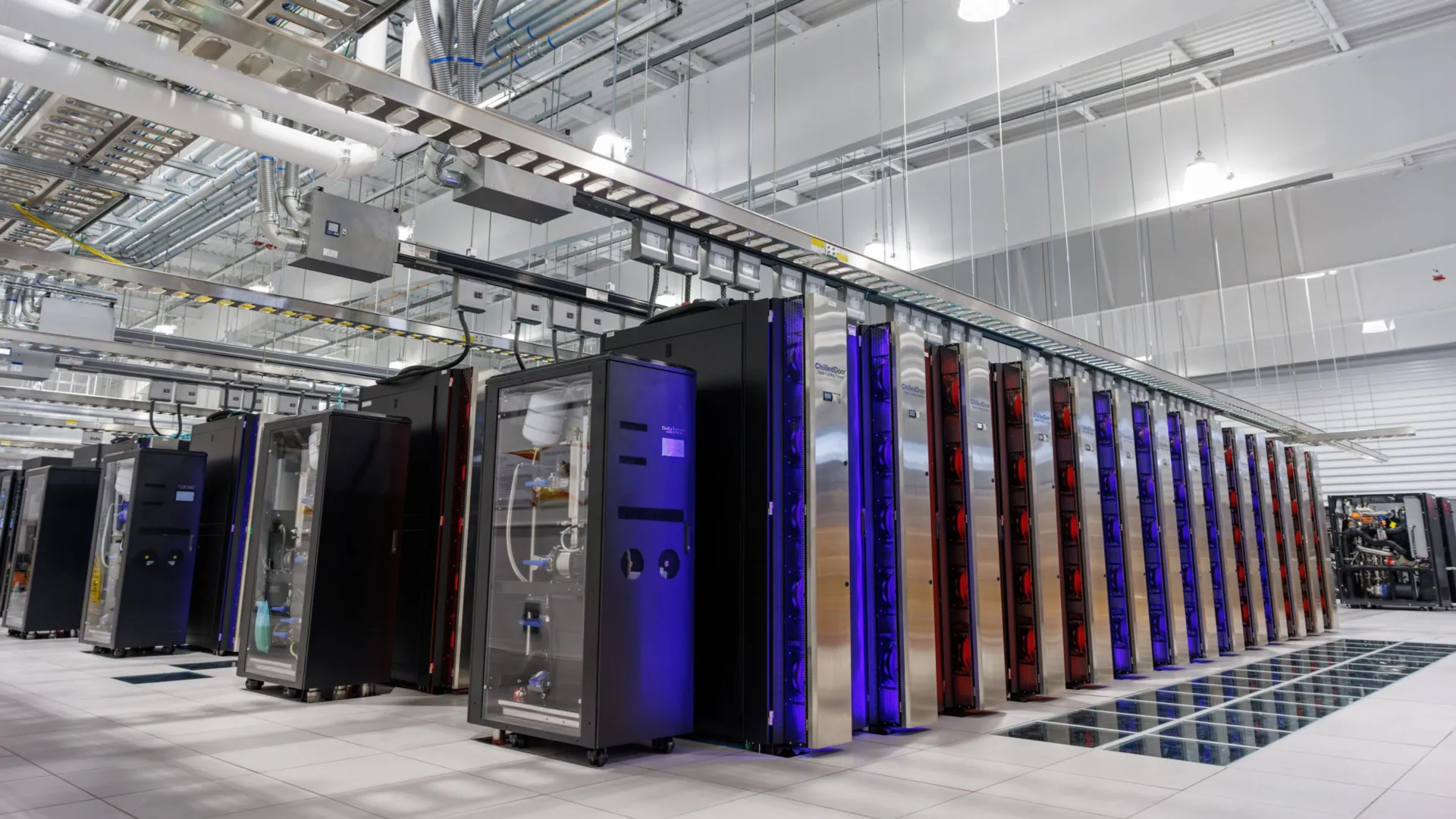
    Artificial intelligence is consuming enormous amounts of electricity in the United States. According to the International Energy Agency, AI systems and data centers used about 415 terawatt hours of power in 2024. That accounts for more than 10% of the country’s total electricity production, and demand is projected to double by 2030.

    This rapid growth has raised concerns about sustainability. In response, researchers at a School of Engineering have created a proof-of-concept AI system designed to be far more efficient. Their approach could reduce energy use by up to 100 times while also improving performance on tasks.

    A Hybrid Approach Called Neuro-Symbolic AI

    The research comes from the laboratory of Matthias Scheutz, Karol Family Applied Technology Professor. His team is developing neuro-symbolic AI, which combines traditional neural networks with symbolic reasoning. This method mirrors how people approach problems by breaking them into steps and categories.

    The work will be presented at the International Conference of Robotics and Automation in Vienna in May and will appear in the conference proceedings.

    Teaching Robots to See, Understand, and Act

    Unlike familiar large language models (LLMs) such as ChatGPT and Gemini, the team focuses on AI systems used in robotics. These systems are known as visual-language-action (VLA) models. They extend LLM capabilities by incorporating vision and physical movement.

    VLA models take in visual data from cameras and instructions from language, then translate that information into real-world actions. For example, they can control a robot’s wheels, arms, or fingers to complete a task.

    Why Traditional AI Struggles With Simple Tasks

    Conventional VLA systems rely heavily on data and trial-and-error learning. If a robot is asked to stack blocks into a tower, it must first analyze the scene, identify each block, and determine how to place them correctly.

    This process often leads to mistakes. Shadows may confuse the system about a block’s shape, or the robot may place pieces incorrectly, causing the structure to collapse.

    These errors are similar to the problems seen in LLMs. Just as robots can misplace blocks, chatbots can generate false or misleading outputs. Examples include fabricating legal cases or producing images with unrealistic details such as extra fingers.

    How Symbolic Reasoning Improves Accuracy and Efficiency

    Symbolic reasoning offers a different strategy. Instead of relying only on patterns from data, it uses rules and abstract concepts such as shape and balance. This allows the system to plan more effectively and avoid unnecessary trial and error.

    “Like an LLM, VLA models act on statistical results from large training sets of similar scenarios, but that can lead to errors,” said Scheutz. “A neuro-symbolic VLA can apply rules that limit the amount of trial and error during learning and get to a solution much faster. Not only does it complete the task much faster, but the time spent on training the system is significantly reduced.”

    Strong Results in Puzzle Tests

    The researchers tested their system using the Tower of Hanoi puzzle, a classic problem that requires careful planning.

    The neuro-symbolic VLA achieved a 95% success rate, compared with just 34% for standard systems. When given a more complex version of the puzzle that it had not encountered before, the hybrid system still succeeded 78% of the time. Traditional models failed every attempt.

    Training time also dropped sharply. The new system learned the task in only 34 minutes, while conventional models required more than a day and a half.

    Massive Energy Savings in Training and Use

    Energy consumption was reduced dramatically as well. Training the neuro-symbolic model required only 1% of the energy used by a standard VLA system. During operation, it used just 5% of the energy needed by conventional approaches.

    Scheutz compared this inefficiency to everyday AI tools. “These systems are just trying to predict the next word or action in a sequence, but that can be imperfect, and they can come up with inaccurate results or hallucinations. Their energy expense is often disproportionate to the task. For example, when you search on Google, the AI summary at the top of the page consumes up to 100 times more energy than the generation of the website listings.”

    The Growing Strain of AI on Power Infrastructure

    As AI adoption accelerates across industries, demand for computing power continues to climb. Companies are building increasingly large data centers, some of which require hundreds of megawatts of electricity. That level of consumption can exceed the needs of entire small cities.

    This trend has sparked a race to expand infrastructure, raising concerns about long-term energy limits.

    A More Sustainable Path for AI

    The researchers suggest that current approaches based on LLMs and VLAs may not be sustainable in the long run. While these systems are powerful, they consume large amounts of energy and can still produce unreliable results.

    In contrast, neuro-symbolic AI offers a different direction. By combining learning with structured reasoning, it may provide a more efficient and dependable foundation for future AI systems.

  • The breakthrough that makes robot faces feel less creepy

    The breakthrough that makes robot faces feel less creepy

    When people talk face to face, nearly half of their attention is drawn to the movement of the lips. Despite this, robots still have great difficulty moving their mouths in a convincing way. Even the most advanced humanoid machines often rely on stiff, exaggerated mouth motions that resemble a puppet, assuming they have a face at all.

    Humans place enormous importance on facial expression, especially subtle movements of the lips. While awkward walking or clumsy hand gestures can be forgiven, even small mistakes in facial motion tend to stand out immediately. This sensitivity contributes to what scientists call the “Uncanny Valley,” a phenomenon where robots appear unsettling rather than lifelike. Poor lip movement is a major reason robots can seem eerie or emotionally flat, but researchers say that may soon change.

    A Robot That Learns to Move Its Lips

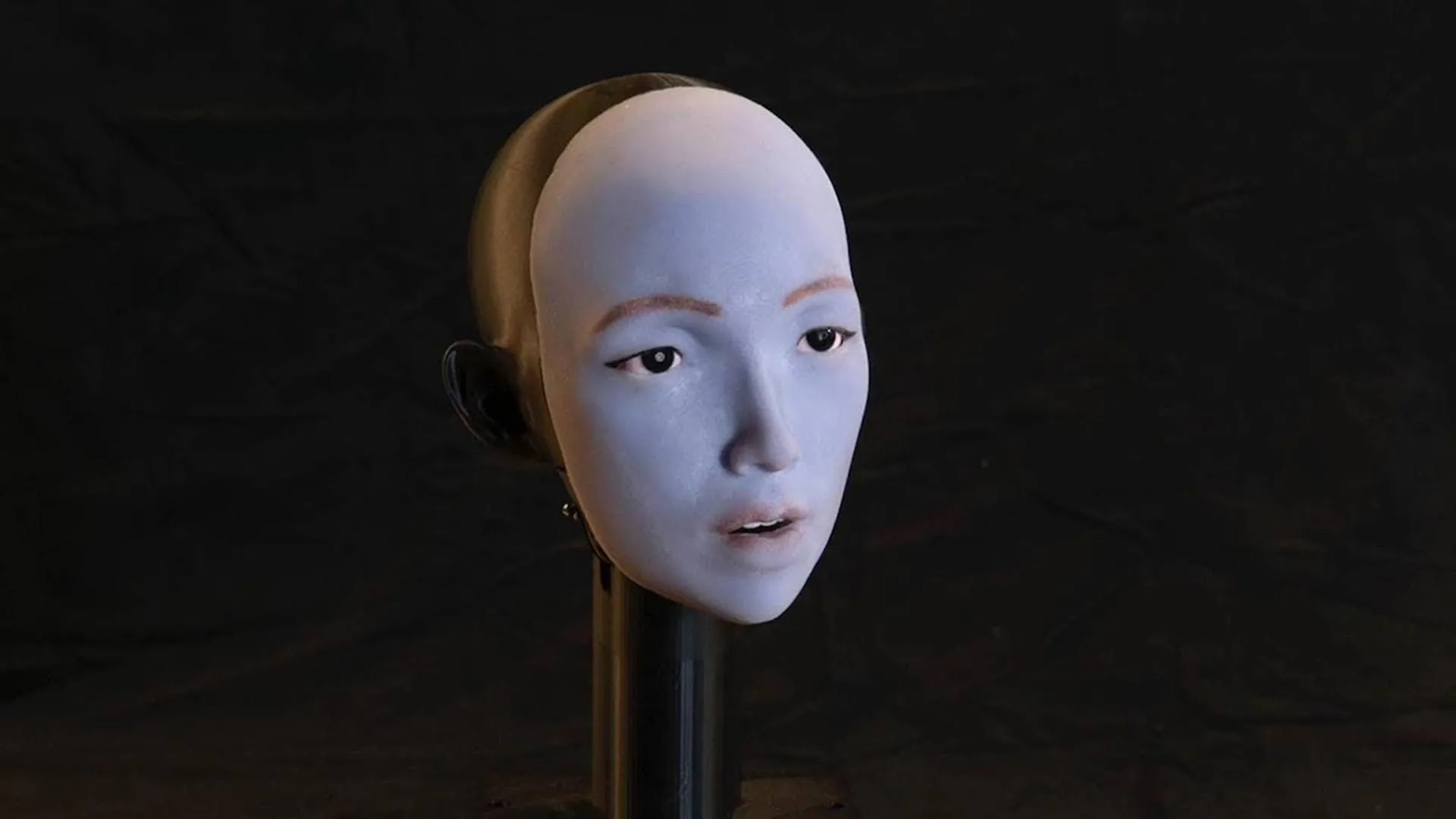
    On January 15, a team from Columbia Engineering announced a major advance in humanoid robotics. For the first time, researchers have built a robot that can learn facial lip movements for speaking and singing. Their findings, published in Science Robotics, show the robot forming words in multiple languages and even performing a song from its AI-generated debut album “hello world_.”

    Rather than relying on preset rules, the robot learned through observation. It began by discovering how to control its own face using 26 separate facial motors. To do this, it watched its reflection in a mirror, then later studied hours of human speech and singing videos on YouTube to understand how people move their lips.

    “The more it interacts with humans, the better it will get,” said Hod Lipson, James and Sally Scapa Professor of Innovation in the Department of Mechanical Engineering and director of Columbia’s Creative Machines Lab, where the research took place.

    See link to “Lip Syncing Robot” video below.

    Robot Watches Itself Talking

    Creating natural-looking lip motion in robots is especially difficult for two main reasons. First, it requires advanced hardware, including flexible facial material and many small motors that must operate quietly and in perfect coordination. Second, lip movement is closely tied to speech sounds, which change rapidly and depend on complex sequences of phonemes.

    Human faces are controlled by dozens of muscles located beneath soft skin, allowing movements to flow naturally with speech. Most humanoid robots, however, have rigid faces with limited motion. Their lip movements are typically dictated by fixed rules, which leads to mechanical, unnatural expressions that feel unsettling.

    To address these challenges, the Columbia team designed a flexible robotic face with a high number of motors and allowed the robot to learn facial control on its own. The robot was placed in front of a mirror and began experimenting with thousands of random facial expressions. Much like a child exploring their reflection, it gradually learned which motor movements produced specific facial shapes. This process relied on what researchers call a “vision-to-action” language model (VLA).

    Learning From Human Speech and Song

    After understanding how its own face worked, the robot was shown videos of people talking and singing. The AI system observed how mouth shapes changed with different sounds, allowing it to associate audio input directly with motor movement. With this combination of self-learning and human observation, the robot could convert sound into synchronized lip motion.

    The research team tested the system across multiple languages, speech styles, and musical examples. Even without understanding the meaning of the audio, the robot was able to move its lips in time with the sounds it heard.

    The researchers acknowledge that the results are not flawless. “We had particular difficulties with hard sounds like ‘B’ and with sounds involving lip puckering, such as ‘W’. But these abilities will likely improve with time and practice,” Lipson said.

    Beyond Lip Sync to Real Communication

    The researchers stress that lip synchronization is only one part of a broader goal. Their aim is to give robots richer, more natural ways to communicate with people.

    “When the lip sync ability is combined with conversational AI such as ChatGPT or Gemini, the effect adds a whole new depth to the connection the robot forms with the human,” said Yuhang Hu, who led the study as part of his PhD work. “The more the robot watches humans conversing, the better it will get at imitating the nuanced facial gestures we can emotionally connect with.”

    “The longer the context window of the conversation, the more context-sensitive these gestures will become,” Hu added.

    Facial Expression as the Missing Link

    The research team believes that emotional expression through the face represents a major gap in current robotics.

    “Much of humanoid robotics today is focused on leg and hand motion, for activities like walking and grasping,” Lipson said. “But facial affection is equally important for any robotic application involving human interaction.”

    Lipson and Hu expect realistic facial expressions to become increasingly important as humanoid robots are introduced into entertainment, education, healthcare, and elder care. Some economists estimate that more than one billion humanoid robots could be produced over the next decade.

    “There is no future where all these humanoid robots don’t have a face. And when they finally have a face, they will need to move their eyes and lips properly, or they will forever remain uncanny,” Lipson said.

    “We humans are just wired that way, and we can’t help it. We are close to crossing the uncanny valley,” Hu added.

    Risks and Responsible Progress

    This work builds on Lipson’s long-running effort to help robots form more natural connections with people by learning facial behaviors such as smiling, eye contact, and speech. He argues that these skills must be learned through observation rather than programmed through rigid instructions.

    “Something magical happens when a robot learns to smile or speak just by watching and listening to humans,” he said. “I’m a jaded roboticist, but I can’t help but smile back at a robot that spontaneously smiles at me.”

    Hu emphasized that the human face remains one of the most powerful tools for communication, and scientists are only beginning to understand how it works.

    “Robots with this ability will clearly have a much better ability to connect with humans because such a significant portion of our communication involves facial body language, and that entire channel is still untapped,” Hu said.

    The researchers also acknowledge the ethical concerns that come with creating machines that can emotionally engage with humans.

    “This will be a powerful technology. We have to go slowly and carefully, so we can reap the benefits while minimizing the risks,” Lipson said.

  • Breakthrough CRISPR-based test offers faster, more accurate diagnosis for fungal pneumonia

    Breakthrough CRISPR-based test offers faster, more accurate diagnosis for fungal pneumonia

    Tulane University researchers have developed a CRISPR-based test that diagnoses Pneumocystis jirovecii pneumonia (PJP) — a life-threatening fungal infection primarily affecting children and immunocompromised patients — more quickly and less invasively, according to a new study published in the Journal of Clinical Investigation.

    The highly accurate test detects RNA from live fungi in blood samples and throat swabs, eliminating the need for invasive bronchoscopy procedures currently used for diagnosis.

    “Current diagnostic methods haven’t evolved in decades, leaving many patients without timely or definitive answers,” said study co-author Dr. Jay Kolls, the John W. Deming Endowed Chair in Internal Medicine at Tulane University School of Medicine. “Having a non-invasive throat swab test or a blood test really allows us to get a faster, but also more specific, diagnostic than we’re able to get right now.”

    Kolls and study co-author Tony Hu, PhD, the Weatherhead Presidential Chair in Biotechnology Innovation and director of the Tulane Center for Cellular & Molecular Diagnostics, led a multidisciplinary team to develop the new tool, combining engineering innovation with clinical and biomedical expertise.

    The fungus that causes PCP rarely harms healthy people but can trigger dangerous lung infections in those with compromised immune systems, including cancer patients, transplant recipients, people with HIV/AIDS and patients on immune-suppressing drugs.

    Traditional diagnostic methods for PJP rely on a bronchoscopy in which a tube is inserted into the patient’s airways to collect samples, an expensive and invasive procedure.

    “It can take until the next day, sometimes two days, to receive bronchoscopy results,” Hu said. “With the CRISPR-based assay, we can go from samples to results in 45 minutes.”

    PCR swab tests, like those used for rapid COVID testing, often fail to detect active P. jirovecii infections. Using the CRISPR-based detection tool alongside PCR testing significantly boosted diagnostic accuracy, correctly identifying 96% of infected infants (compared to 66% with PCR alone) and 93% of infected adults (compared to just 26% with PCR alone).

    CRISPR, an acronym for “clustered regularly interspaced short palindromic repeats,” is a gene editing technology that allows scientists to precisely modify DNA. For the PJP diagnostic test, CRISPR is used to detect RNA of the fungus causing PJP.

    “That’s novel,” Kolls said. “And we have data that shows PJP may be more prevalent than thought. Better diagnosis can help us prove that.”

    In addition to diagnosing patients, the test can be used on throat swabs already gathered in clinics to improve epidemiology and mapping of pneumocystis in the United States.

    This study also shows the growing use of CRISPR as a way to streamline disease detection. Looking ahead, the research team sees potential for the CRISPR diagnostic platform to detect other respiratory infections.

    “This tool is an example of the collaborative spirit at Tulane University, where cutting edge engineering can work alongside extensive clinical practice to address a very critical issue,” Hu said. “Hopefully we can soon deploy this as a clinical test and improve outcomes for patients.”

    The tool developed at Tulane was tested in collaboration with samples from University Health Network/University of Toronto, the Pneumonia Etiology Research for Child Health (PERCH) study, and the International Mycoses Prevention, Research, Implementation, Networks and Training (IMPRINT) consortium at the University of Cape Town. The research was supported by the National Institutes of Health, the Gates Foundation, and the National Institute for Health and Care Research.