Author: admin

  • Millions of exploding stars could soon reveal dark energy’s secrets

    Millions of exploding stars could soon reveal dark energy’s secrets

    Researchers led by the Institute of Cosmos Sciences of the University of Barcelona (ICCUB) have developed a new technique that could greatly improve how scientists study the expansion of the Universe and investigate the mysterious force known as dark energy.

    Published in Nature Astronomy, the research introduces a framework called CIGaRS that can extract far more information from Type Ia supernovae, the powerful stellar explosions used to measure vast cosmic distances. Unlike many current approaches, the method relies mainly on imaging data rather than expensive spectroscopic observations. The advance is expected to help astronomers take full advantage of the enormous datasets that will soon arrive from next generation sky surveys, particularly those conducted by the Vera C. Rubin Observatory.

    Why Type Ia Supernovae Matter

    Type Ia supernovae occur when white dwarf stars explode. Because these explosions reach nearly the same intrinsic brightness, astronomers use them as “standard candles”: by comparing their actual brightness with how bright they appear from Earth, researchers can calculate their distance.

    These measurements played a crucial role in the discovery that the Universe is expanding at an accelerating rate. Scientists attribute that acceleration to dark energy, one of the most significant unsolved questions in modern physics.

    However, there is an important complication. Type Ia supernovae are not perfectly identical.

    How Host Galaxies Affect Supernova Measurements

    Over the past 20 years, astronomers have found that a supernova’s observed brightness is influenced by the galaxy where it occurs. Supernovae found in older or more massive galaxies can appear slightly different from those occurring in younger or less massive galaxies.

    Researchers have typically accounted for these differences using relatively simple correction methods. While useful, these approximations can limit the accuracy of distance measurements and, in turn, the precision of cosmological studies.

    A Unified Model of Supernovae and the Universe

    The new framework addresses this challenge by modeling multiple factors simultaneously. Rather than treating each component independently, the researchers built a single, integrated model that includes the supernova explosions themselves, their host galaxies, the dust that alters their light, changes in supernova rates throughout cosmic history, and even the expansion of the Universe.

    By connecting all of these ingredients within one statistical and physical framework, the team can capture relationships that are often overlooked when the pieces are analyzed separately.

    “A powerful way of modelling the Universe is to simulate it ab initio in the computer using Bayesian inference,” says Raúl Jiménez (ICREA-ICCUB), co-author of the study. “This provides a way to vary all possible parameters at the same time to predict what Universe we live in. Furthermore, by having this capacity, one can look into possible ‘unknown unknown’ systematics to understand their effect. The impact of these systematics in our inference is arguably the most important missing ingredient in current approaches to model the Universe.”

    Using Artificial Intelligence To Analyze the Cosmos

    Building such a comprehensive model would normally require enormous computing power. To make the approach practical, the researchers turned to a modern technique called simulation-based inference.

    The process begins with scientists generating large numbers of simulated universes based on physical models. A neural network (a type of artificial intelligence) then learns how the simulated observations relate to the physical properties that produced them. Once trained, the system can compare real astronomical observations with its simulations and determine the most likely underlying parameters.

    This strategy makes it possible to analyze tens of thousands of supernovae simultaneously, a task that would be impractical using traditional techniques.

    Accurate Galaxy Distances From Images Alone

    One of the study’s most significant findings is that the framework can determine galaxy distances (redshifts) with high accuracy using only imaging data.

    Redshift measures how much a galaxy’s light has been stretched as the Universe expands. It provides information about both the galaxy’s distance and how far back in time we are observing it.

    According to the researchers, the new method delivers redshift estimates with precision comparable to spectroscopic measurements, but without requiring spectra. This capability is especially important because upcoming surveys are expected to identify millions of supernova candidates, while only a small percentage can realistically receive spectroscopic follow-up observations.

    Ready for the Rubin Observatory Data Deluge

    The Vera C. Rubin Observatory, currently being built in Chile, is expected to begin a decade long survey of the sky in the near future. During that mission, it will discover an unprecedented number of supernovae. Roughly 99% of those objects will be observed only photometrically, meaning through images taken in different colors rather than detailed spectra.

    The CIGaRS framework was specifically developed with this challenge in mind.

    “Unlike other frameworks, which require analytic simplifications, our no-compromise end-to-end simulation-based inference approach is uniquely capable of extracting the full cosmological and astrophysical information from the Rubin Observatory’s hard-earned data, while avoiding the pitfalls of selection and modelling biases,” says Konstantin Karchev (ICCUB-SISSA Trieste), lead author of the study.

    Insights Into How Supernovae Form

    The benefits extend beyond measuring dark energy. The framework also provides new information about the origins of Type Ia supernovae themselves.

    By reconstructing how supernova occurrence rates vary with the ages of stars in different galaxies, the model helps scientists investigate long standing questions about the systems that eventually produce these explosions.

    The researchers found that combining physics based simulations with artificial intelligence can overcome several limitations of current cosmological methods. They estimate that the approach could improve cosmological constraints by as much as a factor of four compared with traditional techniques that depend only on a relatively small sample of spectroscopically observed supernovae.

    As the Rubin Observatory prepares to usher in a new era of astronomical discovery, tools such as CIGaRS could help scientists extract the maximum amount of information from its observations and gain a deeper understanding of the Universe.

  • USC scientists just unlocked an endless supply of cancer-fighting immune cells

    USC scientists just unlocked an endless supply of cancer-fighting immune cells

    Scientists at USC Stem Cell have developed a new method for creating a renewable and expandable supply of immune cell precursors that could help advance cancer immunotherapy and other treatments.

    Published in the journal Cell, the study focuses on granulocyte-monocyte progenitors (GMPs), a type of progenitor cell that produces macrophages and several other immune cells. Macrophages play a key role in defending the body against infections and have attracted growing interest as potential tools for treating cancer.

    The researchers showed that GMPs can be expanded extensively in the laboratory and genetically modified to recognize cancer cells while also boosting broader immune responses.

    “The study establishes a scalable and engineerable GMP platform for cellular immunotherapy and introduces concepts that we believe could have broad implications for both cancer immunotherapy and stem cell biology,” said the paper’s corresponding author Qi-Long Ying, MD, PhD, professor of stem cell biology and regenerative medicine at the Keck School of Medicine of USC.

    One of the study’s most significant findings relates to self-renewal, a characteristic traditionally associated with stem cells. Self-renewal allows cells to repeatedly divide while maintaining their identity. Scientists generally have not considered progenitor cells to possess this long-term capability.

    “The prevailing view has been that long-term self-renewal in the blood system is primarily a property of the hematopoietic stem cells that can generate any type of blood or immune cell,” said Ying. “We found that, under the right conditions, GMPs can also self-renew, dividing extensively while keeping their identity and ability to produce functional immune cells. That gives us a scalable starting point for engineering cell therapies for cancer, infectious disease and potentially many other conditions.”

    Why Macrophage Precursors Matter

    Macrophages are appealing candidates for cancer immunotherapy because they naturally enter tumors, consume cancer cells, and help organize immune responses. While T-cell therapies have achieved major success against blood cancers, macrophage-based therapies may offer particular advantages against solid tumors.

    However, mature macrophages have several drawbacks as therapeutic products. They are difficult to grow in large numbers outside the body, challenging to genetically engineer, and can be damaged during freezing and storage. They also tend to accumulate in organs such as the lungs and liver instead of spreading widely throughout the body.

    To overcome these obstacles, first author Shi Yue, MD, and colleagues in the Ying Lab focused on GMPs, which sit earlier in the developmental pathway that produces macrophages.

    Using a carefully defined chemical cocktail, the team prevented GMPs from maturing into other immune cell types and succeeded in maintaining and expanding them over long periods in the laboratory.

    Even after extended growth, the cells preserved their molecular and cellular characteristics and continued to generate functional macrophages and other immune cells.

    Researchers in the laboratory of Ravi Majeti, MD, PhD, at Stanford University independently reproduced the long-term maintenance and genetic engineering of GMPs, providing additional support for the platform’s reliability and potential therapeutic value.

    Majeti, Director of the Institute for Stem Cell Biology and Regenerative Medicine at Stanford University, noted: “This method for the expansion and engineering of GMPs opens the door to numerous translational applications, much like T cell expansion and engineering. We have already demonstrated engineering of these cells to drive multiple potent functions, and there is a lot more to be explored.”

    Engineering GMPs To Fight Cancer

    Beyond their ability to grow long term in the laboratory, GMPs can also be genetically engineered for use as immunotherapies.

    In this study, the researchers equipped GMPs with a chimeric antigen receptor, or CAR, enabling the cells to recognize a specific marker found on cancer cells. The team also added a second signal designed to activate nearby immune cells that help stimulate tumor-fighting T cells and strengthen the body’s natural defenses.

    Importantly, this additional signal remains effective even when donor and recipient cells are immunologically mismatched. That raises the possibility of creating off-the-shelf therapies produced in advance from donor cells and used in many patients, rather than generating a custom treatment for each individual.

    After expanding and engineering both mouse and human GMPs, the researchers tested them in mice. The cells successfully settled into the bone marrow and other blood-forming tissues, where they continuously generated engineered macrophages and additional immune cells.

    Because the GMPs maintained an ongoing supply of these cells from the bone marrow, they avoided the rapid loss that has limited mature macrophage therapies, including those evaluated in recent clinical trials.

    In mice with blood cancers and solid tumors, CAR-engineered GMPs slowed disease progression. GMPs carrying both the CAR and the additional immune-activating signal produced even stronger benefits.

    Potential Beyond Cancer

    The platform may have applications that extend beyond oncology.

    The researchers tested the approach in mice with chronic granulomatous disease, an inherited immune disorder. GMP treatment restored the animals’ ability to fight bacterial infections, demonstrating the potential of the technology for immune deficiencies as well.

    “Our study suggests that the future of immunotherapy may depend not only on designing better CAR receptors, but also on choosing the right developmental stage of the cell,” said Ying.

    About the Study

    The paper in Cell is titled “Expansion and CAR engineering of granulocyte-monocyte progenitors for cellular immunotherapy.”

    In addition to Ying, Yue and Majeti, additional authors are: Zheng Guo, Crystal Pan, Xueyuan A. Jing, Tai Nguyen, Jiaqi Tang, Yanpui Chan, Humberto Contreras-Trujillo, Du Jiang, Xue Yan, Hang Xiang, Xugeng Liu, Xiao Wang, Ziyuan Wang, Natalie Shu, Daniel B. McKim, Rong Lu and Chao Zhang from USC; and Litao Tao and Celia Bloom from Creighton University; Asiri Ediriwickrema and Sebastian Koschade from Stanford University School of Medicine; and Yingxiao Shi from Harvard Medical School and the Dana-Farber Cancer Institute.

    This work was supported by the Chen Yong Foundation of the Zhongmei Group, a sponsored research project from Myelogene Inc., the L.K. Whittier Foundation, the Eli and Edythe Broad Innovation Award, the Ming Hsieh Institute for Research on Engineering Medicine for Cancer Award, the USC SBIR/STTR Planning Award, the Xia Research Fund, and the Wu & Jiang Research Fund. Majeti reports support from the Ludwig Institute for Cancer Research, and Guo was supported by the California Institute for Regenerative Medicine Predoctoral Training Fellowship.

    Disclosures

    Ying, Yue, Jing, Guo, Majeti, Zhang, Nguyen and Tang are co-inventors on patents related to this study, filed by USC and licensed to Myelogene Inc. Ying, Yue, Zhang and Majeti are co-founders of Myelogene Inc. Majeti is on the Advisory Boards of Kodikaz Therapeutic Solutions, Pheast Therapeutics, Prelude Therapeutics, Mubadala Capital, Aculeus Therapeutics, Sequentify, BMS and Bectas Therapeutics. Majeti is also a co-founder and equity holder of Pheast Therapeutics.

  • FDA-approved drug may finally help immunotherapy defeat rare liver cancer

    FDA-approved drug may finally help immunotherapy defeat rare liver cancer

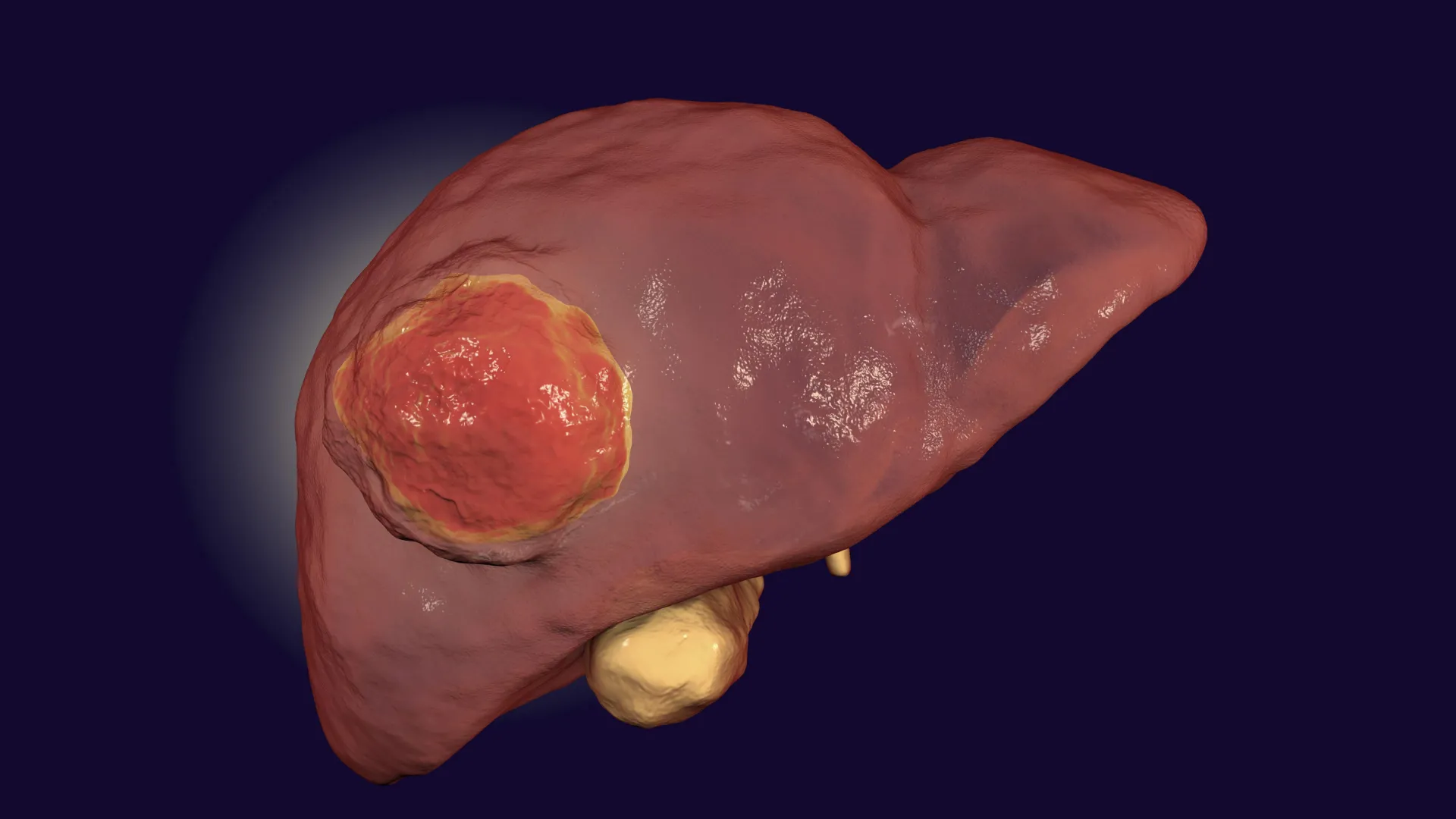
    A rare and aggressive form of liver cancer has long resisted immunotherapy, a treatment that helps the body’s own immune system attack cancer cells. Now, researchers have identified a potential way to overcome that resistance using an FDA-approved drug that is already available for another medical condition.

    The findings suggest a possible new treatment strategy for fibrolamellar carcinoma, a rare liver cancer that primarily affects children and young adults.

    Fibrolamellar carcinoma makes up about 2% of all liver cancer cases. There is currently no cure, and the disease is often discovered only after it has spread to other parts of the body, leaving many patients with limited treatment options and poor survival prospects.

    How Fibrolamellar Carcinoma Evades the Immune System

    The study, published in the journal Gastroenterology, sheds light on why immunotherapy has struggled against this cancer.

    Researchers found that fibrolamellar tumors alter their surrounding environment in a way that prevents immune T cells from reaching the cancer. Instead of moving into the tumor and attacking cancer cells, the T cells become trapped elsewhere. This process, known as T-cell exclusion, effectively keeps the immune system from carrying out its normal cancer-fighting role.

    The team also discovered that AMD3100, a drug already approved by the U.S. Food and Drug Administration for another disorder, can disrupt this process. By preventing tumors from trapping T cells, the drug allows those immune cells to reach and attack the cancer.

    “Our results provide among the first indications of why a type of immunotherapy called immune checkpoint inhibition hasn’t worked well in these patients, and even if this particular drug isn’t the end-all-be-all, it teaches us that this T-cell exclusion phenomenon is an important one to tackle in fibrolamellar carcinoma,” said Praveen Sethupathy ’03, professor of physiological genomics and chair of the Department of Biomedical Sciences in the College of Veterinary Medicine.

    Sethupathy served as co-senior author of the study alongside Dr. Venu Pillarisetty, a surgical oncologist at the University of Washington.

    Advanced Technology Reveals the Tumor Environment

    To better understand what was happening inside these tumors, researchers used a powerful technique known as single-nucleus transcriptomics.

    This technology allowed the team to isolate the nucleus of individual cells within tumor tissue and determine which genes were active in each cell. The approach provided an unprecedented view of the tumor microenvironment and the interactions taking place inside it.

    “It wasn’t until we were able to use this technology that the picture of the tumor microenvironment began to clear up for us,” said Andreas Stephanou, a co-first author on the study and a Cornell graduate student co-mentored by Sethupathy and Iwijn de Vlaminck, associate professor in the Meinig School of Biomedical Engineering in the Duffield College of Engineering.

    Why Immunotherapy Sometimes Fails

    Immune checkpoint inhibitors work by activating the body’s own T cells and encouraging them to move into tumors where they can destroy cancer cells.

    These therapies have produced major benefits in several cancers, including liver, lung, kidney, and bladder cancers, as well as melanoma. However, many other cancers, including pancreatic, prostate, and brain cancers, often do not respond well to these treatments.

    The researchers say that features of the tumor microenvironment, including T-cell exclusion, may help explain why some cancers remain resistant to immune checkpoint inhibitors.

    The Role of Fibrous Bands in Tumors

    Fibrolamellar carcinoma gets its name from the thick fibrous bands that run throughout the tumors.

    “Despite all of the recent advances in the study of this cancer, we still haven’t pinpointed how these fibrous bands contribute, if at all, to the tumor’s progression,” Stephanou said.

    The researchers found that these bands are produced by stellate cells, which are normal liver cells that become altered by the cancer. Once changed, the stellate cells release fibrous proteins that build the characteristic bands within the tumor.

    Using single-cell technology, the team discovered that these altered stellate cells also send signals to nearby T cells. Those signals direct the immune cells away from cancer cells and toward the fibrous bands, where the T cells become trapped.

    AMD3100 Restores Immune Cell Access

    “So, then we asked, what if we were to block this signaling in T cells with a compound?” Sethupathy said.

    To test that idea, researchers in the Pillarisetty laboratory at the University of Washington used slices of patient tumor tissue and treated them with AMD3100.

    The results showed that the drug successfully guided T cells back into the center of the tumors. When AMD3100 was combined with immune checkpoint inhibition, T-cell activation increased even further, resulting in a significant rise in tumor cell death.

    The researchers are now seeking liver cancer specialists interested in launching clinical trials to evaluate the treatment approach in patients.

    “A compelling feature of this work is that AMD3100 is already FDA-approved, which can reduce risks and potentially speed up timelines for clinical trials in fibrolamellar carcinoma,” Sethupathy said.

    Co-first authors of the study were Jason Carter and Lindsey Dickerson, both members of the Pillarisetty laboratory at the University of Washington. Bo Shui, a senior research associate in the Sethupathy laboratory, was also a co-author.

    The research was supported by funding from the Fibrolamellar Cancer Foundation.

  • One of the world’s most popular weedkillers may be fueling deadly superbugs

    One of the world’s most popular weedkillers may be fueling deadly superbugs

    Antimicrobial resistance (AMR) contributes to an estimated 1.1 million to 1.4 million deaths worldwide each year. While this growing threat is typically linked to the overuse and misuse of antibiotics, new research suggests another factor may also be playing a role: certain weedkillers.

    Scientists have found evidence that glyphosate, one of the world’s most widely used herbicides, may help select for bacteria that are resistant to multiple antibiotics.

    “Here we show that the most common species of multidrug-resistant bacteria from hospitals are not only resistant to multiple antibiotic classes, but also to high concentrations of the weedkiller glyphosate,” said Dr. Daniela Centrón, a researcher at the Institute of Medical Microbiology and Parasitology in Buenos Aires and the senior author of the study published in Frontiers in Microbiology.

    “These results suggest that weedkillers — which, unlike antibiotics, are widely applied in agricultural environments — may have the unintended side-effect of selecting for AMR among bacterial communities within the soil.”

    For decades, Roundup was closely associated with glyphosate, the herbicide first registered in the United States in 1974. Today, the answer is more complicated. Home-use Roundup products found in many hardware and garden stores have been reformulated without glyphosate and may contain ingredients such as triclopyr, fluazifop, and diquat. But glyphosate remains in professional and agricultural Roundup products used in farming, landscaping, and other commercial settings.

    Testing Bacteria From Nature, Farms, and Hospitals

    To investigate the connection, Centrón and her colleagues analyzed 68 bacterial strains collected in 2018 and 2020 from sediment in a protected nature reserve in the Paraná delta, a wetland region north of Buenos Aires. Although herbicides have never been applied inside the reserve, glyphosate is commonly used in nearby agricultural areas.

    The researchers examined how resistant each strain was to 16 commonly used antibiotics, including ampicillin combined with sulbactam, meropenem, tetracycline, and vancomycin. They also tested resistance to pure glyphosate and glyphosate-based herbicides, which are among the most widely used weedkillers worldwide.

    The findings were then compared with 19 bacterial strains obtained from local hospitals, including multidrug-resistant species. An additional 15 strains came from feedlots and agricultural soils affected by herbicide use.

    Hospital Superbugs Also Resist Glyphosate

    The hospital strains showed widespread antimicrobial resistance. Individual strains were resistant to between one and 16 of the antibiotics tested. Particularly concerning was the finding that 74% were resistant to carbapenems, a class of broad-spectrum antibiotics often reserved as a last line of defense against serious infections.

    All of the hospital-derived strains were also highly resistant to glyphosate and glyphosate-based herbicides.

    “This means that if these bacteria enter the environment through untreated wastewater from hospitals, they could go on to thrive in agricultural areas where glyphosate is used,” said first author Dr. Camila Knecht from Dr. Centrón’s research group.

    The 68 strains collected from the Paraná delta represented 15 different genera, including Acinetobacter, Pseudomonas, Exiguobacterium, and Chryseobacterium. Every one of them displayed at least some resistance to glyphosate and glyphosate-based herbicides, despite the fact that these chemicals had never been applied within the reserve itself.

    Among the environmental strains, Enterobacter species tolerated the highest glyphosate concentrations, surviving levels of up to 80 milligrams per milliliter. In contrast, Bacillus species, which are commonly found in soil, were especially sensitive. Their growth was inhibited at concentrations as low as 2.5 milligrams per milliliter. High glyphosate resistance was also observed in strains isolated from hospital infections that showed extreme drug resistance.

    Resistant Bacteria Share Similar Genetic Backgrounds

    The researchers then constructed a genetic “family tree” using all 102 bacterial strains included in the study. They found that bacteria with the greatest glyphosate resistance were often closely related, regardless of whether they originated from hospitals, farms, or the Paraná delta.

    For example, the same bacterial genera showed glyphosate resistance across all three environments.

    “In the environment, the use of glyphosate leads to the evolution of resistant bacteria in impacted soils, whereas the use of antibiotics favors their evolution in hospitals. Bacteria carrying antibiotic resistance genes can spread and breed between those two niches in both directions and in multiple ways, with the water cycle playing a key role in transmission,” concluded coauthor Dr. Jochen A Müller, a group leader at Karlsruhe Institute of Technology.

    Concerns About Glyphosate and Public Health

    Glyphosate has long been the subject of scientific and regulatory debate. Research has shown that it can harm arthropods (in particular bees), and the International Agency for Research on Cancer classifies it as a probable human carcinogen.

    Several European countries have already restricted some uses of the herbicide. France, Belgium, and the Netherlands have banned glyphosate for household applications, while Germany currently prohibits its use in public spaces.

    Based on the findings, the researchers argue that pesticide regulations should take antibiotic resistance into account before products reach the market.

    “Policies for the use of any pesticide, as well as its metabolites, should stipulate the requirement for co-selection testing with antibiotics before marketing. Labels should include a warming that genes for antibiotic resistance can spread from glyphosate-contaminated soils to hospitals through untreated water,” counseled Centrón.

  • SpaceX wants to build AI data centers in space. Will it work?

    SpaceX wants to build AI data centers in space. Will it work?

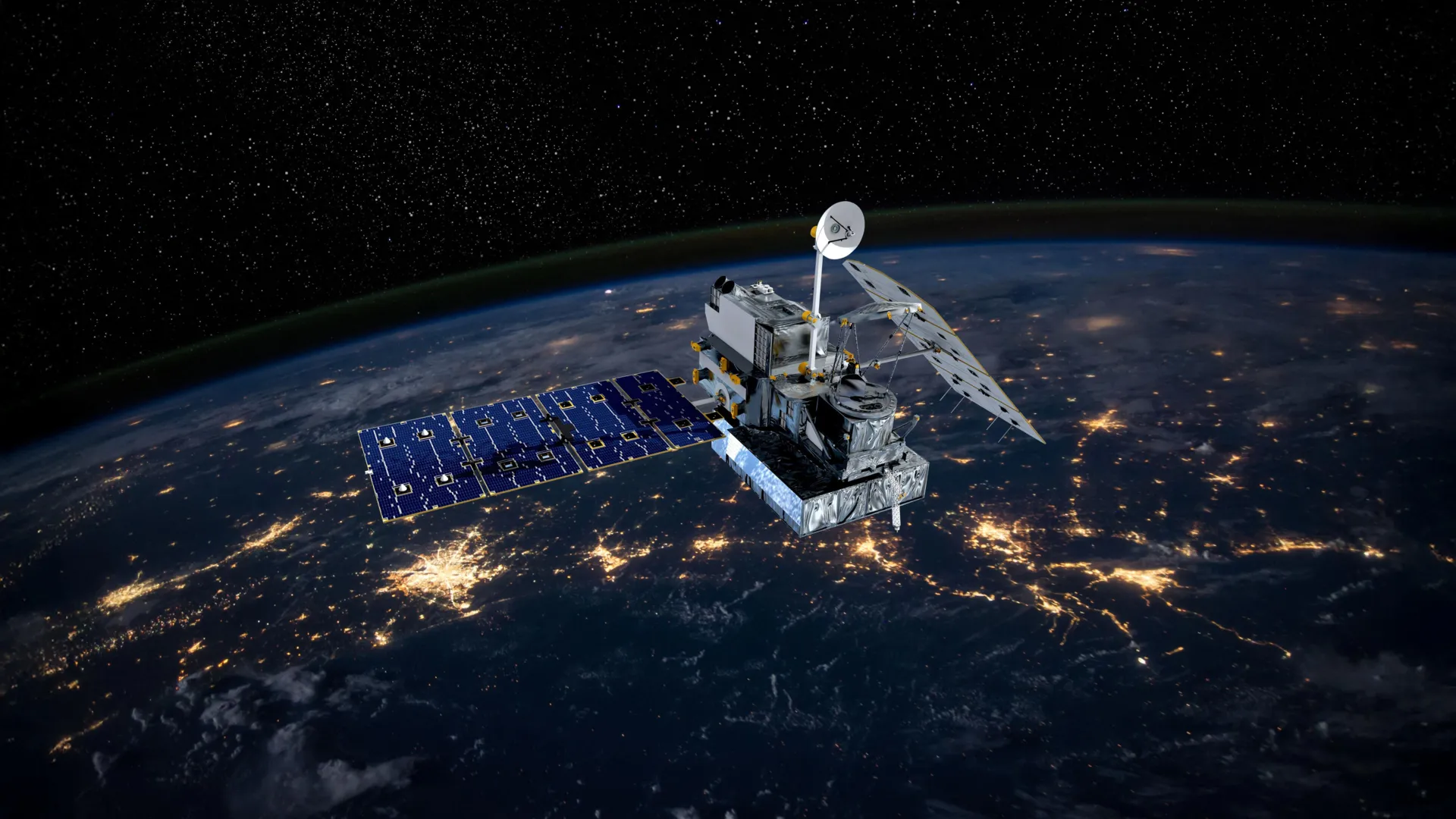
    Imagine if one company could become the railroad, electric utility and cloud-computing provider of the emerging space economy. That potential fueled excitement around the long-anticipated initial public offering of SpaceX. Investors are not simply betting on rockets anymore. They are betting on an entire orbital ecosystem.

    Among the most ambitious and challenging ideas riding this wave of enthusiasm is something that sounds almost like science fiction: orbital data centers. SpaceX may be one of the most well-known companies seeking to build them, but it is not the only one.

    The logic is seductive: Launch the data centers into orbit, where solar energy is abundant and land, water and local power grids are no longer constraints. As artificial intelligence drives an explosion in computing demand, companies are pitching orbital data centers as a way to escape the growing environmental and infrastructure pressures of Earth-based computing. Data centers often also face backlash from the public at having these centers located in their communities.

    But there is a vast difference between launching satellites and operating an industrial-scale computing infrastructure in orbit. Space is unforgiving. Radiation damages electronics. The electronics generate enormous amounts of heat, and getting rid of that heat is surprisingly difficult in space. Repairs are extraordinarily expensive, and every pound launched into orbit still carries a significant cost.

    We are engineering professors who study data center design and space systems engineering. Building a space-based data center will involve considerations from both sides.

    What goes into a data center on Earth

    First off, consider what goes into an Earth-based data center, like those that you’ve probably begun to see pop up everywhere. These facilities power cloud computing, video streaming, online banking, scientific computing and, increasingly, artificial intelligence. But a data center is much more than a room full of servers.

    A data center needs several things to operate reliably. The first is electric power. Servers, networking equipment and storage devices consume large amounts of electricity, and that power demand is growing rapidly with AI.

    The second is cooling. Almost all the electricity consumed by servers eventually becomes heat. If that heat is not removed quickly and reliably, equipment performance drops, failures increase and the data center can shut down. Cooling systems often include air handling units, chillers, cooling towers, pumps and, increasingly, liquid-cooling equipment. In many facilities, cooling is the largest energy consumer after the computing equipment itself.

    The third is physical infrastructure, including the necessary land, buildings, structural support, backup power, water systems, communication networks and maintenance access. Data centers also need to be close enough to users and network backbones to provide fast digital services.

    In short, Earth-based data centers are large electrical and thermal infrastructure systems built around computing hardware.

    Placing them in space

    So what would it take to build these data centers in space, and why are companies finding this possibility such an interesting business proposition?

    As on Earth, these data centers would require massive amounts of power. In space, this power would come from solar panels. The Sun always shines in space and can’t be blocked by clouds. However, depending on the orbit the solar panels are put in, the Earth may shadow them for some portion of the orbit.

    And even the best solar cells available today can convert only about half the sunlight that hits them to electricity.

    Another potential advantage found in space is cooling. The cold background of space (near minus 455 degrees Fahrenheit, or minus 270 degrees Celsius) creates an opportunity: waste heat from the data center could escape into space through radiators, keeping the electronics cool.

    In principle, that design could eliminate some of the bulky and water-intensive cooling infrastructure used on Earth. However, those thermal radiators would require a large amount of surface area, and that would be in addition to the area required by the solar panels.

    In space, there is no air to blow across hot equipment and help heat escape. The heat has to leave as infrared radiation, which is a relatively slow process. As a result, removing 10 megawatts of waste heat can require radiator surfaces comparable to the size of two football fields.

    Space-based data centers could also avoid some of the local conflicts that come with building large data centers on the ground. Many communities resist new data center developments because of their land use, energy and water demand, and noise and environmental impact.

    A space-based system would avoid competing for local land and water resources, and it would not generate neighborhood noise or require local zoning approval in the same way.

    However, space is already getting crowded, and launching thousands of large orbital data centers would accelerate this issue. Orbital debris and micrometeorites are hazards because they can puncture the space data center, and a worst-case collision could destroy it and create even more space debris.

    The frequency of space launches necessary to send all the equipment to orbit may also become a concern for some communities. SpaceX has had protests at its launch complex in Boca Chica, Texas, from local activists who argue that its rocket testing and launches damage the surrounding environment.

    All that data would need to be sent between Earth and these data centers – and between the data centers themselves – using radio waves or laser communications systems. Although satellite constellations such as Starlink and Amazon Leo have demonstrated that doing this is possible, the amount of data sent to and from space would balloon.

    Additional challenges

    These data centers, along with their solar panels and radiators, cannot be launched in one piece and would need to be assembled in space. This process would require new equipment for in-space servicing, assembly and manufacturing.

    Another key challenge is the refresh cycle of computing hardware. Data center servers are not built to last forever. Operators on Earth usually replace or upgrade hardware every three to five years as chips improve, workloads change and equipment ages.

    And equipment failures can require replacing components. The refresh and repair processes are relatively straightforward on Earth, where workers can physically remove and replace servers.

    In space, refresh and repair becomes much harder. Hardware sent to orbit may be difficult or too expensive to upgrade. If the computing platform cannot be updated, or too many components fail, it may become obsolete long before the surrounding infrastructure reaches the end of its useful life.

    In a field where performance improves so rapidly and demand from computing continues to increase, this hurdle could prove a major economic and operational challenge.

    Then there is the harshness of space. These data centers would be in a near vacuum, with constant radiation hitting them. And depending on their orbit, they would go from hot when in the sunlight to cold in Earth’s shadow many times a day. All of these challenges, and more, are issues that will need to be addressed.

    So, do they still make sense?

    Despite these challenges, companies are moving forward with designing space-based data centers. SpaceX just announced the design for its AI1 Compute Satellite, which it hopes to use as an orbital data center spacecraft. However, this satellite is 100 to 1,000 times less capable than current Earth-based data centers.

    Not every computing task makes sense to do in space. Many data center applications depend on fast response times and close connections to users on Earth. Financial transactions, interactive AI services and most cloud applications are extremely sensitive to delay.

    More feasible early applications may be those that are less latency-sensitive and more tightly connected to space operations. Examples could include processing Earth observation data from satellites, military or intelligence data processing, scientific computing related to space missions, or specialized computing for satellites and other space assets.

    In other words, the first viable space data centers may serve space-based customers before they compete with mainstream cloud data centers on Earth.The Conversation

  • Brain-inspired chip runs near absolute zero and could transform quantum computing

    Brain-inspired chip runs near absolute zero and could transform quantum computing

    Researchers at the University of Hong Kong (HKU) have unveiled a significant advance in cryogenic electronics that could help overcome key challenges in quantum computing and support future deep space missions. The team, from HKU’s Department of Electrical and Computer Engineering and the Centre for Advanced Semiconductors and Integrated Circuits (CASIC), developed a programmable neuromorphic hardware platform capable of operating at temperatures near absolute zero.

    The research was led by Professor Yuhao Zhang and PhD student Xin Yang. Their work introduces a new method for generating and controlling negative differential resistance (NDR) in industry standard Silicon Carbide (SiC) MOSFETs. Using this approach, the researchers demonstrated for the first time that a single transistor can reproduce the energy efficient “spiking” activity of biological neurons at temperatures as low as 10mK.

    Brain-Inspired Hardware for Quantum Computing

    Quantum computers depend on sophisticated control electronics to manage qubits, which are highly sensitive and must be kept at millikelvin temperatures. Existing silicon based control systems consume considerable power and produce unwanted heat, making it necessary to position them away from the qubits themselves. That distance creates extensive wiring requirements that can hinder performance and make large scale quantum computers more difficult to build.

    “Our work introduces a hardware platform that can be integrated alongside quantum processors,” said Professor Zhang. “By using the unique carrier dynamics in silicon carbide, we can create circuits that are thousands of times more energy-efficient than conventional electronics, significantly reducing the thermal load on cryogenic systems.”

    Silicon Carbide Reveals Unique Cryogenic Behavior

    The team found that SiC MOSFETs display a strong “S-shape” NDR effect when cooled below 2K. This behavior is driven by electron-donor impact ionization (EDII). Unlike other technologies that depend on heat generated within a device, the newly observed mechanism arises directly from the material’s atomic properties. As a result, it remains highly stable and can be reproduced consistently across different manufacturing batches.

    “This is a robust and scalable approach,” said Mr. Yang. “Because SiC is already used globally in electric vehicles and power grids, we can leverage existing industrial foundries to manufacture these cryogenic chips on 300-mm wafers.”

    From Artificial Neurons to Deep Space Missions

    The study also demonstrated that these artificial neurons can be linked together, or “cascaded,” into larger networks. This capability could enable advanced local data processing at cryogenic temperatures and improve important quantum computing functions such as quantum error correction and real time quantum control.

    The potential applications extend well beyond quantum computing. Because the circuits are designed to operate reliably in extremely cold environments, they could also be valuable for deep space exploration. Future systems may be able to function in the harsh conditions found on the Moon’s surface or in the distant regions of our solar system.

    The findings were published in Nature Communications in a paper titled “Cryogenic neuromorphic circuits using gate-controlled negative differential resistance in silicon carbide.”

  • A classic brain test exposed AI’s biggest weakness

    A classic brain test exposed AI’s biggest weakness

    Artificial intelligence systems can write essays, answer questions, and solve complex problems. But new research suggests they may struggle with something humans do every day: staying focused on the task at hand when distractions get in the way.

    Researchers led by Suketu Patel put several leading AI models through a well-known psychology experiment called the Stroop task. The results revealed a significant difference between how AI systems process information and how the human brain manages attention.

    What Is the Stroop Task?

    The Stroop task is a classic psychological test that has been used for decades to study attention, concentration, and self-control.

    In the test, color words such as “red,” “blue,” or “green” are displayed in colored ink. Sometimes the word and the ink color match. For example, the word “red” might appear in red ink. Other times they conflict, such as the word “red” printed in blue ink.

    Participants are asked to name the color of the ink rather than read the word itself.

    That sounds simple, but it creates a challenge because reading words is an automatic habit for most people. The brain must suppress the urge to read the word and instead focus on identifying the ink color.

    Psychologists often use the task to measure what is known as executive control, a set of mental processes that helps people regulate attention, resist distractions, and stay focused on goals.

    Testing AI Attention

    The researchers wanted to see whether modern large language models (LLMs) handle this challenge in the same way humans do.

    LLMs are the AI systems behind tools such as ChatGPT, Claude, and Gemini. They are trained on enormous amounts of text and learn patterns in language, allowing them to generate responses that often appear remarkably human.

    When given short lists containing five color words, the AI systems generally performed well, even when the words and colors did not match.

    However, the picture changed dramatically as the lists became longer.

    GPT-4o achieved 91% accuracy when working with five words. At ten words, its accuracy fell to 57%. When the list expanded to forty words, accuracy dropped to just 15%.

    Claude 3.5 Sonnet maintained stable performance through lists of twenty words but then experienced a sharp decline, falling to 24% accuracy with forty-word lists.

    The researchers observed similar patterns in GPT-5, Claude Opus 4.1, and Gemini 2.5.

    When AI Loses Focus

    The challenge became even more difficult when matching and mismatched color words appeared together in the same list.

    Under those conditions, performance deteriorated further. Accuracy for the mismatched items dropped to nearly zero in some cases.

    According to the researchers, the AI models had trouble maintaining the instruction to identify ink colors. Instead, they increasingly defaulted to reading the words themselves.

    In other words, the systems appeared unable to consistently suppress the response they had been most heavily trained to produce.

    This finding is particularly interesting because humans face a similar conflict. People are generally much better at reading words than naming ink colors. Yet despite this bias, most individuals can maintain high accuracy and stable performance even when confronted with long lists of conflicting words and colors.

    Human Attention vs. Machine Attention

    The study highlights an important distinction between human and artificial intelligence.

    Although modern AI systems can produce impressive language and reasoning capabilities, their underlying mechanisms differ from the attention processes found in biological brains.

    Humans can often sustain focus on a specific goal while filtering out competing information. The results suggest that current AI models may struggle with this type of cognitive control when tasks become increasingly demanding.

    The researchers argue that the performance collapse seen in these experiments points to fundamental limitations in today’s large language models. While AI can sometimes mimic human behavior, its ability to maintain attention appears to operate very differently from the way people do.

    The findings offer a reminder that even the most advanced AI systems still have weaknesses, particularly when tasks require them to resist distractions and stay focused over extended sequences of information.

  • Scientists are seriously asking if bees and ChatGPT are conscious

    Scientists are seriously asking if bees and ChatGPT are conscious

    You might think a honey bee foraging in your garden and a browser window running ChatGPT have nothing in common. But recent scientific research has been seriously considering the possibility that either, or both, might be conscious.

    There are many different ways of studying consciousness. One of the most common is to measure how an animal – or artificial intelligence (AI) – acts.

    But two new papers on the possibility of consciousness in animals and AI suggest new theories for how to test this – one that strikes a middle ground between sensationalism and knee-jerk skepticism about whether humans are the only conscious beings on Earth.

    A fierce debate

    Questions around consciousness have long sparked fierce debate.

    That’s in part because conscious beings might matter morally in a way that unconscious things don’t. Expanding the sphere of consciousness means expanding our ethical horizons. Even if we can’t be sure something is conscious, we might err on the side of caution by assuming it is – what philosopher Jonathan Birch calls the precautionary principle for sentience.

    The recent trend has been one of expansion.

    For example, in April 2024 a group of 40 scientists at a conference in New York proposed the New York Declaration on Animal Consciousness. Subsequently signed by over 500 scientists and philosophers, this declaration says consciousness is realistically possible in all vertebrates (including reptiles, amphibians and fishes) as well as many invertebrates, including cephalopods (octopus and squid), crustaceans (crabs and lobsters) and insects.

    In parallel with this, the incredible rise of large language models, such as ChatGPT, has raised the serious possibility that machines may be conscious.

    Five years ago, a seemingly ironclad test of whether something was conscious was to see if you could have a conversation with it. Philosopher Susan Schneider suggested if we had an AI that convincingly mused on the metaphysics of consciousness, it may well be conscious.

    By those standards, today we would be surrounded by conscious machines. Many have gone so far as to apply the precautionary principle here too: the burgeoning field of AI welfare is devoted to figuring out if and when we must care about machines.

    Yet all of these arguments depend, in large part, on surface-level behavior. But that behavior can be deceptive. What matters for consciousness is not what you do, but how you do it.

    Looking at the machinery of AI

    A new paper in Trends in Cognitive Sciences that one of us (Colin Klein) coauthored, drawing on previous work, looks to the machinery rather than the behavior of AI.

    It also draws on the cognitive science tradition to identify a plausible list of indicators of consciousness based on the structure of information processing. This means one can draw up a useful list of indicators of consciousness without having to agree on which of the current cognitive theories of consciousness is correct.

    Some indicators (such as the need to resolve trade-offs between competing goals in contextually appropriate ways) are shared by many theories. Most other indicators (such as the presence of informational feedback) are only required by one theory but indicative in others.

    Importantly, the useful indicators are all structural. They all have to do with how brains and computers process and combine information.

    The verdict? No existing AI system (including ChatGPT) is conscious. The appearance of consciousness in large language models is not achieved in a way that is sufficiently similar to us to warrant attribution of conscious states.

    Yet at the same time, there is no bar to AI systems – perhaps ones with a very different architecture to today’s systems – becoming conscious.

    The lesson? It’s possible for AI to behave as if conscious without being conscious.

    Measuring consciousness in insects

    Biologists are also turning to mechanisms – how brains work – to recognize consciousness in non-human animals.

    In a new paper in Philosophical Transactions B, we propose a neural model for minimal consciousness in insects. This is a model that abstracts away from anatomical detail to focus on the core computations done by simple brains.

    Our key insight is to identify the kind of computation our brains perform that gives rise to experience.

    This computation solves ancient problems from our evolutionary history that arise from having a mobile, complex body with many senses and conflicting needs.

    Importantly, we don’t identify the computation itself – there is science yet to be done. But we show that if you could identify it, you’d have a level playing field to compare humans, invertebrates, and computers.

    The same lesson

    The problem of consciousness in animals and in computers appear to pull in different directions.

    For animals, the question is often how to interpret whether ambiguous behavior (like a crab tending its wounds) indicates consciousness.

    For computers, we have to decide whether apparently unambiguous behavior (a chatbot musing with you on the purpose of existence) is a true indicator of consciousness or mere roleplay.

    Yet as the fields of neuroscience and AI progress, both are converging on the same lesson: when making judgement about whether something is consciousness, how it works is proving more informative than what it does.The Conversation

  • Forget electrons, this breakthrough uses light-matter particles to power AI

    Forget electrons, this breakthrough uses light-matter particles to power AI

    Eighty years after the creation of ENIAC, the world’s first general-purpose electronic computer, researchers at the University of Pennsylvania are exploring a new way to power the future of computing. Instead of relying entirely on electrons, which have formed the backbone of computers since the 1940s, scientists are now turning to light.

    ENIAC, developed by Penn researchers J. Presper Eckert and John Mauchly, helped launch the modern computing era by using streams of electrons to solve complex mathematical problems. That same electronic approach still powers today’s computers, smartphones, and AI systems. But as artificial intelligence grows more demanding, the limits of electron-based hardware are becoming harder to ignore.

    Why Electrons Are Reaching Their Limits

    Electrons carry an electrical charge, which creates several challenges inside modern computer chips. As they move through materials, they generate heat and face resistance that wastes energy. Those problems become even more difficult as chips grow more complex and process enormous amounts of data for AI applications.

    Researchers led by Penn physicist Bo Zhen in the School of Arts & Sciences believe photons, the particles that make up light, could help solve some of these issues.

    “Because they are charge-neutral and have zero rest mass, photons can carry information quickly over long distances with minimal loss, dominating communications technology,” explains Li He, co-first author of a paper published in Physical Review Letters and a former postdoctoral researcher in the Zhen Lab. “But that neutrality means they barely interact with their environment, making them bad at the sort of signal-switching logic that computers depend on.”

    In other words, light is excellent for carrying information quickly and efficiently, but it struggles with the switching operations needed for computing.

    Combining Light and Matter for AI Computing

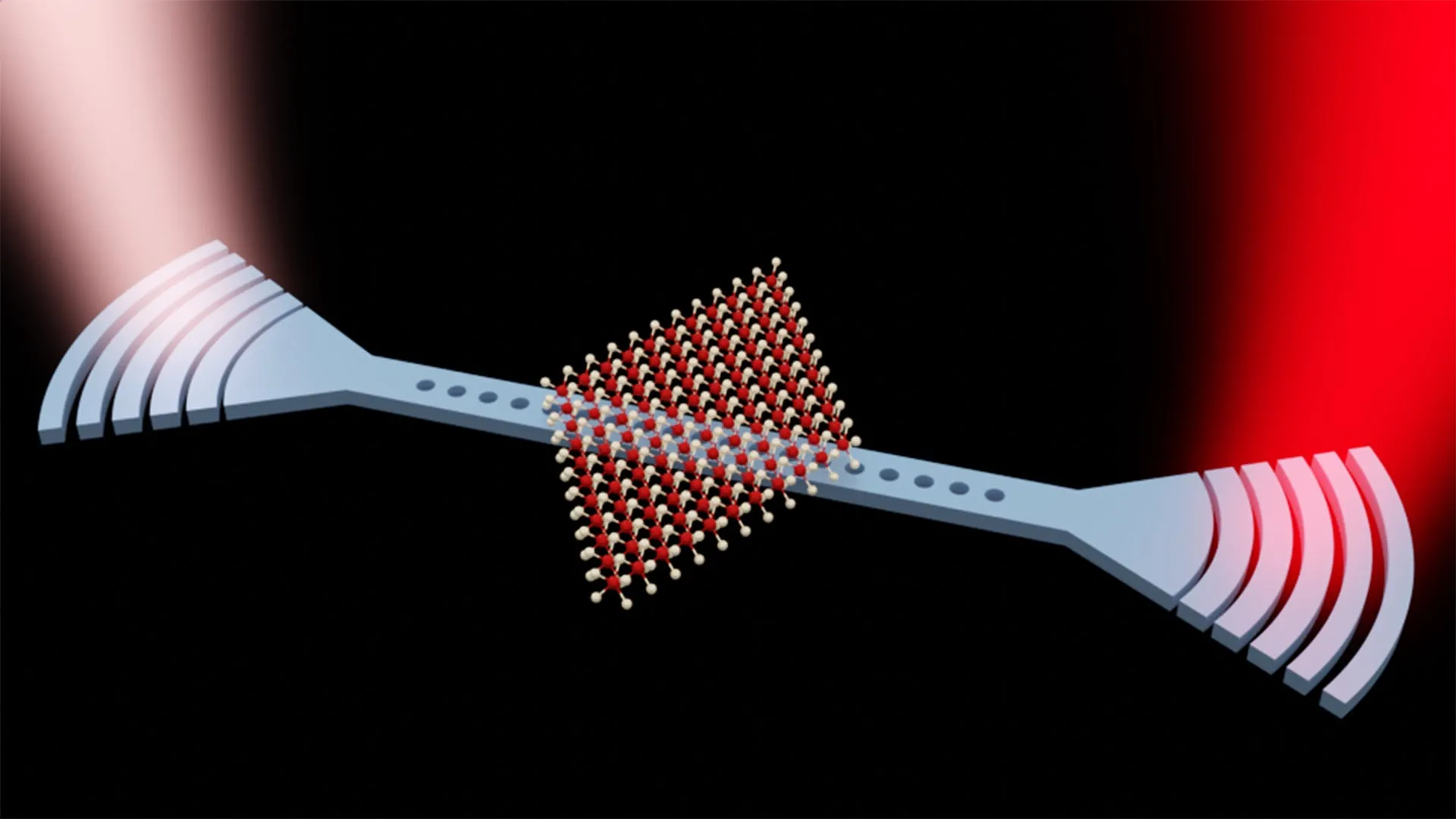
    To overcome that problem, Zhen’s team developed a special quasiparticle called an exciton-polariton. The particle forms when photons are strongly linked with electrons inside an atomically thin semiconductor material. This combination allows light to interact much more effectively, making it capable of performing the signal switching required for computing tasks.

    The breakthrough could be especially important for artificial intelligence systems, which consume enormous amounts of power.

    Many experimental photonic AI chips already use light to handle certain calculations at high speed. However, when these systems need to perform nonlinear activation steps, such as decision-making operations, they usually must convert light signals back into electronic ones. That conversion slows the process and increases energy use, reducing the benefits of photonic computing.

    Using exciton-polaritons, the Penn researchers demonstrated all-light switching while using only about 4 quadrillionths of a joule of energy. That amount is extraordinarily small, far below the energy needed to briefly power a tiny LED light.

    Toward Faster and More Efficient AI Chips

    If the technology can be successfully scaled, it could lead to photonic chips capable of processing information directly from cameras without repeated conversions between light and electricity. The approach could also lower the massive energy demands of large AI systems and potentially support basic quantum computing functions on future chips.

    Bo Zhen is the Jin K. Lee Presidential Associate Professor in the Department of Physics and Astronomy in the School of Arts & Sciences at the University of Pennsylvania.

    Li He was a postdoctoral researcher in the Zhen Lab in Penn Arts & Sciences. He is currently an assistant professor at Montana State University.

    Additional authors on the study include Zhi Wang and Bumho Kim from the University of Pennsylvania’s School of Arts & Sciences.

    The research was supported by the US Office of Naval Research (N00014-20-1-2325 and N00014-21-1-2703) and the Sloan Foundation.

  • NASA’s new AI space chip could let spacecraft think for themselves

    NASA’s new AI space chip could let spacecraft think for themselves

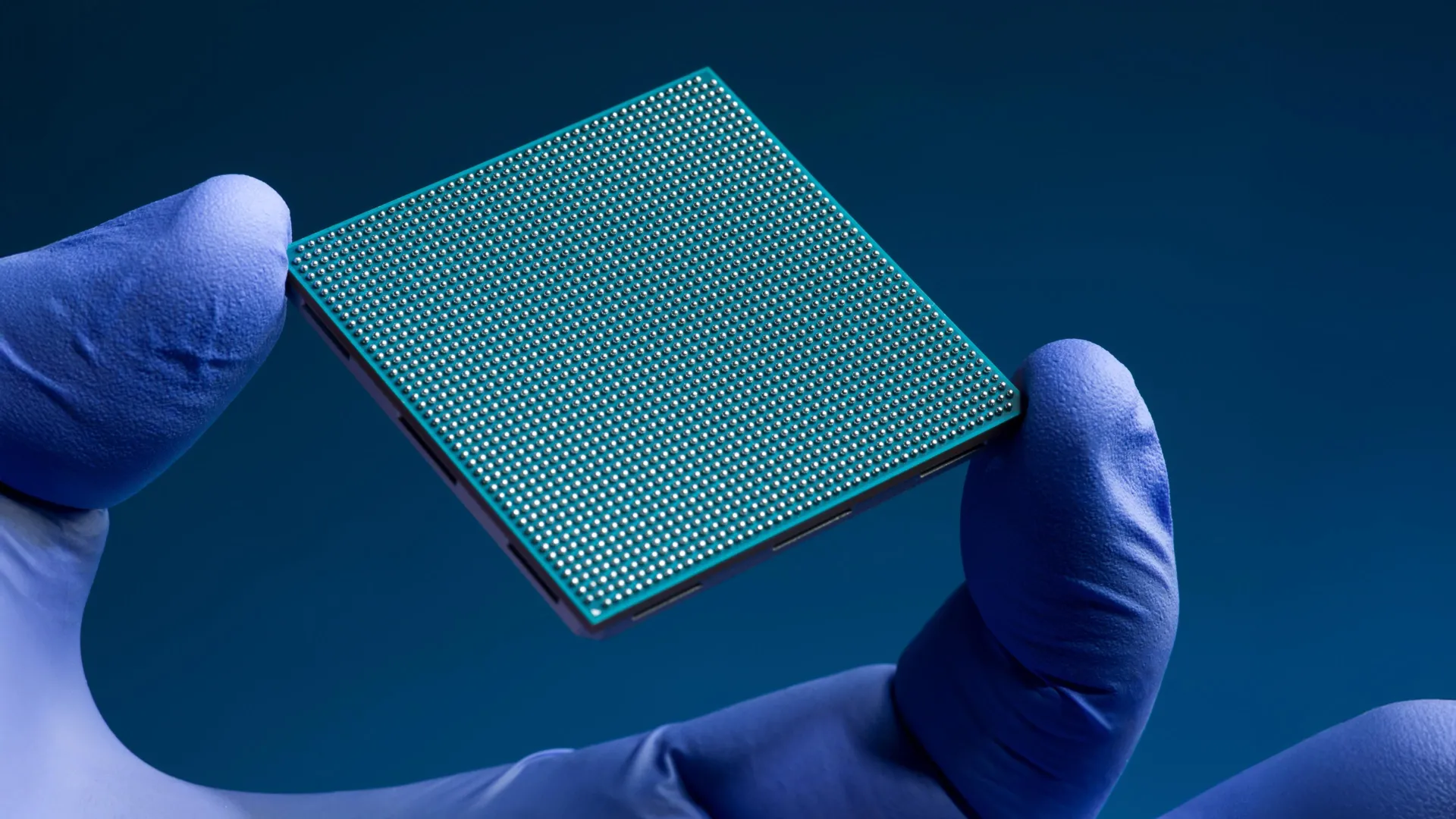
    NASA is developing a powerful new computer chip designed to dramatically increase the intelligence and performance of future spacecraft. Through a commercial partnership, the project is creating advanced processing technology capable of helping spacecraft operate more independently during missions far from Earth.

    NASA’s High Performance Spaceflight Computing project is focused on boosting the computing capabilities of spacecraft used in space exploration. Current missions rely on older processors because they are durable enough to survive the extreme conditions of space. While those chips are dependable, they lack the performance needed for more advanced missions.

    The agency says newer and far more capable processors are essential for future autonomous spacecraft, faster onboard scientific analysis, and supporting astronauts during missions to the Moon and Mars.

    “Building on the legacy of previous space processors, this new multicore system is fault-tolerant, flexible, and extremely high-performing,” said Eugene Schwanbeck, program element manager in NASA’s Game Changing Development program at the agency’s Langley Research Center, in Hampton, Virginia. “NASA’s commitment to advancing spaceflight computing is a triumph of technical achievement and collaboration.”

    Radiation Hardened Processor Faces Extreme Testing

    At the center of the project is a new radiation-hardened processor built to deliver up to 100 times the computing power of today’s spaceflight computers while surviving the harsh environment of space. Engineers at NASA’s Jet Propulsion Laboratory (JPL) in Southern California are running a wide range of tests designed to simulate those conditions.

    “We are putting these new chips through the wringer by carrying out radiation, thermal, and shock tests while also evaluating their performance through a rigorous functional test campaign,” said Jim Butler, High Performance Space Computing project manager at JPL.

    To qualify for spaceflight, the processor must withstand intense electromagnetic radiation and dramatic temperature fluctuations that can damage electronics. High-energy particles from the Sun and deep space can also trigger computer errors that force spacecraft into “safe mode,” temporarily shutting down nonessential systems until engineers resolve the issue.

    NASA is also testing how the chip handles the challenges of planetary landings.

    “To simulate real-world performance, we are using high-fidelity landing scenarios from real NASA missions that would typically require power-intensive hardware to process huge volumes of landing-sensor data,” said Butler. “This is an exciting time for us to be working on hardware that will enable NASA’s next giant leaps.”

    Testing at JPL began in February and is expected to continue for several months. Early results have been highly encouraging. According to NASA, the processor is functioning as intended and has shown performance levels roughly 500 times greater than the radiation-hardened chips currently used in spacecraft.

    The team also marked the beginning of testing with a symbolic moment by sending an email titled “Hello Universe,” referencing the famous introductory messages used during the early days of computer programming.

    AI Powered Spacecraft and Deep Space Missions

    The processor is being developed jointly by JPL and Microchip Technology Inc., based in Chandler, Arizona. The company is working with NASA through a commercial partnership, and sample chips have already been shared with defense and commercial aerospace partners.

    The technology is expected to play a major role in the future of autonomous spacecraft. With onboard artificial intelligence, spacecraft could respond to unexpected situations in real time when communication delays make human control impractical. The chip could also help deep space missions process, store, and transmit massive amounts of scientific data back to Earth more efficiently.

    NASA says the processor may eventually support crewed missions to the Moon and Mars as well.

    Small Processor With Massive Computing Power

    The device is known as a system-on-a-chip (or SoC), meaning it combines the essential components of a computer into a single compact unit. The processor includes central processing units, computational offloads, advanced networking systems, memory, and input/output interfaces.

    SoCs are widely used in smartphones and tablets because they are compact and energy efficient. However, NASA’s version is designed to survive for years in deep space, potentially traveling millions (or even billions) of miles from Earth without maintenance or repairs.

    Once the processor is certified for use in space, NASA plans to integrate it into a wide variety of missions, including Earth orbiters, planetary rovers, deep space probes, and crewed habitats.

    The technology could also have benefits on Earth. Microchip plans to adapt the processor for industries such as aviation and automotive manufacturing.

    NASA and Industry Collaboration

    The project is managed by the Space Technology Mission Directorate’s Game Changing Development (GCD) program at NASA Langley. The GCD program and JPL, which is managed by Caltech in Pasadena, California, oversaw the development process from mission planning and industry studies through final delivery.

    NASA JPL selected Microchip as a partner in 2022, and the company funded its own research and development work on the processor.